Jewelry sells on trust and desire, two things a polished studio ad struggles to convey alone. A real woman in Jaipur unwrapping a temple-gold choker for her sister's wedding, or a college student in Pune layering oxidised silver rings while narrating why she chose an indie brand over a mall chain, those moments move product. The brands getting this right are not leaving it to chance. They have built systematic customer content programs that generate a steady stream of authentic video and photo assets, which they then deploy across Instagram Reels, Meta ads, and product pages.
This guide walks you through exactly how to build that system, from the initial creator brief to the compliance checks required under ASCI guidelines.
Step 1: Define What "Customer Content" Actually Means for a Jewelry Brand
Jewelry customer content falls into three distinct categories, and conflating them leads to mixed results:
- Organic UGC: Unprompted posts from actual buyers, tagged photos, Instagram Stories, YouTube Shorts. This is the highest-trust signal but hardest to scale.
- Seeded UGC: You send product to micro-creators or loyal customers in exchange for honest content. They disclose the relationship; under ASCI's influencer guidelines (updated 2023), any material connection, including gifted product, must be disclosed with a label like "Gifted" or "Ad" visible for at least three seconds in video.
- Creator-filmed UGC-style ads: Paid creators film in their own homes, speak in first person, and deliver content indistinguishable from organic posts in look and tone. These run as paid Meta or YouTube ads. Because payment is involved, ASCI mandates "Advertisement" or "Sponsored" disclosure on the post itself if published on a creator's profile.
Know which bucket you are working in before you brief anyone. The distribution channel, the disclosure language, and the creator selection process differ for each.
Step 2: Build a Tight Creative Brief for Jewelry Specifically
Generic UGC briefs produce generic content. Jewelry has specific production requirements that standard creator briefs miss entirely.
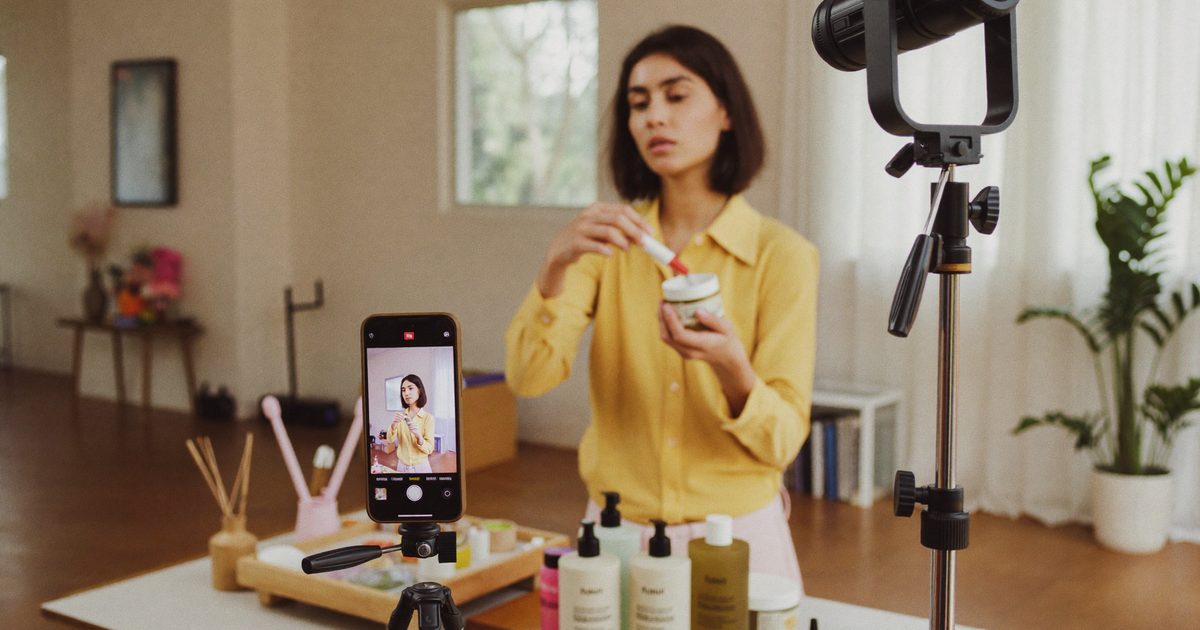
Lighting is the non-negotiable: We brief creators to always film near a window with natural daylight, or to use a ring light angled slightly from the side rather than head-on. Flat front-lighting washes out the detail in filigree, stone settings, and enamel work. A brief that says "make sure the jewelry is visible" is not enough, specify the lighting setup in plain language.
Include these elements in every jewelry creator brief:
- Macro close-up requirement: Ask for at least five seconds of the piece held close to the camera lens. On modern smartphones (Reel creators typically use an iPhone 13+ or a Samsung S-series), portrait mode close-ups can rival professional product photography.
- On-body vs. flat-lay split: Request both. On-body footage (worn on neck, wrist, ear, or finger) drives emotional desire; flat-lay or hand-held footage drives search and product-comparison clicks on shopping ads.
- Vernacular voiceover option: India's jewelry purchase decisions happen in Hindi, Tamil, Bengali, Marathi, and Telugu households as often as in English ones. If your brand serves a regional market, say, temple jewelry for Tamil Nadu or kundan sets for UP bridal, brief creators in the local language or ask for a native-speaker voiceover overlay. A 30-second Reel in Tamil narrated by a real Coimbatore bride converts differently from the same video in English.
- Occasion framing: Indian jewelry purchases cluster around weddings, festivals (Dhanteras, Akshaya Tritiya, Navratri), anniversaries, and first earnings. Ask the creator to name the occasion they are wearing the piece for. This single element dramatically improves ad relevance scores in Meta campaigns.
Step 3: Source and Select the Right Creators
For jewelry brands in India, the highest-performing creator profiles tend to be:
- Lifestyle micro-creators (10K–100K followers) in metro and Tier-cities across India who already post about fashion, wedding planning, or festive styling. Their audiences have demonstrated purchase intent in adjacent categories.
- Existing customers with phones: Your purchase database is an untapped creator pool. A post-purchase email three days after delivery, offering a Rs.500–1,000 store credit in exchange for a short honest video review, will yield creators who are not playing a role, they already own the product and have an opinion.
- Bridal content creators: Accounts dedicated to wedding planning and bridal looks in cities like Kolkata, Surat, Chennai, and Hyderabad have niche followings with extremely high buying intent for jewelry specifically.
What to avoid: creators with heavily filtered feeds or who post exclusively polished fashion campaigns. Jewelry UGC that looks like an ad performs like an ad, the click-through drops and the cost-per-result climbs.
One D2C silver jewelry brand we worked with ran the same product through two creator types: a Delhi-based fashion influencer (180K followers, studio-aesthetic feed) and five micro-creators sourced from their own customer base (2K–15K followers each). The customer-created content drove 34% lower cost-per-purchase in Meta ads, with identical budgets. The difference was trust signal density, real homes, real occasions, real accents.
Step 4: Build a Repurposing System, Not a One-Off Campaign
The brands that win with customer content treat each asset as raw material for multiple placements, not a single post. Here is a practical repurposing map:
- Instagram Reels (organic): Full 30–45 second creator video, captioned with occasion keywords and product name for discoverability.
- Meta paid ads: Same video trimmed to 15 seconds with the strongest visual moment in the first three seconds. Run as a traffic or conversion campaign with a product-specific landing page. Budget starting point for a D2C jewelry brand: Rs.15,000–25,000/month per active creative to get statistically meaningful data within four weeks.
- Product page embed: A video showing the piece worn in real light, narrated in first person, can increase product page time-on-page and reduce returns, because buyers have accurate expectations of size and finish.
- WhatsApp broadcast: If you have an opted-in broadcast list (critical, never send unsolicited), short UGC clips with a "tap to shop" link perform well during Dhanteras and Akshaya Tritiya pre-order windows. Keep it under 30 seconds for WhatsApp.
- Google Shopping and Performance Max: Customer photo assets (with rights obtained in your creator agreement) can be uploaded to Performance Max campaigns as image assets. Google's system selects the best-performing combinations automatically.
Step 5: Handle Rights, Disclosures, and ASCI Compliance
This is the step most jewelry brands skip and later regret. Three specific actions to take:
- Written rights agreement before you run paid ads: A creator posting organically on their own feed is one thing. The moment you put spend behind that content on your own Meta Business Account, you are using their likeness commercially. A simple two-paragraph email agreement, specifying that the brand has rights to use the content in paid advertising for 12 months, is sufficient for most micro-creator arrangements. Get it before you run the ad, not after.
- ASCI disclosure in the content itself: Under the ASCI Guidelines for Influencer Advertising in Digital Media, any material benefit (including free product, commission, or payment) requires a clear, prominent disclosure. For video content, the "Paid Partnership" label on Instagram does satisfy this when used correctly. For content you run from your own ad account (dark posts), the disclosure obligation shifts, consult the current ASCI guidelines at ascionline.in for the latest interpretation, as this area is actively evolving.
- No misleading claims: Jewelry-specific caution, do not allow creators to make comparative claims ("better than Tanishq") or superlatives ("finest gold in India") without substantiation. ASCI has pursued jewelry brands on exactly these grounds. Brief creators to speak from personal experience only: "I love how this fits" is compliant; "this is the highest-quality silver you can buy" is a claim that requires evidence.
Step 6: Measure What Actually Matters
Vanity metrics mislead jewelry brands more than most. A Reel with 200K views from a metropolitan fashion creator may deliver zero product page visits if the audience is aspirational rather than purchasing. Track these instead:
- Link clicks and product page sessions attributed to each piece of content, not aggregate campaign-level numbers.
- Add-to-cart rate from UGC-sourced traffic vs. your overall site average. A meaningful gap tells you whether the content is attracting in-market buyers or just browsers.
- Cost per purchase per creative asset in Meta Ads Manager. Isolate creative performance by using a separate ad for each UGC video. After four weeks and Rs.15,000–20,000 spend per creative, you will have enough data to identify top performers.
- Return rate on UGC-driven purchases: If customer content is setting accurate expectations, return rates should be lower for UGC-sourced buyers. This is a metric most brands ignore entirely but which reveals the true long-term value of authentic content.
Building a customer content engine for a jewelry brand is not about going viral on one campaign, it is about having a repeatable process that produces usable assets every month, maintains legal compliance, and feeds your paid and organic channels simultaneously. If you want a customised framework for your brand's category, price point, and target market, speak with our team, we work with jewelry, fashion, and lifestyle brands across India and can structure a production plan that fits your catalog and budget.