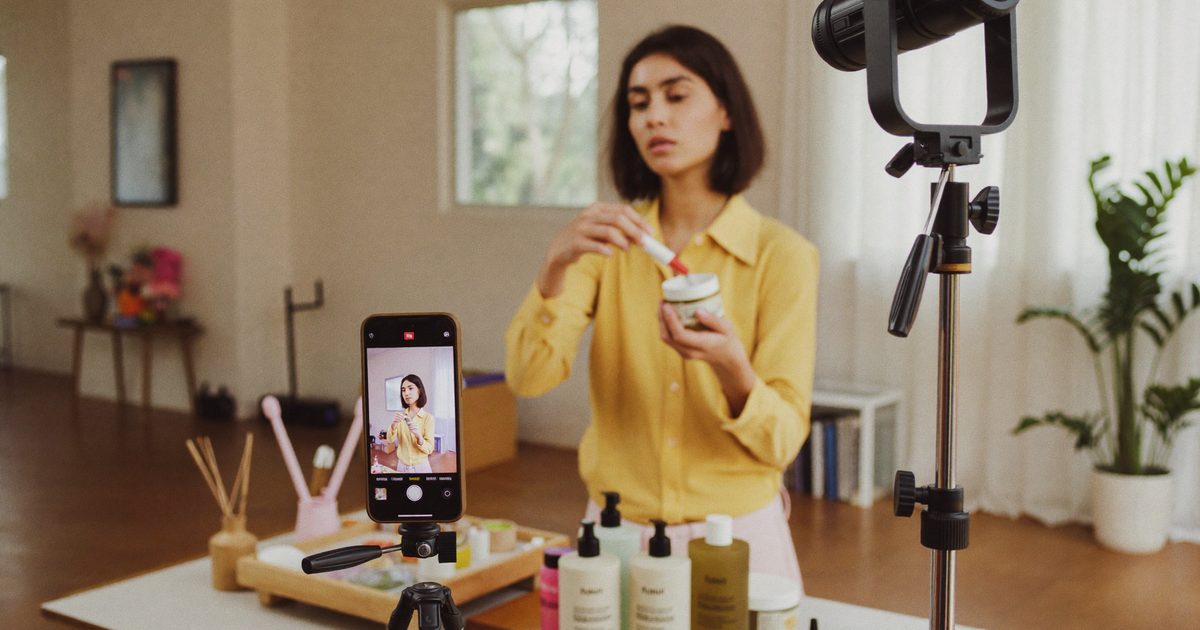
A quick scroll through the Instagram Reels of any fast-growing home decor brand in India reveals something predictable: the content that stops thumbs mid-scroll almost never comes from the brand's own studio. It comes from a customer filming their new terracotta lamp on a Sunday afternoon in their Pune balcony, or a creator in Hyderabad rearranging a jute rug and talking about why it transformed her rented flat. This is not a coincidence. The home category is one of the most emotionally resonant spaces in Indian retail, and the brands winning there have learned to operationalise that emotion through a deliberate customer content strategy.
This article walks you through exactly how to build and run that strategy, from identifying the right content moments to distributing what you collect across paid and organic channels.
Step 1: Define the Content Moments That Actually Convert
Before you ask anyone to create content for you, identify the three to five moments in your customer journey that carry the most persuasive weight in home decor. In our production work with home and lifestyle brands, these moments almost always cluster around:
- The transformation reveal: Before-and-after footage of a room, wall, or corner styled with your product. This format performs exceptionally well on Instagram Reels and YouTube Shorts because it satisfies a deeply visual curiosity. A 20-second Reel showing a bare living room wall becoming a gallery arrangement drives more saves than any product-feature carousel.
- The fit-and-feel walkthrough: How does the product look in a real Indian home, not a sanitised studio? Customers in Bengaluru and Delhi want to see your cane sideboard next to an actual TV unit with wires, not floating in a white void. Authenticity of setting is a credibility signal in this category.
- The problem-solution moment: A creator explaining how a particular storage basket finally solved the clutter under their bed, or how a specific paint finish survived two monsoons. Solution-framing content is highly searchable and maps directly to purchase intent.
Map these moments to your product range and build your content brief templates around them. A brief that says "show us your room transformation" will return better material than one that says "talk about why you love our product."
Step 2: Build a Sourcing System, Organic and Commissioned
Customer content for home decor brands in India comes through two main pipelines, and you need both running simultaneously.
Organic sourcing means actively harvesting what customers are already posting. Set up saved searches on Instagram for your brand handle, product hashtags, and city-specific tags like #bengaluruhomes, #mumbaiapartment, #delhidecor. Use Instagram's native notification for tagged posts. Respond to every piece of organic UGC within 24 hours, a simple "We love your corner, may we repost this?" DM with a clear repost-rights statement is sufficient. Build a simple Google Sheet to log creator handle, product tagged, date, repost permission status, and platform.
Commissioned UGC is where you control brief quality and output format. For home decor, this typically means engaging nano creators (10,000–50,000 followers) or micro creators (50,000–200,000 followers) who genuinely live in the aesthetic your brand occupies. Compensation in the Indian market for a 30–60 second Reel with full repost rights currently runs between Rs. 3,000 and Rs. 18,000 depending on following and niche depth. For raw UGC with no posting obligation, content you will use only for your own ads, expect Rs. 2,000 to Rs. 8,000 per deliverable.
A practical sourcing calendar: brief four to six creators per month on a rolling basis, stagger delivery across the month, and maintain a 30-day content buffer at all times. Home decor has strong seasonal demand peaks, Diwali, Navratri, wedding season, and end-of-year gifting, and you cannot commission content reactively.
Step 3: Brief Creators for Indian Home Contexts
Generic briefs produce generic content. For the Indian home category specifically, your creator brief needs to account for real living conditions: smaller square footage in metro flats, multi-generational households where aesthetics must balance modern and traditional preferences, and the fact that many customers are first-time homeowners navigating decor choices without a designer.
We brief creators to address at least one of these realities explicitly. Examples of brief language that works:
- "Show us how this fits in a 2BHK flat, you don't need a large space."
- "Your mother or mother-in-law approves of this, show us why."
- "This works in a rented home where you can't drill walls."
- "Film in natural light from your window, not ring-light. We want real."
If your brand sells across linguistic markets, a reasonable scenario for any home decor brand distributing to Gujarat, Tamil Nadu, and Bengal simultaneously, invest in regional-language UGC. A 45-second Reel in Tamil or Kannada with on-screen text will outperform a Hindi Reel for audiences in those markets. Budget for at least two regional-language content pieces per month once you've validated your top-performing formats in Hindi and English.
On compliance: the Advertising Standards Council of India (ASCI) requires that paid collaborations be disclosed with "#ad" or "#sponsored" in a visible position in the post caption. This applies to commissioned UGC posted on a creator's own account. Ensure your creator contract includes a disclosure clause, and audit posts within 48 hours of going live.
Step 4: Build the Paid Amplification Layer
Organic UGC reach is valuable but unpredictable. The brands consistently winning in home decor combine organic seeding with a structured paid amplification system that turns your best-performing UGC into Meta and Google ad creative.
The workflow looks like this:
- Run a 48–72 hour organic test: Post the UGC to your brand's Instagram and track saves, shares, and profile visits, not just likes. Saves are the strongest signal in this category because they indicate purchase consideration.
- Whitelist the top 20–30% of content: Creator whitelisting (running ads from the creator's handle under your ad account) consistently outperforms running the same content from your brand page in the home decor category. It preserves the authentic context. For Meta ads, this requires the creator to grant you partner access in their Business Manager.
- Build three-second hooks as standalone variants: Edit the original UGC into a 3–5 second hook version and a 15–20 second full version. Test both. For home decor, visual transformation hooks, a fast cut from the "before" to the "after", routinely reduce cost-per-click versus voiceover-only openings.
- Retarget with social proof formats: Combine UGC video with a screenshot of an organic comment from a real customer as a static overlay. This format performs well in the Rs. 500–Rs. 2,000 CPM range typical of home decor audiences on Meta in Tier cities across India.
Step 5: Create a Feedback Loop That Improves Content Quality Over Time
A customer content strategy that does not feed learnings back into briefs will plateau within three months. Build a monthly content review into your process:
- Which UGC pieces drove the most saves and profile visits organically?
- Which ad creatives produced the lowest cost-per-add-to-cart or cost-per-lead?
- What specific visual elements, language patterns, or settings appeared in the top performers?
Translate those answers directly into revised brief language. If you notice that content filmed in kitchens-turned-display-areas consistently outperforms bedroom content, update your brief to prioritise that setting. If a creator who spoke in Hinglish and addressed the viewer as "yaar" outperformed polished English scripts, that is a tone insight worth encoding.
The most effective customer content programs we have seen in home decor are not the ones with the largest creator rosters, they are the ones with the tightest feedback loop between ad performance data and the next round of briefs.
Step 6: Repurpose Across the Full Funnel
Customer content for home decor should not live only in your social ads. High-quality UGC, properly cleared for reuse, belongs in multiple touchpoints:
- Product pages: Real-home photography embedded on your Shopify or custom product page reduces return rates and lifts conversion. It answers the question "will this look good in my actual home?" more convincingly than studio shots.
- WhatsApp catalogue and status: For brands using WhatsApp Business API or even the standard app for customer engagement, sharing UGC-style content through Status or in broadcast messages creates a more personal touchpoint than polished brand imagery.
- Google Display and Performance Max: Upload cleared UGC as image and video assets within Performance Max campaigns. Google's asset mixing will test your UGC against studio creative automatically, in several home category accounts, UGC images have matched or beaten studio photography on Google Shopping surfaces.
- Email nurture sequences: A single "real homes, real reviews" email featuring three customer transformation photos with short captions (first name, city, product) consistently outperforms product-feature emails on click-through in the home decor segment.
If you are building or scaling a customer content program for your home decor brand and want a production partner who can manage creator briefing, content delivery, and paid amplification in one workflow, book a consultation to see how we structure this for brands at every stage.