Mobile gaming crossed 500 million players in India last year, yet most gaming brands still run the same polished studio ads, the ones showing impossibly skilled hands on a glowing phone screen, zero real player voice. Meanwhile, a single 45-second clip of a college student from Pune narrating his first win in BGMI gets three lakh organic views on Instagram Reels. That gap is where customer content lives, and the savviest gaming brands in the country are now systematically closing it.
If you have never worked with user-generated content before, this guide explains exactly what it is, why it works particularly well in gaming, and how you can start using it as a real marketing channel, not just a lucky viral moment.
What "Customer Content" Actually Means in Gaming
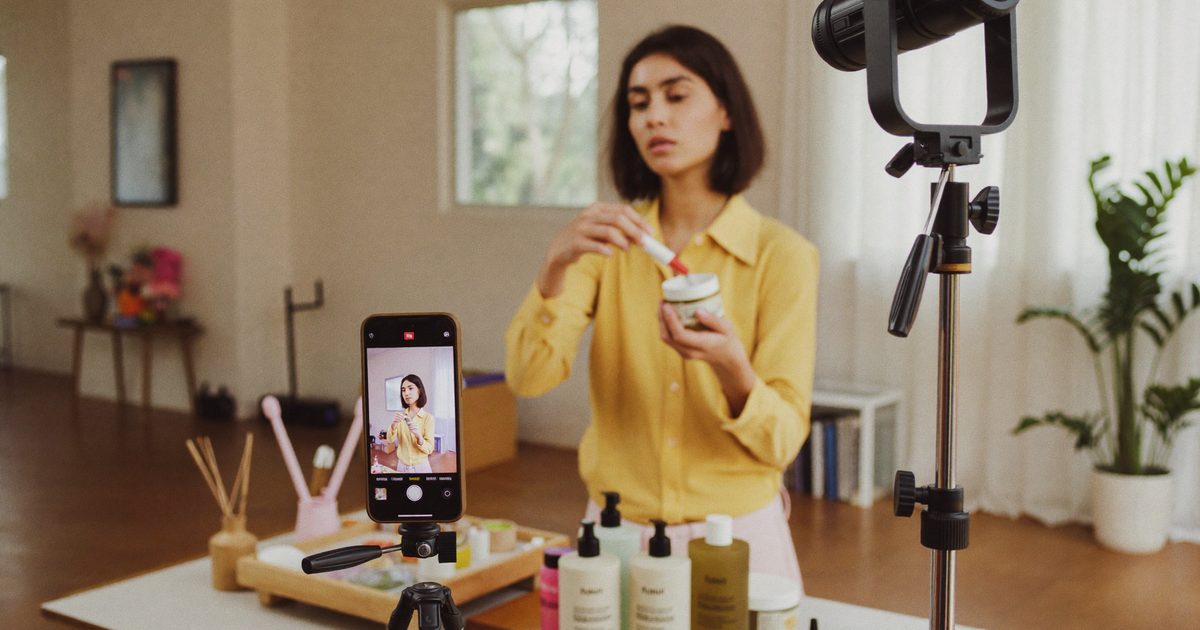
Customer content (also called UGC, user-generated content) is any video, image, or post created by a real player rather than your in-house team. In gaming, it looks like this:
- Gameplay reaction clips: A player films their phone screen (or uses a screen recorder) while playing, capturing their genuine reaction, excitement, frustration, a surprise win.
- Review-style talking heads: Someone sits on camera and tells their friends why they prefer one game over another, often mixing Hindi and English the way people actually speak.
- Achievement showcases: A player shows off a rare skin, a high rank, or an in-game milestone and explains how long it took to get there.
- Tutorial or tip videos: A more experienced player teaches beginners a trick, these spread fast because they are genuinely useful to other players.
The key word throughout is real. Real face, real voice, real reaction, not a script read by a model in a studio. That authenticity is what makes audiences stop scrolling, because it looks and sounds exactly like content from someone they would follow anyway.
Why Gaming Is Uniquely Suited to This Strategy
Most product categories need to manufacture a sense of community around UGC. Gaming already has one. Players in India congregate on YouTube, Instagram, Discord, and on platforms like Rooter and Loco (Indian live-streaming platforms built specifically for gaming). They talk to each other constantly, share screenshots in WhatsApp groups, and argue passionately about which game deserves their Rs.499 monthly subscription.
This means a gaming brand entering the UGC space is not asking customers to do something unnatural, players are already making this content. The brand's job is to find the right creators, brief them well, and then get permission to amplify what they produce. That is a much lower lift than starting from scratch.
There is also a trust dynamic at play. Gaming audiences are among the most sceptical of polished advertising. A 16-year-old in Hyderabad watching a stream on Loco has already trained himself to ignore pre-rolls. But if the streamer pauses to talk about why he uses a particular in-game currency or energy drink, that same teenager leans forward. The messenger matters enormously here.
The Platforms That Actually Move Results for Gaming UGC in India
Not every platform works equally well. Here is a practical breakdown:
- Instagram Reels: Best for short (15–45 second) reaction and achievement clips. Gaming content performs especially well with trending audio dubbed over gameplay. Brands like WinZO and Mobile Premier League (MPL) have used creator Reels extensively for performance ad campaigns, running paid spend behind organic-looking UGC.
- YouTube Shorts and long-form YouTube: Long-form tutorials and review videos have longer shelf life here. A 10-minute "is this game worth it?" video from a genuine player in Tamil Nadu keeps drawing search traffic for months. Shorts work for punchy highlight clips.
- Rooter and Loco: These Indian platforms have smaller absolute audiences than YouTube but far higher engagement per viewer within gaming. Brands running D2C merchandise, in-game subscriptions, or fantasy sports products find that creator integrations on Loco convert particularly well because the audience intent is entirely focused on gaming.
- WhatsApp Status (not broadcasts): Gaming communities share short clips via personal Status updates, this is word-of-mouth in its digital form. You cannot advertise directly here, but you can seed content into communities through creator partnerships and let organic sharing take over.
- Discord: Less a content platform and more a community hub. Useful for seeding early access or beta invites that generate organic UGC buzz before a game or feature launch.
How Brands Brief Creators to Produce Useful UGC (Not Just Ads)
The most common mistake brands make when starting with creator-produced content is handing over a traditional ad brief, logo placement, key messages, mandatory claims. This produces stiff, unconvincing videos that players immediately recognise as sponsored content and scroll past.
In our production work with gaming and edutainment brands, we brief creators around a scenario rather than a script. The brief might say: "You have just unlocked a new character. Tell your audience what you noticed first, and show them how you used it in a match. Be honest, if there is something you would change, say it." That permission to have an opinion is what separates content that feels real from content that feels commissioned.
A few structural principles that help:
- First 3 seconds must hook without the brand. Start mid-action, a close call in a match, a disbelief reaction, before any brand context arrives.
- Keep disclosure natural but clear. Under ASCI guidelines (the Advertising Standards Council of India), paid partnerships must be disclosed clearly, "Paid partnership" or "Ad" in the caption or spoken aloud. This is non-negotiable, and reputable creators already know this. A disclosed UGC that feels authentic still outperforms an undisclosed ad that audiences distrust.
- One ask per video. Whether you want downloads, subscriptions, or a specific in-game action, ask for one thing only. Multiple CTAs kill conversion.
"The best UGC briefs we have seen give the creator a situation, not a script. The situation creates the content; the script creates a commercial."
What Does This Actually Cost? Realistic Numbers for India
This is where many brands either over-invest badly or under-invest and get nothing. A practical budget range for a gaming UGC campaign in India:
- Nano creators (5,000–30,000 followers on Instagram/YouTube): Rs.2,000–Rs.8,000 per video. These creators have tightly engaged, niche audiences, often a city-specific or game-specific community. Their content looks the most organic.
- Micro creators (30,000–150,000 followers): Rs.10,000–Rs.40,000 per video. The sweet spot for most gaming brand UGC campaigns. Enough reach to move metrics, still authentic enough to avoid the "influencer" polish problem.
- Mid-tier creators (150,000–500,000 followers): Rs.50,000–Rs.1,50,000 per video. Suitable for product launches or seasonal pushes where you need scale quickly.
- Ad spend on top of creator fees: Budget at least an equal amount to run paid promotion behind the best-performing organic UGC pieces. A Rs.6,000 creator video with Rs.8,000 in Meta or YouTube ad spend behind it can outperform a Rs.50,000 studio production by a significant margin, because the creative looks native to the feed.
A starter gaming UGC campaign, five nano/micro creators, one revision round each, paid amplification on two winning pieces, typically runs between Rs.60,000 and Rs.1,20,000 total. That is a real test budget, enough to generate data on what resonates with your specific audience.
How to Choose the Right Creators for Your Game
Follower count is the least important criterion. The questions that actually matter:
- Does this person genuinely play games like yours? A creator whose feed is all casual puzzle games will not be credible talking about a competitive battle royale.
- What is the comment quality? Real engagement shows up in comments that discuss the game or the creator's opinion, not just emoji and generic praise. Scroll at least 20 comments before deciding.
- What language(s) do they create in? India's gaming audience is not monolingual. A Telugu-language creator from Vijayawada reaches an audience that a Mumbai Hindi creator simply does not. If you are trying to grow in Tier cities across India or specific language markets, match the creator's language to the audience you want.
- Have they done any previous brand work? Check how they handled it. Did they disclose properly? Did the integration feel awkward? Past collaboration quality is the best predictor of future collaboration quality.
Turning One-Off Content Into a Repeatable System
The brands that consistently win with customer content are not the ones who ran one viral campaign, they are the ones who built a pipeline. This means having a small roster of 8–15 creators on retainer at any time, feeding them new briefs as features launch or seasons change, and continuously testing new creator profiles as the game's player base evolves.
It also means saving your best-performing UGC and reusing it. A genuine player reaction filmed six months ago can be repurposed as a testimonial on your landing page, a bumper ad on YouTube pre-rolls, or an asset in your next Meta campaign. You paid for the content once; the usage rights, if you negotiated them correctly upfront, let you extract value for months.
One operational habit that pays off quickly: ask creators to send you their raw files, not just the edited post. Raw footage can be recut by your team for different formats and durations without going back to the creator for a reshoot.
If you are a gaming brand trying to build this kind of creator content system, whether for a mobile game, a gaming peripheral, an esports platform, or a gaming merchandise line, speak with our team. We work with brands across India on exactly this kind of always-on UGC infrastructure, from brief writing and creator sourcing to licensing and paid amplification.