A packet of Haldiram's aloo bhujia sits on a kitchen counter in Lucknow. A 23-year-old opens it, films a quick 15-second taste reaction on Instagram Reels, tags the brand, and posts it. That single clip, unscripted, shot on a mid-range Android, outperforms the brand's professionally produced festival ad by a factor of three in saves and shares. This is not a fluke. It is the operating principle that India's sharpest food and beverage brands have quietly built their growth strategy around.
The question is not whether customer-created content works for F&B brands. It does. The question is how to engineer it consistently, from seeding and briefing to compliance and paid amplification, so it becomes a repeatable acquisition channel rather than a lucky accident. Here is a step-by-step breakdown of exactly how to do that.
Step 1: Define What "Winning Content" Looks Like for Your Category
Before you recruit a single creator or launch a hashtag campaign, spend half a day mapping the content behaviours that already drive purchase intent in your specific F&B niche. The winning formats differ sharply by sub-category:
- Ready-to-eat / snacks (Haldiram's, Too Yumm, Bingo): Unboxing reactions, multi-flavour ranking videos, "office snack haul" vlogs. Short, punchy, high-repeat-view formats on Reels and YouTube Shorts.
- Health beverages and nutraceuticals (Raw Pressery, Auric, Wellbeing Nutrition): Honest "week-long trial" testimonials, before/after energy-level comparisons, morning-routine integrations. These work best as slightly longer Reels (45–60 seconds) or YouTube vlogs where the creator can show context.
- D2C regional foods (small-batch pickles, artisan mithai, regional masalas): Cooking integration content, creator uses your product inside a real recipe. Strongly favoured by the 30–45 age group on YouTube and Facebook.
- Cloud kitchens and QSR aggregators: First-bite reaction clips, comparative ordering content, "is it worth the price" formats. These spike on Instagram and Zomato's own feed.
Document these formats as a one-page creative brief template before you go further. Every creator you work with will receive it.
Step 2: Build a Seeding Programme, Not a One-Off Campaign
Most F&B brands treat product seeding as a campaign moment tied to a launch. The brands that consistently win treat it as an always-on gifting pipeline. Here is a practical structure:
- Tier your creators by reach and alignment. A nano creator (5,000–30,000 followers) in Pune who posts exclusively about home cooking is worth more for a specialty ghee brand than a lifestyle macro with 500K followers who posts everything. For most Indian D2C F&B brands, a mix of 60% nano + 30% micro + 10% mid-tier gives the best cost-to-trust ratio.
- Send curated hampers, not plain product. Include a handwritten card (it gets filmed), a QR code linking to a simple brief page, and ideally one item that adds context, a recipe card, a small branded spice jar alongside the main product. The packaging experience is half the content.
- Set expectations clearly but lightly. In our production work, we instruct seeding partners to specify one or two non-negotiable disclosures (ASCI-required, see below) but leave the creative execution entirely open. Prescriptive scripts kill authenticity.
- Budget benchmark: A well-run nano-creator seeding programme across 50 creators in Tier 1 and Tier cities across India costs approximately Rs.1.5–2.5 lakh per month inclusive of product, logistics, and coordination, far less than a single studio shoot day.
Step 3: Stay on the Right Side of ASCI Guidelines
India's Advertising Standards Council of India (ASCI) guidelines on influencer marketing, updated in 2021 and actively enforced since 2023, apply directly to any brand-seeded UGC. Non-compliance can result in public takedown notices and reputational damage. Here is what matters for F&B brands specifically:
- Mandatory disclosure: Any creator who receives product, payment, or barter must label their post with a visible disclosure tag, "#Ad", "#Collab", "#Paid", or "#Gifted", placed prominently, not buried in hashtag clouds. On Reels, this must appear in the caption, not only the audio.
- Health and efficacy claims: For functional foods, nutraceuticals, or beverages making benefit claims (weight management, immunity, energy), ASCI requires that claims be substantiated. Creators cannot say "this cured my bloating" without a clear qualifier like "this is my personal experience." Brands are responsible for briefing creators on permissible language.
- Regional language content: If a creator posts in Tamil, Telugu, or Marathi, the disclosure must appear in the same language, an English "#Ad" tag on a Tamil-language post does not satisfy the requirement.
We brief all creators in advance with a one-page ASCI compliance sheet alongside the creative brief. It takes 20 minutes to produce and prevents costly post-publication corrections.
Step 4: Shoot Formats That Survive the Feed
The format choices that separate high-performing F&B UGC from forgettable content are specific and learnable. When we brief creators for food and beverage clients, we emphasise the following:
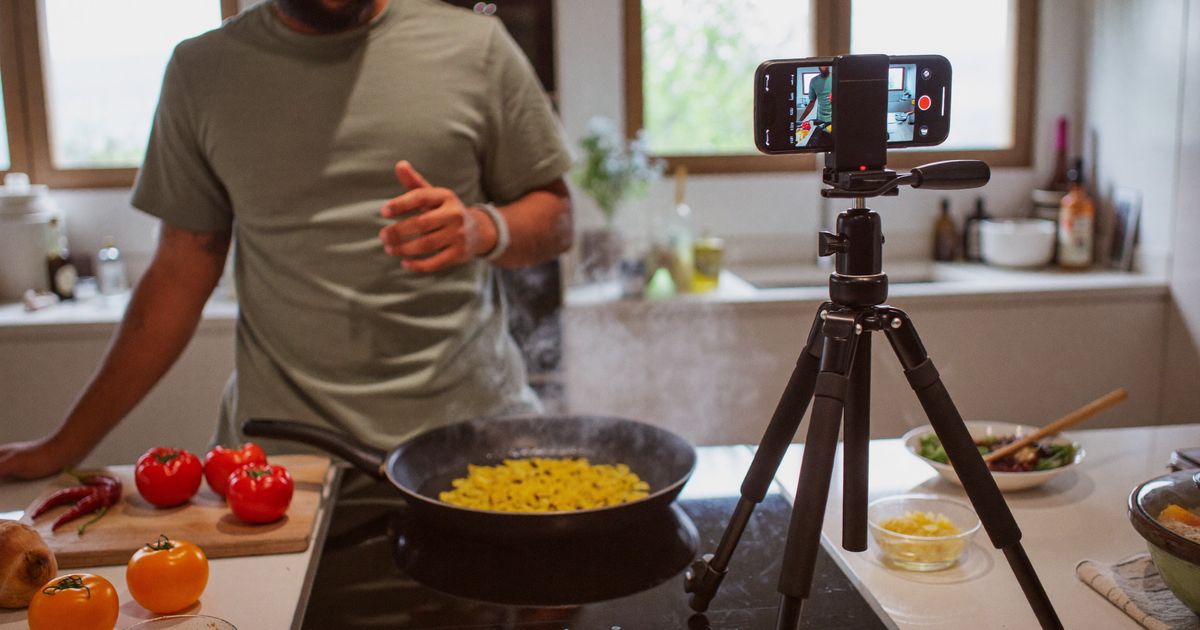
- Sound-on content: F&B is uniquely sensory. The crunch of a chip, the fizz of a beverage opening, the sizzle of something hitting a pan, these audio cues trigger appetite response and dramatically increase watch time. Brief creators to shoot in quiet environments and capture close-up audio.
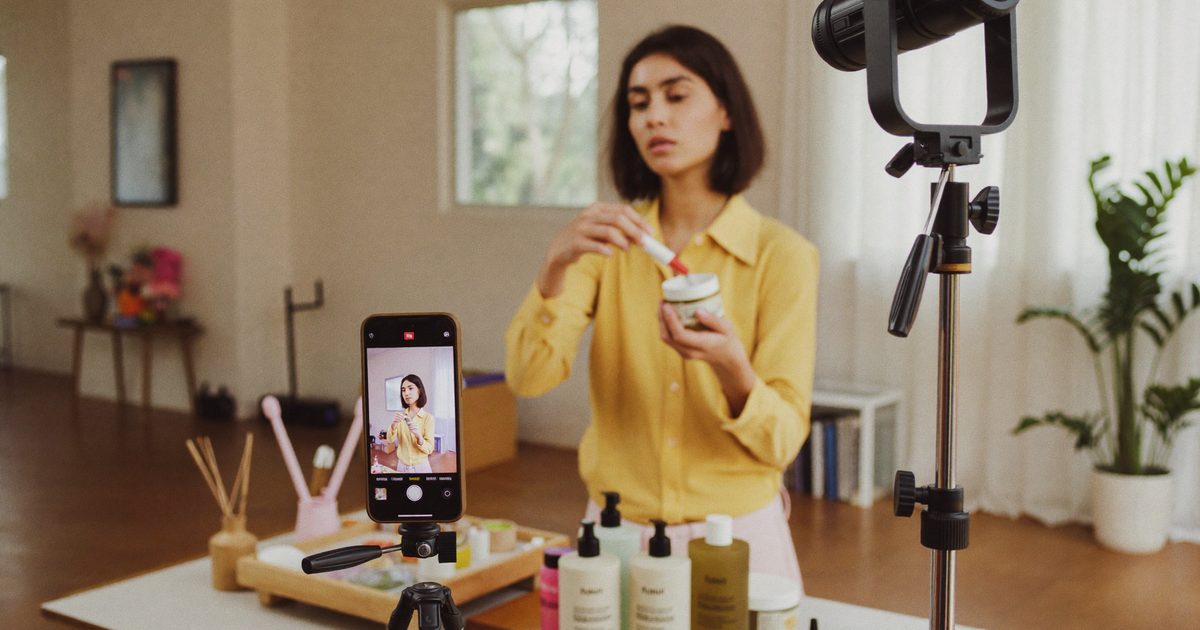
- Daylight over ring lights for food: Natural window light (not direct sunlight) renders food colour accurately. Ring lights flatten texture and make food look artificial. This is a simple note in the brief that meaningfully improves output quality.
- The 3-second hook rule: The first frame must communicate the product or a tension, a full plate, an unusual flavour combination, a look of surprise. Reels with a clear visual hook in frame one have measurably higher completion rates on Instagram.
- Vernacular over English where possible: A Hindi or Bengali creator speaking naturally in their own language converts at a higher rate in their regional audience than switching to English to sound "premium." Encourage language authenticity.
Step 5: Repurpose and Amplify Systematically
Seeded UGC that lives only on the creator's channel is underutilised. The brands that extract the most value from customer content build a repurposing workflow from day one:
- Request usage rights upfront. Include a one-line rights clause in your seeding agreement: "Brand may use this content in paid advertising and owned channels for 12 months." Most nano creators agree without negotiation. Without this clause, you cannot legally run the content as a Meta or Google ad.
- Run whitelisting campaigns on Meta. "Whitelisting" (running paid ads through a creator's handle rather than the brand's page) consistently outperforms brand-page ads for F&B products because the content appears native. CPMs are typically 15–30% lower and CTRs higher. A Rs.30,000–50,000 monthly boost on top UGC pieces is a cost-effective starting budget for most D2C F&B brands.
- Embed in product pages and Meesho / Amazon listings. Customer video testimonials embedded on D2C product pages increase add-to-cart rates. For Amazon sellers, the "Customer videos" section is algorithmically favoured. Seed creators who have already purchased via Amazon to leave verified video reviews.
- Build a WhatsApp broadcast asset library. India's highest purchase-intent buyers are in WhatsApp groups and status broadcasts. Short, vertical UGC clips (under 30 seconds) sent via WhatsApp Business broadcast to opted-in customers drive reorder rates, particularly for consumable products like snacks, beverages, and spice blends.
Step 6: Measure What Actually Matters
The temptation in UGC programmes is to track reach and impressions, which are vanity metrics for a purchase-driven category like food and beverage. The metrics that predict whether your customer content programme is working:
- Earned media value (EMV) per rupee spent: Total estimated ad equivalent value of organic content divided by your total seeding programme cost. A well-run programme for an Indian F&B brand should return Rs.4–7 of EMV per rupee invested within six months.
- Share-of-content in category: Use a social listening tool (Talkwalker, Meltwater, or even manual hashtag monitoring on a budget) to track how much F&B UGC in your sub-category features your brand versus competitors. This is your real market position indicator.
- UGC-to-paid conversion rate: When you run whitelisted UGC as Meta ads, track the conversion rate against your studio-produced creative. In our experience across multiple F&B clients, authentic UGC typically matches or beats studio creative on direct conversion, at 30–50% of the production cost.
- Repeat creator participation rate: What percentage of seeded creators post more than once? High repeat rate signals that your product and seeding experience are strong enough to earn organic advocacy. Low repeat rate signals a product-market or fulfilment problem worth addressing.
The best food and beverage UGC programmes in India are not campaigns. They are systems, designed to generate a continuous stream of authentic, compliant, repurposable content that reduces paid media costs over time while building genuine brand trust.
If you are building a customer content system for an F&B brand and want to skip the trial-and-error phase, speak with our team at The UGC Agency. We run end-to-end UGC production for food and beverage brands across India, from creator briefing and ASCI-compliant scripting to whitelisting campaigns and performance tracking.