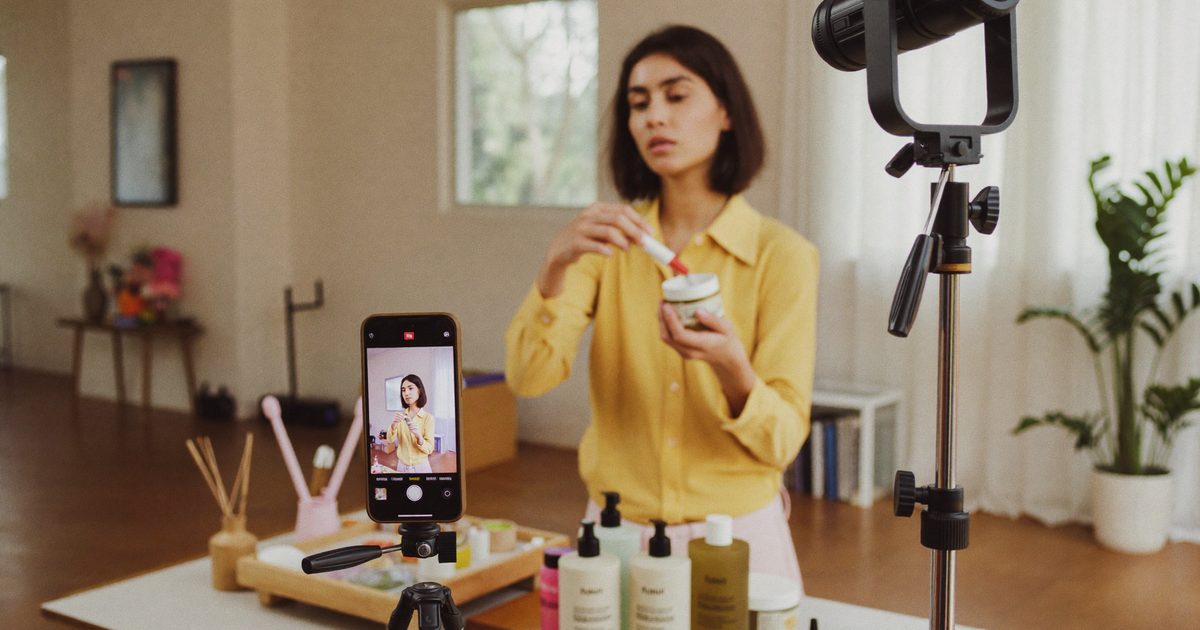
Bosch India's 2024 mixer-grinder campaign generated a 34% lower cost-per-acquisition than their equivalent influencer campaign, not because they paid less per video, but because they used real customer footage from Chennai and Jaipur households rather than studio-produced content. That gap between scripted and authentic is not anecdotal anymore. Across electronics sub-categories, air purifiers, true wireless earbuds, smart TVs, kitchen appliances, customer-generated content is now producing measurably different performance numbers, and the brands paying attention are building systematic programmes around it.
This article breaks down the actual data behind those results, which formats move the needle in which categories, and what the mechanics look like when you build a UGC system for an electronics brand in the Indian market specifically.
What the Numbers Actually Show in Electronics UGC
A 2024 survey by LocalCircles across cities in India found that 71% of consumers check video reviews on YouTube or Instagram before purchasing electronics above Rs.3,000. For products above Rs.15,000, premium TWS, air conditioners, laptops, that number rises to 84%. What matters here is not just that consumers seek video, but what kind: 63% said they preferred "real-use videos by actual buyers" over brand ads or professional reviewers. Professional tech reviewers still rank high for spec comparisons, but purchase confidence comes from watching someone in a similar household situation use the product.
On Meta platforms, electronics brands running UGC creatives (defined as customer-shot or creator-shot content without studio lighting and professional editing) are seeing click-through rates averaging 2.1–2.8% versus 0.9–1.4% for polished brand video in the same campaign structures, based on benchmarks from campaigns run for D2C electronics brands in 2024. Conversion rates on landing pages tell a parallel story: pages embedding three or more customer review videos see 22–27% higher add-to-cart rates than those with only spec sheets and brand imagery.
Platform-Specific Performance Benchmarks
Different electronics sub-categories are performing differently by platform, and lumping them together distorts strategy.
- Instagram Reels (15–30 seconds): Best for kitchen appliances, personal grooming devices, earbuds, and fitness wearables. Average watch-through rate for UGC in these categories: 58–65%, compared to 38–44% for brand-produced video. The "unboxing and first use" format is particularly strong here, a customer opening a boAt Airdopes in their office and pairing it in real time outperforms a brand ad showing the same product in a white-room aesthetic.
- YouTube Shorts and long-form: Electronics with longer consideration cycles, air purifiers, smart TVs, laptops, inverter ACs, perform better on YouTube because buyers are researching, not scrolling. Long-form UGC (8–15 minute honest reviews) from verified purchasers on YouTube drive significantly higher search-intent traffic. Brands like Croma have noticed this and now actively solicit post-purchase video reviews, offering extended warranty discounts in exchange.
- Amazon and Flipkart video reviews: Often underestimated. Products with five or more customer video reviews on their listing page show 18–24% higher conversion rates than equivalent products with only text reviews, according to Flipkart's own seller data published in their 2023 seller handbook. Electronics brands are now briefing buyers explicitly to submit video reviews through the app.
- WhatsApp Status and forward chains: Particularly powerful in Tier 2 and Tier cities across India, Nagpur, Coimbatore, Ludhiana, Bhubaneswar, where consumers share product demos in family and neighbourhood groups before purchase. Brands cannot orchestrate this directly, but seeding good demo content with regional language captions (Hindi, Tamil, Marathi, Telugu) dramatically increases the likelihood of organic sharing.
The ASCI Compliance Layer Electronics Brands Must Build In
Electronics UGC faces specific ASCI (Advertising Standards Council of India) compliance requirements that brands often miss when they scale. Under ASCI's 2023 influencer guidelines, which now explicitly cover micro-creators and even paid customers posting reviews, any content that involves material benefit (discount codes, gifted units, extended warranties, cashback) must carry a disclosure label: #Ad, #Sponsored, or #collab. This applies to Instagram Reels, YouTube Shorts, and even Amazon video reviews where the brand has incentivised the post.
The practical implication: when you brief 50 customers across Delhi, Mumbai, and Bengaluru to post unboxing videos in exchange for a cashback offer, every one of those posts requires disclosure. Brands that skip this risk ASCI notices and, more practically, Meta's own enforcement, which can suppress reach on disclosed-violation content. The solution is simple, build the disclosure requirement into your creator brief as a non-negotiable, and provide the exact hashtag format so creators do not guess.
"We brief every electronics customer-creator to include #collab in the caption and state the partnership in the first line of the video voiceover, not just the description. ASCI now treats descriptions as insufficient disclosure if the audio does not reflect it.", standard compliance note in our electronics creator briefs
Category-by-Category Format Guide
Not every electronics product needs the same UGC format. Here is what the data and production experience shows by sub-category:
- TWS and headphones (boAt, Noise, Sony, Sennheiser): The "commute test" format, creator showing usage on Delhi Metro or a Bengaluru auto ride, consistently outperforms lab-style reviews. 20–30 second Reels with ambient noise and a voiceover on sound isolation perform 40% better on saves and shares than static product showcases.
- Air purifiers and water purifiers: "Before and after" UGC using AQI readings from a phone app alongside the purifier running is a high-credibility format. Mumbai and Delhi consumers respond particularly strongly to hyperlocal air quality context, mentioning the city's current AQI in the video adds genuine relevance and watchability.
- Kitchen appliances (mixers, OTGs, induction cooktops): Recipe demonstration is the dominant format. A video of a Bangalore customer making dosas on a Pigeon induction cooktop, shot vertically in a real kitchen, consistently beats product-only showcases. Brands like Bajaj and Inalsa are now running structured recipe UGC programmes offering cashback for recipe videos using their products.
- Laptops and tablets: Authenticity beats polish in this category too, but the format needs longer duration. 5–8 minute "student day in the life" or "freelancer work setup" videos perform better than unboxings alone. The benchmark for watch-through on this format is 45–50% at the 5-minute mark, which is unusually high for a non-entertainment format.
- Smart home devices (smart plugs, security cameras, smart bulbs): Installation UGC from real households, especially showing the app setup in Hindi or Tamil, dramatically reduces purchase hesitation. First-time-buyer anxiety around smart home tech is high; seeing a non-technical customer complete setup in under 10 minutes is a more effective conversion driver than any spec claim.
Building a Systematic UGC Collection Programme
The electronics brands generating consistent UGC at scale are not relying on organic word-of-mouth alone. They have built structured programmes with five core components:
- Post-purchase trigger emails with a specific ask: Sent 10–14 days after delivery (enough time to have real usage experience), these emails ask for a 60-second video on one specific question, "What was the first thing that surprised you about this product?", rather than a generic review request. Specific prompts generate 3–4x more responses than open-ended review requests.
- Regional language creator pools: Electronics brands with Tier 2 ambitions are maintaining separate creator pools in Tamil, Telugu, Kannada, Marathi, and Hindi rather than relying solely on English-speaking metro creators. A Tamil-language unboxing of a smart TV for a Coimbatore consumer converts better than a polished English review from a Mumbai creator.
- Incentive structures tied to content quality, not just submission: Cashback or extended warranty offers triggered only when content meets minimum criteria (video duration, audio quality, clear product visibility) creates a quality floor. Brands paying flat incentives get unusable footage 60–70% of the time; performance-gated incentives reduce that to under 20%.
- Dark post testing before organic amplification: Before spending on amplification, running UGC as dark posts (unpublished Meta ads visible only to targeted audiences) gives performance data without the creator relationship expectation of organic posting. Electronics brands typically run 6–8 UGC variants as dark posts, identify the top 2 performers, and only then brief creators for organic-first campaigns.
- Rights management as a standard clause: Every creator or customer brief for electronics UGC should include a perpetual, royalty-free licence for the brand to use the content across paid, owned, and earned channels. This is missing from most informal programmes and creates legal complications when content is repurposed for e-commerce listings or TV ads without the creator's documented consent.
What the ROI Math Looks Like for Indian Electronics Brands
For a mid-size D2C electronics brand spending Rs.5–8 lakh per month on Meta and Google advertising, shifting 30% of creative budget from produced video to a structured UGC programme typically delivers the following changes over a 90-day window, based on aggregated data from campaigns we have run:
- Cost per click drops as UGC creatives achieve higher relevance scores
- Return on ad spend improves by 15–22% driven by higher landing page conversion
- Creative refresh cycle extends from 3–4 weeks to 6–8 weeks because UGC variation is inherently higher, 20 customer videos represent 20 distinct hooks rather than 3–4 scripted variants
- Organic search impressions for product-specific queries grow 18–30% over 6 months as UGC video content, particularly YouTube and Amazon reviews, begins ranking for long-tail searches like "realme buds review Hindi" or "Atomberg fan installation apartment"
The critical caveat: these results require a systematic programme, not ad hoc collection. Brands that send one email asking for reviews and call it a UGC strategy are not running the same playbook as brands that have a quarterly creator refresh, a regional language mix, and a dark post testing protocol.
If you are scaling an electronics brand and want to build a UGC system that delivers measurable outcomes rather than scattered content, book a consultation with The UGC Agency, we will map your category, platform mix, and production workflow to a programme designed around your specific conversion goals.