Mamaearth crossed Rs.500 crore in revenue before it ran a single television commercial. A significant chunk of its early growth came from real customers filming themselves on phones, posting honest reviews on Instagram and YouTube, and tagging the brand. That is not a coincidence, it is a repeatable strategy, and it has a name: customer content, more formally called user-generated content (UGC).
If you are new to this idea, here is the short version: instead of a brand producing all its own videos and photos, real people, customers, creators briefed to act like customers, or a mix of both, make the content. The brand then uses that content in ads, on product pages, in WhatsApp broadcasts, wherever buyers actually look. This article explains how it works, why Indian e-commerce brands are leaning into it hard, and what the playbook actually looks like step by step.
What "Customer Content" Actually Means
There are two distinct buckets worth separating before you go further.
- Organic UGC: Content a buyer creates and posts on their own, without any prompt or payment. A Hyderabad-based shopper films an unboxing of a skincare order and posts it as an Instagram Reel. The brand did not ask. No money changed hands.
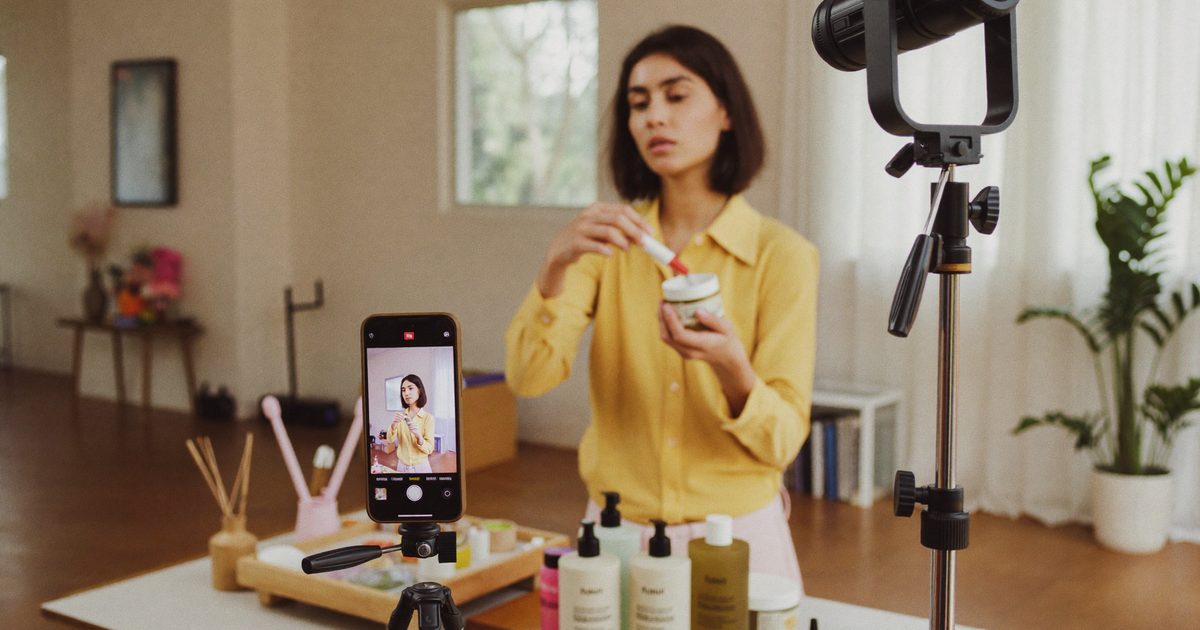
- Creator-produced UGC: Content made by a paid creator who films in the first-person style of a real customer, honest tone, home setting, genuine reaction, but is contracted and briefed by the brand. This content looks authentic because the format is authentic, even though it is commissioned. It is typically used as paid ad creative rather than posted on the creator's own channel.
Top e-commerce brands use both. Organic UGC builds social proof without ad spend. Creator-produced UGC gives you a reliable supply of scroll-stopping video that performs like word-of-mouth even inside a Meta or Google ad.
One important note for Indian brands: ASCI (Advertising Standards Council of India) guidelines require that any paid or gifted content must be clearly disclosed, a "#ad", "#collab", or "#sponsored" label is mandatory when the creator posts it publicly on their own channel. Brands that skip this disclosure risk ASCI complaints and reputational damage. For content used only as brand-side paid ads (not posted on the creator's profile), standard ad disclosures under the digital ad guidelines apply.
Why Indian Shoppers Respond to It Differently Than to Brand Ads
Indian e-commerce has a trust problem that is worth naming plainly. A shopper browsing Meesho, Nykaa, or a direct-to-consumer Shopify store cannot touch or smell the product. Brand photography is polished to the point of suspicion. But a real woman from Pune, speaking in Marathi-accented Hindi, holding up a kajal and saying "yeh actually smudge nahi hoti, maine test karke dekha", that lands differently. She has no obvious incentive to lie.
Three specific things drive this:
- Language and relatability: A skincare brand based in Mumbai might sell across Tamil Nadu, West Bengal, and Rajasthan. A creator shooting content in Tamil or Bengali for those specific audiences converts far better than a single Hindi-only brand video.
- Platform context: Instagram Reels and YouTube Shorts are feed-native environments where creator-style content does not stand out as advertising. A polished brand ad looks like a brand ad. A creator holding a product in natural light looks like a recommendation.
- Specificity of claims: Good UGC addresses the exact objection a buyer has. "Will this moisturiser feel heavy in Mumbai humidity?" A 30-second creator video answering that specific question outperforms a generic benefits montage almost every time.
The Formats That Actually Work in Indian E-commerce
Not all customer content formats are equally effective. Here is what consistently performs well across Indian D2C categories:
- Hook-problem-solution Reels (15–30 seconds): Creator opens with a relatable pain ("I kept getting oily skin by noon"), names the product, shows a fast result. This format dominates Meta feed ads for beauty, personal care, and food supplements.
- Unboxing with commentary: Particularly effective for fashion, electronics accessories, and gifting brands. The creator narrates genuine first impressions as they open the package. Works both as an organic post and as a paid ad.
- Before/after demonstrations: Common in weight management, haircare, and home cleaning. Indian audiences are highly responsive to visible transformation when it looks unedited and the creator speaks conversationally.
- Text-overlay silent videos: For users who scroll Instagram with sound off (a large segment), creators shoot a demonstration with on-screen Hindi or regional language text. These perform surprisingly well in Tier 2 and Tier 3 markets where data speeds vary.
- Screenshot-based review carousels on Instagram: For SaaS or service brands, screenshotted WhatsApp messages or email reviews compiled into a swipeable post create social proof at near-zero production cost.
How Top Brands Build a Content Pipeline (The Practical System)
The brands that win with customer content are not just collecting the occasional customer video. They have a pipeline. Here is how it typically works at brands doing this well:
- Step 1, Define 4–6 core briefs: Rather than asking creators to do whatever they want, successful brands give specific briefs: target audience (e.g., working women 25–35 in metro cities), hook options, key claim to make, call to action. The brief does not script every word, that kills authenticity, but it anchors the content.
- Step 2, Source creators by audience match, not follower count: A creator with 8,000 followers in Bengaluru who regularly posts skincare content is worth more to a skincare brand than a 200,000-follower lifestyle influencer who covers everything. UGC-specific creators are not influencers; they are content producers.
- Step 3, Test creatives in paid ads before scaling: Most brands launch 4–8 variants of the same message with different creators, hooks, and formats. Meta's ad auction tells you which one wins within Rs.3,000–5,000 of spend. Only then do you scale the budget behind the winner.
- Step 4, Repurpose across touchpoints: The same 30-second creator video that runs as a Meta ad can be embedded on the Shopify product page, added to an abandoned-cart WhatsApp message, or used in a Google Performance Max asset group. One video, five placements.
- Step 5, Refresh every 4–6 weeks: Indian social feeds move fast. A video that was new in January feels old by March. Brands with a standing creator roster can refresh creatives on a monthly cadence without starting from scratch each time.
The brands we see scale fastest are not the ones with the biggest production budgets, they are the ones with the most organised briefing process. Ten tightly briefed videos beat fifty vague ones every time.
Real Numbers: What This Costs and What It Produces
For brands new to this, budget expectations matter. Here is a realistic picture of the Indian market in 2025–26:
- Single UGC video (creator-produced, no posting rights): Rs.2,500–8,000 per video depending on creator experience and product category. Fashion and food tend to be lower; tech accessories and health supplements higher due to complexity.
- Monthly UGC content package (agency-managed, 8–12 videos): Typically Rs.60,000–1,20,000 per month for a managed service that includes creator sourcing, briefing, quality review, and usage rights for paid ads.
- What brands spend on testing: A reasonable first test is Rs.15,000–25,000 in Meta ad spend across 4–6 variants over two weeks. That is enough data to identify a winning creative direction before committing serious budget.
- Return benchmark: Brands in beauty and personal care typically see a 2–4x ROAS on winning UGC creatives within the first 60 days of an optimised campaign, though this varies significantly by category, landing page quality, and offer.
These numbers are starting points, not guarantees. But they give new brands a concrete sense of what is realistic versus what sounds too good to be true.
Three Mistakes Beginners Make (and How to Avoid Them)
Most brands that try customer content and declare it "doesn't work" made one of these errors:
- Treating UGC like a photoshoot: Over-directing creators, asking them to re-shoot until the video looks like an ad, or adding heavy editing and branded graphics. The result looks exactly like a brand ad and loses all trust value.
- Skipping the hook: The first two seconds of a Reel or Short determine whether someone watches or scrolls. Creators who open with "Hi guys, today I'm going to show you..." lose the audience before the product appears. In our production work, we brief creators to open mid-action or with a single punchy line that names the problem.
- Using one video forever: A single creator video is not a strategy. The brands that see sustained results treat content like a subscription, a steady, monthly supply of new material that keeps ads fresh and tests new messages continuously.
Customer content done right is one of the most cost-efficient growth levers available to Indian e-commerce brands at any stage. Whether you are launching a new D2C brand or scaling an established one past Rs.1 crore per month, the system works at both ends of that spectrum, the brief quality and the testing discipline matter far more than the budget size.
If you want to understand what a structured UGC content programme would look like for your specific category and audience, the team at The UGC Agency offers a free consultation where we map out creator formats, content volume, and testing budgets based on your actual goals.