Sports products are unforgiving to market through polished brand creative. A perfectly lit studio video of a protein tub or running shoe tells a buyer almost nothing about whether it survives a 6 AM track session in Chennai's humidity or holds up under a badminton player's lateral cuts. That gap, between what brand ads show and what buyers actually need to know, is exactly where UGC earns its keep.
At The UGC Agency, about 30% of our briefs come from sports, fitness, and active-lifestyle brands: D2C supplement labels, equipment startups, athleisure lines, and sports nutrition importers. The production work we do for them follows a specific methodology that looks nothing like a generic lifestyle shoot. Here is how we actually approach it, from briefing to deliverable.
Start With the Doubt, Not the Product
The first question we ask any sports brand client is: what is the one thing your buyer does not trust about you yet? For a protein powder brand launching in Tier-cities across India, it might be "does it actually mix without clumps?" For a resistance band set priced at Rs.1,800, it might be "will it snap after two weeks?" For a running shoe brand competing with established names, it might be "is the cushioning real or just marketing?"
That specific doubt shapes the entire UGC brief. We do not instruct creators to show a pretty workout and mention the product. We brief them to demonstrate the exact proof point that breaks the doubt. Every deliverable has to answer that one question visually, no script, no claim, just evidence on camera.
This is also where ASCI guidelines become directly relevant. Under ASCI's updated influencer disclosure rules (mandatory since 2021 and further tightened in 2023), any creator who has received payment, free product, or any material benefit must disclose it clearly, using labels like #Ad or #Sponsored placed prominently at the beginning of a caption or within the first few seconds of a video. For sports products that make performance-related claims ("recover faster", "build muscle in 30 days"), ASCI additionally requires that claims be substantiated. We brief creators to stick to observable, first-person experience rather than clinical-sounding assertions, which keeps content compliant and, frankly, more believable anyway.
Creator Casting for Sports: Why Generic Fitness Creators Often Fail
The default instinct is to find fitness influencers with large followings. In our experience, this is often the wrong call for sports-specific products. A Delhi-based macro-fitness influencer with 400K followers may have almost no credibility with the niche audience buying cricket grip tape or indoor cycling gear.
For sports UGC, we prioritise three creator profiles:
- Activity-specific micro-creators (10K–80K followers): Someone who posts about marathon running in Bengaluru or powerlifting in Pune has a highly engaged, trust-dense audience that relates directly to the product use case. Conversion intent is significantly higher than from a generic fitness creator.
- Verified practitioners: Coaches, physiotherapists, or certified trainers who use products in a professional context. Even if their following is small (sometimes under 5K), their credibility adds enormous weight to the video, particularly for supplements and recovery gear where buyers are cautious.
- Aspirational everyday athletes: People who are visibly not elite but are genuinely training. A 35-year-old accountant in Ahmedabad who runs half-marathons on weekends is deeply relatable to the actual buyer of a mid-tier running shoe. Her video showing the shoe on a rainy road near SG Highway outperforms a polished ad every time.
We typically cast 4–6 creators per campaign with deliberate variation across these profiles, cities, and languages. For brands targeting Hindi-speaking markets, Hindi-language UGC consistently outperforms English content on Meta's Reels and YouTube Shorts placements, a data point we see repeatedly in our clients' ad dashboards.
The Formats That Actually Work for Sports Products in 2025
Not all short-form video formats perform equally for sports content. Based on what we see running as paid ads across Instagram Reels, YouTube Shorts, and Moj/Josh (which retain meaningful reach in Tier-2 and Tier-3 markets), here are the formats we brief most frequently:
- The "Before and After Use" split: Creator shows product pre-workout and mid-workout or post-workout. Works exceptionally well for recovery products (protein shakes, creatine, cooling sprays), where the physical or performance contrast is visible. Keep it under 30 seconds.
- The Stress Test: Creator deliberately subjects the product to the hardest possible real-world conditions. We briefed one creator to use a sports water bottle across a full 10K run in Hyderabad's April heat and check for leaks. That single video became a top-performing ad for six weeks. No script, no voiceover, just the test and the result.
- The "Honest Week" series: Three to five short clips (15–20 seconds each) showing the creator using the product every day for a week, ending with a genuine verdict. Works well for supplements, resistance equipment, and training accessories. The serialised format builds anticipation and works as both organic content and a retargeting sequence in paid campaigns.
- The Comparison Walk-through: Creator holds up two products side by side, the brand's and a common alternative, and explains the difference from their own use. This format is especially effective for protein powders competing with cheaper imported alternatives and for shoes competing on price-to-quality perception. ASCI caution applies here: comparison claims must be factual and verifiable; we coach creators to stick to personal experience statements ("for me, this felt softer underfoot") rather than absolute superiority claims.
Production Specifics We Control on Every Brief
UGC is creator-led, but it is not unguided. For sports products, we give creators a structured brief that covers environment, motion, and audio, three factors that determine whether a sports video looks authentic or like a staged brand shoot.
- Environment: We specify actual training locations. Not a gym with the brand's banner in the background, but a public track, a real apartment terrace, a local sports court. For a brand selling yoga mats, we asked one creator to film in her actual living room during a 7 AM session, the morning light, the unfolded mat, and the slightly messy bookshelf behind her built more credibility than any aspirational backdrop.
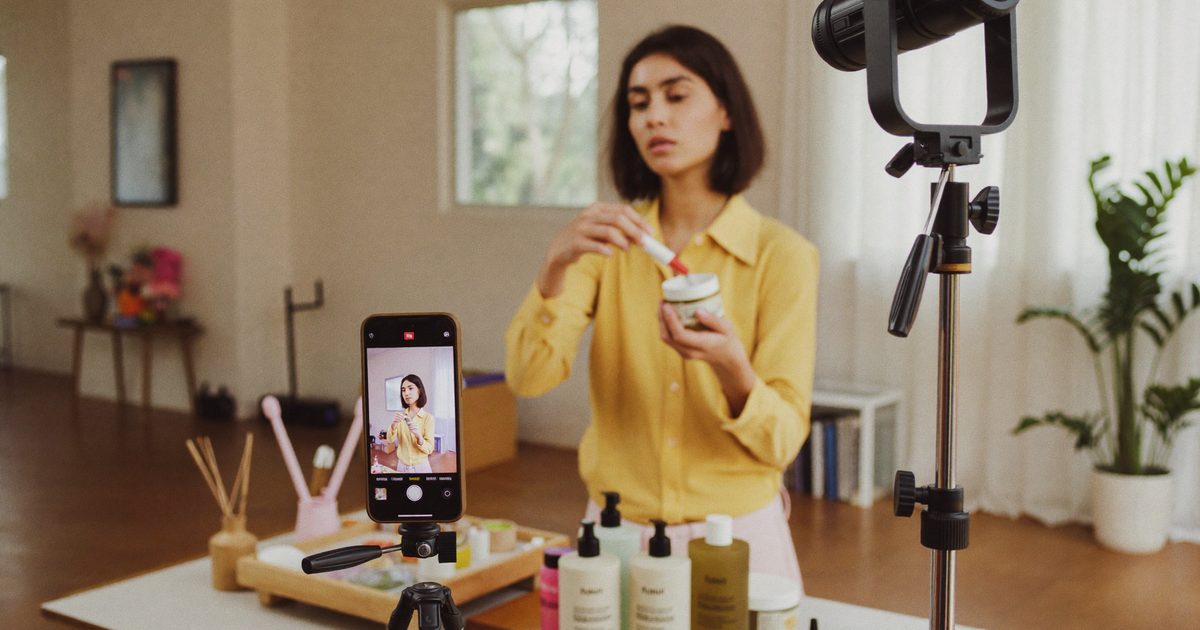
- Motion: Sports videos need to show the product in motion to prove its fit. We brief creators on basic phone stabilisation techniques (propping on a water bottle for a flat-angle shot, using the slow-motion setting at 240fps for gear-in-action shots on an iPhone 14 or above) so we do not need a camera crew on location. Most of our creators shoot entirely on their smartphones; the content quality from a well-briefed creator with a Pixel 7 or iPhone 13 is production-ready for Meta Ads.
- Audio: In-person voiceover, the creator talking naturally to camera while doing something physical, almost always outperforms clean voice recorded separately. The slight breathiness and ambient background noise read as real. We ask creators to avoid background music during talking segments; music can be added in post if needed for non-dialogue sections.
From UGC Shoot to Ad-Ready: How We Build the Final Asset Set
A single creator video rarely goes live as-is. We typically request two to three raw clip variations from each creator, different hooks, different angles, same core content, and then our post-production team builds out a set of four to six cut-downs for different placements:
- 9:16 full-length Reel (45–60 seconds) for organic and prospecting ads
- 9:16 trimmed hook + proof (15–20 seconds) for retargeting
- 1:1 square crop for Feed placements
- Optional: a 6-second bumper with product close-up and CTA, for YouTube pre-roll
For a sports brand spending Rs.80,000–Rs.1,50,000 per month on Meta Ads, this asset structure means the campaign never runs the same creative twice in a retargeting window, which materially reduces frequency fatigue without requiring new shoots every two weeks.
"We shot eight raw clips across three creators over two days. The production team turned those into 22 ad-ready assets. That single content batch ran for 11 weeks across our Instagram and YouTube campaigns before we refreshed it.", D2C sports nutrition brand, Pune
Measuring What Matters for Sports UGC Specifically
For sports brands, the metrics we track go beyond standard ROAS. The content itself should be building category trust, especially for newer brands competing against established imported names. We look at:
- Hook rate (3-second view-through): Sports content with motion in the first two seconds typically holds viewers longer. If a video is losing more than 70% of viewers in the first three seconds, the opening is usually too static, a common issue when creators open by holding the product to camera rather than using it.
- Comments with specific questions: "Does this work for outdoor running?" or "What flavour did you use?" indicates the video created genuine purchase consideration. Generic positive comments ("nice!") indicate reach without intent.
- Save rate on organic: Sports content that viewers save for later, workout routines using the product, recipe videos for protein supplements, builds a remarketing pool without ad spend. For supplement brands doing organic seeding alongside paid, saves are a leading indicator of future conversion.
If your sports brand has been running the same studio creative for more than 60 days, or if your comment sections are full of questions your ads never answer, that is the gap UGC is built to close. The The UGC Agency team works with active-lifestyle and sports brands across India to build content that earns trust before it asks for the sale. Talk to us about your next product launch, we will walk you through a brief before we quote anything.