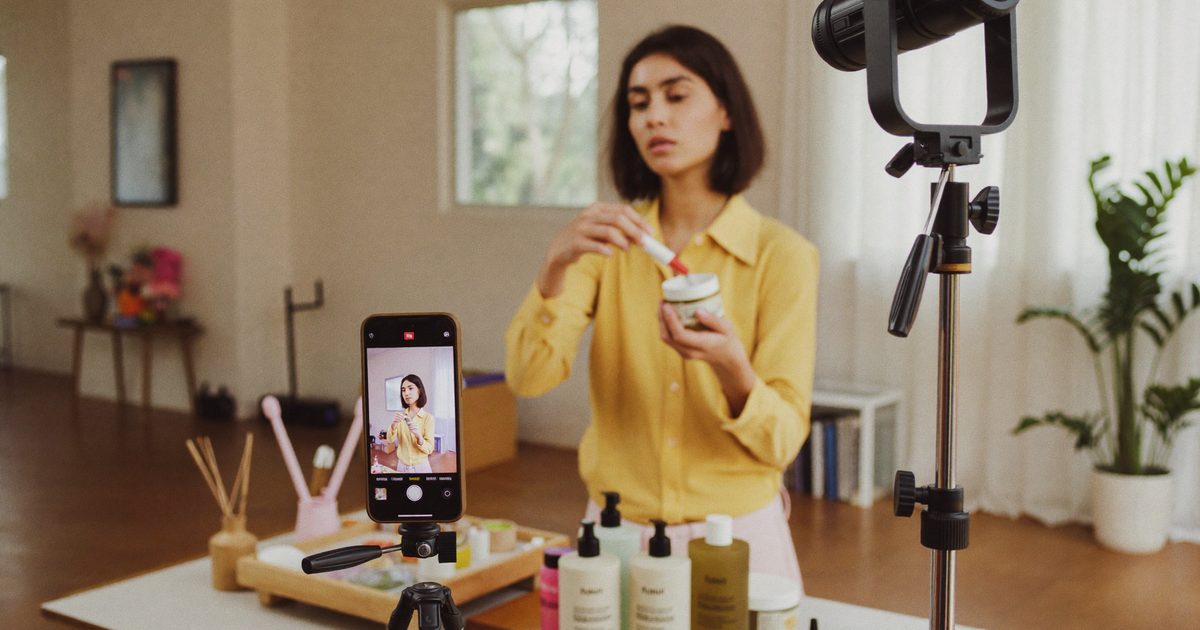
A Labrador puppy refusing to eat a new kibble brand, a Persian cat batting at a feather toy for the first time, a golden retriever's ecstatic reaction to a dental chew, these five-second moments, filmed casually on a phone in a Mumbai apartment or a Bengaluru balcony, are outperforming polished studio ads for India's fastest-growing pet care brands. If you are a brand selling dog food, cat litter, grooming products, or pet supplements in India and you have not yet tapped into user-generated content, this guide will walk you through everything you need to know, from scratch.
India's pet industry crossed Rs.3,500 crore in 2024 and is growing at roughly 20% year-on-year. Brands like Drools, Pedigree, Heads Up For Tails, and a wave of D2C newcomers are all competing for the same pet-parent eyeballs, mostly on Instagram Reels and YouTube Shorts. In that environment, authentic pet-owner content cuts through in a way that no agency shoot can replicate. Here is how to actually make it work.
Why Pet Care UGC Works Differently Than Other Categories
Pet content has a built-in advantage: the animal itself is the proof. When a creator says "my dog absolutely loves this salmon oil and his coat has changed in three weeks," the golden retriever sitting beside her, shiny fur, wagging tail, is the world's most credible testimonial. No human model can do the same job.
This matters because pet-parent buying decisions in India are driven heavily by fear and trust. First-time dog owners in Pune or Hyderabad worry about ingredients, sourcing, and whether a product is safe. A fellow pet parent demonstrating safe, happy use of a product bypasses those objections faster than any claim on your packaging. UGC also works exceptionally well for repeat-purchase categories, food, treats, supplements, where brand loyalty builds through consistent positive experiences shown by real owners.
Finding the Right Creators for Pet Care UGC
You do not need a creator with 500,000 followers. For pet care, micro-creators between 5,000 and 80,000 followers on Instagram typically deliver stronger results because their audiences are tight, engaged communities of pet lovers who trust their specific recommendations. Search Instagram hashtags like #dogsofindia, #catstagram_india, #goldenretrieversofindia, or breed-specific tags like #labradorindia or #persiancat to find authentic pet accounts.
What to look for when shortlisting:
- The pet actually appears in content regularly, not just a stock photo backdrop. The animal needs to be a real character in the creator's world.
- The creator's city matters for products with regional relevance. A Bengaluru-based creator reaching urban millennial pet parents is different from a creator in Jaipur speaking to a more traditional pet-keeping household. Both audiences buy, but they respond to different messaging.
- Language fit, Hindi-speaking audiences in Delhi or Lucknow convert better on Hindi or Hinglish content; Tamil creators work for Chennai audiences. Do not default to English-only UGC for pan-India campaigns.
- Engagement quality over quantity, look at comment sentiment. Pet communities tend to leave very specific comments ("which flavour is this?", "does it help with shedding?") that signal real purchase intent.
Formats That Actually Convert for Pet Care Products
Not every video format performs equally. Based on what we see working across pet care campaigns, these are the formats worth briefing:
- The first-reaction video: A creator opens a package and introduces the product to their pet in real time. The animal's reaction, sniffing, eating, playing, is the centrepiece. Keep it under 30 seconds. No voiceover needed; let the sounds (crunching, purring, tail-wagging) do the work.
- The before/after transformation: Particularly effective for grooming products, dental hygiene items, and supplements like omega oils or joint care. A 15-day split showing coat condition, energy levels, or dental health (with a vet's general endorsement if possible) builds massive credibility. In our production work, we always ask creators to film the "before" footage before the product is even sent, so it captures genuine baseline state.
- The routine video: "My dog's morning routine" or "how I care for my Persian cat", the product appears as a natural part of daily life rather than a sponsored placement. These feel least like ads and are the most shareable within pet communities.
- The problem-solution hook: "My husky kept refusing dry food until I tried this" or "my cat was losing fur and this is what we did." A specific, relatable problem stated in the first two seconds drives saves and shares from pet parents facing the same issue.
- Multi-pet household content: If a creator has both a cat and a dog, or multiple dogs, showing competitive reactions or a multi-pet feeding setup generates organic curiosity and watch time.
Briefing Creators: What to Specify and What to Leave Open
A good creator brief for pet care UGC is tight on facts and loose on creative execution. Over-scripting kills authenticity, which is the entire point.
What to lock in your brief:
- Product claims that are factually accurate and ASCI-compliant. India's Advertising Standards Council of India guidelines require that claims like "veterinarian recommended" or "clinically tested" be substantiated. Do not ask a creator to say your product is vet-approved unless it genuinely is, the creator's credibility and your brand's can both take a hit on a fact-checked post.
- The #ad or #sponsored disclosure in the caption, per ASCI influencer guidelines (mandatory since 2021). We brief creators to place the disclosure at the start of the caption, not buried in hashtags.
- Specific product features you want mentioned: e.g., "cold-pressed, no preservatives" or "made with real chicken, FSSAI certified."
- Any ingredients or claims to avoid, for example, if your dog food contains a protein that some vets advise limiting for certain breeds, a creator should not position it as universally safe.
What to leave open:
- Exactly how the creator talks to their audience, their voice, their pet's name, their usual filming style.
- The specific setting. A creator's house, their park, their usual backdrop is what makes the content feel native.
- The emotional angle, if the creator naturally leans into humour (like many popular dog-parent accounts), let them.
We brief creators to own the story, not recite a script. The brief gives them the facts and boundaries; the creativity is theirs. That tension between structure and freedom is where the best pet content comes from.
Production Basics: Getting Good Footage from Creators
You do not need a professional shoot for UGC, but you do need footage that is technically watchable. Most creators already know this, but a few reminders in your brief prevent reshoots:
- Natural light is non-negotiable for pet coats. Golden hour near a window makes a dog's fur look genuinely healthy. Overhead fluorescent light flattens everything. Ask creators to film near natural light.
- Film the pet at eye level, not from standing height looking down. Eye-level shots are more intimate and perform better in feed.
- Capture audio carefully. The sound of a dog crunching a treat, a cat's purr, or a kibble bag being opened are sensory triggers for pet parents watching on mute with sound-on moments. A phone mic within 50 cm is enough.
- Shoot vertical (9:16) for Reels and Shorts. Even if the creator plans a square post, vertical footage can be cropped; the reverse is much harder.
- Send enough product for multiple filming days. Pets do not perform on cue. If a creator only has one bag of treats and the dog doesn't respond the way they hoped on day one, you want them to have enough product to try again naturally over a week.
How to Use Pet Care UGC Across Platforms and Paid Media
Organic posting is the starting point, but UGC's real value for pet care brands multiplies when you put paid budget behind it. A 30-second Reel of a real dog enthusiastically eating your kibble, run as an Instagram or Meta ad targeting pet-owner interests in Tier-cities across India, will consistently outperform a studio creative, typically at a lower cost per click, because the content does not trigger the "this is an ad" mental filter.
Practical deployment steps:
- Get usage rights in writing when you commission the content. Specify that rights cover organic and paid use, for the platforms listed, for a defined period, typically 6 to 12 months. This is especially important if you are running Meta Advantage+ campaigns where the algorithm serves the best-performing creative automatically.
- For YouTube Shorts, pet content performs well as a 6-second bumper showing the animal's reaction, no narration needed, just a quick emotion hit with a product logo end-card.
- On WhatsApp Business, pet care brands with loyalty programs can share UGC clips in broadcast lists to existing customers as social proof for new product launches. This is more personal than an email and conversion rates are meaningfully higher.
- For Amazon and Meesho listings, creator-filmed product photos of the pet actually using or wearing the product outperform stock photography for search conversion, especially in competitive categories like dog beds or cat toys.
Budget Expectations for Pet Care UGC in India
To give you a realistic starting point: a micro-creator with 10,000–50,000 followers and an engaged pet account typically charges between Rs.3,000 and Rs.12,000 per Reel in India, depending on their engagement rate, the effort involved, and whether you are asking for exclusivity. Adding paid usage rights on top usually adds 20–40% to the base fee.
For a meaningful test, say, four creators across different cities, each producing two content pieces, you are looking at roughly Rs.40,000 to Rs.80,000 in creator fees, before any paid amplification budget. That is a fraction of what a single day of studio production costs, and you get content that is genuinely more persuasive for the category.
If you are launching a new pet care brand or expanding into a new product line, starting with 6–8 well-briefed micro-creators across Bengaluru, Mumbai, Delhi, and Chennai gives you geographic spread and enough creative variety to test what messaging and format resonates before you scale.
Pet care is one of those rare categories where the product essentially markets itself, if the right owner with the right pet tells their community an authentic story about it. The work is in identifying those creators, briefing them intelligently, and getting the content in front of the right audiences. If you want help building a UGC strategy for your pet care brand, from creator sourcing through to paid deployment, talk to our team for a no-obligation walkthrough of what a campaign would look like for your specific product and budget.