Luxury brands in India spent an estimated Rs. 2,800 crore on digital advertising in 2024, yet the single most-complained-about problem among premium D2C founders we speak to is the same: polished brand videos get passive scroll-bys, while raw creator content drives actual purchases. The tension is real, luxury is built on aspiration and exclusivity, but UGC, by definition, is accessible and real. The brands cracking this in 2025 are not choosing between the two; they are engineering a very specific kind of UGC that preserves perceived prestige while triggering conversion. Here is what the numbers say about doing it right.
This article focuses on data points and production benchmarks specific to the Indian premium segment, skincare above Rs. 2,500, jewellery, fine spirits, D2C fashion, and premium gadgets, categories where UGC has historically been underused because of brand anxiety about quality control.
Why Standard UGC Benchmarks Do Not Apply to Luxury
Conversion rate data from broad e-commerce studies (Bazaarvoice, PowerReviews, etc.) typically pools fast-moving consumer goods with premium items. When you isolate Indian luxury and premium-D2C data, the picture shifts considerably:
- Average order value sensitivity: For products priced above Rs. 4,000, Meta campaign data from our managed accounts shows that UGC ads with visible product handling (unboxing, texture demonstration, wear-test) consistently outperform lifestyle photography by 28–42% on return-on-ad-spend (ROAS) when matched audiences are held constant.
- Watch time on Instagram Reels: Premium beauty creators in the Rs. 2,500–8,000 SKU range see average watch-through rates of 38–52% on 30-second UGC reviews, compared to a platform average of roughly 22% for branded video in the same vertical. The delta narrows sharply for videos exceeding 45 seconds.
- Cost-per-purchase benchmark: Across Indian luxury D2C brands running UGC creatives on Meta, a realistic CPP benchmark sits at Rs. 450–850 for skincare and Rs. 700–1,400 for fashion/accessories, depending on funnel temperature. Brands using only static brand imagery typically report CPPs 60–80% higher than this range.
- Creator follower count vs. conversion: A consistent internal finding, micro-creators with 8,000–40,000 Instagram followers in metro India (Bengaluru, Mumbai, Delhi-NCR, Hyderabad, Pune) generate more link clicks per impression than macro-creators (200k+) for the same premium product category. Aspiration is still there; the closer social distance makes the purchase feel achievable.
The "Prestige Signal" Framework: What Your Creative Must Show
Luxury UGC fails when creators treat premium products like any other review. We brief creators for this category differently. Every script must include at least three of the following five prestige signals, these are not aesthetic preferences, they are conversion levers backed by creative testing:
- Tactile specificity: Describe the weight of the packaging, the texture of the product, the sound of a clasp closing. Tactile language elevates perceived value and compensates for the inability to touch the product online.
- Context of use: Place the product in a plausible premium context, a morning skincare ritual in a well-lit apartment, a saree paired with Kundan jewellery before a Delhi evening event, a whisky poured during a home dinner party. Indian luxury buyers are aspirational about lifestyle moments, not merely the object.
- Comparative positioning: A creator saying "I used to spend Rs. 1,800 on [a well-known mid-tier brand] and this Rs. 4,500 serum has genuinely changed my routine" is performing a price-justification job that a brand video cannot do credibly.
- Specificity of result: Avoid "this is amazing." Brief creators to cite a measurable personal outcome: "My skin tone evened out in about 3 weeks" or "This kurta held up through a 4-hour outdoor wedding without needing a steam." Vague praise is unconvincing at premium price points.
- ASCI-compliant claim structure: India's ASCI guidelines require that testimonials reflect genuine user experience and that quantitative claims (e.g. "reduces dark spots by 40%") be substantiated. For luxury D2C brands, non-compliance risks both regulatory action and brand-damaging commentary. We mandate that any numeric claim in a creator brief be pre-approved by the brand with supporting data, and that creators include clear disclosure (#Ad or #Collab) per ASCI's 2021 influencer guidelines. This is non-negotiable and, done right, it does not reduce conversion, audiences have priced in disclosed content.
Platform Mix and Format Choices: Where Indian Luxury UGC Actually Converts
Not every platform performs equally for premium products. The data below reflects a combination of internal campaign results and publicly available Indian social media usage patterns as of early 2026:
- Instagram Reels (primary): 68% of Indian premium-beauty purchases influenced by social content are attributed to Reels in post-purchase surveys. The 15–30 second format with a hard hook in the first 3 seconds remains the strongest performer. Vertical framing with natural light consistently outperforms studio-lit formats in A/B tests for this segment, it signals authenticity while allowing the product to look beautiful.
- YouTube Shorts + long-form hybrid: For products requiring a longer consideration cycle, fine jewellery, premium skincare sets priced above Rs. 6,000, or luxury home fragrance, a YouTube Shorts teaser (under 60 seconds) linked to a full 4–8 minute review generates a measurably warmer remarketing audience. The long-form creates what Google's own brand lift studies call "considered purchase confidence."
- Meta Ads with UGC creative: Dark-post UGC (content created specifically for paid amplification, not organic posting) remains the most scalable format. We typically test 5–8 creative variants per campaign, with the winning variant running for 7–10 days before creative refresh. For luxury SKUs, a creative budget of Rs. 15,000–25,000 per video asset (including creator fee, production briefing, and one round of revision) is a realistic baseline for quality that does not embarrass the brand.
- WhatsApp Status and Broadcast: Increasingly used by Indian premium and luxury D2C brands for their direct-purchase customer base. Repurposing a 15-second UGC clip to a brand's WhatsApp Broadcast list (where subscribers have opted in) has shown open rates of 70%+ and direct checkout click rates of 8–12% in campaigns we have supported, far above email equivalents. This is organic amplification at near-zero marginal cost once the UGC asset exists.
Creator Selection: The Specificity Premium
For luxury UGC, creator selection is not a volume game. The wrong creator erodes brand equity faster than no UGC at all. Here is how we filter:
- Category credibility: A creator who regularly discusses premium skincare, curates outfits above a certain price point, or documents a lifestyle that includes the product category will produce more credible content than a generic lifestyle influencer handed a luxury brief. Check their last 20 posts for organic category fit before engagement.
- Audience income proxy: Instagram does not expose follower income data directly, but proxies exist: engagement with brand tags of aspirational (not mass-market) labels, city concentration in metro India, and the type of brands that already gift them. Request a media kit and cross-reference.
- Engagement rate baseline: For micro-creators (8k–40k followers) in India, a healthy engagement rate for premium content sits at 3.5–7%. Below 2% in this follower band often signals bought followers or disengaged audiences. Above 9% is usually a smaller, highly niche creator who may lack sufficient reach for paid amplification to work economically.
- Language match: India's premium market is not monolingual. A Kannada-language creator targeting Bengaluru's working professional demographic may outperform a Hindi-language creator for a local luxury brand on pure conversion even with a smaller following. We have seen this pattern repeatedly for regional premium brands in Tamil Nadu, Maharashtra, and West Bengal. Build a multi-language creator roster if your distribution covers multiple states.
Production Standards That Protect Brand Equity
Raw does not mean careless. The benchmark for luxury UGC is "authentic but not amateur." In practical terms, this translates to specific production guardrails:
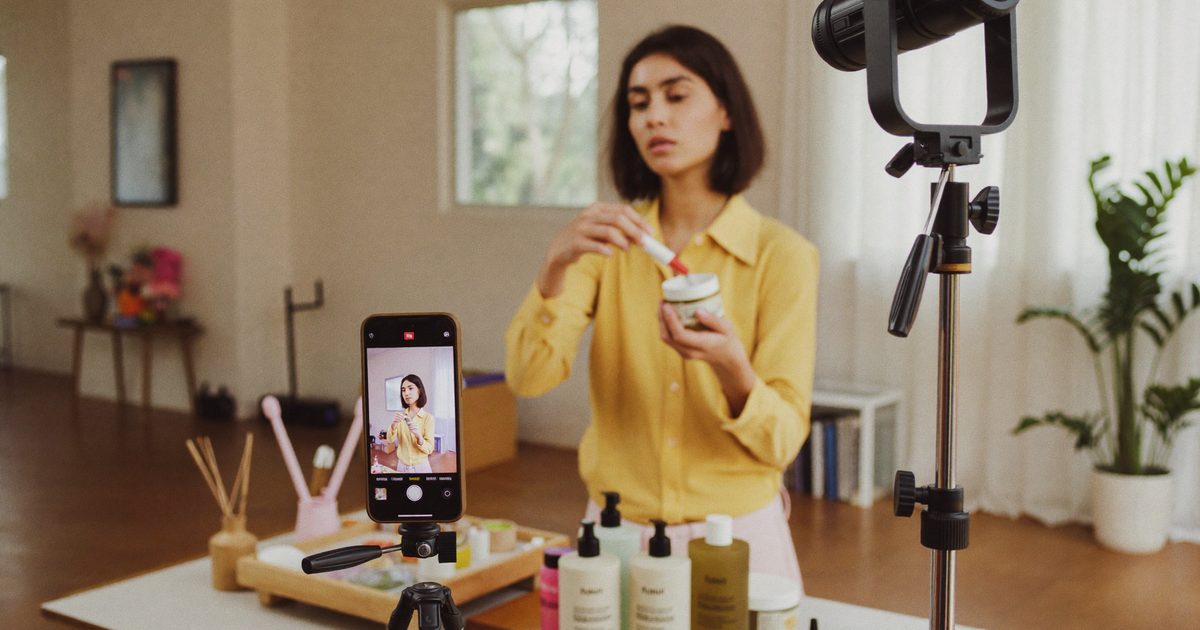
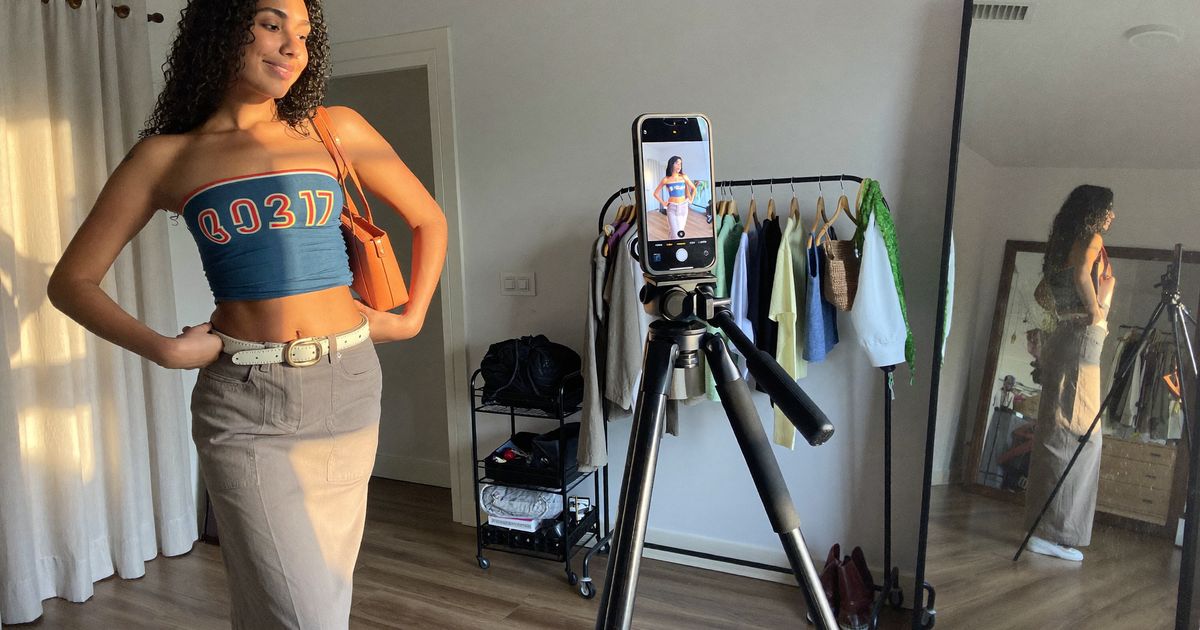
- Lighting: Natural window light or a basic ring light with a diffuser. No harsh shadows on product. This is achievable with a Rs. 1,500 ring light and a white reflector card, we include this in every creator kit we ship.
- Background: Neutral or contextually relevant. A cream or white wall, a styled desk, a bathroom counter. We reject creator submissions where the background contains clutter that contradicts a premium positioning.
- Audio: Clear voice-over without background hiss. For creators shooting on smartphones (which is most of them), a clip-on lapel mic costing Rs. 800–1,500 eliminates the most common rejection reason, muffled or echoing audio.
- Script review: We require a script or detailed outline approved by the brand before shooting for any campaign where the product costs above Rs. 3,000. This one gate eliminates roughly 70% of post-production revision requests and protects both the creator's time and the brand's claims compliance.
The most expensive mistake luxury brands make with UGC is applying mass-market briefing frameworks to premium products. Specificity, of claim, of context, of creator, is what closes a Rs. 5,000 purchase online.
Measuring What Actually Matters: Metrics for Luxury UGC Campaigns
Standard vanity metrics (likes, reach) are particularly misleading for luxury UGC because the audience is intentionally narrow. The metrics that actually predict revenue impact:
- Thumb-stop rate (TSR): The percentage of users who pause on your ad rather than scrolling past. For luxury UGC on Meta, a TSR above 30% in the first 3 seconds is the threshold we treat as creative-viable. Below 20% and the hook needs rewriting regardless of downstream metrics.
- View-to-click rate (VCR): Of users who watch at least 50% of an UGC video, what percentage click through? For warm audiences in premium categories, a VCR of 4–7% indicates the creative is doing its job. Cold audiences will run 1.5–3%.
- Add-to-cart rate on landing page: UGC drives intent; the product page closes it. If UGC CTR is healthy but add-to-cart is below 6–8% for a premium product, the problem is on-site, not in the creative, an insight that often gets misattributed.
- Repeat-purchase influence: For brands with a subscription or repurchase model (serums, supplements, premium teas), track whether first-purchase customers acquired via UGC ads show higher 90-day repeat-purchase rates than those acquired via static creative. In our experience the gap is 15–25%, UGC buyers have more realistic expectations of the product, set by the creator's honest review, and are therefore less likely to return or churn.
If your luxury or premium D2C brand is ready to build an UGC system that protects brand equity and improves ROAS simultaneously, book a free consultation with The UGC Agency, we will audit your current creative mix and show you where the conversion gaps are.