A macramé wall hanging photographed on a plain white wall looks like a catalogue page. The same piece styled on a textured Jaipur lime-plaster wall, with morning light pooling across it and a half-drunk cup of chai in the corner of the frame, that converts. The difference isn't budget; it's intentional direction. Home decor UGC lives or dies on this distinction, and it's something we have had to systematise carefully across briefs, because leaving it to a creator's instinct alone produces wildly inconsistent results.
Here is how we actually approach UGC production for home decor brands, from initial brief to final deliverable, drawing on the specific demands of Indian homes, Indian shopping behaviour, and the platforms where decor decisions are actually made.
Why Home Decor UGC Is a Different Discipline
Most UGC categories, supplements, skincare, apparel, are about transformation: a before and an after, a person who looks or feels different. Home decor doesn't work that way. The "transformation" is spatial and atmospheric, not personal. Buyers are imagining the product inside their home, not on someone else's body.
This creates a specific production challenge. Indian homes are diverse in a way that matters here: a 2BHK in Bengaluru has different light, ceiling height, wall colour, and furniture density than a kothi in Ludhiana or a coastal apartment in Kochi. When a brand briefs us on a rattan lamp or a handblock-printed bedsheet, we have to think carefully about which home aesthetic will resonate with the largest relevant audience on a given platform, and which will alienate them.
- Instagram Reels and Pinterest skew toward aspirational, curated aesthetics. Creators in metro cities, Mumbai, Bengaluru, Delhi NCR, with boho-minimal or maximalist-ethnic interiors perform well here.
- YouTube Shorts and Facebook skew toward relatable, real-home content. Tier-2 city creators showing a product in a lived-in bedroom or a small drawing room consistently get higher save rates from audiences that recognise their own living situation.
- Meesho and Flipkart seller review videos are a separate UGC ecosystem entirely, lower production bar, higher trust signal on price-sensitive SKUs.
The Brief We Actually Send Creators
A vague brief ("show the product in your home, tell us what you like about it") produces vague content. For home decor, our briefs specify the following, non-negotiably:
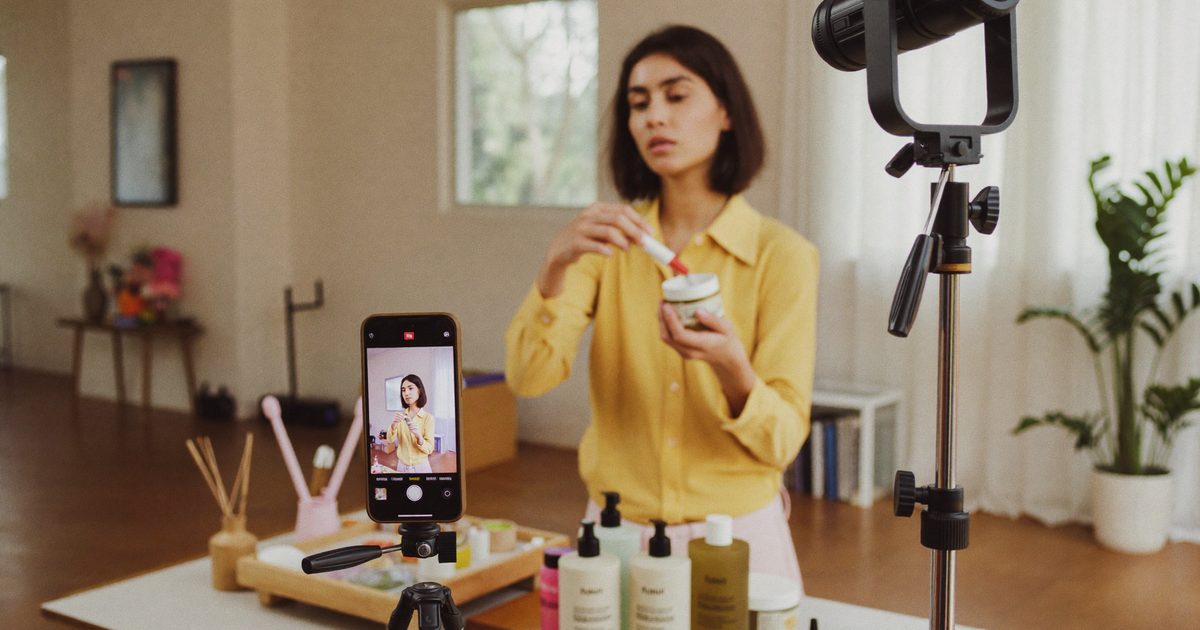
- Shot list with context requirements. We specify at minimum: one wide shot showing the product in context (visible surrounding furniture, walls, flooring), one close-up showing material or texture, and one "in use" moment, a candle actually lit, a rug with feet on it, a cushion on a sofa that is clearly being used, not staged.
- Lighting window. We ask creators to shoot only between 7–9 AM or 4–6 PM during winter months, or 6–8 AM and 5–7 PM in summer. Natural sidelight or window light at these hours solves 80% of the flat, overexposed home decor footage problem without requiring any equipment.
- Voiceover hook within 3 seconds. For Reels, we prescribe a specific hook structure: a problem or curiosity statement, not a product intro. "I've been trying to fix this corner for six months" outperforms "This is the [brand] macramé wall hanging" every time.
- ASCI disclosure placement. Under ASCI guidelines (effective 2021, clarified further in 2023), creators must disclose paid partnerships at the start of the video, not buried in captions or at the end. We include this in the script template, not as an afterthought, so it is on screen within the first two seconds.
"The brief is not a constraint on the creator's creativity, it is the minimum context they need to make a decision that serves both the brand and their audience. Without a lighting window, you get uneven content. Without a hook structure, you get product demos that start five seconds too late."
Styling Direction for Indian Home Contexts
Home decor UGC fails when the styling looks like it belongs to a Pinterest board from Scandinavia. Indian homes have specific aesthetic markers, carved wooden furniture, steel utensils in visible kitchens, fabric textures from Rajasthan or Kerala, brass accents, and creators who incorporate these naturally generate far stronger engagement from Indian audiences than those who strip their homes to a generic "neutral" aesthetic for the shoot.
When we brief for specific product types, our styling notes look like this:
- Textiles (bedsheets, cushion covers, curtains): We ask creators not to iron perfectly, slightly natural folds read as real and lived-in. We also ask them to show the product in a room that already has 1–2 other textiles visible, so the viewer can mentally place it in a coordinated scheme.
- Wall art and hangings: Height placement matters. We brief creators to hang at eye level or just above, never flush to the ceiling. We also specify what should be visible in the frame below the art, an actual surface with something on it (books, a small plant, a lamp) creates depth and context.
- Candles and fragrance decor: We always ask for a lit-candle shot with some ambient dim light in the background. A candle on a bright, white, fully-lit shelf looks like a product image. A candle in soft ambient light looks like a mood, which is what the buyer is actually purchasing.
- Storage and functional decor (trays, baskets, organisers): We brief these with actual objects inside them, keys, books, remote controls. An empty rattan tray on a white surface communicates nothing about how the product improves daily life.
Format Mix That Actually Converts
For home decor brands with a monthly UGC retainer in the Rs.60,000–Rs.1,50,000 range, we typically recommend the following content split across a month:
- 3–4 short Reels (25–40 seconds): Hook-driven, aspirational styling, light voiceover. Primary use on Instagram and Meta ad sets. These are the top-of-funnel pieces.
- 2 "process or reveal" videos (60–90 seconds): A before/after room corner, an unboxing-into-styled-shot sequence, or a "how I styled this" walkthrough. These perform better as YouTube Shorts and in the middle of a retargeting funnel because they hold attention and answer objections.
- 6–8 static UGC images: For carousel ads on Meta and for Pinterest pins. These carry higher click-through on desktop Pinterest browsing, which is still a meaningful traffic source for home decor purchases in India among the 25–40 demographic.
- 1–2 multilingual versions: For brands targeting Tier-2 and Tier-3 markets, particularly in Tamil Nadu, Maharashtra, or West Bengal, a Hindi or regional-language voiceover version of the top-performing Reel often delivers 30–40% lower CPM on Meta because the audience relevance score improves significantly.
Testing and Iteration: What We Track
Home decor UGC performance has some category-specific signals that brand teams often misread. A Reel with high saves but moderate views is not underperforming, saves are the primary conversion-intent signal for home decor. Someone saving a reel of a macramé piece is mentally bookmarking it for a future purchase. We brief clients to optimise paid amplification on save rate, not reach, for this category.
What we look at in the first 72 hours of a piece going live or being run as an ad:
- 3-second view rate vs. average watch time: If 3-second rate is high but watch time drops off before 10 seconds, the hook is working but the styling or pacing is losing them. We adjust the next brief accordingly.
- Comment sentiment: Home decor content generates specific comments, "where is this from?", "price?", "available in [colour]?", these are high-intent signals. A piece generating these comments even at modest reach is worth scaling with paid spend.
- DM volume on the creator's handle: For organic creator content, DM inquiries are a direct purchase-intent signal that doesn't show up in standard Meta or Instagram analytics. We ask creators to track and report this weekly during a campaign.
Common Mistakes We Catch in Footage Review
Before any creator footage goes to a brand, our team does a review pass. The most frequent issues we catch on home decor shoots:
- Overhead tube-light or harsh LED ceiling light that flattens texture and makes fabric look cheap. This is extremely common in Indian apartments. We now include a specific instruction: "switch off overhead lights before filming; use only natural window light or a softbox placed to one side."
- Product filmed in a rented or borrowed "nice" space that has no personality. Audiences can tell. A real home with modest furniture and a product placed naturally beats a minimalist Airbnb aesthetic every time for trust.
- Captions that only describe the product ("This is a handmade ceramic vase, 8 inches tall") rather than the feeling or context ("This has been on my dining table for three weeks and every guest asks where it's from").
- No price or purchase reference anywhere in the content. ASCI guidelines require disclosure, but beyond compliance, audiences for home decor are highly price-aware. A brief mention of value, "under Rs.1,500", "less than what I paid for similar ones at Fabindia", significantly increases click intent.
If your home decor brand is getting content that looks beautiful in isolation but isn't driving saves, DMs, or site traffic, the problem is almost always in the brief, not the creator. Structured production direction is the difference between UGC that fills a content calendar and UGC that fills a funnel. If you want to see how we'd approach this for your catalogue, the consultation page is a good starting point.