Fashion brands in India brief creators with a long checklist, the lighting must be perfect, the logo must be visible, the creator must mention the discount code exactly twice, and then wonder why the resulting videos get skipped in three seconds. The problem is not the creators. The problem is a set of deeply embedded assumptions about what makes fashion content "good" that are precisely wrong for UGC.
After working with D2C fashion labels ranging from Jaipur-based ethnic wear brands to Mumbai streetwear startups, we have seen the same five or six mistakes repeat themselves almost without exception. Getting these wrong does not just waste the Rs.8,000–18,000 per video you are spending, it trains your algorithm against you and burns creator relationships in the process. Here is what most brands get wrong, and what to do instead.
Mistake 1: Treating UGC Like a Polished Brand Film
The most common failure mode is over-production. Brands hand creators a shot list, a script down to the syllable, and specific wardrobe instructions, then expect the result to look "authentic." What they get instead is a video that looks like a branded shoot with a stranger's face on it, and Indian viewers, who are now extremely pattern-literate around ads, immediately clock it as one.
Fashion UGC works when the creator's personal relationship with clothing is visible. That means allowing them to style the garment their way, show it in their actual bedroom or lane outside their house, and talk about it in the language they actually use, including mixing Hindi and English, or speaking entirely in Tamil or Bengali if that is their audience. A creator from Indore who switches between Hindi and English naturally in conversation will perform better speaking that way than if she is forced into polished English for a brand that thinks it signals "premium."
- Brief for outcome, not execution: "Show us how you would wear this kurta to a day wedding" beats "stand in front of a white wall and hold up the product."
- Let creators keep their own editing style, jump cuts, trending audio, their usual caption format.
- A creator's bedroom with decent natural light is more trustworthy than a staged set for most fashion categories below Rs.3,000 per piece.
Mistake 2: Ignoring the Try-On Moment
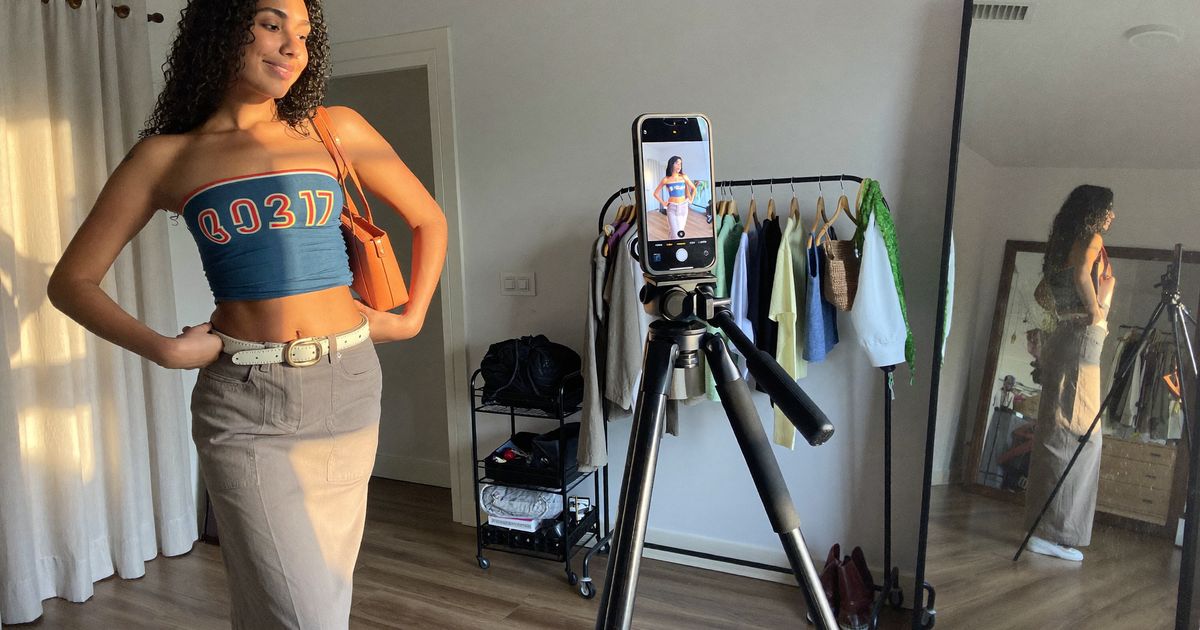
Fashion is tactile. People buying clothes online are anxious about fit, drape, and real-world colour, none of which product photography resolves. The most effective UGC format for Indian fashion brands is the real-time try-on: the creator opens the parcel on camera, tries the item on, and reacts honestly. A slight "the waist runs small, I usually wear a medium but this fitted better in large" is more valuable than five seconds of twirling, because it pre-empts the return anxiety that stops conversions.
Most brands we encounter are terrified of any negative qualifier in creator content. This is a mistake. ASCI guidelines (specifically the 2021 Influencer Guidelines) already require creators to disclose paid partnerships, Indian consumers are aware they are watching sponsored content. The only thing that rescues credibility in that context is honesty. A creator who says "the colour looked different on screen but honestly I prefer this darker shade in real life" is more persuasive than one who says everything is perfect.
- Include a sizing and fit note in every fashion UGC brief, make it mandatory for the creator to mention how the garment fits their body type.
- For ethnic wear especially, ask creators to show the garment in motion: a ghagra needs a twirl, a linen kurta needs a sitting shot, a lehenga needs a close-up of the embroidery in natural light.
- Unboxing + try-on combined in one Reel performs consistently better for fashion than static outfit shots, particularly on Instagram where save-rates drive reach.
Mistake 3: Casting by Follower Count Instead of Fit
A creator with 80,000 Instagram followers in Delhi posting about a Rajkot-based kurta brand is a worse bet than a micro-creator with 9,000 followers whose audience is exactly the buyer, women in the 25–40 age range who shop ethnic wear regularly and engage actively. Indian fashion is deeply regional and occasion-specific. A salwar-kameez brand from Ludhiana needs creators whose followers actually buy salwar sets, not general lifestyle creators who once wore a kurta for Navratri.
We brief creators based on three things before follower count: audience location (does their follower geography match the brand's shipping markets?), past fashion content engagement (do their outfit posts get saved and commented on, or just liked?), and style alignment (would this creator genuinely wear this brand, or does it look forced?). A mismatch on any of these produces content that even the creator's own audience will not engage with.
- Ask for creator media kits that show city-wise audience breakdown, most serious creators have this from Instagram Insights.
- For brands with pan-India aspirations, build a creator mix: one Hindi-speaking creator, one Tamil or Telugu creator, one creator from a Tier-2 city like Bhopal or Coimbatore where aspirational fashion buying is growing fast.
- For D2C brands running performance ads, smaller creator pools (5–8 creators producing 3–4 videos each) outperform wide pools of one-offs, because you can iterate briefs across the same faces and audiences.
Mistake 4: Repurposing the Same Cut Everywhere
A 60-second Instagram Reel with trending audio is not a YouTube Short. A YouTube Short is not a Meta Feed ad. A Meta Feed ad is not a Story ad. Fashion brands routinely shoot one video and scatter it across every placement, and then draw the wrong conclusion when it underperforms somewhere, assuming the product is not right for that platform instead of recognising that the format is wrong.
The differences matter especially for fashion. Instagram Reels reward aesthetic and trend-audio alignment; YouTube Shorts reward information density (a creator saying "here is what I got, here is how it fits, here is why I like it" in under 45 seconds does well). Meta Feed ads for fashion need a strong visual hook in the first two frames, typically the product in motion or on a body, not a talking head. Story ads need a visible text overlay because a large share of Story viewers watch without sound, which most brands forget entirely.
- When briefing creators, ask for a raw A-roll clip in addition to their edited version, this gives you material to recut for different placements without going back to the creator.
- For Meta ads, brief creators specifically for the first three seconds: product visible, movement visible, no long intro.
- For YouTube Shorts, the "why I would buy this again" framing performs better than the "brand sent me this" framing, reframe the script accordingly.
Mistake 5: Skipping the Hook Entirely for Fashion
Fashion brands assume the product sells itself visually, that if a garment looks good on a creator, viewers will stop scrolling. This is partly true on discovery surfaces like the Instagram Explore page, but entirely false in paid placements and in Reels where there is audio competition. A creator who opens with "okay so I just received the most beautiful parcel" is competing against every other creator using that exact line.
The hooks that actually stop scrolling for fashion UGC in India tend to be problem-framing hooks or contrast hooks. Examples: "I spent three months looking for a kurta that works for both office and family functions, found it" or "I ordered this expecting it to look cheap at this price, I was completely wrong." These are not clickbait; they are accurate representations of the purchase anxiety most Indian online fashion buyers carry, and they establish the creator as someone worth listening to before the product appears.
In our production briefs, we give creators two or three hook options and ask them to pick the one that feels most natural for their voice. A forced hook sounds exactly like that, forced, and Indian audiences are quick to disengage when the creator's energy feels off in the first five seconds.
- Write hooks around real pre-purchase doubts: "will it look as good in person," "will it survive a wash," "does it actually fit petite frames."
- For ethnic wear, seasonal and occasion-specific hooks work well: "I needed something for a winter sangeet that is not too heavy, this worked."
- Test two or three hook variations in paid promotion; the winning hook often differs from what the brand expected.
Mistake 6: No Repurposing Strategy for Organic Content
Fashion brands often treat creator content as a one-time ad spend. The creator posts, the brand boosts it for two weeks, and it disappears. This ignores one of the strongest secondary uses of fashion UGC: building a social proof layer on the brand's own channels and website that compounds over time.
Brands that consistently repost creator content to their own Instagram grid and Stories, with proper credit and within the rights terms agreed in the creator contract, build a visual identity that is inherently more varied and human than a brand-shot feed. A Bengaluru-based ethnic wear brand we have worked with saw a consistent improvement in their Instagram profile visit-to-follow conversion rate after they shifted their grid to a mix of brand shots and creator-tagged reposts, because new profile visitors saw real people wearing the products across different skin tones, body types, and settings rather than a single styled aesthetic.
- Include explicit repurposing rights in creator contracts, at minimum, the right to repost on brand's own Instagram, Facebook, and website for 12 months.
- Build a simple UGC library using Google Drive or Notion with creator name, garment featured, and original post date, this makes it easy to resurface content when a style or category trends again.
- Do not just repost, add context when you reshare. "Our creator Debarati from Pune styled our Ajrakh block-print kurta this way" is more useful to a potential buyer than a silent repost.
Fashion is one of the categories where UGC genuinely closes the gap between scroll and purchase, but only when it is built around the real anxieties, aesthetics, and trust signals of Indian buyers rather than a checklist of brand requirements. If you are producing fashion UGC and recognise any of these mistakes in your current workflow, book a free consultation with us, we will walk through your brief structure and creator selection together and show you where the fixes are.