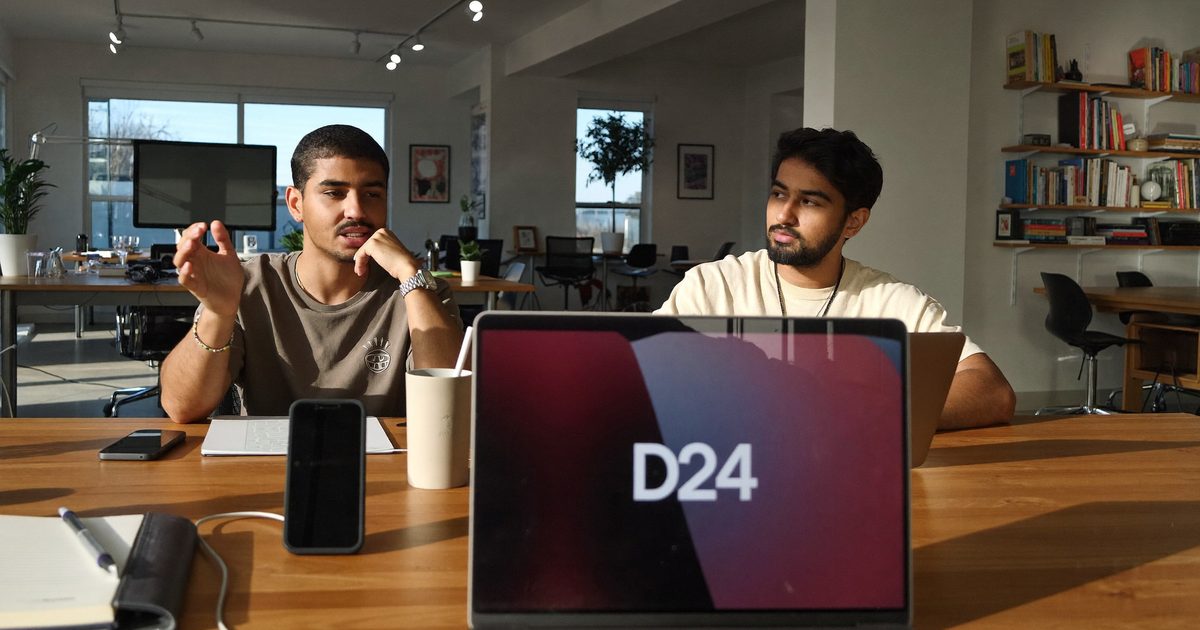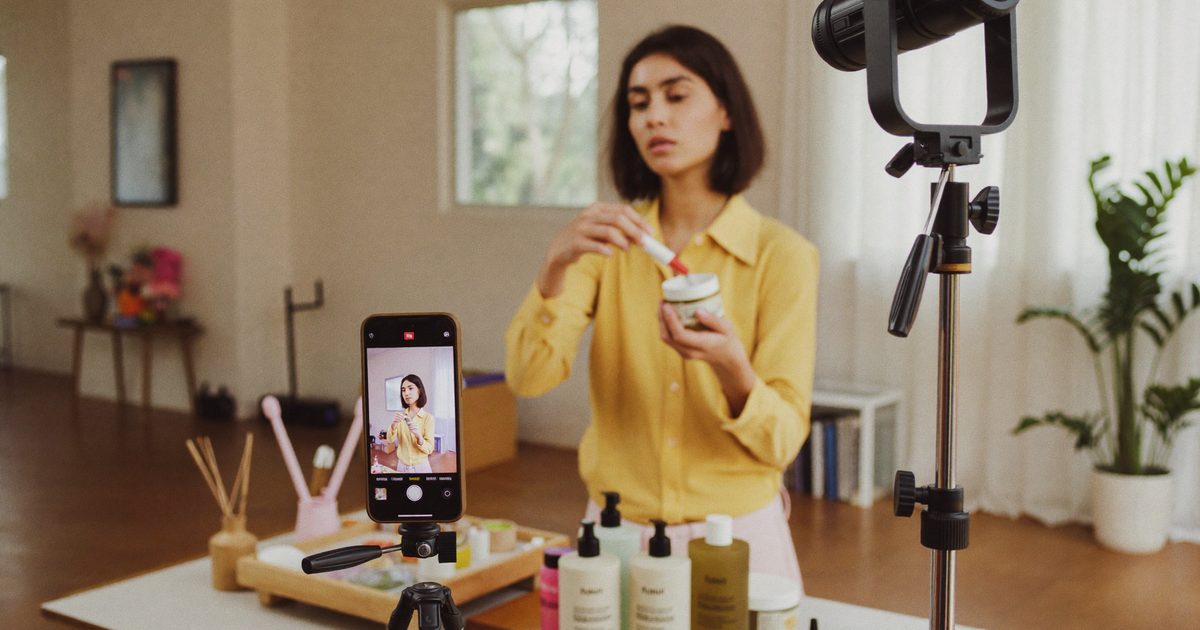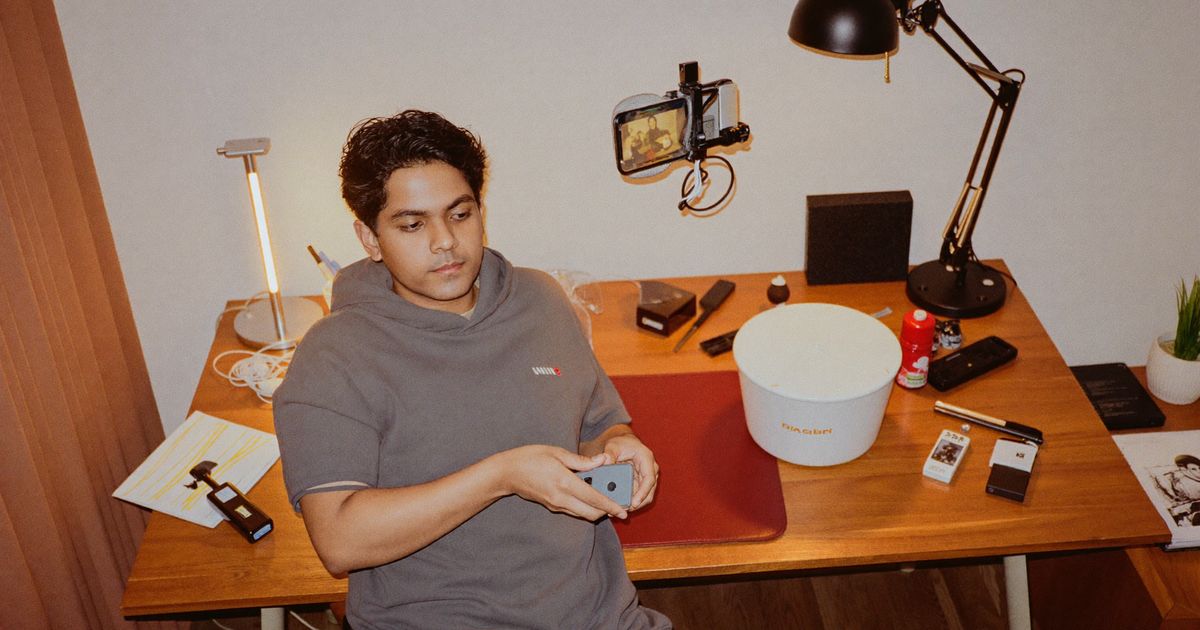
A boAt earphone unboxing filmed on a kitchen counter in Pune. A college student in Bengaluru explaining why she picked the Realme earbuds over a pricier alternative. A first-time buyer from Jaipur showing his new OnePlus phone's camera in the morning light from his balcony. These are not polished ad shoots, yet they routinely outperform them. Electronics is one of the categories where UGC works hardest, because the purchase decision is rarely impulsive and buyers want proof before they spend.
If you have never made a UGC video before, or you are a brand that has never briefed one, this guide explains everything from scratch: what to film, how to brief your creator, what platforms reward which formats, and what legal lines you must not cross under India's ASCI guidelines.
Why Electronics Buyers Respond to UGC Specifically
Electronics purchases in India, whether a Rs.1,500 earphone or a Rs.80,000 laptop, involve a level of research that most other categories do not. Buyers spend time on YouTube review channels, scroll comment sections on Flipkart listings, and ask in WhatsApp family groups. They are already consuming peer content; UGC simply meets them where they already are.
There are three specific trust signals electronics buyers look for that only a real person can demonstrate:
- Real-world performance in relatable conditions. Noise cancellation tested in a Bengaluru auto-rickshaw, not a sound booth. Battery life measured during an actual commute, not listed in a spec sheet.
- Honest tradeoffs. A creator saying "build quality feels plasticky but at Rs.2,499 I expected that, sound quality is still great" is more believable than any brand copy.
- Proof of arrival and setup. Especially for first-time buyers of a category, seeing someone open the box and plug it in reduces purchase anxiety.
The Four UGC Formats That Actually Convert for Electronics
Not every format suits every product or platform. Here is a practical breakdown for the Indian market.
- Unboxing + First Impression (60–90 seconds, Reels/Shorts). This is your highest-volume format. The creator opens the packaging on camera, names what is in the box, and gives an immediate first reaction. Brief your creator to state the price point within the first 10 seconds, Indian buyers filter by budget before features. This format works on Instagram Reels, YouTube Shorts, and Snapchat Spotlight.
- Specific Feature Demo (30–45 seconds, Reels). Pick one claim, battery, camera, call clarity, and prove it in a single short video. A phone camera demo filmed at Howrah Bridge at dusk tells the viewer more than five bullet points about megapixels. Avoid trying to pack every feature into one clip; it dilutes attention and dilutes the claim.
- Problem-Solution Story (60–90 seconds, Reels or YouTube Shorts). The creator opens with a pain point they had, "my laptop kept heating up during long calls", and then shows how the product resolved it. This format tends to perform well for accessories: cooling pads, cable managers, wireless mice. The narrative arc keeps viewers watching longer, which the algorithm rewards.
- Long-form Honest Review (5–8 minutes, YouTube). For products above Rs.10,000, buyers specifically seek detailed YouTube reviews before purchase. A creator who covers pros, cons, and comparisons provides genuine decision support. This is your lower-funnel content, people watching this video are often one or two clicks away from buying. We brief creators on YouTube reviews to always mention the city they are filming from and the specific use case (student, WFH professional, content creator) so viewers self-identify.
How to Write a Brief That Gets Usable Footage
Most brands that get bad UGC give bad briefs, or no brief at all. A creator who receives a product with a one-line message ("make a video about this") will default to whatever they made yesterday. A good brief for electronics UGC should contain four things:
- The single claim to prove. Not a list of features, one specific thing you want the viewer to believe by the end of the video. Example: "We want viewers to believe this earphone is the best option under Rs.2,000 for people who take a lot of calls."
- The audience context. Who specifically is watching this? A working professional commuting by metro in Mumbai is different from a Class 12 student in Lucknow studying for board exams. The creator needs to know whom they are talking to so they match the language register, Hindi with some English mixing performs differently than straight English for these two audiences.
- The moments to capture. Be specific about which product actions to show on camera. "Open the charging case," "pair it with your phone," "take it outside and show the fit." Vague briefs produce vague footage.
- What NOT to say. List any claims you cannot support, battery life figures the brand has not verified, speed comparisons with competitors by name, words like "best" or "number one" unless you have documented substantiation. This is not just brand caution; ASCI's Guidelines for Influencer Advertising in Digital Media (updated 2021, revised 2023) require that any performance claim in a paid creator post be factually substantiated and that the post be disclosed as paid with a clear label like #Ad or #Sponsored.
Under ASCI rules, a creator posting about a product they received for free or were paid to feature must disclose the relationship clearly, not buried in a hashtag string. As a brand, you are responsible for ensuring this happens. Brief your creators on disclosure requirements explicitly, and review the content before it goes live.
Choosing the Right Creator for Electronics
You do not need a tech influencer with 500K followers. In fact, for most D2C electronics brands in India, micro-creators (10,000–80,000 followers) deliver better results at a fraction of the cost, typically Rs.3,000 to Rs.15,000 per deliverable versus Rs.50,for a mid-tier creator.
What matters more than follower count:
- Audience match over audience size. A creator whose following is 70% students aged 18–22 in Tier-cities across India is more valuable for a budget audio brand than a lifestyle creator with a diffused following twice the size.
- On-camera comfort with products. Some creators are compelling when they talk about fashion or food but visibly awkward holding a gadget and describing its specs. Ask for a sample of any previous product video, even from a different category, before booking.
- Language capability. For a brand selling across India, consider splitting your creator pool: Hindi-speaking creators for Uttar Pradesh, Rajasthan, and Madhya Pradesh audiences; Tamil creators for Tamil Nadu; Kannada for Karnataka. A Hindi review filmed at a desk in Delhi lands very differently with an audience in Chennai.
- Comment engagement quality. Scroll through the comments on the creator's recent posts. Are people asking genuine questions? Replying in the same language? Genuine comment conversations indicate real community, which translates to real purchase influence.
What to Film: The Production Checklist
UGC does not require a production crew, but it does require intentional filming. Share this checklist with your creator before they start.
- Lighting first. Film near a window during daytime or use a Rs.800–1,500 ring light. Dark footage makes products look cheap. For electronics, viewers need to see the build quality and the display, bad light destroys both.
- Stable hands or a simple tripod. Shaky product demos are unwatchable. A basic phone tripod costs under Rs.500 and solves this.
- Clean background. A plain wall, a desk, or a bed with tidy bedding. The product should be the most interesting thing in the frame.
- Show the product in use, not just in hand. For earphones: on the ears. For a power bank: plugged into a phone while someone works. For a keyboard: hands actually typing. Static shots of a product sitting on a surface do not convert.
- Vertical format for Reels, horizontal for YouTube. This sounds obvious but is frequently ignored. A horizontal review video posted to Instagram Reels loses a third of the frame on mobile.
- Natural audio beats voice-over. The creator speaking directly to the camera, candidly, conversationally, outperforms scripted voice-over for electronics UGC. The slight imperfections signal authenticity.
Measuring Whether Your UGC Is Actually Working
Vanity metrics, likes, views, are useful for platform distribution but not for conversion. For electronics brands, these are the numbers to track:
- Watch time percentage (YouTube and Reels). If viewers are dropping off in the first 10 seconds, the hook is wrong. If they drop at the 40-second mark, your creator probably started listing specs rather than continuing the story. Identify the drop point and adjust the brief.
- Swipe-up or link-in-bio clicks for Instagram content, tracked with UTM parameters so you can tie creator content to site traffic.
- Marketplace listing traffic uplift. If you are running UGC alongside a Flipkart or Amazon India listing, check whether listing page visits increased during the creator posting period. Many brands underestimate this indirect effect.
- Comment sentiment. Are viewers asking "where can I buy this?" or "which colour did you get?", those are purchase intent signals. Are they asking "is this the same as [competitor product]?", that tells you the positioning is not landing clearly.
Electronics UGC done well is a research artifact, not just an ad. A good video lives on YouTube for two to three years, continues generating search traffic, and keeps sending buyers to your listing long after the campaign budget is spent. If you are a D2C electronics brand looking to build this kind of durable content pipeline, see how we approach it at our work, or book a free consultation to talk through your specific product and audience.