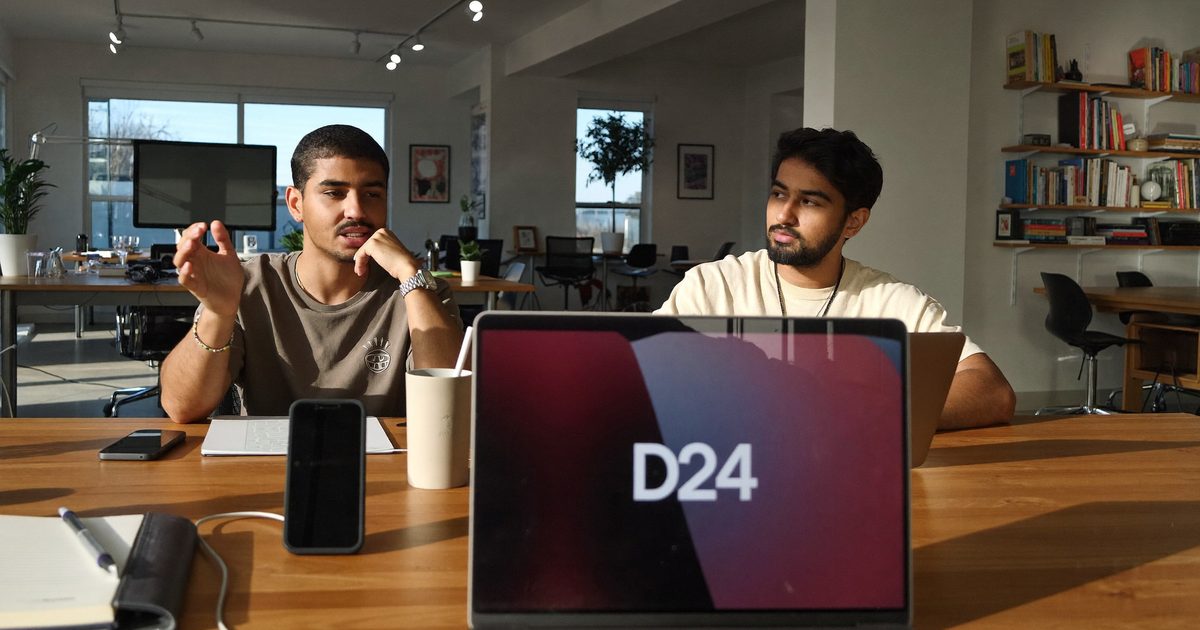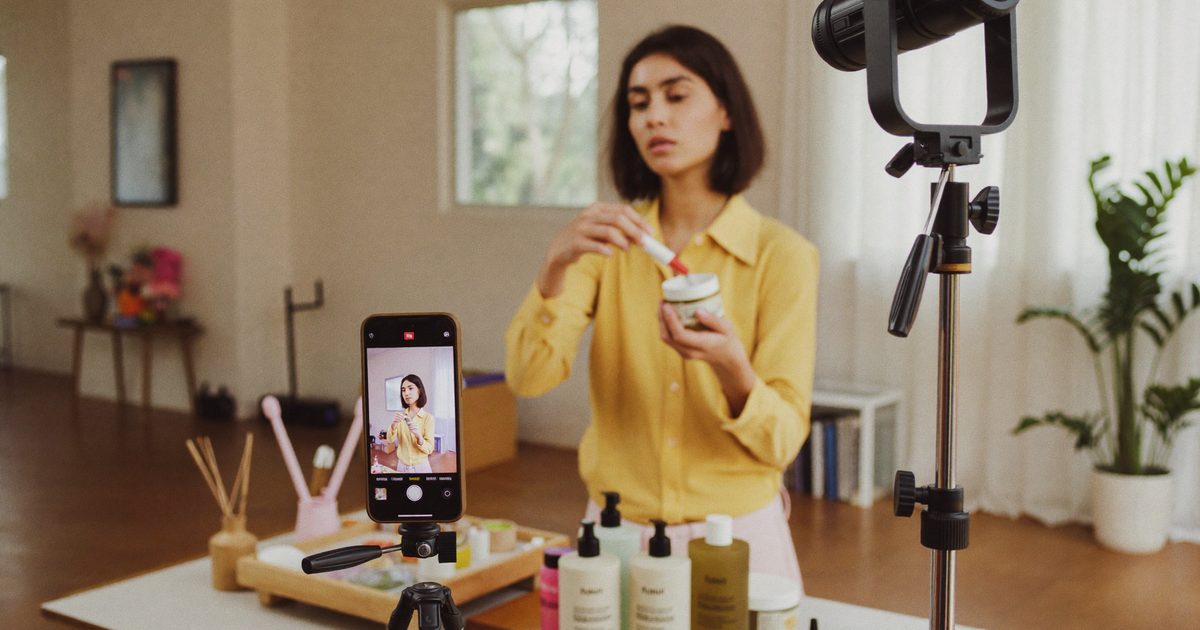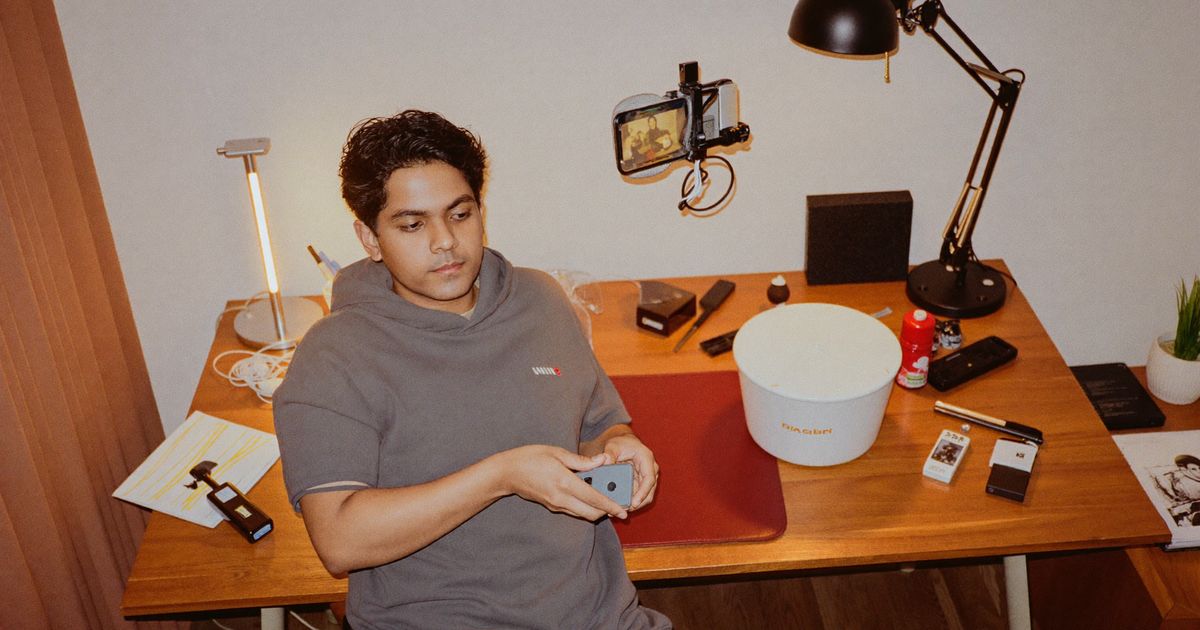
B2B buyers in India read case studies, compare vendors on LinkedIn, and then watch a founder walk through a product demo on YouTube before they ever fill out a contact form. That last step, the video, is where most B2B brands either win or lose the deal, and it is almost never shot by a corporate videographer. The most trusted content comes from the people already using the product: customers, power users, and practitioners who can answer the one question that procurement teams and founders are actually asking: does this work for someone like me?
At The UGC Agency, we produce this category of content regularly for B2B clients, SaaS platforms, logistics tools, HR tech companies, and industrial suppliers targeting SMEs across Bengaluru, Mumbai, and Delhi NCR. Here is exactly how we approach it, from brief to final cut.
Why Standard UGC Briefs Fail in B2B
The UGC playbooks written for D2C brands, skincare unboxings, fashion hauls, food taste tests, do not translate to B2B without significant restructuring. A founder buying an Rs. 3 lakh/year SaaS subscription is not making an impulse purchase. She is justifying that spend to a CFO. The content that converts has to carry a different weight.
When we take on a B2B UGC brief, the first thing we change is the creator selection criteria:
- Job title > follower count. A supply chain manager with 800 LinkedIn followers who can articulate how your logistics platform cut their dispatch errors by 30% is worth more than a 50,000-follower lifestyle influencer talking about "efficiency."
- Specificity of use case. We look for creators who have used the product in a recognisable industry context, a CA firm in Pune using your invoicing software, a D2C brand in Surat using your warehouse management tool. Buyers pattern-match on industry and company size.
- Comfort on camera, not polish. B2B audiences are forgiving of a slightly imperfect video if the speaker clearly knows what they're talking about. We screen for articulacy over aesthetics.
The Brief Structure We Actually Use
Our B2B UGC briefs are longer than D2C ones, typically 2-3 pages instead of half a page, because the creator needs to understand what matters to the end viewer. The structure we follow:
- Viewer persona first. We describe who will watch the video in detail: "A 35-year-old operations head at a 50-person e-commerce company in Hyderabad. She has already read two competitor comparison articles. She is worried about implementation time and whether the support team is responsive." The creator should feel like they are talking to that specific person.
- One business outcome, not a feature list. We give creators one metric or business outcome to anchor the video around, "talk about how you saved X hours a week on reconciliation" rather than "mention all five features." This produces tighter, more credible content.
- Permitted and prohibited claims. ASCI guidelines apply to B2B UGC just as they do to consumer advertising. We flag that any quantitative claim ("reduced costs by 40%") must be real and documentable. Creators are instructed not to make comparative claims against named competitors without evidence. This protects both the creator and the brand client.
- Platform context. A LinkedIn video behaves differently from a YouTube mid-roll. We tell creators which platform the content will run on, whether it will carry a sponsored tag (mandatory for paid partnerships under ASCI), and how long the cut will be.
Formats That Actually Convert in Indian B2B
Based on the campaigns we have run, three UGC formats produce measurable pipeline impact for B2B products:
- The workflow walkthrough (2-4 minutes, LinkedIn or YouTube). A real user shares their screen or workspace and walks through a specific task they do with the product. No script, but a structured outline. This format works particularly well for SaaS tools because it is visual proof of the product in action. LinkedIn native video gets good organic reach among professional audiences in India, and we brief creators to post at 8-9am IST on weekdays when senior professionals are commuting or starting their day.
- The peer testimonial cut (45-90 seconds, LinkedIn or Instagram Reels repurposed for B2B retargeting). A short, direct-to-camera video where the creator answers three questions: what problem did you have, what did you try before, and what changed after using this product. We keep these tight because they run as paid ads in remarketing campaigns targeting people who have already visited the pricing page. The conversion function here is trust reinforcement, not awareness.
- The implementation story (5-8 minutes, YouTube). A longer-form video aimed at buyers who are deep in the evaluation stage. This is the B2B equivalent of a detailed review, the creator walks through their onboarding experience, what took time, what support looked like, and what the outcome was after 60-90 days. For products priced above Rs. 1 lakh/year, we find this format earns more qualified demo requests than any top-of-funnel ad format.
Production Notes for B2B Environments
Shooting in an office or commercial environment introduces constraints that do not exist in a D2C shoot. We brief creators accordingly:
- Background credibility matters. A messy, generic desk undercuts the professional tone. We suggest creators shoot in front of a whiteboard with relevant notes, a clean office backdrop, or at their actual workstation with the product software visible on screen. This is not about production value, it is about contextual trust signals.
- Keep client data off screen. If a creator is doing a screen walkthrough, they must ensure no real client names, financial figures, or PII appear in the recording. We provide a checklist. This is both an ethical requirement and a practical one, brands and creators can face legal exposure if confidential data appears in distributed content.
- Sound quality over video quality. In a professional video, poor audio is more damaging than grainy video. We provide creators with a lapel mic recommendation (the Boya BY-M1, available under Rs. 1,200 on Amazon India, is adequate for this purpose) and advise them to record in a room with soft furnishings rather than bare walls.
"The best B2B UGC we have produced did not look like an ad. It looked like a knowledgeable colleague explaining something useful at lunch."
Distribution: Where B2B UGC Actually Reaches Buyers
Creating the video is half the work. Where you put it determines whether it contributes to revenue.
- LinkedIn organic + paid combination. We advise clients to post UGC videos natively to LinkedIn through the creator's personal profile first (organic reach is meaningfully higher than company page reach). After 48-72 hours, the brand boosts the post using LinkedIn's "boost" feature or runs it as a Sponsored Content ad targeting by job title, industry, and company size. This two-step approach gets organic validation before paid distribution.
- Retargeting on Meta. LinkedIn CPCs are high, often Rs. 150-400 per click for B2B audiences. We layer Meta retargeting for cost efficiency. Visitors to the client's pricing or features pages see the peer testimonial UGC cut as an Instagram or Facebook ad. The targeting is behavioural (website custom audience), so we are not relying on LinkedIn's professional targeting; we already know this person is evaluating.
- Embedded on the website. The implementation story video belongs on the case studies or testimonials page. We see clients underuse this consistently, they run the video as an ad but never put it where organic search traffic lands. A product page with a real customer walkthrough video converts at significantly higher rates than a page with text testimonials alone.
- Sales enablement. This is the distribution channel most agencies overlook entirely. B2B sales reps in India still close deals over WhatsApp and email. We structure one version of every UGC asset as a short, shareable video (under 90 seconds, no text overlays dependent on sound) that a sales rep can drop into a WhatsApp conversation or proposal email during the evaluation stage.
Measuring What Matters
B2B UGC should not be measured by views alone. The metrics we track for clients:
- Demo requests attributed to UGC touchpoints via UTM parameters on links in video descriptions and paid ad landing pages.
- Time-on-page for pages where UGC is embedded, a meaningful increase suggests the video is doing the explaining that the copy was not.
- Sales cycle length before and after deploying peer testimonial content in retargeting, this is harder to isolate but worth tracking in CRM notes.
- LinkedIn SSI (Social Selling Index) movement for brands using UGC in their thought leadership strategy, a secondary but useful signal for B2B brands investing in organic reach.
UGC in B2B is not a shortcut, it requires more careful briefing, more selective creator recruitment, and more deliberate distribution than D2C UGC. But for brands selling complex products in the Rs. 50,000 to Rs. 10 lakh ticket range, it is one of the highest-ROI content investments available. If you are building a B2B content strategy and want to understand how creator-led video could work for your specific product, book a consultation with our team, we work with both early-stage SaaS companies and established B2B product brands across India.