India now has over 500 million mobile gamers, and the titles they play, BGMI, Free Fire MAX, Ludo King, WinZO, MPL, have become genuine cultural touchpoints. Yet most gaming brands still spend their budgets on influencer shoutouts from macro-creators who treat the sponsorship like a TV ad: scripted, detached, and forgotten within 24 hours. The smarter play, and the one that consistently outperforms in performance audits we run for our clients, is building a pipeline of authentic UGC that mirrors how real players actually talk about games.
Below is a step-by-step playbook for gaming brands operating in the Indian market. It covers creator sourcing, brief writing, format selection, platform sequencing, compliance under ASCI's influencer guidelines, and scaling what works.
Step 1: Define What "Authentic" Looks Like for Your Game Genre
UGC fails in gaming when it ignores genre culture. A battle royale clip needs different energy than a fantasy cricket app testimonial. Before briefing a single creator, map your game type to the content vernacular players already use:
- Casual / Hyper-casual games (e.g., Ludo King, Subway Surfers clones): "reaction" clips work, a creator's live face during a close match, a "I can't believe that move" moment. Keep it under 30 seconds on Instagram Reels.
- Real-money gaming / fantasy sports (Dream11, MPL, WinZO): Earnings-proof clips drive installs, but ASCI's 2021 Influencer Guidelines and MIB's online gaming advertising standards require a mandatory disclaimer that winnings are subject to tax and that results are not guaranteed. We brief creators to include this disclaimer as an on-screen text overlay, not just a hashtag buried in the caption.
- Action / MOBA / battle royale (BGMI, Free Fire MAX): Gameplay highlight compilations with a creator's commentary in Hindi, Tamil, Telugu, or Hinglish outperform English-only content by a significant margin in Tier 2 and Tier 3 markets.
- Puzzle / strategy / casual card games: "How I got unstuck" UGC, a creator walking through a strategy they discovered, creates strong community engagement and high save rates on Instagram, which feeds the algorithm.
Step 2: Build a Creator Roster, Not a One-Off Campaign
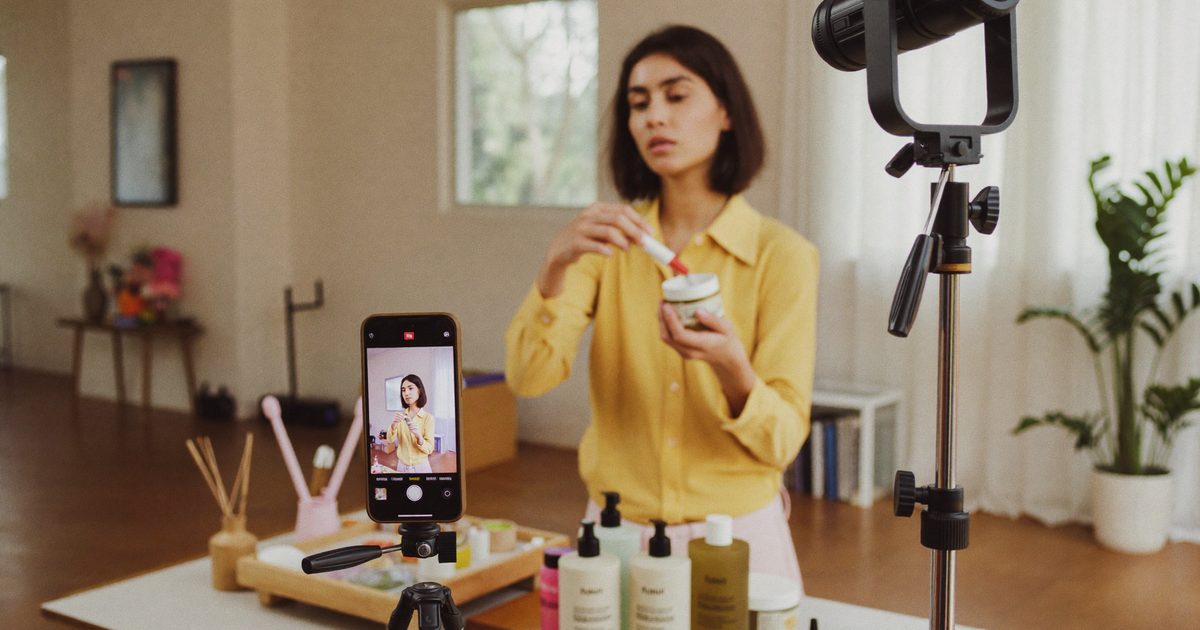
The fundamental difference between a gaming brand that gets compounding UGC value and one that doesn't is roster depth. A single paid reel from one creator is an ad. A network of 20–30 micro-creators producing content weekly is a content engine.
For a gaming brand with a budget of Rs. 1.5–2 lakh per month, a realistic roster looks like:
- 8–10 micro-creators (10K–80K followers) on Instagram Reels or YouTube Shorts, each producing 2 clips per month at Rs. 3,000–7,000 per clip. These are your volume layer, always-on, raw, genuine.
- 3–4 mid-tier creators (100K–300K followers) producing one longer format per month, a 6–8 minute YouTube gameplay review or a live stream on YouTube where they play for 30–40 minutes and discuss the game organically. Budget: Rs. 15,000–35,000 per creator per month.
- 1–2 regional-language creators, particularly for Hindi, Tamil, or Bengali, who target Tier cities across India like Lucknow, Coimbatore, Patna, and Bhubaneswar. These cities have explosive mobile gaming adoption but are underserved by English-first campaigns.
We vet creators by checking their comment section for genuine engagement, not just view counts. A gaming creator with 40K followers in Jaipur who gets 200 real comments per post is more valuable than a 200K creator whose comments are all emojis and giveaway bots.
Step 3: Write Briefs That Unlock Real Moments
The biggest mistake gaming brands make in their UGC briefs is over-scripting. A creator who is reading your talking points sounds exactly like a creator who is reading your talking points. Instead, structure your brief around situation prompts, open-ended scenarios that the creator fills with their own genuine experience.
"Show us the moment in the last week when you were most absorbed in the game. Don't tell us, show us your screen, your reaction, what you said to a friend."
Effective brief elements for gaming UGC:
- The hook window: Specify that the first 3 seconds must grab attention, a mid-game screenshot, a score reveal, an unexpected win. Not a face-to-camera intro.
- The native detail: Ask creators to mention one specific feature that surprised them, a new character, a tournament mode, a referral bonus, and explain it in their own words. This is where brand messaging gets embedded authentically.
- The language instruction: Hindi-Hinglish or regional language preferred for Tier 2 audiences. For metro creators, Hinglish is fine. English-only briefs waste potential reach.
- The ASCI compliance note: For real-money games, include a clear instruction: creators must mark the post as a paid partnership (Instagram's collab tag or "paid promotion" label), must include the mandated disclaimer, and must not make earnings claims that sound guaranteed. We include the exact disclaimer text in our briefs so creators don't improvise something that gets flagged.
Step 4: Choose the Right Format-Platform Combinations
TikTok is banned in India, so that platform is correctly off the table. But the short-video habit TikTok created has migrated largely to Instagram Reels and YouTube Shorts, and for gaming specifically, YouTube's longer-form still has outsized power.
Here is how to sequence platforms by objective:
- Instagram Reels (15–60 seconds): Best for top-of-funnel awareness. Gaming highlight clips, "my first win" moments, and challenge formats (e.g., "beat my high score") work well. Paid amplification via Meta Ads on these clips can bring CPMs down to Rs. 40–70 when the creative looks native.
- YouTube Shorts: Underutilised by gaming brands for UGC. Shorts push to gaming-interested users via recommendation, and a strong short can pull viewers to the creator's longer video, where the full product context is explained. Ideal for game tutorials and "did you know this trick?" formats.
- YouTube long-form (8–20 minutes): The highest-intent format. A creator playing a game for 15 minutes and genuinely discussing strategy, bugs they found, features they like, this is trusted purchase-intent content. Conversion from YouTube game reviews to app installs is measurable via unique referral links or UTM codes in the description.
- WhatsApp Status (creator-to-community): Some gaming micro-creators run tight WhatsApp communities around their game genre. A 30-second clip shared as a WhatsApp Status update to their community of 500–1,000 active gamers can drive dense, high-quality installs. This is not a scalable mass channel, but it is a high-trust one.
- Discord / Telegram: For PC and mobile gaming communities specifically (BGMI guilds, fantasy sports groups), creator posts in active Discord servers or Telegram channels drive deep engagement from already-invested players. Budget for this separately, it is community seeding, not traditional influencer content.
Step 5: Repurpose UGC Into Paid Performance Creatives
Raw UGC is the raw material; paid amplification is how you extract its full value. In our production work with gaming clients, we systematically take top-performing organic UGC clips and rebuild them as performance ads:
- Clip the best 8–12 seconds from a longer creator video, usually the moment of peak excitement, a score reveal, or a surprising game feature, and use it as the first frame of a Meta Ads creative.
- Add a benefit overlay: A simple text like "Download Free, Play BGMI Tournaments" placed at the 4-second mark after the hook. No voiceover needed when the creator's reaction is already compelling.
- Test 3–4 variants with different hooks from different creators. A clip from a Hindi-speaking creator in Patna will outperform a Mumbai-metro Hinglish clip for Tier 2 targeting, and vice versa for metro audiences.
- Licence it properly: When you brief creators, include a usage rights clause in the agreement, typically unlimited digital use for 12 months for Rs. 2,000–4,000 extra per clip at micro-creator rates. Without this clause, you cannot legally run the UGC as a paid ad.
Step 6: Measure What Actually Matters
Gaming brands often track the wrong metrics. Views are easy to buy. The metrics that tell you whether your UGC strategy is working:
- App Store / Play Store installs attributed to UTM-tagged creator links. Every creator should get a unique link. If 18 out of 25 creators produce zero attributed installs in 30 days, you have a brief problem, not a distribution problem.
- Day-7 retention of UGC-sourced installs vs. paid-display installs. In consistently every gaming campaign, users who install after watching an organic creator gameplay video show 30–40% better Day-7 retention than users from banner or carousel ads. They came in knowing what the game was.
- Save rate and share rate on Instagram Reels. For gaming content, saves (bookmarks) indicate "I want to try this strategy/game later." A save rate above 2% on a Reel is strong. Shares signal community relevance.
- Cost-per-install (CPI) for UGC-based paid creatives vs. studio creatives. Track this religiously. In the Indian gaming market, well-briefed UGC creatives routinely achieve CPIs of Rs. 12–25, against Rs. 40–80 for polished animated ads, because native-looking content gets better CTR on mobile feeds.
Building a UGC system for a gaming brand is not a one-month project, it is an ongoing editorial and production function. If you want help designing the creator roster, brief framework, and paid amplification pipeline for your game, book a consultation with our team. We work with gaming, D2C, and SaaS brands across India and can scope out a UGC strategy that fits your current install targets and budget.