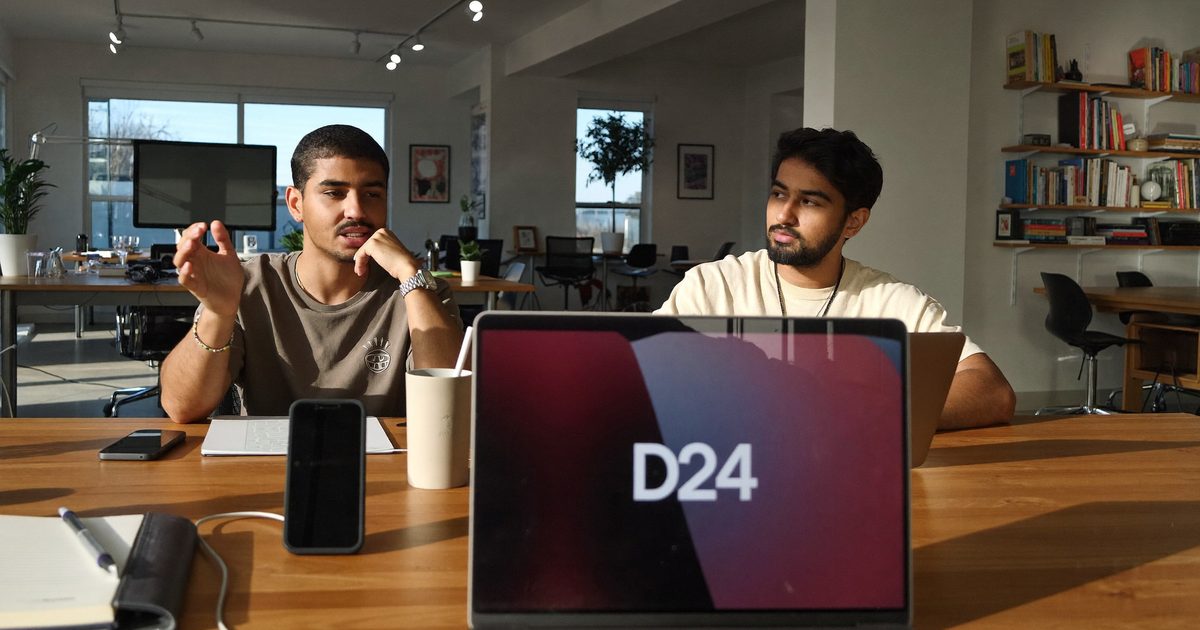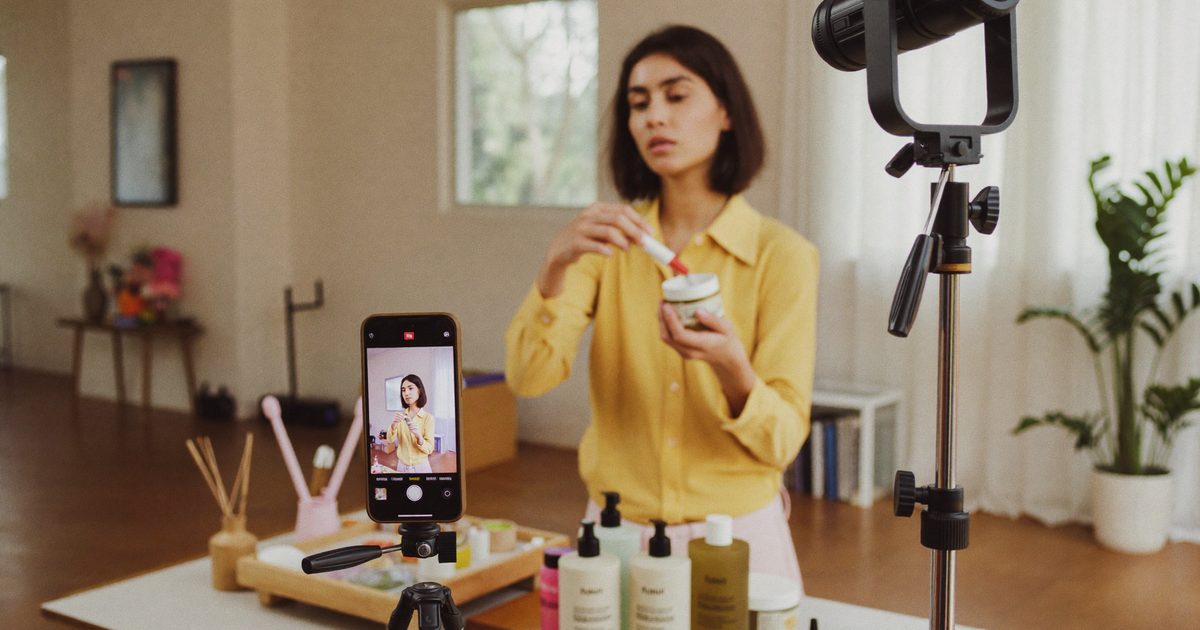
Most e-commerce brands that come to us frustrated with UGC have one thing in common: they ran campaigns, got content back, and watched it underperform. The creators delivered. The editing looked fine. But sales didn't move. When we dig into what went wrong, the same handful of mistakes come up again and again, not beginner errors, but strategic blind spots that even well-funded brands repeat.
This article is a direct account of those mistakes, why they happen in the Indian e-commerce context specifically, and what to do instead.
Treating UGC Like a Photo Shoot, Not a Trust Signal
The most common misunderstanding we encounter is brands briefing creators as though they're art-directing a campaign, specific angles, particular lighting setups, wardrobe choices that match the website palette. The result is polished content that looks suspiciously like an ad. And that's the problem: Indian shoppers on Meesho, Nykaa, Myntra, and Instagram Shop are scrolling past glossy content at speed. What stops them is something that looks like a real person talking.
UGC's power is authenticity, not production value. A creator filming themselves in a normal Kolkata apartment with afternoon light coming through the window will outperform a studio-lit product showcase almost every time, because it answers the buyer's real question: does this work for someone like me?
- Wrong approach: "Hold the product up at eye level with a white wall background and wear something neutral."
- Right approach: "Use the product the way you normally would, and tell us one thing that surprised you about it."
The brief should leave room for the creator's natural voice. The moment you over-direct, you lose the thing that makes UGC different from branded content.
Ignoring Language and Regional Context
India is not a single market. A skincare brand targeting women in Tier cities across India across Tamil Nadu and a brand targeting urban women in Bengaluru are talking to different people with different language preferences, price sensitivities, and reference points. Yet we regularly see brands run a single Hindi UGC reel nationwide and wonder why it underindexes in the South and East.
Regional language content, Tamil, Telugu, Kannada, Bengali, Marathi, does not require a separate budget line for every campaign. It requires intentional casting. Choosing creators who naturally code-switch or speak in a regional language for a specific ad set is a targeting decision, not just a creative one. On Meta, you can serve a Tamil-language reel exclusively to Tamil Nadu users in that same campaign. The CPMs are often lower, and the relevance scores are higher because the content feels local.
- For a D2C food brand, a creator eating the product at their dining table in Chennai and describing it in Tamil, with a casual reference to a local flavor comparison, will resonate more than the same script in neutral Hindi.
- For fashion brands targeting metros, Hinglish (Hindi-English mix) has consistently outperformed pure Hindi in our A/B tests on Instagram Stories for the 22–34 age bracket in Mumbai and Delhi.
Brands that treat language as a translation problem rather than a creative decision are leaving significant reach on the table.
Running UGC Without Proper ASCI Disclosure
This is the one mistake that can cause genuine legal exposure, not just poor performance. The Advertising Standards Council of India (ASCI) requires that paid partnerships, including influencer and creator content used in ads, be clearly labeled. The label must be prominent (not buried in hashtags), in a language the viewer understands, and visible without the viewer having to expand a caption.
Common violations we see:
- Posting creator content as organic brand content without any disclosure, even when the creator was paid
- Using only "#ad" buried in a list of ten other hashtags
- Not labeling clearly on video content where no caption is typically read
- Repurposing creator content in paid Meta or Google ads without the creator's documented permission
The practical fix is straightforward: build disclosure language into your creator agreement, require the creator to add "Paid Partnership" or "Ad" in the first line of the caption (Meta's native paid partnership label works perfectly), and get written rights to repurpose content for paid promotion before you run anything. Brands spending upwards of Rs. 2–3 lakh per month on UGC amplification that haven't done this are exposed to ASCI complaints and potential platform takedowns.
Casting Creators by Follower Count Instead of Audience Fit
A creator with 400,000 followers in a lifestyle niche sounds like a win. But if your product is a protein supplement targeting gym-goers in Tier cities across India, and that creator's audience skews toward metro fashion consumers, the content will perform poorly regardless of how good it is. Reach is not relevance.
For e-commerce specifically, the metrics that matter are:
- Audience location: Does the creator's following actually shop in areas where you deliver? A hyper-local creator in Pune with 18,000 followers might be more valuable for a Maharashtra-focused D2C brand than a creator in Delhi with 200,000.
- Engagement quality: Are comments genuine? Look for specificity, comments asking about where to buy, sharing personal experiences, rather than generic emoji responses.
- Content-product fit: Has this creator ever talked about adjacent products? A creator who reviews home cooking tools is a natural fit for a packaged food brand; a travel creator is not, even if their following is large.
We brief creators to share their audience demographics (via Instagram Insights screenshot) before confirming a collaboration. It adds two days to the casting process and eliminates the single biggest cause of UGC underperformance.
Not Repurposing UGC Across the Full Funnel
Most e-commerce brands use UGC in one place: Meta feed ads. This is a significant waste of an asset that cost anywhere from Rs. 3,000 to Rs. 25,000 per video to produce, depending on creator tier.
A single well-performing UGC video can be adapted for:
- Product detail pages: Embedding a creator's honest review video directly on a Shopify or WooCommerce product page reduces bounce rate and increases add-to-cart rate, this is particularly well-documented for beauty, apparel, and wellness categories.
- WhatsApp broadcast campaigns: A short, informal creator clip sent through a WhatsApp Business broadcast to existing customers (with proper opt-in) functions as a peer recommendation, not an ad.
- Google Display retargeting: UGC thumbnails with a visible human face routinely outperform graphic banner ads in retargeting campaigns. The Rs. 15–20 CPM on the Google Display Network makes this one of the most cost-efficient touchpoints for warm audiences.
- Email sequences: A creator testimonial GIF in a cart abandonment email adds a layer of social proof exactly when purchase hesitation is highest.
The brands getting the strongest ROAS from UGC aren't producing more content, they're extracting more value from what they already have by mapping it to every stage of the buying journey.
Measuring UGC Performance Wrong
Brands frequently kill UGC campaigns too early because they're measuring reach or video views, metrics that look weak compared to a broad awareness campaign. UGC content typically has a narrower top-of-funnel reach and a significantly stronger mid-to-bottom-funnel impact. Judging it by impressions is like judging a product demo by how many people walked past the store.
The metrics that actually tell you if UGC is working:
- Hook rate (0–3 second view-through): If fewer than 30% of people who see the ad watch beyond the first three seconds, the opening isn't working, fix the hook, not the product.
- Cost per add-to-cart compared to non-UGC creatives in the same ad set
- Return visitor rate on PDPs where UGC video is embedded vs. PDPs without it
- Conversion rate on retargeting audiences served UGC vs. static graphic
The question is never "did the UGC video get views?" It's "did the person watching it end up closer to buying?"
Setting up these measurement comparisons before a campaign launches, not scrambling to justify results after, is what separates brands that iterate intelligently from brands that declare UGC "didn't work" and go back to production-heavy ads.
If your brand is making any of these mistakes, over-directing creators, skipping regional language targeting, or not measuring UGC properly, we can help you fix the brief, the casting, or the campaign structure. See how we work at /work, or book a consultation to walk through your current UGC setup with our team.