Most D2C brand briefs we receive describe the same challenge: a catalog that photographs beautifully, a product that genuinely works, and a paid media account burning through budget on creatives that stop converting after two weeks. The missing piece is almost never the product. It is the absence of real people using it, in real settings, saying real things, and a system to keep that footage flowing.
What follows is how we actually structure UGC production for D2C clients in India: from brief to asset library, with the platform logic, format choices, and measurement signals that determine whether a UGC program compounds or stalls.
Start with the Conversion Moment, Not the Brand Story
The most common mistake in a first UGC brief is asking creators to "introduce the brand" or "explain what makes us different." That is brand advertising work. UGC earns its cost when it addresses the specific moment a shopper hesitates, the objection, the comparison, the "but will this work for me" doubt, and resolves it through someone who looks and sounds like the buyer.
For a D2C skincare brand targeting women in their 30s in Tier-cities across India, the conversion moment is usually not awareness; it is the third time a prospect sees the product on Instagram and still hasn't added to cart. We brief creators to speak directly to that hesitation: show the before state, name the doubt out loud ("I was worried it would break me out like every other Vitamin C serum"), demonstrate the product, and close with a specific outcome over a realistic timeframe. This structure works across categories, hair care, protein supplements, home décor, pet food, because the underlying psychology is the same.
How We Build a Creator Roster for Indian D2C Brands
India's UGC supply is fragmented across languages, cities, and content styles. A roster that works for a Rs.1,200 face wash brand in Mumbai will look very different from one we'd build for a Rs.4,500 supplement brand targeting fitness communities in Bengaluru and Pune. We factor in the following:
- Language match: A Hindi-primary creator shooting for a brand that sells 60% in Maharashtra will underperform a Marathi-comfortable creator who can code-switch naturally. We routinely brief multilingual shoots, one creator doing Hindi and one doing Tamil or Telugu for the same product, because vernacular UGC converts measurably better in regional markets on platforms like Moj, ShareChat, and YouTube Shorts.
- Lifestyle proximity: We prioritise creators whose living spaces, skin tone, body type, and daily routines visibly match the target buyer. For a Bengaluru-based D2C athleisure brand, this means creators who gym or run outdoors in recognisable neighbourhoods, not a neutral studio background.
- Creator tiers by use-case: Nano creators (5K–50K followers) for raw, high-trust testimonials used in paid ads. Mid-tier creators (100K–500K) for organic seeding on Instagram Reels and YouTube. The ad spend allocation matters more than the creator's follower count for conversion-oriented campaigns.
- ASCI compliance from the brief stage: India's Advertising Standards Council of India (ASCI) guidelines require that paid or gifted endorsements be disclosed clearly, "#ad" or "#sponsored" must appear prominently, not buried. We build this into every creator contract and review all scripts before shoot, particularly for health, nutraceutical, and financial product categories where ASCI scrutiny is highest. Non-compliant posts can be taken down or flagged, which wastes both media spend and creator fees.
The Production Workflow That Keeps Assets Usable
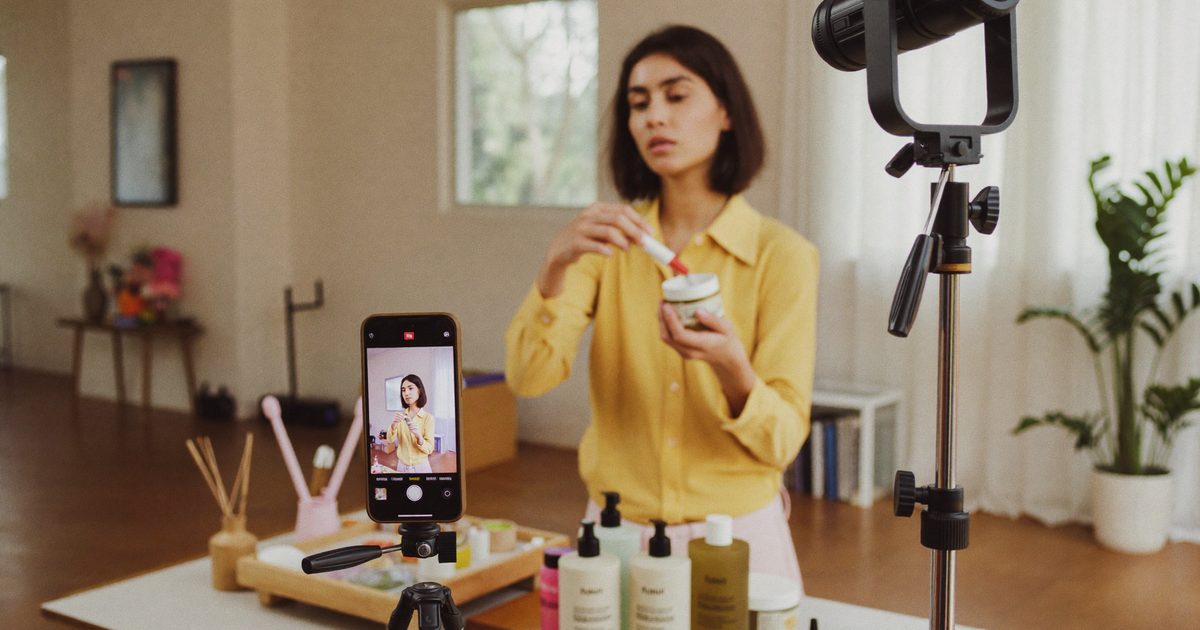
One thing that consistently surprises new clients is how much of our production work happens before the camera turns on. A UGC shoot that goes in without a structured brief produces footage that is authentic but unusable at scale, bad aspect ratios, missing hooks, captions that can't be separated from the background audio.
Our standard production checklist for a D2C paid-social UGC batch:
- Brief format: We use a three-section brief, Hook options (3–5 opening lines the creator can choose from), Core message (the one claim the ad must land, supported by a specific proof point), and Call-to-action (verbatim or close to it, so the CTA is consistent across variants).
- Aspect ratio and safe zones: Every creator is briefed on shooting vertical 9:16 for Instagram Reels and YouTube Shorts, with the understanding that the bottom 20% and top 15% of frame may be covered by platform UI or ad overlays. Product demonstrations that happen in those zones are unusable.
- Audio independence: We ask creators to shoot without background music so the media buyer can add licensed audio in post or run the native sound. Platform-licensed music embedded during shoot cannot be used in paid placements without separate clearance.
- Multiple hooks, single product truth: We often brief 2–3 hook variations with the same creator in the same session. This gives the media buyer material to A/B test without re-engaging the creator, which reduces cost per usable asset significantly. A typical D2C UGC batch for us runs 8–12 creators producing 3 hook variants each, yielding 24–36 testable ad variants from one production cycle, with a total creator fee budget typically in the Rs.80,000–Rs.1,50,000 range depending on creator tier.
Where UGC Actually Runs: Platform Logic for Indian D2C
The channel mix for UGC in India has consolidated meaningfully. Instagram Reels and YouTube Shorts dominate video consumption and are the primary paid placement surfaces for most D2C brands. Meta's Advantage+ placements now auto-distribute to Reels, Stories, and Feed, which means a single vertical UGC asset needs to hold attention without sound for the first two seconds (Feed) and with sound on a fast-scroll (Reels) simultaneously, a brief constraint we communicate explicitly.
- Instagram (Reels + Stories): Primary paid placement for most Indian D2C brands. UGC outperforms studio creative on Meta's auction because its engagement signals (save rate, shares, comment sentiment) tell the algorithm the content is genuine. We track thumb-stop rate (percentage of 3-second views to impressions) and outbound click rate as the two leading indicators of creative quality before ROAS signals stabilise.
- YouTube Shorts: Growing fast for discovery in Tier-cities across India. Organic seeding of creator content on YouTube works well for categories where product education matters, supplements, skincare actives, home appliances, because viewers are in a higher-intent state than on Instagram.
- WhatsApp Status seeding: For D2C brands with a direct community (reseller networks, loyalty groups, regional distributors), creator clips repurposed as WhatsApp Status content by team members or brand advocates extend reach with zero media spend. This is informal but effective for regional brands.
- Organic Instagram grid and Stories: UGC repurposed with permission on the brand's own handle builds social proof for new visitors who check the profile after seeing an ad. We advise clients to maintain a ratio of at least one creator-shot post for every two studio posts on their feed.
Measurement: What to Track and When to Intervene
A common failure mode is pulling UGC creatives too early because the brand team doesn't like the aesthetic, or keeping them running too long because the ROAS looks decent at the surface while frequency is climbing and CPMs are rising. We use a tiered review cadence:
- Days 1–3 post-launch: Watch thumb-stop rate and hook engagement. If a creative gets fewer than 20% 3-second views on Reels, the hook is broken, pull or pause and test a different hook variant.
- Days 4–10: Landing page CVR and add-to-cart rate. UGC that drives clicks but not conversions usually has a message mismatch, the ad promises something the product page doesn't clearly confirm. The fix is on the landing page, not the creative.
- Beyond Day 14: Monitor frequency per unique user. Once frequency crosses 3.5 on Meta, even high-performing UGC loses efficiency. The answer is rotating in new creator variants, not increasing budget.
The brands that compound UGC value over time treat creator content as a media asset library, not a one-off production. A batch produced in January should still be generating learnings in March, not because the same ad runs unchanged, but because the hooks and claims it validated inform every brief that follows.
Repurposing UGC Across the Funnel
Paid social is the highest-leverage placement, but D2C brands leave significant value on the table by keeping UGC siloed there. In our experience, the same creator footage, with minor editing, can be deployed across:
- Product detail pages: A 30-second creator testimonial embedded on the Shopify PDP consistently lifts add-to-cart rates. Brands like Minimalist and WOW Skin Science have made this a standard practice, and mid-market D2C brands in India are increasingly following. The asset requires no new shoot, just a horizontal crop or a 1:1 square edit from existing vertical footage.
- Email and WhatsApp campaigns: A thumbnail-linked GIF or a static frame from a creator video in a re-engagement email performs better than product photography for warm leads. The visual breaks pattern and carries implicit social proof.
- Google Display and Demand Gen: Meta-sourced UGC can be re-uploaded as image or video assets in Google's Demand Gen campaigns. We advise ensuring the creator's handle or face doesn't imply a platform-specific context (e.g., a Reels swipe-up gesture looks odd on Google Display).
- Retailer listings: If the brand sells on Nykaa, Amazon, or Meesho, creator videos uploaded to the listing's video section provide social proof at the final purchase decision point, often with zero incremental cost if the footage already exists.
If you want to understand exactly what a structured UGC program would look like for your brand, from creator selection and multilingual briefs to measurement frameworks, book a consultation with our team. We will map it to your category, your existing media spend, and the specific conversion moments your product needs to win.