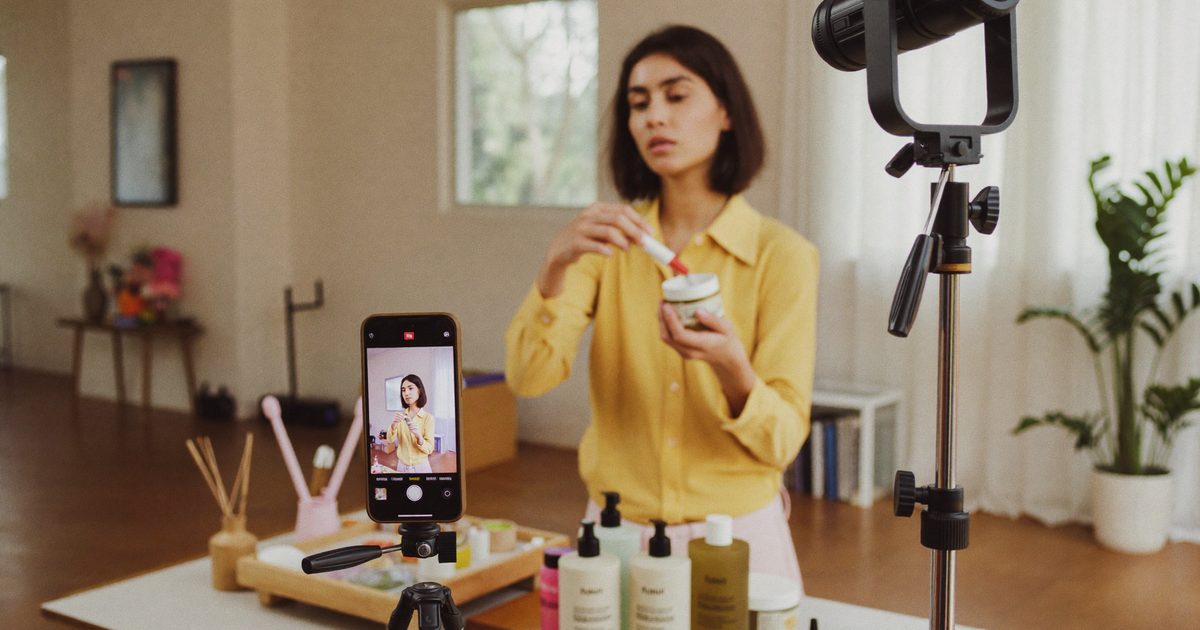
A serum brand in Mumbai ran the same four polished ad creatives for three months. ROAS looked acceptable, until they split-tested a raw 60-second Instagram Reel from a skincare creator in Pune against their studio content. The UGC Reel cut cost-per-purchase by 38% in two weeks. That gap is not about production quality; it is about signal. Audiences read UGC as proof, not promotion, and beauty is the category where that distinction hits hardest.
If you are already producing UGC for your beauty brand, serum drops, kajal swatches, haircare demos, this is not a primer on why it works. This is a systems-level playbook for scaling it intelligently: how to build a content architecture, tighten your brief, stay compliant with ASCI guidelines, and translate creator output into measurable revenue outcomes across the Indian market.
Build a Content Tier Architecture, Not a Flat Creator Roster
Most beauty brands treat their creator pool as interchangeable. A better approach is to segment creators into three tiers, each with a different job:
- Tier 1, Proof creators (nano/micro, 2K–50K followers): These are your everyday-user creators, the Bengaluru working professional who genuinely uses your face wash, the Chennai college student swatching your lip tint. Their content drives trust and ad performance because it reads as unfiltered. Brief for authenticity: no teleprompters, no ring lights required. These creators are also cost-efficient, typically Rs.3,000–8,000 per deliverable or gifted product plus a small fee.
- Tier 2, Format creators (mid-tier, 50K–500K): These creators understand pacing, hooks, and platform grammar. Use them for structured formats, transformation videos, ingredient explainers, "I tested this for 30 days" narratives. They bridge raw authenticity with watchability. Budget Rs.15,000–50,000 per video depending on category and deliverables.
- Tier 3, Authority creators (100K+, dermatologists, certified makeup artists): For regulated claims, SPF protection levels, dermatologically tested formulations, hypoallergenic certifications, you need voices with professional credibility. ASCI's guidelines require that technical claims be substantiated, and a dermatologist creator delivers that substantiation in the same frame as the creative. These are also your best assets for YouTube long-form, where search intent is high and conversion windows are longer.
Running all three tiers in parallel means you always have content matching each stage of the purchase funnel, awareness, consideration, and conversion.
Brief for Specific Skin Realities, Not Generic Beauty Moments
The single biggest reason UGC underperforms for beauty brands is a vague brief. "Show your skincare routine with our product" produces content that could belong to any brand. What converts is specificity grounded in real Indian consumer pain points.
Brief creators to address things like: how the serum performs in Mumbai humidity at 90% moisture in June, how the kajal holds through a 12-hour Chennai summer day, or whether the sunscreen leaves a white cast on deeper Fitzpatrick IV–VI skin tones. These are search queries real people type. They are also the objections standing between a viewer and a purchase.
- Give creators 2–3 specific skin concerns to anchor the video, not just "smooth skin" but "closed comedones after masking".
- Specify language. A Hindi-language skincare demo with Hinglish narration will outperform an English-only video on Meta's Hindi-speaking audience segments. For South Indian markets, Tamil and Telugu creator briefs are non-negotiable for CAC efficiency.
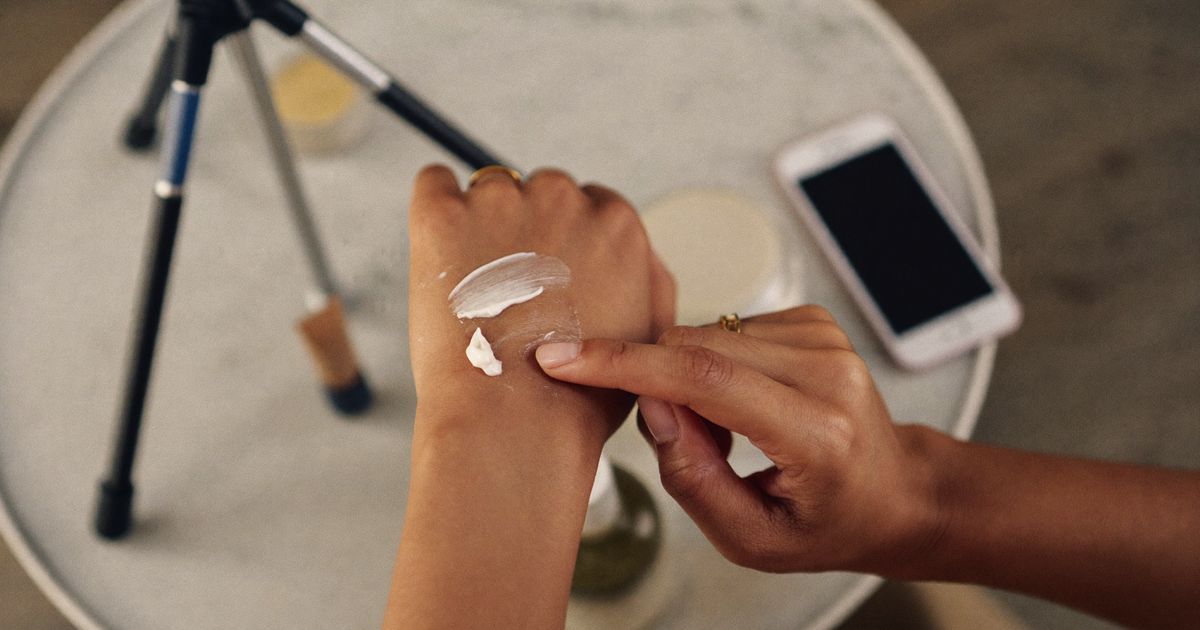
- Ask for a B-roll list in the brief: close-up of texture on the back of the hand, the dropper fill, the skin before application. These clips are your ad remix assets.
We brief creators to include one "confession moment" in every beauty UGC piece, something like "I was skeptical because I've tried four vitamin C serums that oxidised within two weeks". That moment of relatable doubt followed by positive proof is the structure that generates saves and shares on Instagram Reels.
ASCI Compliance Is a Creative Constraint, Not a Legal Afterthought
ASCI's Influencer Guidelines (updated 2021, with subsequent ASCI-SEBI aligned additions) require that sponsored beauty content carry a clear disclosure, #Ad, #Sponsored, or "Paid Partnership", visible without clicking "more." This is not optional and enforcement has tightened since 2023.
For advanced UGC programs, compliance needs to be baked into the brief and the approval workflow:
- Claims substantiation: Do not brief creators to claim "reduces dark spots by 40%" unless you have the clinical data to back it. If a claim appears in creator content and you are running it as a paid ad, you are responsible for that claim under ASCI's advertiser liability framework. Stick to structure-function language: "helps visibly brighten over time" rather than "eliminates hyperpigmentation."
- Disclosure placement: In your creator contract, specify that #Ad must appear within the first three lines of the caption on Instagram and as an on-screen text overlay in the first five seconds of a Reel. Platform-level "Paid Partnership" tags do not replace this for ASCI purposes.
- Retouching disclosure: ASCI's guidelines prohibit digitally altering a creator's skin texture or skin tone in beauty advertising without disclosure. If you are editing creator videos before running them as ads, keep colour grading light and do not smooth skin. The raw-skin aesthetic that makes UGC trustworthy is also what keeps you compliant.
When a creator discloses and still converts, that is the strongest proof signal you can send. Audiences in 2025 are savvy, they know the disclosure is there, and they click anyway because the content earned their trust.
Build a Remix Engine: Turn One Creator Video Into Six Ad Variants
Brands that run UGC at scale do not source new content for every ad test. They build a remix engine, a systematic process for cutting one raw creator video into multiple ad formats with different hooks, lengths, and call-to-action treatments.
From a single 90-second creator video, a well-built remix engine produces:
- A 15-second hook cut (the "confession moment" or the before-and-after reveal) for Instagram and Meta Reels top-of-funnel
- A 30-second mid-funnel version that includes the ingredients/claims segment for retargeting
- A 60-second "full story" cut for YouTube pre-roll or longer Reel retention tests
- A static frame pull, two or three freeze frames showing skin texture or product application, for carousel and static ads
- A square-crop version with on-screen text overlay for Facebook feed placement
- A Shorts-formatted version if the creator consented to YouTube usage in the contract
This approach means your cost-per-creative drops dramatically. If you are paying Rs.20,000 for a Tier 2 creator video, you are effectively getting six distinct ad units at Rs.3,300 each. The key is contracting for full usage rights, including paid amplification rights, upfront in the creator agreement, and ensuring the creator shoots with editing headroom: no jump cuts in the first ten seconds, no text overlays baked into the footage.
Channel-Specific Distribution Strategy for Indian Beauty Audiences
Where you run UGC matters as much as what is in it. Indian beauty audiences are fragmented across platforms with meaningfully different intent profiles:
- Instagram Reels: Discovery and impulse. High-performing beauty UGC here combines a strong visual hook in the first two seconds (swipe of product, close-up texture), authentic narration, and a direct link in bio or product tag. Reel saves are a strong leading indicator of purchase intent, track them as a secondary metric alongside CTR.
- YouTube (Shorts + long-form): Research and validation. Consumers searching "best niacinamide serum under 500 rupees" or "sugar-free lipstick review India" are much closer to a purchase decision. Long-form UGC, 8–12 minute honest reviews by Tier 2 or Tier 3 creators, performs exceptionally here and continues generating traffic for 12–18 months. Cost to fund this content is Rs.25,000–60,000 but the organic search compounding value is high.
- Snapchat: Underused by most Indian beauty brands, but Snapchat's 18–24 demographic in Tier cities across India (Jaipur, Lucknow, Nagpur) has strong beauty purchase intent. Vertical UGC ads here compete with less pressure and lower CPMs than Meta.
- WhatsApp Status: For direct-to-consumer brands running WhatsApp commerce, creator-generated "honest review" clips shared through branded Status broadcasts to opted-in lists are a high-conversion, zero-CPM channel. This requires building your WhatsApp subscriber list proactively, but the conversion rates for warm audiences are consistently higher than cold paid.
Measure What Actually Moves Revenue, Not Just Reach
Advanced UGC programs live or die by the metrics they choose to optimise. For beauty brands in India, the metrics that connect UGC to revenue outcomes are:
- Cost per add-to-cart (not just cost per click): Beauty has a long consideration cycle. CTR tells you if the creative hooks; add-to-cart tells you if the content addressed purchase objections.
- View-through conversion rate: On Meta, someone watches your Reel, does not click, but converts later via a direct visit. Beauty UGC drives a disproportionate share of view-through conversions because the intent builds over multiple exposures. Set your attribution window to 7-day click + 1-day view at minimum.
- Creator-specific ROAS: Tag UTM parameters to each creator's content so you can track which Tier and which brief structure is delivering actual revenue. Over 90 days, this data tells you exactly which creator archetypes and brief formats to scale and which to retire.
- Return rate as a downstream signal: If a specific creator's content is driving high purchase volume but also higher returns, the content may be overclaiming or misleading buyers about shade matching or texture. This is both a compliance flag and a brief-quality flag.
Running UGC without this measurement layer means you are generating content but not learning from it, which is the difference between a program and a production habit.
If your beauty brand has the creator relationships but is hitting a ceiling on performance, whether that is creative fatigue in your ad sets, ASCI compliance uncertainty, or a brief process that is not producing content worth amplifying, book a strategy consultation with us. We can audit what you have, identify the gaps in your content architecture, and build the system that turns creator content into a compounding revenue asset.