India's passenger vehicle market crossed 4.2 million units in FY2024, making it the third-largest in the world, yet automotive digital ad spend in India still leans heavily on polished OEM films and dealership offers. The data tells a different story: a 2023 Nielsen study commissioned by Meta India found that ads featuring real-person testimonials drove a 2.4× higher intent lift among auto-intenders compared to brand-produced creative. For a sector where purchase decisions carry an average ticket size of Rs.8–25 lakh, that intent gap is worth chasing seriously.
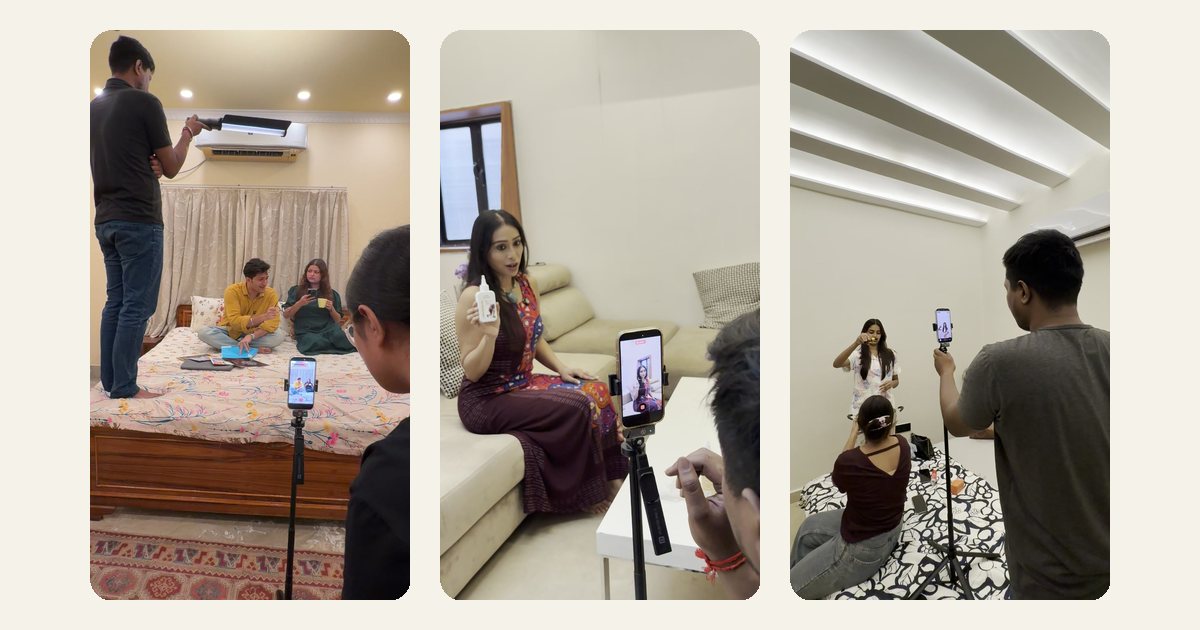
UGC, creator-made or customer-made video content, has measurable traction in automotive specifically because buying a car or two-wheeler in India is a community decision. Families consult, neighbours compare, YouTube reviews get watched three times before a test drive. This article covers what the numbers show, which UGC formats are working, and how to structure campaigns that move the needle rather than just fill your content calendar.
What the Benchmarks Say for Indian Automotive Audiences
Let's ground this in figures. Across automotive campaigns run on Meta in India (data from Meta's own sector reports, FY2023–24):
- Video view-through rate (3-second): Creator-led UGC averages 38–44% on Reels, versus 22–28% for professionally produced dealership ads on the same placements.
- Cost per lead (CPL): Brands using UGC creative in their lead-gen campaigns for test drives reported CPLs in the Rs.280–420 range; polished OEM-style creative on the same accounts ran Rs.600–900.
- YouTube retention: Honest long-form creator reviews (12–18 minutes) on Indian automotive channels retain 55–65% of viewers past the 8-minute mark, a threshold that qualifies for mid-roll revenue and signals genuine purchase intent to advertisers.
- WhatsApp conversion lift: Tata Motors' dealer network reported a 31% higher appointment-to-visit conversion rate when WhatsApp follow-ups included a 60-second creator walkaround versus a static spec sheet (shared at a dealer conference, 2024).
These numbers matter because automotive CMOs often ask for justification before reallocating budget from TV or OEM digital to UGC. The benchmark range is now wide enough to make that case.
The Four UGC Formats That Move Automotive Decisions
Not all UGC is equal in this category. Based on what converts at each funnel stage:
- Walkaround and feature-reveal Reels (top of funnel): 30–60 second vertical videos where a creator walks around the vehicle, calling out one specific feature, boot space, sunroof mechanism, digital cluster. These perform best when shot at real delivery points or petrol stations, not showrooms. Hook in the first two seconds: "This is the one thing the brochure doesn't tell you about the Punch EV." Average CPM on Meta for this format targeting 25–40 males in Tier-1 + Tier-cities across India: Rs.55–85.
- Road-trip and ownership diaries (mid-funnel): Series-format content, three to five videos following a creator's first 1,000 km with the vehicle. These are high-trust because they play out over time. Maruti's Jimny community on YouTube and Instagram generated significant organic reach from early owners doing exactly this, with zero paid amplification. When brands brief creators to do this format, we specify milestones: delivery day, first highway run, first service visit.
- EMI and ownership cost breakdowns (bottom of funnel): India's car-buying anxiety is financial. A creator saying "I pay Rs.14,200 a month for the base Nexon petrol in Kolkata, here's exactly how I structured the loan" converts extremely well. This format has the highest save and screenshot rate on Instagram, a strong bottom-funnel signal. Pair it with a retargeting audience of video viewers.
- Regional language test-drive vlogs: A Tamil-language creator doing a test-drive vlog for the Mahindra XUV 3XO in Chennai will outperform a Hindi-only national ad for that geography. We have seen CTR differentials of 1.8–2.3× for regional-language creator content versus Hindi for the same audience in Tamil Nadu and Karnataka. Languages worth investing in: Tamil, Kannada, Telugu, Marathi, Bengali.
ASCI Compliance in Automotive UGC: What You Cannot Ignore
The Advertising Standards Council of India has explicit guidelines that apply directly to creator-led automotive content. Brands that brief creators without factoring these in expose themselves to complaints and takedowns.
- Performance claims must be substantiated: If a creator says "delivers 24 km/l on highways," that figure must match ARAI certification. ASCI has actioned automotive influencer posts for mileage exaggerations. We brief creators to say "ARAI-certified X km/l" and link to the spec sheet.
- Paid partnership disclosure is mandatory: The ASCI Influencer Guidelines (updated 2023) require a clear "#Ad" or "#Sponsored" label at the start of the caption, not buried. Instagram's paid partnership tag alone is not sufficient under ASCI rules.
- Safety: seatbelts and speed: Any video showing the vehicle in motion must show the driver wearing a seatbelt. ASCI Clause 4 prohibits depictions of unsafe driving. We include this as a hard rejection criterion in our production briefs, content that fails this check does not go live.
- No comparative disparagement: Creator scripts cannot name a competitor and claim superiority without comparative substantiation. "Better than the Creta" is a complaint trigger; "here's why I chose this over other options in the segment" is acceptable.
Budget Benchmarks and Creator Tier Selection
Automotive UGC has a tiered economics that is worth understanding before scoping a campaign:
- Nano creators (10K–50K followers): Typically charge Rs.5,000–18,000 per reel. High authenticity, lower reach. Best used for local dealership campaigns in specific cities, a Pune-based nano creator posting about a test drive at a Pune dealership drives genuine local footfall.
- Micro creators (50K–200K followers): Rs.20,000–60,000 per deliverable. The sweet spot for most automotive UGC campaigns. Enough reach to matter, enough niche authority (car enthusiast channels, family lifestyle creators) to be trusted.
- Mid-tier (200K–1M): Rs.70,000–2,50,000. Suitable for national launches. At this tier, negotiate usage rights explicitly, most brands want to run creator content as paid Meta/YouTube ads, which requires a separate whitelisting or licensing clause.
A benchmark campaign budget for a regional launch (two states, 90-day campaign): Rs.8–12 lakh for creator fees across 15–20 creators at nano/micro level, plus Rs.6–10 lakh in paid amplification. Total: Rs.14–22 lakh. Compare this to a single regional TV spot plus airtime at Rs.40–80 lakh, with no retargeting capability.
Platform Sequencing for the Auto Purchase Journey
India's automotive buyer does not live on one platform. The effective UGC strategy sequences content across touchpoints:
- YouTube: Long-form honest review, 12–20 minutes. This is where considered research happens. Seed two to three mid-tier creator reviews before your campaign launch so organic search results already carry positive sentiment.
- Instagram Reels: 30–60 second feature highlights and delivery-day content. Use Meta's Advantage+ placements to let the algorithm serve across Feed, Reels, and Stories. Set a frequency cap of three impressions per person per week to avoid overexposure to the same creative.
- YouTube Shorts: Repurpose the best 30-second clips from long-form reviews. These index well in YouTube search for queries like "Tata Curvv review 2024" and surface to intent-heavy audiences for zero additional production cost.
- WhatsApp Status (for dealer networks): Dealers can share creator walkaround clips directly on WhatsApp Status, this is legal, low-cost distribution that reaches existing leads already in the dealer's contact list. It is not a broadcast channel to strangers, but for warm leads, completion rates on WhatsApp video are exceptionally high.
In our production briefs for automotive clients, we require the creator to shoot a 90-second master and a 30-second cut simultaneously. The 30-second cut goes to Meta; the 90-second version goes to YouTube Shorts and WhatsApp. One shoot day, three placements, this is how automotive UGC stays cost-efficient at scale.
Measuring What Actually Matters
Vanity metrics are a trap in automotive UGC. The metrics that connect to real business outcomes:
- Test drive lead CPL (not impressions or reach): Track this per creative, per creator, per geography. Automotive campaigns that optimise for this metric consistently see CPL improvements of 30–50% within the first 60 days as the algorithm finds the right audience segments.
- Video-to-lead attribution: Use Meta's Conversion Leads objective with CRM integration so you can see which creator's content preceded the highest-quality leads, those who actually showed up for test drives.
- Branded search lift: Run Google Search campaigns targeting your model name during and after a UGC burst. A lift in branded searches of 15–25% during an active UGC campaign is a reliable signal that creator content is generating real recall, not just scroll-past views.
- Save rate on financial content: For EMI breakdown and cost-of-ownership videos, the save rate (saves ÷ reach × 1000) is the most predictive metric for bottom-funnel intent. A save rate above 8 per 1,000 reach is strong for this category.
If your automotive brand is ready to build a UGC programme grounded in these benchmarks, with properly briefed creators, ASCI-compliant scripts, and a measurement framework tied to actual leads, we can scope it out in a single conversation. Book a free consultation and we will map the right creator tier, platform mix, and budget structure for your specific model or launch.