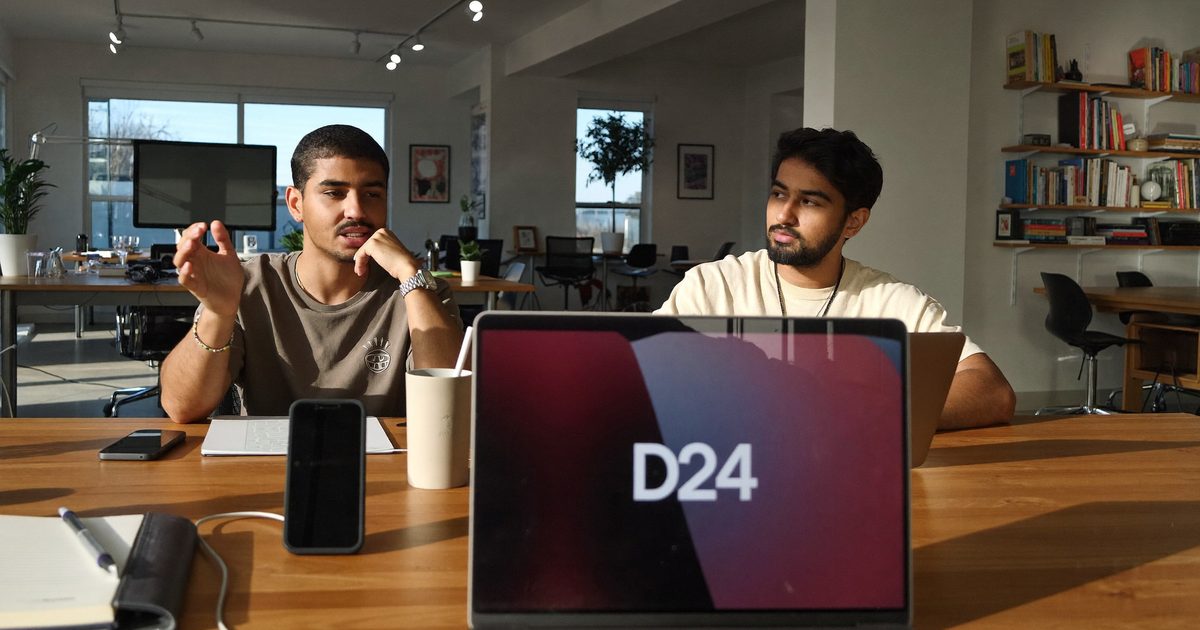
Authentic content marketing is broader than user-generated content. It encompasses every format and channel where brands communicate in ways that feel genuinely human — not scripted, not optimised to the point of sterility, not performing a version of a brand rather than being one. In 2025–26, eight distinct trends are shaping what authentic content looks like for Indian D2C brands, and each offers a practical lever for brands willing to move away from purely promotional content.
1. Long-Form Storytelling Is Rebuilding Brand Depth
The compression of content — shorter videos, snappier copy, faster cuts — has created a gap at the other end: audiences hungry for substance. Long-form content (8–15 minute YouTube videos, detailed newsletters, extended podcast episodes) is experiencing renewed engagement among Indian consumers who want to understand a brand before committing to it, especially in higher-consideration categories like nutrition, wellness, and premium home goods.
Long-form storytelling works for D2C brands when it connects product origins, sourcing decisions, or founder conviction to the buyer's values. It is not content marketing that happens to be long — it is a genuine narrative that happens to be about the brand.
2. Founder Content Has Become a Trust Multiplier
When the person who built the company explains why they built it, in their own voice and with their own imperfections visible, buyers respond differently than they do to polished brand messaging. Founder content — an Instagram series, a LinkedIn thread, a newsletter written in first person — carries inherent authenticity because it puts a real human being accountable for the brand's claims.
Indian D2C founders who have built visible personal brands alongside their company brands consistently report that founder content generates their highest-engagement and highest-trust audience — buyers who feel they know the person behind the product and therefore trust the product more.
3. Behind-the-Scenes Content Reduces Scepticism
Showing the operational reality of a brand — the factory floor, the quality check process, the sourcing trip, the team meeting — is not a transparency exercise; it is a scepticism-reduction strategy. Buyers who have been burned by quality mismatches between ad imagery and actual product are increasingly seeking evidence of the production reality before purchasing. Behind-the-scenes content provides that evidence in a format that is inherently hard to fake.
4. Unfiltered Reviews Are More Persuasive Than Curated Testimonials
The shift here is subtle but significant. Brands used to curate their best reviews and feature the most enthusiastic ones prominently. Buyers have learned to discount heavily curated testimonials — they assume selection bias. The more counterintuitive approach — featuring a review that mentions a minor flaw alongside the overall positive experience — actually performs better on conversion because it signals that the social proof is unmanipulated. Authenticity in review presentation means showing the real distribution, not only the peak.
5. Community-Led Content Is Growing Beyond Brand Control
The most authentic content about a brand is often created without the brand's involvement. Reddit threads, WhatsApp group discussions, skincare forum posts — communities discussing your brand in spaces you do not own are producing content with trust levels that brand channels cannot replicate. The forward-looking strategy is not to control this content but to learn from it (what are the genuine concerns and genuine enthusiasms?) and to create conditions that make it more likely (exceptional products, responsive service, a community worth belonging to).
6. Vernacular Content Is Unlocking Tier-2 and Tier-3 Growth
Content published in Hindi, Tamil, Telugu, Bengali, Marathi, and other Indian languages reaches audiences that English-language D2C content structurally excludes. For brands with genuine distribution in non-metro markets, vernacular content is not a localisation add-on — it is a primary growth channel. The brands growing fastest in tier-2 and tier-cities across India are those investing in vernacular video content, not just translated captions on English videos.
Authentic vernacular content requires creators who genuinely speak the language as their primary medium, not bilingual creators performing in their second language. The authenticity gap is audible and visible, and vernacular audiences are sensitive to it.
7. Value-First Content Earns Audience Before Asking for the Sale
The highest-performing content marketing in Indian D2C currently leads with genuine utility — how to solve a problem, how to choose the right variant for your need, what ingredient does what and why — before making any commercial ask. This approach builds an audience that trusts the brand's expertise, not just its products. When a purchase recommendation comes from a source the buyer has already found genuinely useful, the conversion probability is significantly higher than from cold commercial content.
8. Slow Content Is Differentiating in a Fast-Scroll World
Slow content — content that takes more than 30 seconds to engage with, that requires some thought, that rewards patience — is differentiating precisely because it is rare. A beautifully written email newsletter, a considered photo essay about a sourcing process, a long-form founder reflection on a product failure: these formats attract a smaller audience but a more engaged one. For D2C brands building premium positioning, slow content is a deliberate signal that the brand values depth over volume.
Takeaway
Authentic content marketing in 2025–26 is not about one format or one channel — it is about a consistent commitment to communication that feels genuinely human across long-form, founder-led, behind-the-scenes, vernacular, and value-first formats. The brands building durable audience relationships are the ones treating authenticity as a content strategy rather than a brand aspiration. Book a strategy call to identify which of these eight trends fits your brand's voice and audience profile.