India's creator economy crossed 80 million creators in 2023 by most estimates, but raw numbers obscure what is genuinely interesting: the structural shifts happening within that ecosystem. The way creators organise, the niches they serve, the platforms they prioritise, and the relationship they build with brands are all changing. For D2C brands that rely on creator networks for content production, these shifts are not background noise — they are strategic signals.
1. The Rise of Micro-Niche Communities
Broad lifestyle creators are giving way to tightly focused communities — running clubs, apartment gardening enthusiasts, Ayurveda practitioners, zero-waste cooks. These micro-niche creators command engaged, trusting audiences that respond to brand integrations far more strongly than general audiences. For brands in health, food, and personal care, partnerships with micro-niche creators often outperform macro-influencer campaigns at a fraction of the cost.
2. Vernacular Content Is Moving Upstream
Tamil, Telugu, Kannada, Bengali, and Marathi creator ecosystems are no longer just regional add-ons — they are primary markets for categories like FMCG, personal finance apps, and agri-inputs. Brands that built Hindi-first creator networks are now actively expanding into vernacular talent, and the demand is outpacing supply in several languages. Early movers in vernacular UGC will have a structural advantage as competition intensifies.
3. Creators Are Becoming Content Studio Operators
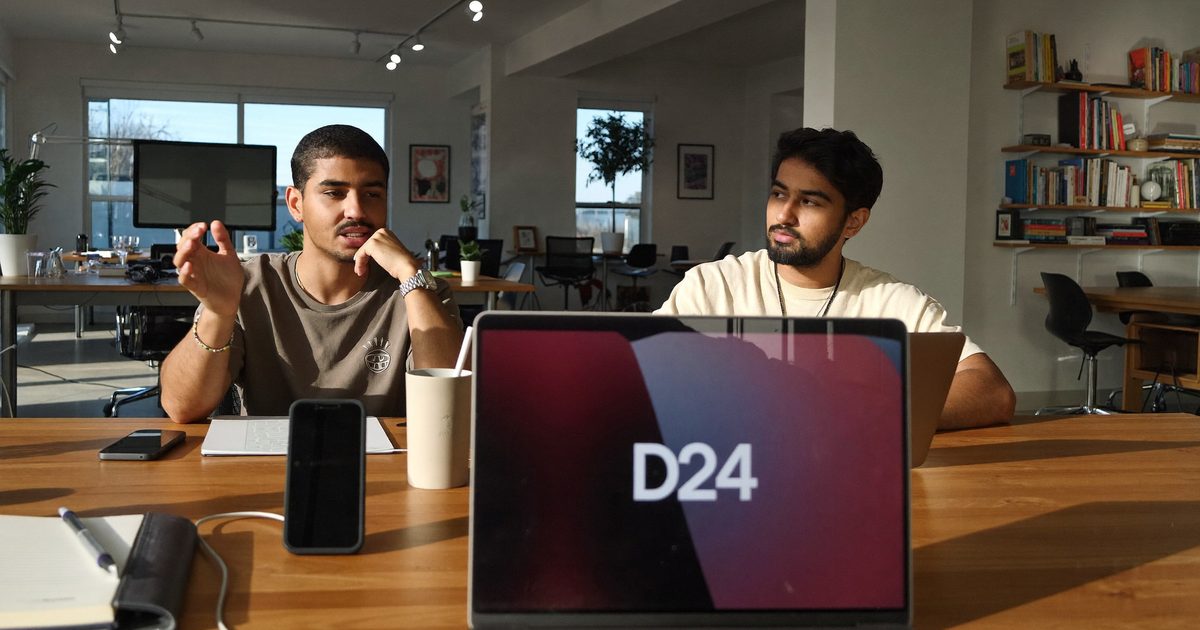
Top-tier UGC creators in India are not just making videos — they are building small production operations with dedicated shooting setups, basic lighting rigs, and editing workflows. This professionalisation means turnaround times are faster and output quality is more consistent, but it also means the best creators are more selective about the brands they work with. Building genuine relationships with these creators matters more than transactional outreach.
4. Platform Diversification Is Accelerating
Creators who built their audiences on Instagram are actively hedging onto YouTube Shorts, Moj, and ShareChat. For brands that depend on a creator's reach in addition to their content production ability, this diversification creates both opportunity (multi-platform content from a single creator) and complexity (performance benchmarks vary significantly across platforms).
5. Authenticity Screening Has Become a Creator Skill
Experienced UGC creators in India are increasingly transparent with their audiences about brand relationships. Rather than hiding sponsorships, they contextualise them — explaining why they agreed to work with this brand, what they actually tested, and what their honest assessment is. Brands that try to script away this transparency typically get pushback from creators who know it will hurt their credibility. Embracing honest endorsement rather than fighting it produces better content.
6. The Demand for Brief Quality Has Risen
As creator professionalism rises, so does expectation around brief quality. Vague or generic briefs that ask creators to 'just make something authentic' are received poorly by seasoned UGC talent. Creators want clear outcomes, specific product context, and enough creative latitude to do their best work. Brands that invest in brief quality attract better creators and get better output.
7. Performance Data Is Flowing Back to Creators
The most productive brand-creator relationships in the Indian market are increasingly data-sharing partnerships. Brands share which hooks drove the most swipe-ups, which video lengths completed highest, and which calls to action converted. Creators use this to improve their next submission. This feedback loop benefits both parties — it is one of the clearest markers of a maturing creator network relationship.
8. Category Specialisation Is Deepening
A growing cohort of Indian UGC creators is choosing to specialise — skincare-only, supplements-only, kids' products only. This specialisation makes them more valuable to brands in those categories because their audience has self-selected around relevant buying intent. For D2C brands, building relationships with category-specialist creators rather than generalists often produces higher-converting content, even if the creator's overall following is smaller.
Takeaway
The Indian creator network is maturing in ways that reward brands who treat creators as partners rather than vendors. Vernacular expansion, micro-niche focus, and rising professionalism are all signals that the quality bar — and the opportunity — is moving upward simultaneously.
Want to tap into the right creator network for your brand's category and language market? Book a strategy call and let us help you build a creator partnership approach that is built for scale.