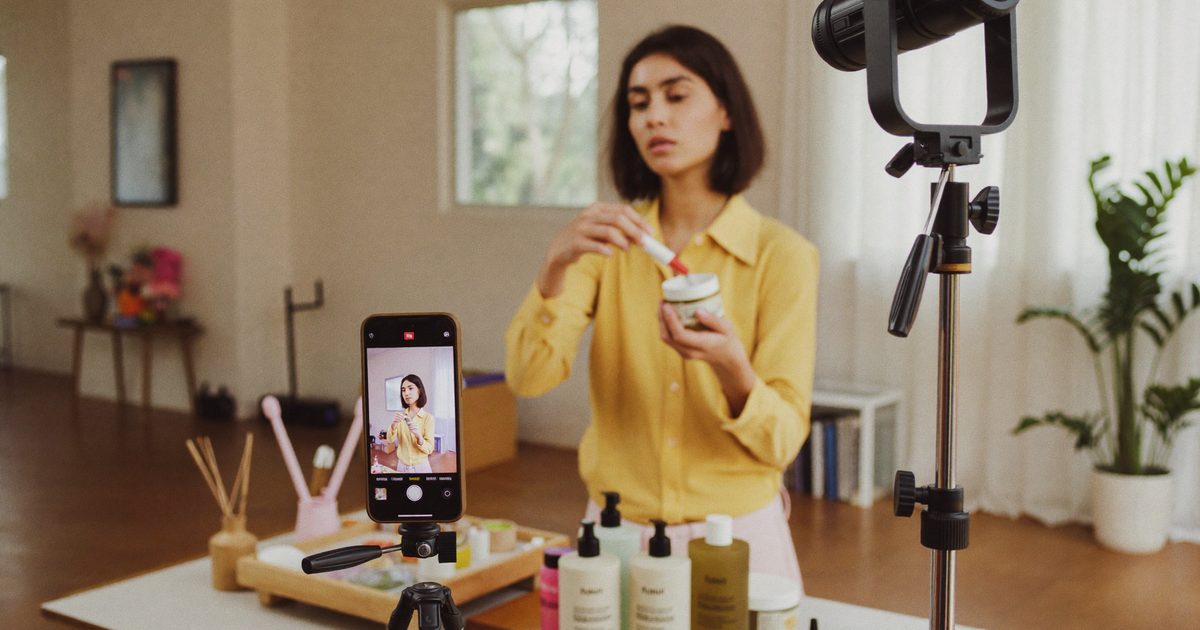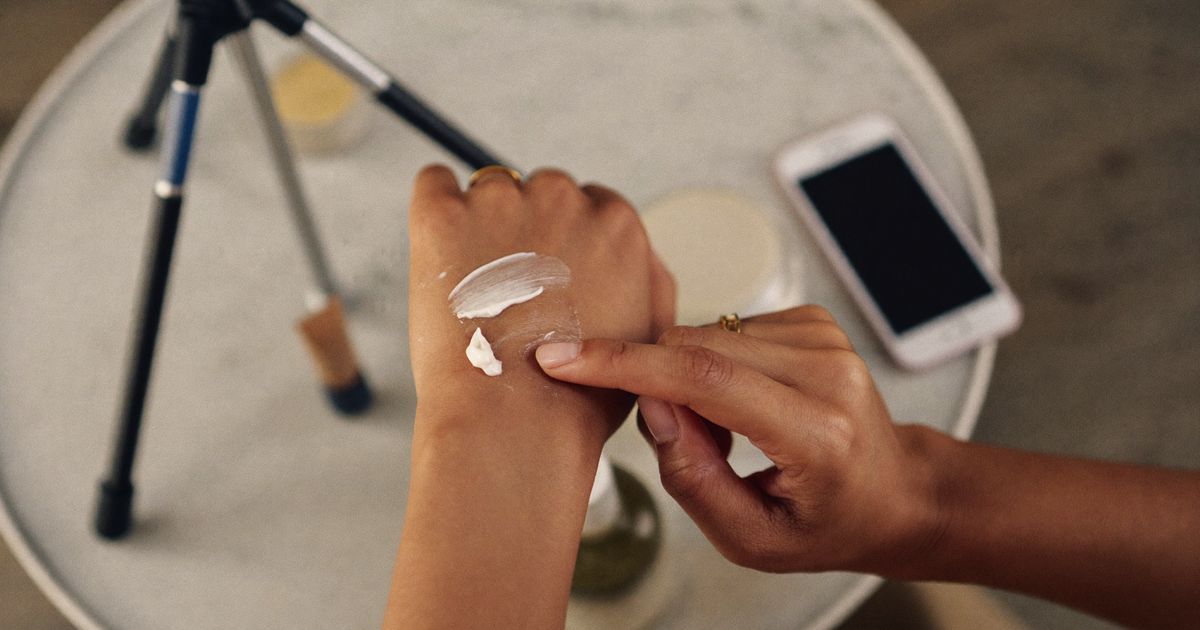
Skincare brands running their first ten UGC videos celebrate every view and comment. Brands running their five-hundredth start noticing something different: the system either scales on its own logic or it collapses into a chaotic backlog of unusable footage, missed briefs, and creators asking the same questions for the third time. The difference between those two outcomes is almost never budget, it is architecture.
This article is for the second kind of brand: one that has already validated UGC as a channel and now needs to treat content production the same way a manufacturer treats a supply chain, with documented inputs, quality gates, throughput targets, and feedback loops. Here is the playbook we have refined working with skincare clients from mid-size D2C labels to regional pharmacy chains.
Audit Your Existing Library Before Adding Volume
The single most common mistake scaling skincare brands make is commissioning more content before understanding why the last batch underperformed. Before briefing new creators, spend a week tagging every existing UGC asset by three dimensions:
- Format: talking-head review, texture close-up, routine walkthrough, before/after, unboxing, FAQ response
- Concern addressed: acne, pigmentation, dry skin, SPF compliance, ingredient education, sensitivity
- Hook type: problem statement, curiosity gap, social proof claim, demonstration, challenge to a myth
When you map existing assets against Meta or YouTube performance data, gaps become immediately visible. Most skincare brands discover they are over-indexed on talking-head reviews for moisturisers and nearly empty on SPF content, even though SPF queries dominate organic search in India from March through July. Those are not content gaps, they are revenue gaps. Fill them deliberately rather than randomly.
Build a Tiered Creator Roster, Not a Flat List
A content engine needs a roster structured around function, not just follower count. We organise skincare rosters into three tiers:
- Anchor creators (3-5 people): These are creators with a demonstrated skincare focus, ideally with an audience that overlaps your core buyer, for example, Tamil-speaking women in Chennai aged 22-34 who discuss routine-building. They receive detailed ingredient briefs, handle complex formats like serums and AHA/BHA explainers, and are booked on retainer at roughly Rs.8,000–15,000 per deliverable depending on usage rights.
- Volume creators (10-20 people): Creators who produce authentic, raw-feeling content for ad spend. They are briefed on simpler formats, unboxing, one-product first-impression, quick before/after. Rates here typically run Rs.2,500–6,000 per video for a brand of moderate size, with full usage rights for Meta and YouTube.
- Emerging voices (rolling pool): Nano creators at 2,000–15,000 followers, often recruited from branded hashtag searches on Instagram Reels. They receive product only or minimal fees, contribute texture and authenticity to the library, and are evaluated after three deliverables for promotion to the volume tier.
The engine only works if the tier boundaries are explicit. Anchor creators briefed on volume tasks will produce overproduced content that feels like an ad. Volume creators briefed on complex serums will produce inaccurate claims, a real risk under ASCI guidelines for skincare, which require that any reference to clinical efficacy (percentage reduction in dark spots, dermatologically tested outcomes) be substantiated and not misleading. Your brief template must indicate which claims each tier is permitted to make.
The Brief Template: What Every Skincare Creator Actually Needs
Generic UGC briefs produce generic content. A brief built for skincare has several layers that general briefs omit:
- Skin concern context: Do not just say "our vitamin C serum." Say "position this for someone who has visible pigmentation around the cheeks from sun exposure, has probably tried home remedies with turmeric, and is cautious about spending Rs.700+ on a serum." That level of specificity changes tone, language, and the concerns a creator addresses.
- ASCI guardrails in plain language: Include a short "say this / avoid this" section. For example: "You can say the texture absorbs quickly and your skin looks brighter after two weeks, that is experiential. Do not say it will remove pigmentation in 30 days or that it replaces a dermatologist. ASCI rules require that comparative efficacy claims be backed by evidence the brand holds." This protects both parties.
- Ingredient pronunciation and phonetics: Hindi and Tamil creators routinely stumble on niacinamide, retinol, hyaluronic acid, and tranexamic acid, producing awkward cuts or wrong pronunciations that undermine credibility. Include a short audio file or a phonetics line in the brief (e.g., "nih-ah-SIN-ah-mide").
- Visual mandatories: Lighting (natural light is standard for skincare; avoid warm-tone ring lights that mask redness), packaging orientation, whether fingers-in-product shots are allowed, and skin tone representation guidelines if you are running diverse casting intentionally.
- Hook options: Give the creator two or three opening lines to choose from. Anchor creators can freestyle; volume and emerging creators perform better with starter options because it reduces revision cycles substantially.
Quality Gates: Where Most Engines Break Down
Footage review is the bottleneck that breaks scaling. When every piece of content goes through one person for approval, the engine stalls. Build quality gates instead, defined checkpoints with clear pass/fail criteria that any team member can run.
A quality gate is not aesthetic judgment. It is a checklist: Is the claim ASCI-compliant? Is the product visible for at least 3 seconds? Is audio clean? Is there a clear hook in the first 3 seconds? If all boxes are checked, it moves forward. If not, it goes back with a specific note, not a vague "please improve."
For a skincare brand producing videos per month, we recommend three gates:
- Pre-shoot gate: Creator submits a shot list or voice memo of what they plan to say. A junior team member checks it against the brief and ASCI guardrails before any filming happens. This catches problems before the cost is sunk.
- Raw footage gate: Check for audio quality, hook timing, and mandatory shots. Return with a timestamped feedback note if needed.
- Final export gate: Check aspect ratios (9:16 for Reels/Shorts, 1:1 for feed, 16:9 if repurposing for YouTube), captions, and that no unapproved claims survived editing.
A brand producing 40 videos per month with this gate system typically reduces revision rounds from 2.3 (industry average we observe) to under 1.1 per video within 60 days of implementation.
Repurposing Architecture: One Shoot, Multiple Outputs
At scale, the cost efficiency in UGC comes not from shooting more cheaply but from extracting more placements from each shoot. A well-briefed skincare creator shooting a 90-second routine walkthrough should yield at minimum:
- One primary 60-second Reel for paid Meta amplification
- One 15-second cut isolating the hook and product reveal for story ads
- One 30-second cut focused on the ingredient benefit for YouTube pre-roll
- 3-4 still frames for carousel posts or Google Display (request creator shoot 5 seconds of product held to camera for this)
- One 45-second version with Hindi voiceover swapped in if the original was in English, targeting Tier cities across India on Meta
We brief creators to film a "raw ingredient segment", 20 seconds where they hold the product, mention the key ingredient, and look directly at camera, even if it will not appear in the primary video. This segment is cut into educational Reels separately and often outperforms the full review on saves and shares, because ingredient curiosity is high in the Indian skincare market right now, particularly around peptides, bakuchiol, and azelaic acid.
Measurement Loops That Feed Back Into the Engine
The engine is only as good as the feedback it receives from performance data. Set up a weekly review cadence that tracks three metrics by content segment, not just by video:
- Hook retention rate: What percentage of viewers watch past the 3-second mark? If this is below 55% for a format, the hook template needs revision regardless of how strong the rest of the video is.
- Comment sentiment by concern type: On Meta, read comments on acne-focused videos separately from pigmentation-focused videos. You will often find that one concern cluster generates significantly more purchase-intent comments ("where do I buy this", "does it work on dark spots from old acne"). That tells you which brief segments to double down on.
- Creator-level CPR (cost per result): If you are running whitelisted ads through creator handles, pull CPR by creator, not just by ad set. Some creators consistently outperform others in paid amplification even when organic performance looks similar. Anchor those creators on retainer before competitors do.
Feed this data back into the brief every 30 days. If hook type B outperforms hook type A across three consecutive weeks, retire type A from the default brief and replace it. The content engine should be self-correcting, not set-and-forget.
Compliance at Scale: ASCI and Beyond
As volume increases, so does compliance exposure. ASCI's Guidelines for Advertising of Cosmetics and Personal Care Products explicitly require that claims about skin lightening, anti-ageing, or UV protection be truthful and not exaggerated. When you are briefing 20 creators simultaneously, one off-script claim in a whitelisted ad can trigger a complaint that affects your entire ad account.
The practical safeguard at scale is a claim registry: a shared internal document that lists every approved claim mapped to the supporting evidence (a lab report, a clinical study, an ingredient supplier's efficacy data) and the exact phrasing that is acceptable. Every brief links to the relevant section of this registry. When ASCI publishes updated guidelines, typically after a new complaint cycle, the registry is updated and creators on retainer are notified. This is not bureaucracy; it is the difference between a sustainable content operation and one that gets paused mid-campaign.
If you are at the stage where your skincare brand needs a UGC engine rather than just a series of campaigns, the architecture choices you make in the next 90 days will determine whether you have a scalable asset or an expensive mess a year from now. The UGC Agency works with brands to design and operate these systems end-to-end, from creator rostering and brief development to quality gates and paid amplification. See what a structured engagement looks like at our pricing page, or reach out for a build-vs-buy assessment specific to your category and production volume.