Luxury and user-generated content seem like an odd pairing at first, one built on exclusivity and crafted perception, the other on ordinariness and raw authenticity. Yet some of India's fastest-growing premium D2C brands, in skincare, jewellery, apparel and food, have quietly built systematic UGC machines that do what no studio campaign can: put the product inside aspirational, real Indian lives without the artificiality of a production set. The key word is systematic. Running a one-off UGC campaign with three creators is not a content engine. This is an advanced playbook for brands that have already proven UGC works for them and now want to scale it without diluting brand equity.
The challenge in luxury UGC is twofold: you need volume (to feed Meta and YouTube algorithms with creative variation) and you need curatorial rigour (to ensure nothing looks cheap or off-brand). Most brands solve for one and sacrifice the other. The frameworks below are designed to hold both simultaneously.
Redefine Your Creator Tier Structure
Generic UGC programmes treat all creators as interchangeable content vendors. Luxury brands cannot afford this. We recommend a three-tier structure, not by follower count but by visual fluency and context fit:
- Tier 1, Aesthetic Anchors: Creators whose existing content, colour palette, framing, lifestyle context, already reads premium. These are often micro-creators (10K–80K followers) in metro cities, particularly Mumbai, Bengaluru, Hyderabad and Delhi. They set the visual grammar for your brand's UGC. Budget: Rs. 8,000–20,000 per deliverable.
- Tier 2, Volume Producers: Reliable creators who can replicate formats at scale after being briefed against Tier 1 reference content. Lower rate (Rs. 2,500–6,000), higher cadence, used primarily for ad creative variations and A/B split testing.
- Tier 3, Community Advocates: Actual customers gifted product in exchange for organic posts. No scripting, no payment, but they require the most careful selection. A Rs. 4,000 artisan candle brand, for example, should only gift to creators whose feed doesn't mix with Rs. 99 haul content.
The ratio we brief against for premium Indian D2C: roughly 20% Tier 1, 60% Tier 2, 20% Tier 3 by volume, but Tier 1 content dominates the top-of-funnel ad spend allocation.
Build a Visual Brief, Not a Script Brief
Over-scripted UGC destroys the authenticity signal that makes it work. But no brief at all produces content that looks like it belongs to a different brand. For luxury, the sweet spot is the visual brief: a 1-2 page PDF that defines non-negotiables visually rather than verbally.
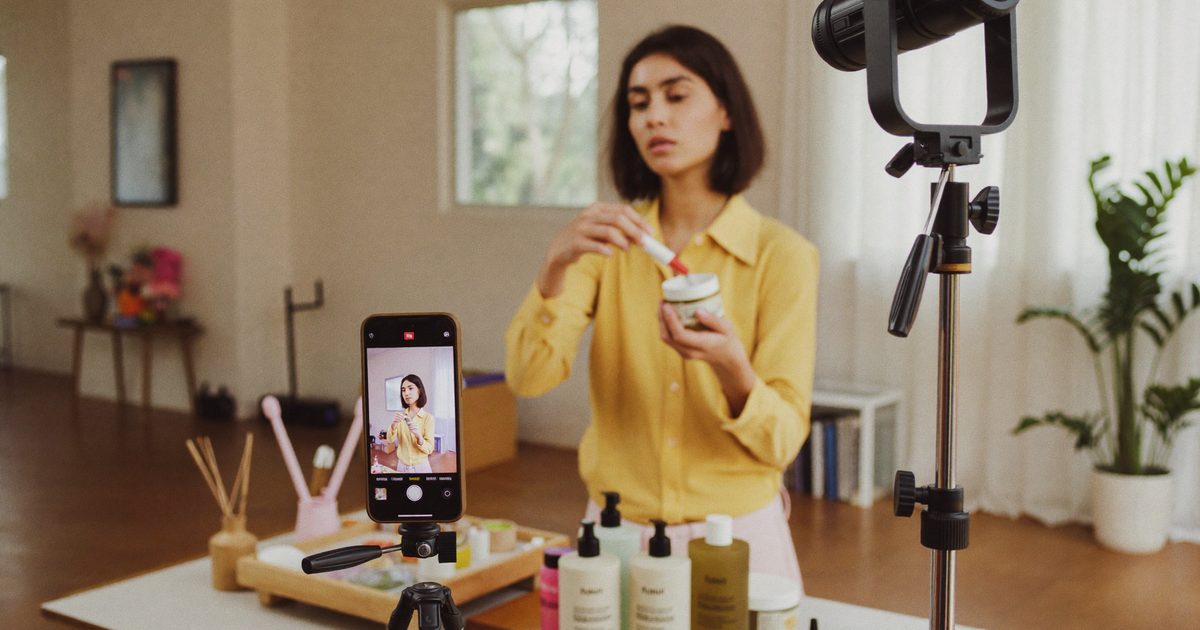
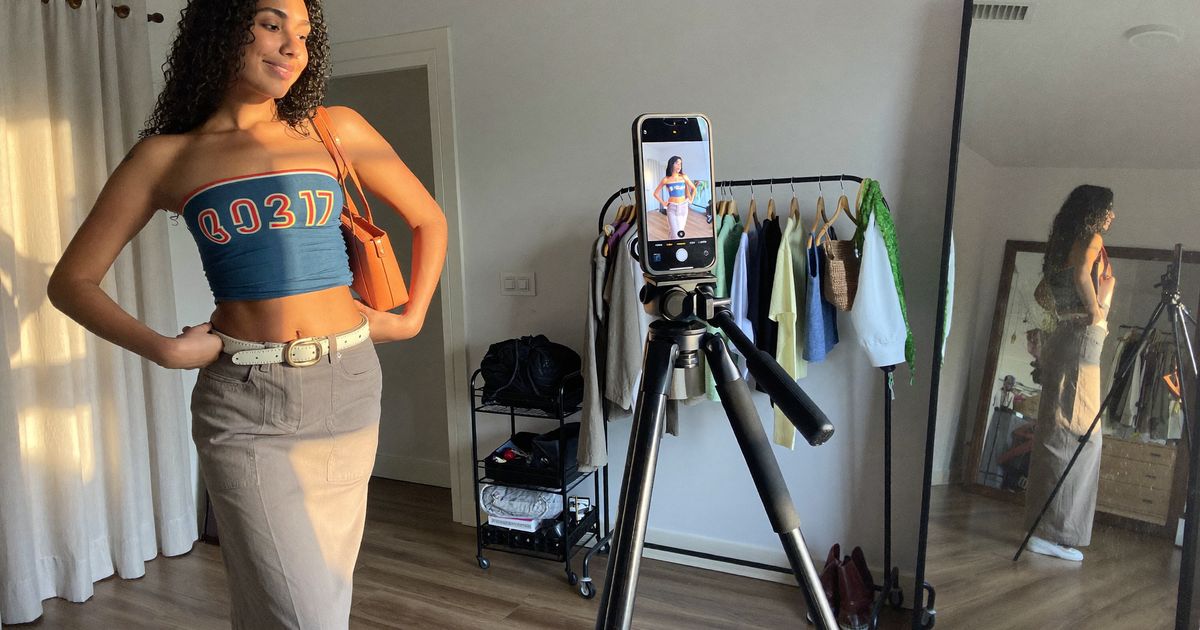
A strong visual brief for a premium Kolkata-based ethnic jewellery brand, for instance, would specify: natural light only (no ring lights), neutral or earthy background palettes, no visible plastic packaging, product worn against skin rather than laid flat on a surface, and soft-spoken Hindi or Bengali delivery rather than high-energy commentary. What it would not specify: the exact words, the structure of the video, or the creator's personal opinion of the product. That freedom is what makes the content feel real.
We brief creators on what the frame should feel like, not what they should say. The visual grammar is brand-controlled; the voice is entirely theirs.
Include 6–8 reference images pulled from creators whose aesthetic already fits, this communicates more efficiently than three paragraphs of description. For ASCI compliance, always include a mandatory disclosure line: creators must add #ad or #gifted clearly in the caption if product was paid for or gifted, placed before "more" on Instagram so it's visible without clicking.
Design for Creative Variation From Shoot Day
Most brands brief a creator for one deliverable and get one deliverable. This is an enormous inefficiency. A well-structured luxury UGC brief should yield 4–6 usable assets from a single creator engagement by planning variation intentionally:
- Hook variants: Ask for two distinct opening hooks, one curiosity-led ("I've been testing this for 30 days"), one social proof-led ("My mum actually asked me where I bought this"). Same body content, different openers, split-testable immediately.
- Format variants: A 30-second Reel, a 6-second cut-down for bumper ads, and a static frame pulled from the most visually striking moment. Three formats from one shoot.
- Language variants: For brands targeting both Hindi-speaking and English-speaking urban audiences, ask bilingual creators to record two separate versions. A Hindi version for performance campaigns in Tier cities across India; English for metro-targeted upper-funnel awareness.
This architecture means a Rs. 12,000 creator fee produces assets that would cost Rs. 60,000–80,000 from a traditional production house. The economics matter, but they are a byproduct of the system, not the reason to build it.
Operate a Proprietary Asset Library
This is where most brands leak value. They commission UGC, use it for one campaign, and let it sit in someone's Google Drive until usage rights expire. A content engine treats the asset library as a strategic resource:
- Tag every asset by product, creator tier, format, language, hook type, and performance (CTR and thumb-stop rate from Meta Ads Manager).
- Establish a 90-day refresh cycle: any asset that has run for more than 90 days in active campaigns gets retired or remixed, even if it is still performing adequately. Luxury brands cannot afford to let their UGC feel ubiquitous.
- Build a "remix rights" clause into all creator agreements, the right to recut, add captions, reorder sequences, or pair with brand voiceover. This extends the life of high-performing raw footage without re-engaging the creator.
- Negotiate perpetual digital rights upfront rather than 6-month or 12-month windows. At Indian creator rates for micro talent, the premium for perpetual rights is modest (typically 25–40% above the base fee) and worth it for evergreen product content.
Connect UGC Output Directly to Media Buying
A content engine that isn't wired to your media buying function is just a content calendar. The feedback loop is what separates systematic UGC from ad hoc UGC. Practically, this means:
- Weekly creative reviews: Your media buyer and content team should look at CTR, hook rate (3-second view-through), and thumb-stop rate together, not in separate silos. A piece of UGC with a 12% hook rate on Instagram Stories tells the content team exactly which brief element to replicate.
- Dynamic creative testing: Use Meta's Dynamic Creative Optimisation to let the algorithm find the best-performing hook-body-CTA combination across your UGC variants. This is particularly powerful when you have multiple language versions, the system will allocate spend to Hindi variants in UP/Rajasthan and English variants in Bengaluru/Mumbai without manual intervention.
- Seeding top performers to organic: The highest-performing paid UGC (by completion rate) should also be reposted to brand organic channels with creator credit. This compounds reach and, for luxury brands, demonstrates authentic endorsement, something staged studio content can never replicate.
Protect Brand Equity Through a Creator Vetting Protocol
For luxury specifically, creator selection failure is brand-damaging in a way it isn't for mass-market products. A systematic vetting protocol should run before any creator is briefed, not just at the contracting stage:
- Scroll the last 60 posts on the creator's primary channel. Flag: any association with competing brands at a lower price tier, political content that could be controversial, or a significant mismatch between the creator's evident lifestyle and the product's aspiration level.
- Check comment quality, not just count. Luxury brand UGC needs an audience that is genuinely aspirational, high comment-to-like ratios with substantive comments are a stronger signal than raw engagement percentage.
- For gifting programmes (Tier 3), require creators to submit a photo of their living/work space before dispatch. This sounds invasive but is common practice among premium beauty and home-décor brands. A Rs. 6,000 artisan soap brand does not want its unboxing filmed against a cluttered, poorly lit background.
- Include a content review step in the contract: brand approval before posting, with a 24-hour review window. ASCI guidelines already require this in spirit for paid endorsements; building it into the workflow protects both parties.
Luxury UGC at scale is ultimately a discipline problem, not a budget problem. The brands doing it well in India, whether it is premium Ayurveda labels out of Bengaluru, heritage textile brands in Jaipur, or contemporary jewellery houses in Mumbai, have invested in the operational infrastructure: the tier structure, the visual brief system, the asset library, and the media feedback loop. If your UGC programme is still running on intuition and one-off briefs, this is the inflection point. If you are ready to build a system, talk to our team, we help premium Indian brands design UGC engines built for consistent, on-brand creative output at scale.