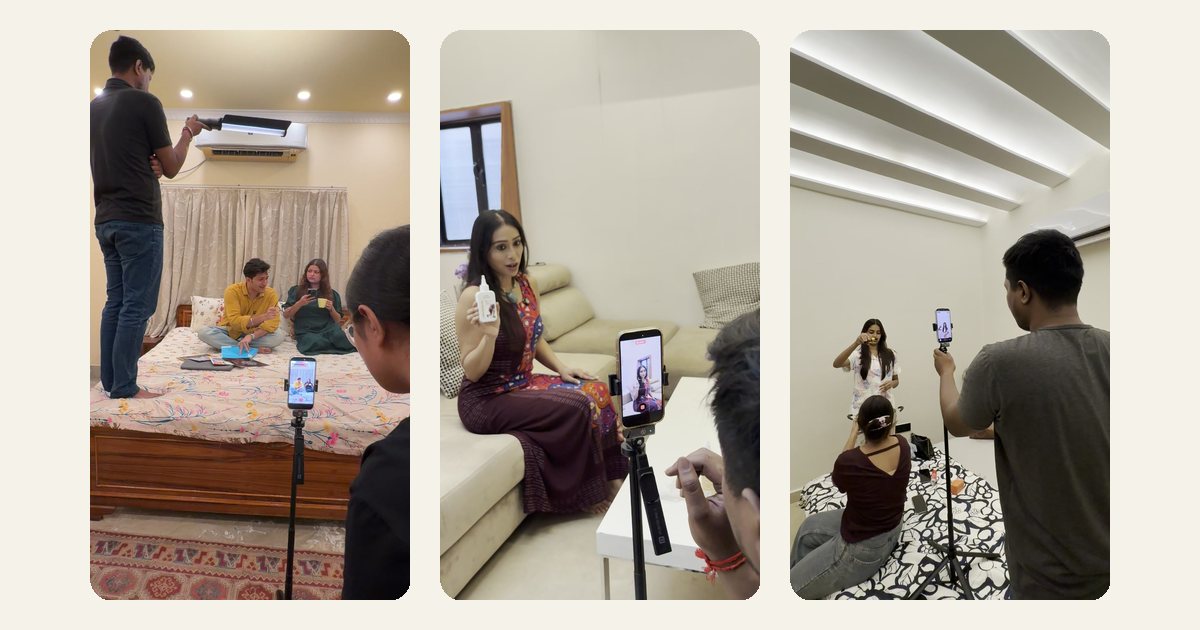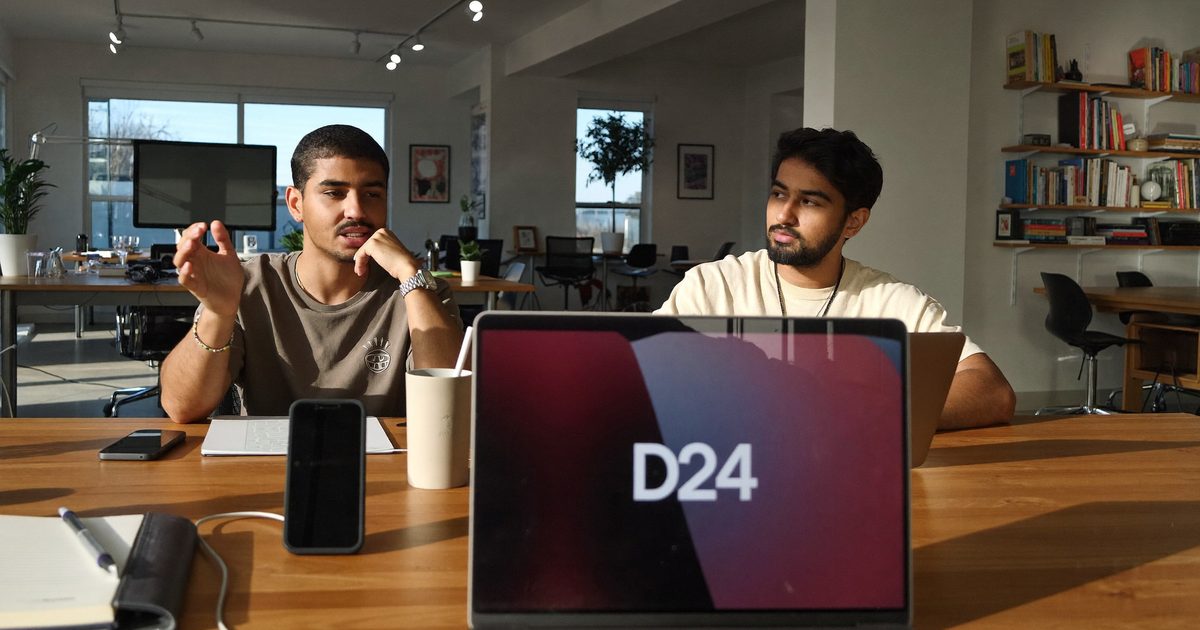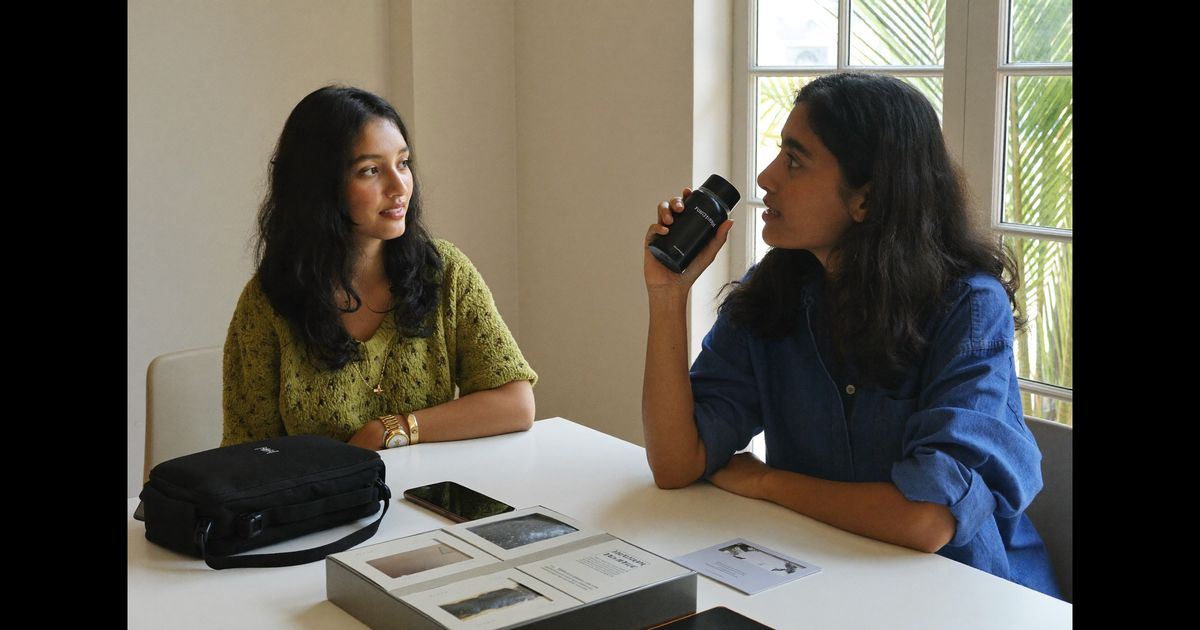
A boutique resort in Coorg will run a sponsored Instagram post and get reasonable reach. It will run a 30-second creator video of someone walking through the morning mist to the infinity pool, shot on an iPhone, narrated in Hinglish, clipped to a trending audio, and get bookings. That gap is not accidental. It is the result of a structured production system, and building one for a hospitality brand is a different challenge than building one for a D2C product. Rooms cannot be shipped to a creator's flat in Bengaluru. The atmosphere, the staff warmth, the way coffee arrives, these things only exist on-property.
Over the last two years we have built UGC content engines for hotel brands, boutique stays, travel experience operators, and restaurant chains across India. Here is how that system actually works, from creator sourcing through to Meta ad deployment.
Why Hospitality UGC Has a Harder Brief Problem
When we onboard a FMCG brand, say a skincare label from Pune, we can ship product, write a detailed brief, and a creator films in their own home. Hospitality doesn't work that way. The brief must account for variables the creator will encounter on-property: lighting at different hours, which areas are photogenic versus cluttered, how staff interactions should be framed, and what seasonal context matters (monsoon at a hill station reads completely differently from peak winter).
Our production briefs for hospitality clients run longer than our standard briefs, typically 1,200 to 1,500 words, and they include:
- Shot-list by zone: check-in desk, room reveal, F&B setup, outdoor/pool/garden, and at least one "human moment" with real staff (pre-cleared with the property's GM)
- Time-of-day guidance: golden hour for outdoor shots, morning for room reveals before housekeeping disturbs the setup, afternoon for food
- ASCI compliance note: if the creator posts organically or is boosted as a dark post, the content must carry a visible "paid partnership" or "collab" disclosure as per ASCI's 2021 influencer guidelines; we build this into the brief, not as an afterthought
- What NOT to show: adjacent construction, other guests without consent, pricing boards (price parity with OTAs is a real concern for hotel revenue managers)
This brief is shared with both the creator and the property's marketing contact at least five days before the stay. Surprises on shoot day collapse timelines and waste everyone's travel.
Creator Selection: Travel Creators vs. Lifestyle Creators
The instinct is always to go after travel creators. Resist that instinct for at least half your creator roster. Travel creators, people whose entire feed is destinations, speak to an audience that is already in travel mode. Lifestyle creators whose audience is urban professionals in Mumbai, Delhi, or Hyderabad will surface a property to people who had not yet thought about booking anything, which is where conversion lift actually happens.
For a mid-range property (say, a ₹4,000–₹8,000 per night resort in Mahabaleshwar or Kasauli), our typical creator mix looks like this:
- 1 travel-focused creator (50K–200K followers) for aspirational anchor content
- 2–3 lifestyle/food/couple creators (15K–80K followers each) for relatable, high-engagement short-form
- 1 regional-language creator, Hindi, Marathi, or Tamil depending on the property's core feeder market, because a property in Ooty performs very differently when the creator narrates in Tamil versus English
Fees for on-property stays are structured differently from product creator deals. We negotiate a combination of complimentary stay (typically 2 nights, double occupancy) plus a modest cash fee (₹8,000–₹25,000 depending on reach and deliverables). The property absorbs the stay cost, which is often cheaper per booking than OTA commission. We ensure the contract specifies that the brand gets perpetual rights to repurpose all content as paid ads, this single clause is what makes UGC commercially valuable versus a one-time post.
The Formats That Actually Convert for Hospitality
Not all short-form formats perform equally when the goal is a booking inquiry. After running Meta campaigns for several hotel and resort clients, these are the formats we lean on most:
- Room reveal walkthroughs (15–25 seconds): Creator opens the door cold, camera follows them in. No pre-setup, no staged flower petals. The authentic surprise reads better on Reels and outperforms polished photography ads consistently for mid-tier properties. We brief creators to narrate in first person: "I literally gasped when I walked in" lands better than a scripted voiceover.
- Morning routine content: Waking up in the property, stepping out onto a balcony, the first cup of chai or filter coffee. This format is deceptively powerful for properties with a strong breakfast or landscape experience, it puts the viewer into the sensory memory of a trip they haven't taken yet.
- The "is it worth it" hook: Starting a video with "Is this resort actually worth ₹6,000 a night?" triggers curiosity loops. We brief creators to answer it genuinely, including mild criticisms like "the WiFi in the cottages is weak", because audiences have become expert at detecting promotional content, and a small honest negative makes the positives far more credible.
- Couples/group arrival content: Tagged with location, especially for hill stations and beach properties in Goa or Kerala, this format drives saves and shares on Instagram, and saves specifically correlate with later-stage booking intent in Meta's algorithm.
We brief creators to answer the "is it worth it" question genuinely, including mild criticisms. A small honest negative makes the positives far more credible to an audience trained to spot promotional content.
The Production Logistics Most Brands Skip
Getting creators to a property and back is where a lot of hospitality UGC projects fall apart. These are the logistics gaps we have learned to close:
- Travel coordination: For properties more than three hours from a major city, we build travel reimbursement into the deal structure, either direct reimbursement at actuals or a fixed allowance (typically ₹2,500–₹5,000 for rail or bus, more for fly-in destinations like the Andamans or Leh). Leaving this vague causes creator dropout closer to the stay date.
- On-property point of contact: We ask the hotel to designate a specific staff member, not the GM, who is busy, as the creator's day-of contact. This person helps with room access timing, arranges any F&B setups, and escorts the creator to restricted-view areas (rooftops, private pools). Without this, creators waste half their stay navigating bureaucracy.
- Raw file handover deadline: We set a 72-hour post-stay deadline for the creator to submit raw clips and a 5-day deadline for edited deliverables. Properties with seasonal campaigns (Diwali long weekends, New Year, summer school holidays) cannot wait three weeks for content. The contract makes this explicit.
- B-roll ownership: We negotiate that all secondary footage shot on the trip, not just the deliverable videos, is handed over to the brand. This B-roll feeds into future ad creatives, email headers, website galleries, and Google hotel listings at zero additional cost.
Turning One Stay Into a 90-Day Content Supply
A single 2-night creator stay, properly briefed and contracted, should yield far more than two or three Reels. Here is the content architecture we extract from one visit:
- 3–5 short-form vertical videos (15–45 seconds each) cut for Instagram Reels and YouTube Shorts
- 1 longer narrative video (90–120 seconds) for YouTube and Facebook feed, covering the full stay experience
- 10–20 static images for Meta carousel ads, Google display, and OTA listing upgrades
- 15–30 seconds of ambient B-roll for future ad remixes, lobby, pool, food close-ups
- 1 text testimonial pulled from the creator's caption or a follow-up voice note for use in email campaigns and the property's website
When we run Meta campaigns for hospitality clients, we never launch with a single creative. We build a 3–5 variant test from the same raw material: different hooks, different captions, different thumbnail frames. A morning-light room reveal might outperform the pool video in Delhi but underperform in Chennai, where beach content resonates more. The content engine lets us iterate without going back to the property.
What a Full-Cycle UGC Engine Costs and Returns
Brands often budget UGC hospitality work in isolation, "we want three creators to visit." The number that matters is cost-per-booking-inquiry, not cost-per-video. Here is a rough benchmark for a mid-tier Indian resort property running a three-month UGC campaign:
- Creator fees + stays (4 creators): ₹1,20,000–₹1,80,000
- Production coordination and brief writing: ₹30,000–₹50,000
- Meta ad spend to boost top-performing creatives: ₹60,000–₹1,20,000 per month
- Total 3-month investment: approximately ₹3,50,000–₹5,50,000
For a property with an average booking value of ₹12,000–₹20,000 (2-night stay, couple), generating 30–50 direct booking inquiries over the campaign period is a realistic target, and direct bookings eliminate the 15–25% OTA commission that would otherwise apply. The content also has a long tail: good UGC keeps driving results for 6–12 months after production, unlike a one-time sponsored post.
If you are running a hospitality brand, boutique resort, experiential hotel, restaurant chain, or travel operator, and want to understand what a structured UGC content engine would look like for your specific property and feeder markets, speak with our team. We scope hospitality projects differently from product campaigns, and the initial conversation is usually where the real brief gets built.