A sofa that looks ordinary in a catalogue photograph can stop someone mid-scroll the moment a real person shows it draped with a Jaipur block-print throw, morning chai cup balanced on the armrest. That gap between catalogue and context is exactly where home decor brands lose or win customers, and it is the gap a UGC content engine is designed to close, repeatedly and at scale.
Building that engine is not about running one influencer campaign and calling it done. In our production work across home decor clients, from direct-to-consumer furniture startups in Bengaluru to artisan home-textile labels in Jaipur, we have learned that a sustainable system depends on five interlocking decisions made before a single creator is briefed. What follows is how we actually set that up.
Step 1: Define Your Content Pillars Before You Cast Anyone
Home decor is visually rich but thematically scattered. Brands that skip pillar planning end up with a feed full of unrelated room shots and no coherent story. We force this decision upfront by mapping three to four content territories that reflect both the product range and the buyer's journey:
- Room transformation: before-and-after videos where the product is the inflection point. Works especially well for rugs, lighting, and storage furniture.
- Styling in context: creators show how a product fits their actual home, the Kolkata flat with mismatched inherited furniture, the Pune rental with landlord-white walls, the Mumbai 2BHK where every square foot counts.
- Material and craft close-ups: hand-on-texture videos, unboxing of packaging, zoomed shots of joinery or embroidery. These serve BOFU buyers who need product confidence before a high-ticket purchase.
- Use-case and occasion dressing: Diwali mandir corner setup, guest-room makeover before a wedding, seasonal balcony refresh. High shareability and strong search alignment.
Each pillar maps to a different platform and format. Transformation videos play best as Instagram Reels and YouTube Shorts. Styling-in-context works across Instagram Stories and Reels. Close-up craft content performs on Instagram carousels. Occasion dressing has its own spike seasonality, plan for it three to four weeks ahead of Diwali, Holi, and the September–November wedding season.
Step 2: Casting Creators Who Have Actual Homes
The most common mistake we see home decor brands make is casting travel or lifestyle creators who do not have a fixed, styled living space. Home decor UGC requires an authentic backdrop, a real home that viewers can project themselves into.
We brief our casting team to shortlist creators specifically by their home environment: apartment versus independent house, size (1BHK, 2BHK, villa), city (tier-1 metro versus tier-2 towns like Indore, Coimbatore, or Lucknow), and visible aesthetic (minimal, maximalist, traditional South Indian, Bengali heritage, industrial). This matters because a Rs.12,000 teak-finish shelf looks different and resonates differently in a Hyderabad villa versus a Chennai apartment.
For home decor, micro-creators in the 10,000–80,000 follower range typically outperform mega-influencers because their comment sections show genuine conversations about home and living, "where did you get that wall clock" rather than generic compliments. We pay creators between Rs.3,500 and Rs.18,000 per video depending on deliverables, usage rights, and exclusivity window, with product seeding included for pieces under Rs.6,000.
Step 3: The Brief That Actually Gets Good Footage
Home decor briefs fail when they are written by people imagining a studio shoot. We write them as location-shooting guides instead. A brief we send for a handwoven dhurrie brand includes:
- Suggested room placement options (living room centre rug, bedroom beside-bed accent, balcony outdoor use)
- Lighting guidance, shoot between 8–10 AM or 4–6 PM for natural window light, avoid overhead tube lights
- Camera angles that show pile texture: a 45-degree low shot works; a flat top-down shot flattens the weave
- Mandatory disclosure language per ASCI guidelines: #ad or #sponsored must appear in the first three lines of the caption, not buried after "see more"
- What NOT to say: no price claims the brand cannot substantiate, no superlatives like "best quality in India" without evidence, no comparative claims against named competitors
We tell every creator: your job is not to sell the product, it is to show us your home with this product in it. The viewer does the selling to themselves.
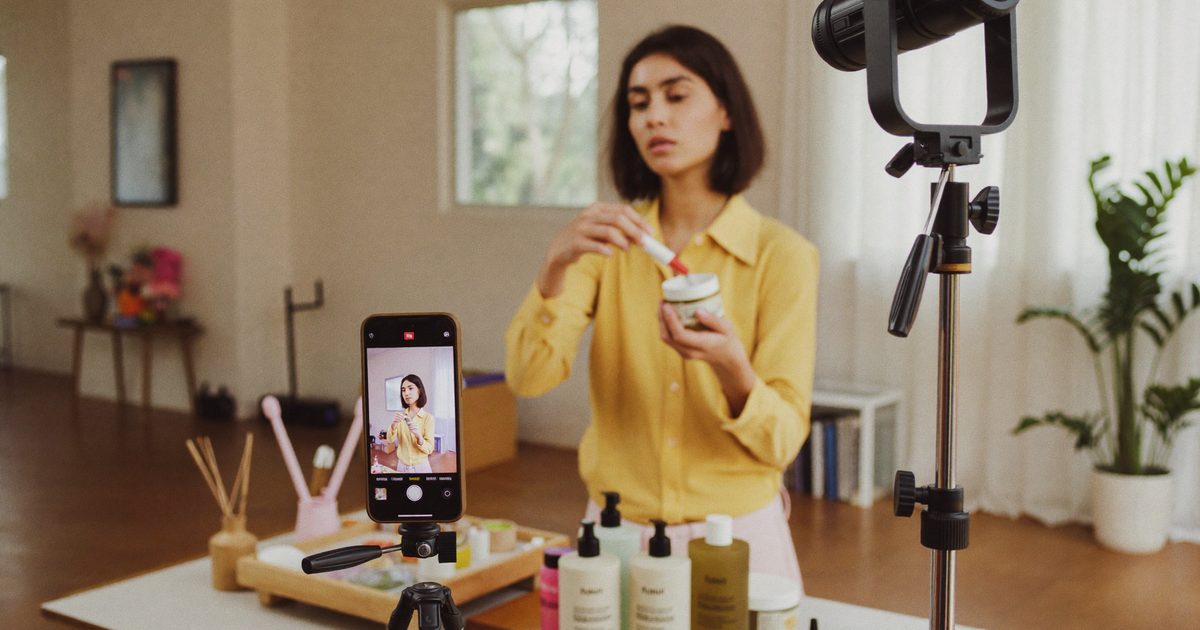
We also include a shot list of six to eight specific clips, a wide establishing shot, a walk-up reveal, a hands-on texture test, and a lifestyle moment (reading, morning routine, work-from-home setup). This gives our editors enough coverage to cut multiple formats from one creator visit without asking for reshoots.
Step 4: Production Logistics That Brands Underestimate
Shipping breakable or large home decor items to creators across multiple cities introduces logistics complexity that kills timelines. We manage this with a few non-negotiable protocols:
- Dedicated brand inventory per campaign: we hold stock at a centralised point (typically the brand's warehouse or a Bengaluru/Delhi fulfilment partner) and ship on a confirmed creator schedule, not a blanket drop
- Unboxing documentation: creators photograph the item on arrival. If anything is damaged in transit, we know before they shoot, not after
- Return or gifting policy decided upfront: for items above Rs.4,000, creators either return or pay a nominal cost; this is disclosed in the creator contract and also manages brand inventory forecasting
- Shooting window of five to seven days: tighter than most brands expect, but it keeps the content calendar predictable and prevents creators sitting on products for weeks
For local activations, say, a Bengaluru home decor brand that wants authentic metro-specific content, we sometimes run city-cluster shoots where three or four creators in the same city receive coordinated briefs and ship dates, giving the brand a content burst with visual variety but logistical efficiency.
Step 5: The Repurposing Framework That Makes the Engine Run
A UGC engine is only as powerful as its output-to-input ratio. A single creator producing one long-form Reel generates usable assets for at least four to six formats when the brief is written correctly and the editing pipeline handles it properly:
- 15-second Reel cut for Instagram and Meta paid ads
- 30-second version for YouTube Shorts and organic Instagram
- Three to five still frames extracted for carousel posts or Google Display ads
- Close-up clip isolated for Stories with a product sticker or swipe-up CTA
- Audio-off version with text overlays for WhatsApp Status distribution or performance ad creative testing
For paid amplification, home decor content performs measurably better when the Meta ad creative uses UGC with a visible home environment rather than white-background product shots. We run A/B tests for most clients using identical copy with two creative types, and the room-context UGC consistently drives lower cost-per-click on catalogue campaigns, particularly for audiences in tier-cities across India where aspirational home content resonates strongly.
Step 6: Seasonality, Refresh Cadence, and Avoiding Creator Fatigue
The Indian home decor calendar has predictable demand spikes: Diwali (September–October), the summer renovation window (March–May), and the monsoon "cosy home" moment (July–August). We build a 12-month content calendar for home decor clients that staggers creator activation across these peaks rather than scrambling at the last moment.
Outside peak seasons, we maintain a lower-frequency engine: two to three new creator videos per month per brand, with content focused on evergreen use cases (WFH setups, rental apartment styling, small-space hacks). This keeps the creative library fresh for paid retargeting without requiring the brand to run full campaign activations every month.
Creator fatigue is a real concern over long-running campaigns. We rotate creators every three to four months rather than re-using the same faces, and we track comment sentiment on high-performing posts to catch audience scepticism early, a comment section that shifts from "love this" to "is this sponsored" is a signal to diversify the creator roster rather than double down.
If you are working on a home decor brand and want to move from ad-hoc influencer posts to a repeatable, multi-format content system, our team at The UGC Agency can walk you through a production plan built specifically for your product category and target cities. Book a consultation to see how we structure this for brands at different scales.