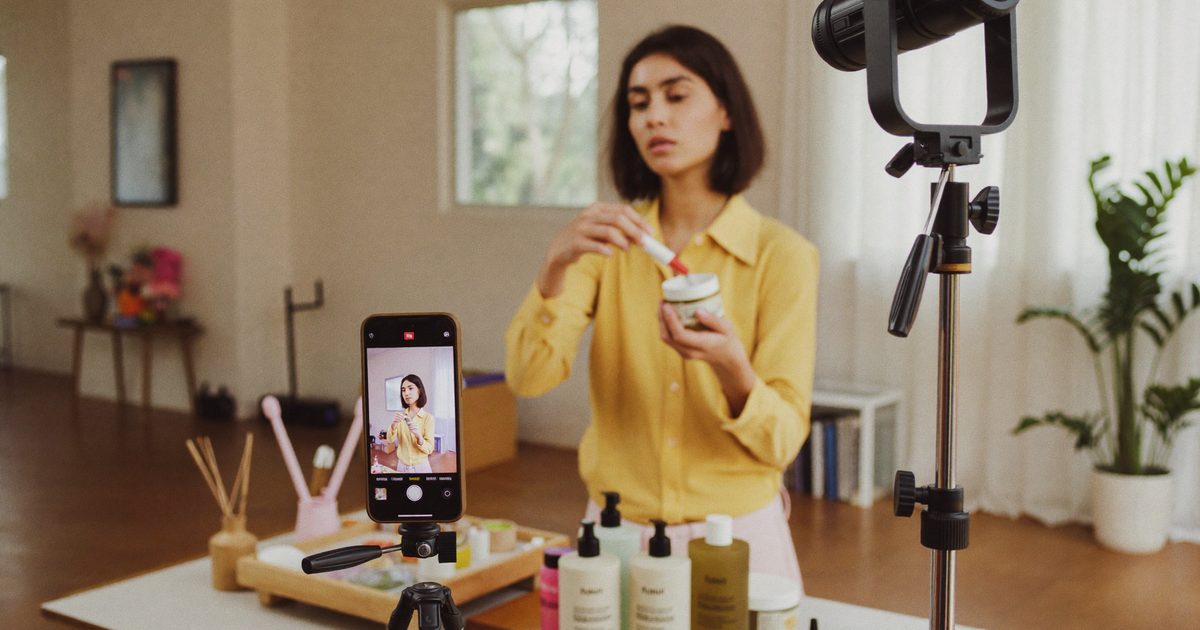
Scroll through Instagram Reels on a Sunday afternoon and you will notice something: half the food content that stops your thumb is not polished brand advertising, it is someone in a Mumbai apartment showing you how they made dalgona coffee, or a creator in Bengaluru doing a first-bite reaction to a new protein bar. That is a UGC content engine doing its job. For food and beverage brands in India, building one is not complicated once you understand the moving parts. This guide starts from zero.
A UGC content engine is simply a repeatable system that continuously produces authentic, creator-made videos and photos about your product, and then puts those assets to work across your paid and organic channels. Think of it as a small production pipeline you set up once and then run on a monthly cadence. For F&B brands specifically, the pipeline revolves around one truth: food is inherently visual and emotional, which makes it one of the easiest categories to generate compelling UGC for, provided you give creators the right brief.
Why F&B Brands Need a Dedicated UGC System, Not One-Off Posts
A one-off creator post might get your product featured during a launch. But a content engine means you always have fresh assets, for Meta ads, for your own Instagram grid, for WhatsApp Status campaigns, for packaging QR codes. F&B purchases are high-frequency and emotionally driven; a consumer might see your ad seven times before buying. If all seven impressions look identical, your results will plateau. A steady stream of diverse UGC, different creators, formats, and angles, solves that problem systematically.
Consider a practical example: a healthy snack brand selling quinoa puffs at Rs. 199 a pack. If they run one polished brand video, they might extract two or three ad creatives. If they build a UGC engine with eight creators per month, they get 15–25 usable clips across unboxings, taste tests, ingredient callouts, and recipe integrations, enough to continuously A/B test on Instagram and Meta without creative exhaustion.
Step 1, Define Your Content Pillars Before Briefing a Single Creator
Before you approach any creator, spend thirty minutes mapping out three to four content pillars specific to your product. These pillars determine what kinds of videos you will need each month. Common F&B pillars include:
- First reaction / taste test: The creator opens, tastes, and gives an honest on-camera reaction. Works exceptionally well for new SKUs or regional flavours (think: a Kolkata creator reacting to a Jain-certified mithai box or an Ahmedabad creator tasting a new mango chutney variant).
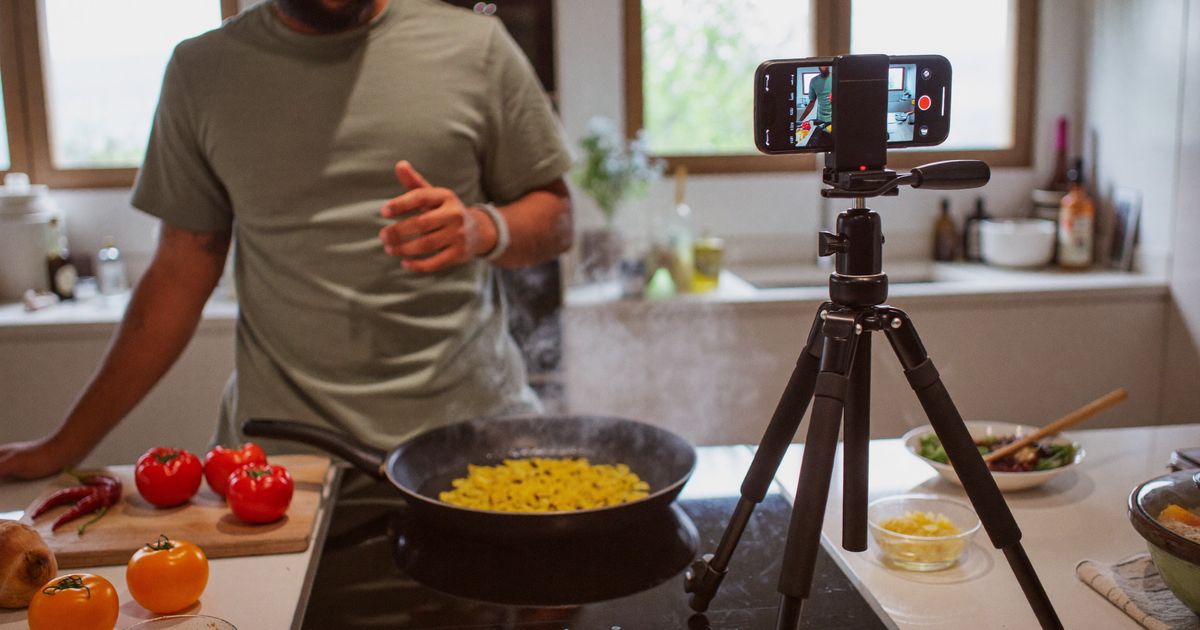
- Recipe integration: Creator cooks something using your product as an ingredient. A brand selling coconut milk benefits enormously from creators showing quick curries, smoothie bowls, or south-Indian breakfasts. These videos have long shelf lives and drive search discovery on YouTube Shorts and Instagram Reels.
- Lifestyle / occasion fit: Creator positions your product in a relatable daily moment, morning chai ritual, post-workout snack, office desk lunch. The brand disappears into a lifestyle, which feels less like an ad.
- Value/comparison: Creator highlights why your product is worth the price point, ingredient quality, no-preservatives angle, health credentials. Important for premium D2C F&B brands charging Rs. 300+ per unit where the purchase decision involves more deliberation.
Not every creator needs to cover every pillar. Map creators to pillars based on their content style and audience overlap with your target buyer.
Step 2, Choosing the Right Creators and Platforms for Indian F&B
The creator selection mistake most new F&B brands make is chasing follower count. A Mumbai food creator with 80,000 followers and a highly engaged audience of urban, health-conscious 25–35-year-olds will drive more conversions for a superfood brand than a celebrity with 2 million followers whose audience is demographically scattered.
For an Indian F&B UGC engine, focus on:
- Instagram Reels creators in the 10,000–150,000 follower range (micro and mid-tier). These creators typically charge Rs. 3,000–Rs. 20,000 per deliverable and are willing to negotiate usage rights for paid amplification. Always secure usage rights in writing before running any creator content as a Meta ad.
- YouTube Shorts creators who do grocery hauls, meal preps, or regional cuisine content. Their videos tend to rank in Google search results, a bonus for F&B brands targeting people searching for recipes or product reviews.
- Regional language creators for Tier 2 and Tier 3 market penetration. A Tamil creator in Chennai, a Marathi creator in Pune, or a Bengali creator in Kolkata can produce content that connects with local audiences in ways that English-language UGC simply cannot replicate. This is consistently underused by D2C F&B brands that focus only on English-Hindi content.
In our production work, we find that the highest-performing F&B UGC on Meta ads comes from vertical video shot in natural light in a kitchen or at a dining table, not from polished studio setups. The authenticity cue matters enormously for food content. We brief creators to avoid heavy filters, shoot with actual steam and real textures visible, and keep captions conversational rather than corporate.
Step 3, Writing a Creator Brief That Actually Works for Food Content
A weak brief produces generic content. A good F&B creator brief covers six things:
- The one job of this video: State the single goal clearly, drive awareness, explain a health claim, showcase a recipe. Do not ask one video to do everything.
- Mandatory product moments: Specify when and how the product must appear on screen. For a beverage, this might mean: open the can on camera, pour it, show the label facing forward for at least two seconds. Do not leave this to interpretation.
- ASCI compliance guardrails: Under ASCI (Advertising Standards Council of India) guidelines, creators must disclose paid partnerships clearly, typically with a #Ad or #Sponsored hashtag that is visible and not buried among other tags. Health and nutrition claims must be accurate and supportable; do not brief a creator to say "boosts immunity" unless your product has substantiation for that claim. Exaggerated before/after claims about weight loss or energy are a common F&B compliance trap. Brief creators on what they cannot say, not just what they should say.
- Tone and energy: F&B content benefits from warmth, enthusiasm, and specificity. "This tastes amazing" is weak. "This is the only granola that doesn't go soggy in milk after five minutes" is specific and memorable. Give creators two or three example lines to inspire specificity without scripting them word for word.
- Deliverable specs: Resolution (1080p minimum), aspect ratio (9:16 for Reels/Shorts), length (30–60 seconds typically performs best for F&B on Meta), raw file format if you need footage for editing, deadline, and revision rounds included.
- Usage rights scope: State explicitly that you require non-exclusive rights to use the content in paid Meta and Instagram advertisements for a defined period (typically six to twelve months). This avoids disputes later and is the piece most new brands forget to include.
Step 4, Organising Your Asset Library and Monthly Cadence
An engine without organisation is just a pile of content. Set up a simple Google Drive folder structure: one folder per creator, inside it the raw deliverable, the approved version, and the usage rights agreement. Alongside this, maintain a short content tracker, a Google Sheet works fine, logging each asset's creator name, content pillar, format, date received, approval status, and whether it has been used in a paid campaign and with what results.
For a monthly cadence that is manageable for a small brand team:
- Brief 4–6 creators on the 1st of the month
- Receive and review content by the 15th
- Launch one to two paid campaigns using new assets in the final two weeks
- Carry the top two performing assets into the next month's always-on campaign while the new batch refreshes creative
At this cadence, even a brand spending Rs. 60,000–Rs. 80,000 per month on UGC production and creator fees will accumulate 40–60 usable assets within three months, enough to run genuinely diverse creative testing across Meta campaigns.
Step 5, Amplifying UGC Beyond Organic Posts
Many F&B brands post UGC to their Instagram feed and stop there. The real leverage comes from paid amplification. Once a creator delivers content and you have secured usage rights, you can:
- Run the video as a Meta Advantage+ creative in your existing catalogue campaigns, particularly powerful for food delivery or D2C snack brands running dynamic product ads.
- Use creator content for WhatsApp Status promotions if you have a WhatsApp Business account with a subscriber list, highly effective for regional brands running promotions tied to festivals like Diwali, Eid, or Pongal.
- Embed top-performing UGC on your product pages. Food shoppers are more likely to convert when they see a real person handling and tasting the product than when they see only professional studio photography.
- Repurpose high-engagement clips as YouTube pre-roll ads targeting recipe-search intent keywords relevant to your product category.
The single best use of a food brand's UGC budget is the combination of a well-briefed micro-creator shooting authentic kitchen content and a modest Meta ad spend, Rs. 5,000–Rs. 10,000 per week, to put that content in front of a tightly defined audience. Done consistently, this outperforms most brand-produced video at a fraction of the cost.
Common Mistakes to Avoid When Starting Out
A few patterns regularly derail early-stage F&B UGC engines:
- Sending free product without a brief or agreement: Creators post when they feel like it, in whatever format suits them, with no disclosure. You get random content you cannot use in ads, and potentially an ASCI compliance issue if the post looks like a paid promotion without disclosure.
- Choosing creators based on aesthetics alone: A beautiful food photographer who shoots still images for editorial clients may produce gorgeous content that performs poorly in Reels ads. Match creator style to the format you need.
- Ignoring regional and language diversity: If your product sells in Karnataka, a Kannada-language creator with 25,000 followers will almost always outperform a Delhi-based English creator with ten times the reach, for that specific market.
- Not testing multiple hooks: The first three seconds of a food UGC video determine whether it gets watched. Brief at least two or three different opening lines or shots per creator, the sizzle of a pan, a bold question ("Can I make biryani in under 10 minutes?"), or a visual reveal, and test which hook drives the lowest cost per three-second view in your Meta campaigns.
Building a UGC content engine for your food or beverage brand is genuinely achievable with a small team and a structured monthly process. The brands that do this well in India are not necessarily spending the most, they are simply briefing smarter, picking creators with real audience alignment, and consistently amplifying what works. If you want help mapping out a UGC production plan tailored to your F&B brand's specific goals and target market, book a consultation with our team and we will walk you through the entire process.