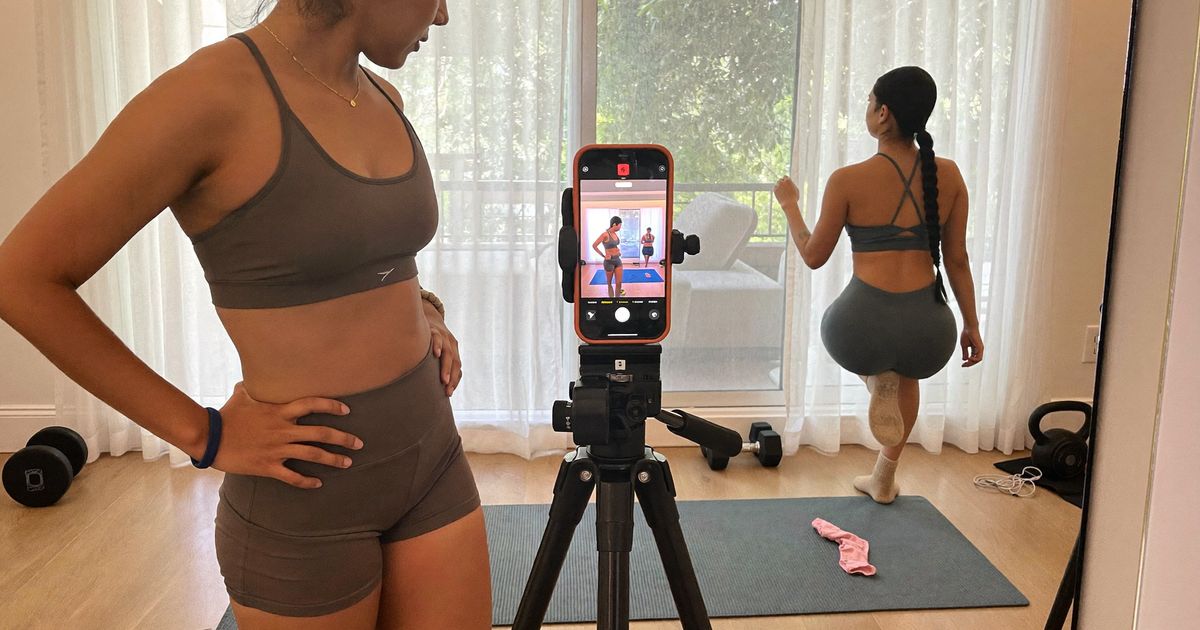
Fitness is one of the few categories where the product is the transformation, and transformation is inherently visual, personal, and social. That creates an unusual opportunity: your buyers are already documenting their journeys on Instagram Reels and YouTube Shorts, posting "Day 1 vs Day 30" videos, tagging the whey protein they are using, and building followings out of their own discipline. The job of a fitness brand is to tap that existing current and turn it into a repeatable content engine, not an one-off influencer post.
This guide walks you through exactly how to build that engine, from creator sourcing to content calendar to paid amplification, with the specific constraints and opportunities of the Indian fitness market in mind.
Step 1, Define Your Content Pillars Before You Brief a Single Creator
Most fitness UGC programs fail at the briefing stage, not the production stage. Brands approach creators with a vague "show our product in your workout" request and get exactly that: a bland, interchangeable clip that could be for any protein powder or gym wear brand in the market.
Before outreach begins, map your content into three pillars:
- Proof pillar: Transformation clips, progress check-ins, workout-logged results. These build credibility and work well in mid-funnel retargeting.
- Education pillar: "How I use X supplement," "why I switched from Y to Z," "my post-workout stack explained." These address objections and rank well in search-driven discovery on YouTube.
- Lifestyle pillar: Morning routines, gym-bag packs, pre-workout rituals. These humanise the brand and perform best for top-of-funnel awareness on Reels and Shorts.
A healthy engine produces content across all three, not just the easiest (lifestyle) or the most expensive (transformation). Aim for roughly a 40/30/30 split, education, proof, lifestyle, when briefing each batch of creators.
Step 2, Source the Right Tier of Fitness Creators for the Indian Market
The Indian fitness creator landscape has a specific structure worth understanding. There is a thin layer of macro fitness influencers (Sahil Khan, Ranveer Allahbadia, etc.) with audiences in the millions, and below them a much larger, much more engaged group of nano and micro creators, gym coaches in Pune, home-workout moms in Coimbatore, college athletes in Bhubaneswar, who are documenting genuine journeys with real audiences of 5,000–80,000 followers.
For UGC purposes, content you own the rights to and can run as paid ads, this micro tier is where the value lives. Rates for a 30–60 second Reel with usage rights typically range from Rs. 3,000 to Rs. 15,000 per deliverable at this tier, versus Rs. 50,000–2,00,000+ for macros who rarely grant broad usage rights anyway.
Sourcing tactics that work:
- Search Instagram for hashtags like
#homeworkoutindia,#indiafitnessjourney,#gymlifeindia, and filter for accounts with 5K–100K followers and consistent posting frequency. - Post in fitness communities on Reddit India (r/india_fitness) and Facebook Groups like "Indian Fitness Community" to attract creators who want paid work.
- Use platforms like Wobb or Confluencr's self-serve marketplace to filter by niche and follower range, useful for bulk sourcing when building a pool of creators.
- If your product suits regional markets, a vernacular-language YouTube channel about home workouts in Tamil or Bengali, for instance, prioritise creators who post in that language. Vernacular fitness content is underfunded relative to its audience size.
Step 3, Write Briefs That Produce Reusable Ad Formats
A brief for organic posting and a brief for UGC-as-ad-creative are fundamentally different documents. The latter needs to be far more specific about structure, because you need content that passes through Meta and Google Ads creative requirements while still feeling authentic.
We brief creators to follow a three-act structure for short-form video:
- Hook (0–3 seconds): A specific claim, question, or visual that stops the scroll. "I've been taking the same protein for 90 days, here's what actually changed" outperforms "I love this product" every time.
- Demonstration (3–25 seconds): Show the product in genuine use context, not a staged flat lay. For a pre-workout, that means mixing it, drinking it, showing the actual workout. For gym wear, it means a real session, not a posed mirror selfie.
- CTA (last 3–5 seconds): A clear, low-friction call. "Link in bio," "use my code," or for ads, whatever the campaign is optimising for.
One critical compliance note: ASCI guidelines in India require that any health or fitness claim, "burns fat faster," "builds muscle in 30 days", must be substantiated. If your brief asks creators to make specific results-based claims, you are responsible for ensuring those claims are backed by data, and creators should be briefed not to invent numbers. Testimonial-style content ("I noticed X") is generally safer than clinical-claim-style content ("scientifically proven to Y").
The briefs that produce the most reusable content are the ones that give creators a specific scenario, not just a product to hold up. "Show us your Saturday morning workout from wake-up to cool-down, including how our product fits into it" generates far more varied, authentic footage than "make a 30-second video about our protein."
Step 4, Build the Production Calendar Around Fitness Seasonality
Fitness purchasing in India has pronounced seasonal spikes that should directly drive your content production schedule:
- January: New Year resolution surge, the single biggest month for gym memberships, supplement trials, and fitness gear. Start briefing creators in November to have content ready.
- March–April: Pre-summer body-prep season. High intent for fat-loss and physique-focused products.
- October–November: Post-monsoon return to outdoor workouts; also a gifting window (fitness gear, subscriptions) ahead of Diwali.
- June–August: Home workout season, the monsoon locks people indoors, which drives demand for resistance bands, home gym equipment, and app-based training. Content featuring indoor workouts significantly outperforms outdoor clips during this window.
Map your content pillars to these windows. January calls for proof and transformation content to match resolution energy. Pre-summer calls for education content addressing specific goals. Diwali calls for lifestyle content that frames fitness products as thoughtful gifts.
A sustainable engine produces content 6–8 weeks ahead of each spike, not reactively during it. Brief 8–10 creators per quarter, targeting 3–4 deliverables each, to maintain a library of 25–40 fresh assets per quarter.
Step 5, Distribute and Amplify With a Platform-Specific Strategy
Not all fitness UGC works equally across platforms, and distributing the same clip everywhere without adaptation is a waste of good content.
- Instagram Reels: The primary discovery surface for fitness content in India. Proof and lifestyle content performs best here. Vertical 9:16, 15–45 seconds, captions burnt in (most users watch without sound at first scroll).
- YouTube Shorts: Underused for fitness UGC but increasingly powerful, especially for educational content. Shorts with a clear "tip" or "mistake" angle can generate sustained views over weeks, unlike Reels which decay faster.
- Meta Ads (paid amplification): The engine's fuel. The real advantage of UGC over studio ads is that you can run the same creative as a dark post, unlisted content that runs only as an ad, without it appearing on the creator's page. This lets you test 6–8 creative variants simultaneously on Meta without fatiguing a creator's audience. Budget Rs. 500–1,500/day per ad set during testing; pause what doesn't hit your ROAS threshold within the first 7 days and scale the winners.
- WhatsApp Status and Broadcast Lists: Often overlooked for fitness brands, but highly effective for supplement reorders and loyalty offers. Short clips (under 30 seconds) from creators saying "I just reordered, here's why" shared via a brand's WhatsApp broadcast list work well for D2C brands with an existing customer base.
Step 6, Measure, Iterate, and Replenish the Engine
A content engine is only as good as its feedback loop. The metrics that matter at each stage:
- Hook rate (3-second view rate): Measures whether the opening stops the scroll. Below 25% on Reels ads means the hook needs to change, brief a new variant.
- Thumbstop to completion rate: If people watch the hook but drop off at 8–10 seconds, the demonstration phase is losing them, too slow, too scripted, or insufficiently specific.
- Click-through rate and cost-per-result: The ultimate performance metrics for paid content. Fitness UGC on Meta typically achieves CTRs of 1.2–2.8% when the creative is genuinely authentic and the product-audience fit is solid.
- Organic saves and shares: The leading indicator for YouTube Shorts and Reels, saves signal content people plan to act on; shares signal content that feels worth passing along. Both outperform likes as quality signals.
Each quarter, audit your asset library: retire anything that has not been used in 60 days (stale creative rarely revives), identify the top three performing formats by hook type and pillar, and brief the next creator batch to produce more of those formats. This is the compounding effect that separates brands with a real content engine from those doing one-off campaigns.
If you are building a fitness brand's UGC program from scratch, or trying to fix one that is producing content but not results, the structure above is where to start. We have built versions of this engine for supplement, apparel, and fitness-tech brands across India. You can see the kind of work that comes out of a properly structured brief on our work page, or reach out directly for a conversation about what a program built for your specific category and budget would look like.