Most D2C brands approach UGC the same way they approach a freelance photoshoot: brief one creator, get one video, run it until it dies. That model works once. A content engine, one that keeps producing, iterating, and scaling, requires an entirely different architecture. Here is how we actually build it for brands, from the first brief to the twentieth variation.
A content engine has three interlocking parts: a creator roster you can activate quickly, a brief system that produces reliable output, and a feedback loop that uses ad performance to inform the next batch. When all three are running, a D2C brand can go from "we need more creatives" to live ads in eight to ten working days, repeatedly, without starting from scratch each time.
Starting With the Right Creator Mix, Not the Biggest Roster
The instinct is to onboard as many creators as possible and cast wide. In practice, a roster of twenty loosely briefed creators produces twenty inconsistent videos. We target a tighter mix for most D2C clients, typically six to twelve creators per product category, chosen across three axes:
- Language coverage: For brands selling across India, a single Hindi-speaking creator misses Tamil Nadu, Kerala, and West Bengal entirely. We map creators to the top two or three languages where the brand's Meta audience actually converts. For a Bengaluru-based skincare brand, that often means Hindi, Kannada, and Tamil, three separate creator pools.
- Content archetype: We categorise creators as either demonstrators (show the product working), storytellers (before/after narrative), or educators (ingredient or how-to content). A complete engine has at least two of each. Mixing archetypes into a single brief produces muddled videos.
- Follower tier: Nano creators (5k–50k) on Instagram Reels tend to deliver the most authentic-looking raw footage, which is what Meta's algorithm rewards in UGC ad placements. Micro creators (50k–200k) add credibility for brand safety. We rarely use macro creators for D2C UGC ad content, the economics and the aesthetic both work against it.
Creator fees at this tier in India currently run between Rs.3,000 and Rs.12,000 per deliverable for nano, and Rs.15,000 to Rs.40,000 for micro, depending on the niche (nutrition and personal care command a premium; home décor runs lower). Usage rights, especially the right to run the video as a paid ad, must be negotiated explicitly and put in writing. ASCI's influencer guidelines require disclosed paid partnerships on organic posts; for whitelisted or dark-post ads, the brand runs the creative and disclosure norms shift accordingly.
The Brief Architecture That Makes Output Predictable
A vague brief is the single biggest cause of unusable footage. We use a layered brief structure that separates the non-negotiables from the creative latitude:
- Hook mandate (first 3 seconds): We specify the exact hook category, problem-lead ("My skin was breaking out every week until…"), curiosity-lead ("I tested five protein powders so you don't have to"), or direct-lead ("This is what Rs.899 gets you"). The creator writes their own line within that category, which keeps the delivery natural.
- Product interaction requirement: We specify which actions must appear on screen, unboxing, application, consumption, before/after comparison, and at which point in the video. This is non-negotiable and keeps the video useful as an ad even if the verbal script drifts.
- Claims boundary: Under ASCI's 2021 guidelines and the Consumer Protection (E-Commerce) Rules, creators cannot make unsubstantiated efficacy claims. We build a claims list for each brand, what can be said, what needs a qualifier ("I personally found…"), and what cannot appear at all. This goes into every brief as a one-page reference sheet.
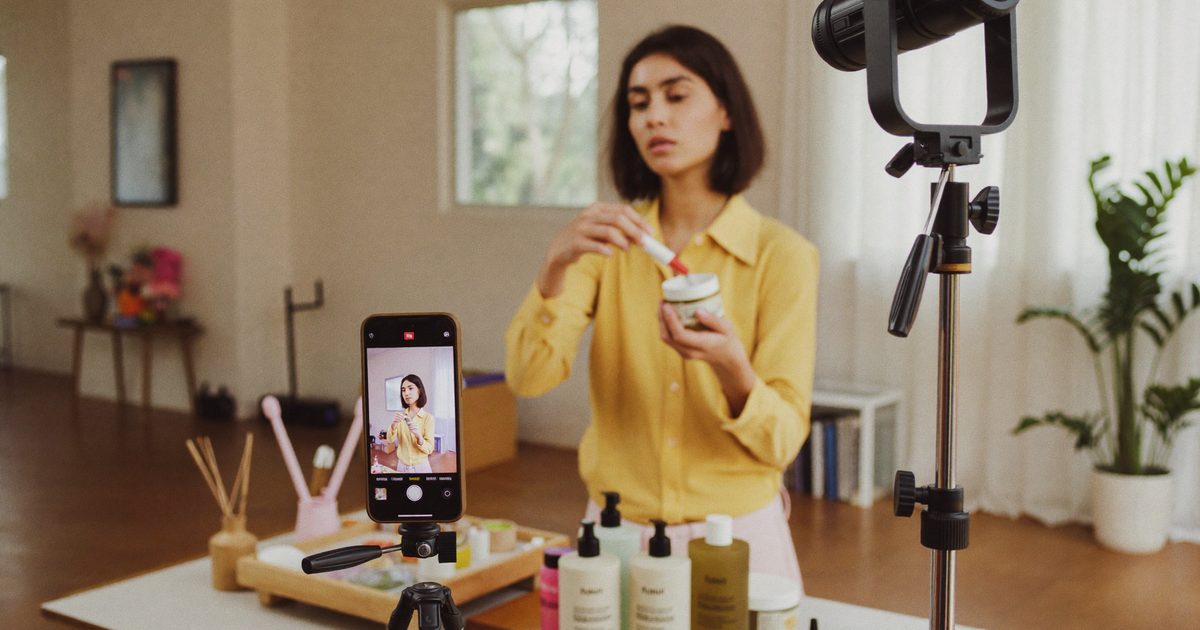
- B-roll shot list: We ask creators to capture five to eight standalone shots, product on a flat lay, hands applying or using, a close-up of the label, in addition to their talking-head footage. These become the ad editor's raw material for cut-down variations.
The brief is not a script. It is a fence. Everything inside the fence is the creator's. Everything outside is a retake.
We deliver briefs in both English and the creator's preferred language. For Tamil and Bengali creators especially, a brief translated (not just Google-translated) into the regional language reduces back-and-forth by roughly half.
Production Workflow: From Submission to Ad-Ready Asset
Raw creator footage is almost never ad-ready. The production pipeline between submission and a live asset typically involves:
- Footage review against brief: We check for claims violations first, then for the mandated product interactions, then for audio quality. Videos shot in a noisy Mumbai flat or a Kolkata market background need audio processing before they can run as ads, or a reshoot request with specific guidance on environment.
- Editing for platform: Instagram Reels and YouTube Shorts tolerate a 60–90 second runtime for educational content. Meta Feed placements perform better under 30 seconds for awareness objectives. We cut each raw submission into at least two lengths from the outset, a full version and a cut-down, so the media buyer has options without going back to the creator.
- Subtitle burn-in: For Meta placements targeting users scrolling without sound, which is the majority in India, subtitles are not optional. We burn subtitles directly into the video file (not as a separate track) so they render correctly across all placements including Stories and Reels.
- Thumbnail and static extraction: From every video, we pull three to five static frames that work as standalone image ads. A D2C brand with ten video assets effectively has forty to fifty creative variations once statics are extracted, useful for A/B testing on Google Display or for Meta's Advantage+ creative rotation.
The Feedback Loop: How Performance Data Shapes Batch Two
A content engine is defined by its feedback mechanism. Without it, batch two is just another batch one. The loop works as follows:
- After two to three weeks of spend, we review Meta Ads Manager creative-level data, specifically hook rate (what percentage of viewers watched past three seconds), hold rate (what percentage reached 50% of the video), and cost per add-to-cart or lead, depending on the campaign objective.
- We tag each asset by hook type, creator archetype, and language. A pattern usually emerges: problem-lead hooks outperform direct-lead hooks for skincare; educator-archetype creators outperform demonstrators for supplement brands; Hindi cuts outperform English cuts for Tier-2 city audiences.
- These findings directly shape the next brief. If Tamil-language videos are generating leads at 40% lower CPL than Hindi equivalents, the next batch shifts creator budget toward Tamil-language production.
- We also extract the top-performing three seconds from winning videos and test them as hooks grafted onto new content, a technique sometimes called "hook splicing." A creator in Pune delivers a strong opening line; we brief a new creator in Jaipur to deliver a structurally similar hook adapted to their natural dialect.
Systems and Tools That Make the Engine Operational
The creative quality matters, but the engine only runs if the operational plumbing holds. The tools we use to manage a multi-brand, multi-creator production pipeline:
- Creator contracts and payments: We use standardised agreements that include a rights grant (non-exclusive license to use footage in paid media for 12 months), a revision clause (one revision included; additional revisions at a fixed rate), and an exclusivity window (creator cannot produce content for a direct competitor for 60 days). All payouts go through bank transfer or Razorpay; GST invoices are collected from creators registered under GST, which matters for the brand's ITC claims.
- Brief and asset management: Notion for brief delivery and status tracking; Google Drive for asset storage with a consistent folder naming convention (Brand / Batch / Creator / Deliverable). This sounds basic but it is where most in-house attempts at a content engine break down, assets get lost, revision requests get missed, and the second batch never happens.
- Approval workflows: Brand-side approval is the most common bottleneck. We set a 48-hour turnaround expectation for video reviews and provide a simple checklist (claims, brand guideline, product visibility) rather than asking for free-form feedback, which compresses average approval time significantly.
What a Running Engine Looks Like at Scale
For a D2C brand spending Rs.3–5 lakh per month on Meta ads, a functioning content engine means producing twelve to twenty new creative assets per month across two to three batches. That volume sounds large until you factor in creative fatigue: Meta's own data shows frequency caps and declining CTRs emerge within two to four weeks for audiences under 500k. A D2C brand targeting 25–35-year-old women in Tier-cities across India for a skincare product is often working with a reachable audience of 800k–1.5M, creative rotation is not a luxury, it is a requirement.
The brands that get the most from this model are the ones that treat UGC production as a quarterly investment, not a one-time spend. A batch of fifteen videos at Rs.1.5–2 lakh total production cost, run against Rs.4 lakh in ad spend, and iterated on the basis of performance data, that is the structure. The engine is not expensive to run. It is expensive to restart from nothing every three months because no system was built.
If you want to see what a structured UGC content engine looks like in practice for your category, our work portfolio shows how we have built this across skincare, nutrition, edtech, and home brands. Or if you would like to talk through what a first batch would look like for your brand, book a consultation, we can map out a realistic volume, timeline, and budget within the first call.