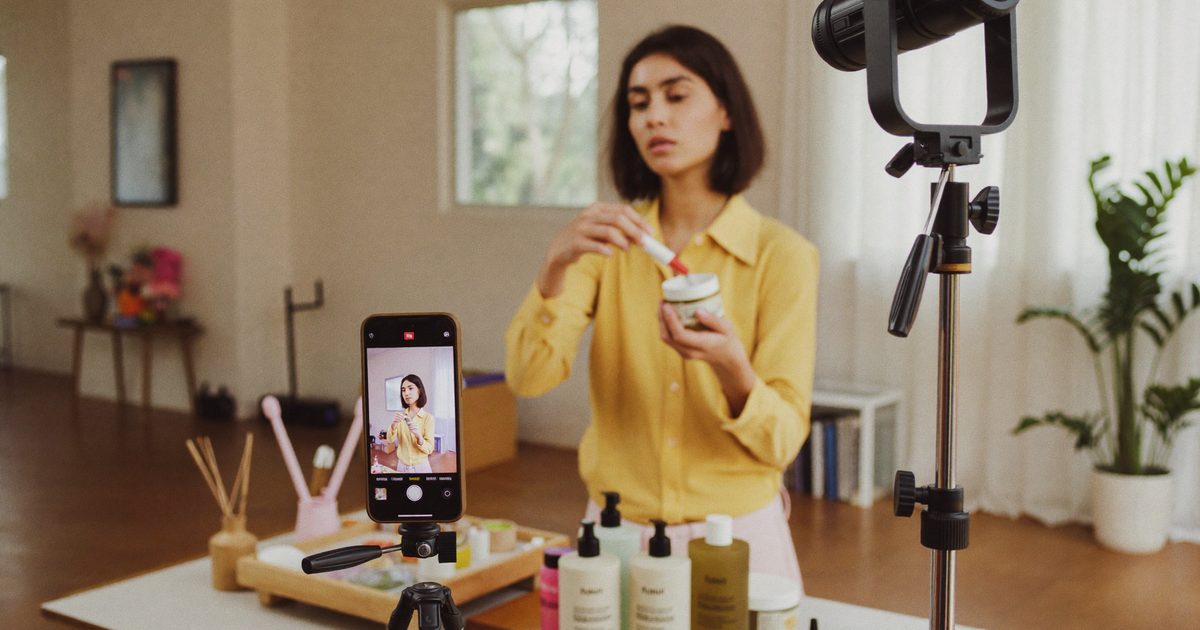
Most beauty brands that come to us have already run a few UGC campaigns, a handful of creator unboxings, a Reels series, maybe a Hindi skincare tutorial that performed unexpectedly well. What they have not done is built a system. The difference matters enormously: a campaign produces a burst of content that ages out in three weeks; an engine keeps producing, repurposing, and compounding. This article is for brands that are past the proof-of-concept stage and want to stop treating UGC as a one-off tactic.
The beauty category in India has specific structural advantages for a content engine. Purchase decisions are highly visual and tactile, foundation shade-matching, serum texture, kajal payoff, which means creator demonstration is more persuasive than almost any other product category. Combine that with a deeply regional audience (a Kannada-speaking buyer in Mysuru responds to different reference points than a Bengali buyer in Kolkata) and you have both the need and the opportunity for high-volume, high-variance content production.
Map Your Content Architecture First
Before briefing a single creator, plot your content architecture against three axes: funnel stage (awareness, consideration, conversion), format (Reels, YouTube Shorts, Instagram Stories, long-form YouTube), and language/region. A mature engine needs coverage across all three, not just the formats that feel comfortable.
- Awareness layer: 15–30 second Reels hooks, problem-first storytelling ("My dermatologist told me to stop using 5-in-1 face washes") with no explicit product push in the first 8 seconds. These feed the Meta top-of-funnel and drive saves.
- Consideration layer: 60–90 second "routine integration" videos where the creator embeds your product into their existing skincare or makeup routine. The implicit social proof is stronger than a dedicated review because it signals habitual use.
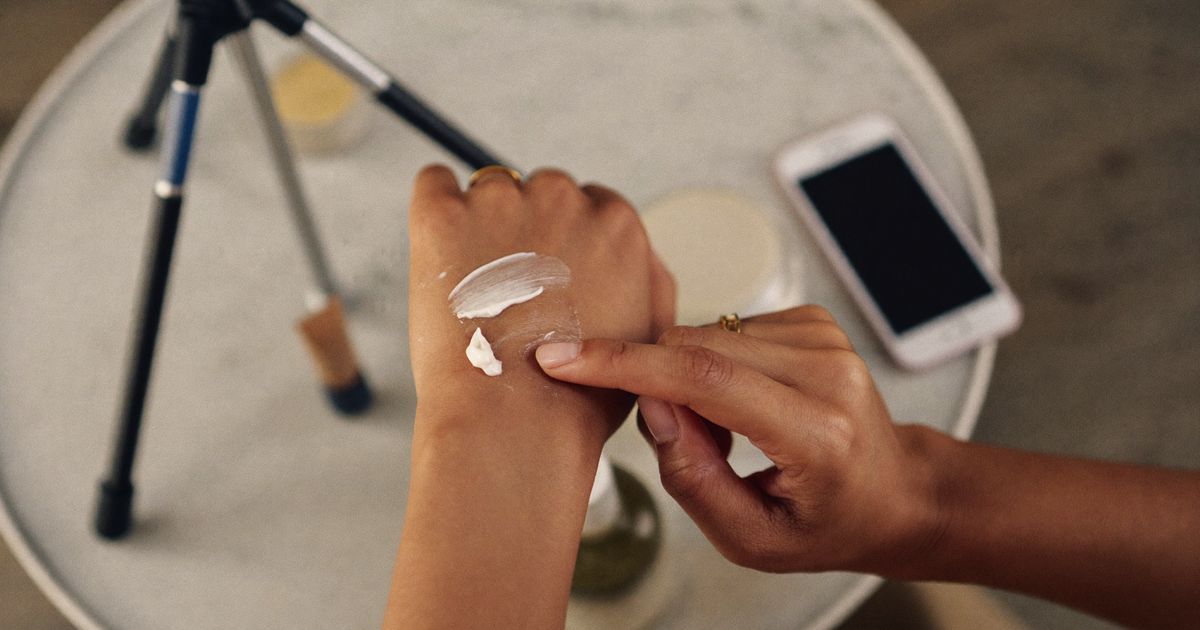
- Conversion layer: Comparison and transformation content, before/after skin texture, 12-hour wear-test videos for lipsticks, foundation shade guides for Indian skin undertones (warm golden, wheatish, deep olive). These run as Meta DPA and Google PMAX creatives.
- Retention/loyalty layer: Haul and repurchase videos. A creator saying "this is my third bottle" does more for retention ROAS than any discount email.
Build a Creator Roster, Not a Creator List
A roster has tiers, roles, and contracts. A list is just names in a spreadsheet. For a beauty content engine to function at scale you need at minimum three distinct tiers operating simultaneously.
- Tier 1, Anchor creators (2–4 people): These are nano-to-micro creators (10K–80K followers) with a genuine skincare or makeup identity, ideally based in your primary target cities (Mumbai, Bangalore, Delhi, Hyderabad, Pune). They sign a 3-month rolling contract at Rs.15,000–35,000 per deliverable set (typically 2 Reels + 3 Stories per month). The contract includes a right-of-first-use clause so you can run their content as paid ads without a separate licensing negotiation each time.
- Tier 2, Specialist creators (6–10 people): Rotating pool covering specific use cases, an acne-skin specialist, a mature-skin creator (35+), a bridal makeup creator, a budget-beauty creator who specifically covers products under Rs.500. Each engages on a per-campaign basis at Rs.5,000–12,000 per video.
- Tier 3, Regional voices (8–15 people): Creators who shoot and speak in Tamil, Telugu, Kannada, Marathi, Bengali. For a beauty brand serious about Tier 2 and Tier cities across India, this tier is what drives CAC efficiency, CPMs in regional-language feed are 35–50% lower than English/Hindi equivalents, and the audience purchase intent is high because there is far less competition for their attention.
In our production work, we brief Tier 3 regional creators in their local language and allow them to fully script the video themselves, we only define the product moment (when to show the product, what claim to make). The authenticity signals that result are genuinely difficult to replicate with translated Hindi scripts.
Write Briefs That Produce Variation, Not Uniformity
The most common failure mode in a beauty content engine is that all the videos look and feel identical after six weeks. Audience algorithms surface content based on behavioral signals (watch time, shares, saves) and identical-looking content trains lower signals over time. The brief is where you introduce controlled variation.
A high-quality brief for beauty UGC has five structural elements:
- The mandatory product moment: Exact second range (e.g., "show the product in use between seconds 10–20"), exact claim permitted under ASCI guidelines (avoid superlatives like "best" or "fastest" unless clinically substantiated, ASCI's Influencer Guidelines and the new Digital Media Guidelines both require that sponsored content be disclosed with #Ad or #Sponsored and that claims not be misleading).
- The hook variable: Give the creator 3–4 hook options and let them choose. "Open with a question", "Open with a negative result from a competing product", "Open with an aesthetic GRWM shot". Different hooks create genuine variation in video structure.
- The setting variable: Specify that the setting must be their own space, bathroom, bedroom, balcony, not a white-wall studio. Authenticity in beauty UGC is strongly correlated with recognisably real environments.
- The outcome claim lane: Define which specific outcome the creator should demonstrate, not "show that the product is good" but "demonstrate how foundation blends on Indian NC35–NC40 skin in natural light". Specific outcome briefs produce specific, credible content.
- The format-fit instruction: A Reels brief and a YouTube Shorts brief for the same product should be different documents. Reels reward front-loaded hooks and fast cuts; YouTube Shorts reward verbal explanation alongside the visual.
Establish an ASCI-Compliant Disclosure Workflow
Beauty is one of the categories ASCI monitors most closely, skin-lightening claims, anti-ageing claims, and hair-regrowth claims are all on the high-scrutiny list. For a content engine producing 30–50 pieces of content per month, compliance cannot be handled creator-by-creator; it needs to be a workflow.
- Every brief includes a mandatory disclosure line: creators must add #Ad or #Sponsored in the first three lines of the caption (not buried after "more"), and the disclosure must also appear as an on-screen text overlay during the first 3 seconds of the video for paid whitelisted ads.
- Maintain a single "approved claims" document per product SKU. Creators draw only from this list. Any claim not on the list needs written sign-off before going live. This protects both the brand and the creator from ASCI notices.
- For skin-benefit claims ("reduces pigmentation", "evens skin tone in 4 weeks"), ensure the brief cites only claims the brand's own R&D or a third-party clinical study has substantiated. Anecdotal creator claims are permissible if framed as personal experience ("I noticed a difference in about 3 weeks") rather than universal efficacy.
Build the Content Repurposing Pipeline
An engine compounds. Once a piece of UGC is created, it should flow through a repurposing pipeline before being treated as "done".
- Raw to edited to whitelisted: Creator posts organically from their handle. After 48–72 hours of organic performance data, you whitelist the top-performing pieces (typically top 20% by watch-through rate) and run them as paid ads from the creator's handle. This preserves the social proof numbers (likes, comments) while giving you paid reach control.
- Reels to Stories to Carousel: A 30-second Reels clip can be cut into a 15-second Story with a swipe-up link, and its before/after frame can become an Instagram carousel slide or a Meta DPA image creative. One video brief, three executions.
- Hindi to regional: For anchor creator content that performs well, brief a regional-language creator to produce a conceptually parallel video (not a dubbed version, a fresh shoot with the same brief framework). A subtitled Hindi Reels costs roughly Rs.1,500–2,500 to re-caption; a fresh regional shoot costs Rs.5,000–8,000 and converts at a meaningfully higher rate in that language audience.
- UGC to PDPs: The best-performing 5–8 second clips (usually a product close-up or a "texture on skin" moment) can be embedded directly on your product pages as autoplay silent videos. For D2C beauty brands on Shopify, this is a conversion rate lever that almost no competitor is using at scale.
Measure the Engine, Not Just the Campaign
Once you are producing 30+ pieces of UGC per month across creators and formats, aggregate campaign metrics start to obscure what is actually working. Instrument the engine at the asset level.
- Creative fatigue tracking: In Meta Ads Manager, monitor frequency against CPR (cost per result) at the individual creative level. For beauty content targeting women 22–35 in metros, fatigue typically sets in at frequency 3.5–4.5 within a 7-day window. The engine's job is to rotate fresh creatives before that threshold, not after.
- Hook rate by format: Track the 3-second view rate and the 15-second view rate separately. A video with a strong 3-second rate but poor 15-second rate means your hook is working but your mid-video pacing is dropping off, a brief and edit problem, not a targeting problem.
- Creator-level attribution: Use UTM parameters on whitelisted creator posts and DM link stickers. Over 90 days you will be able to rank creators not just by engagement but by actual assisted conversions, which is the only metric that matters for engine investment decisions. At Rs.15,000–35,000 per month for Tier 1 creators, you need to know whether each seat on the roster is earning its cost.
- Repurposing return: Track separately the CAC from original organic posts vs. whitelisted paid versions vs. regionally adapted versions. In most beauty accounts we have worked with, whitelisted creator content achieves lower CPM than equivalent brand-side creative, the social proof signals are priced differently by Meta's auction.
Building at this level of operational depth is what separates brands that grow their beauty category on UGC from brands that plateau after their first successful campaign. If you are ready to design and run a structured content engine, not just commission individual videos, talk to our team about a full production engagement. We scope, brief, produce, and measure the entire system so you can focus on the brand decisions that require you.