LinkedIn is not where most people picture an unboxing video. That honour usually goes to YouTube, Instagram Reels, or a WhatsApp status shared inside a fan group. Yet unboxing-style content is steadily appearing in Indian LinkedIn feeds, posted by founders receiving their first print run of a product, procurement managers reviewing B2B hardware, and SaaS customers reacting to onboarding kits. If your brand ships physical packages to business buyers, or if you want creators to document receiving your product on a platform where their professional audience is watching, this guide walks you through how to do it properly, from scratch.
One honest caveat first: LinkedIn retired its native Stories feature in 2021, so the short-form vertical loop that works on Instagram does not exist here in the same way. What does exist is the native video post (up to 10 minutes), the document carousel, and the newsletter. Unboxing content on LinkedIn lives inside those formats, and when it is done well, it routinely outperforms polished brand-side posts because LinkedIn's algorithm still strongly favours first-person, experience-driven content from real people.
Why Unboxings Actually Work on LinkedIn (When Done Right)
The LinkedIn feed in India skews heavily toward professionals in their 25–45 age bracket, founders, managers, procurement heads, and department leads. These are exactly the people who influence or directly make purchase decisions for physical products ranging from office ergonomic gear to corporate gifting hampers to SaaS hardware dongles. An unboxing from a real user in their professional context carries more weight here than a polished studio review because it answers the question: "What actually arrives at my office door?"
- Purchase validation: A packaging designer in Bengaluru opening your premium brand kit on video tells other design agency owners that the product is worth the price.
- Social proof at scale: Unlike Instagram where followers are often scattered, a LinkedIn connection's network is densely professional, one good unboxing post can reach hundreds of relevant buyers through comments and reshares.
- Earned credibility: LinkedIn audiences are trained to distrust overt ads. A creator's genuine first impression, including a small criticism, reads as more credible than any brand post.
Choosing the Right Creator and Brief
On Instagram you might brief a lifestyle creator with 50,000 followers. On LinkedIn, follower count matters less than niche authority and posting consistency. A supply chain consultant in Pune with 8,000 followers who posts regularly about logistics tools can deliver more qualified eyeballs for a B2B product than a generic influencer with ten times the reach.
When we brief creators for LinkedIn unboxing work, the key criteria we look for are: a complete, professional profile, a history of native video posts (not just shared articles), and an audience that overlaps with the brand's buyer persona. For consumer D2C brands shipping to individual professionals, a premium coffee brand, a wellness supplement, a desk accessory label, the sweet spot is often a creator who is themselves a known professional in a relevant field: a nutritionist unboxing a health brand, a developer unboxing a keyboard, a finance manager unboxing a corporate gifting box.
Your brief should clearly state:
- The product's core claim you want demonstrated (not just "show it", say what to show)
- Any ASCI-mandated disclosures: as per the Advertising Standards Council of India guidelines, paid collaborations must be labelled. On LinkedIn, this means the creator must include #Ad or #Sponsored or the phrase "in partnership with [Brand]" clearly in the post caption, not buried at the end of a long text block
- What the creator should NOT say (brand-specific compliance guardrails, ingredient claims that cannot be made without certification, etc.)
- The hook: the first three seconds of a LinkedIn native video are silent for most users scrolling on mobile. Brief the creator to hold up the package visually and mouth something attention-grabbing before adding text overlay
Format Options: Video vs. Carousel vs. Both
LinkedIn gives you three practical containers for unboxing content:
- Native video (portrait or landscape): The closest to a traditional unboxing. Portrait (9:16) performs well on mobile. Keep the core unboxing under 90 seconds even if the platform allows longer, Indian professionals scroll fast. Film in one continuous take if possible; heavy editing feels out of place on LinkedIn.
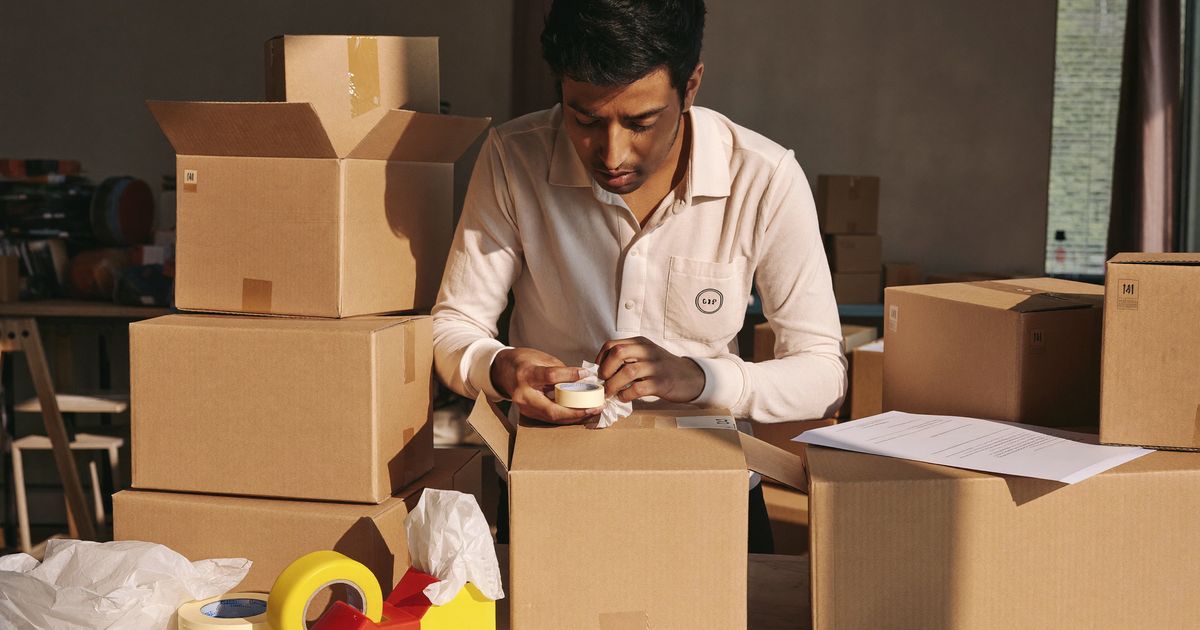
- Document carousel (PDF upload): An underused but surprisingly effective format. The creator photographs each unboxing stage, sealed box, opened outer layer, inner packaging, product reveal, detail shots, and assembles them into a PDF carousel. LinkedIn users swipe through carousels at very high rates. This format works especially well for premium packaging where the visual layers are the story (think: a Rs.4,000 skincare gift set or a corporate welcome kit).
- Video + text post combination: The creator uploads a short video clip and writes a detailed first-person text post below it. The text does the persuasion work; the video provides the proof. This hybrid is what performs best in our experience for B2B products where the professional context matters, a creator might write three paragraphs about why they chose this ergonomic mouse and then the video simply shows it arriving and being set up.
Production Basics a Creator Needs to Know
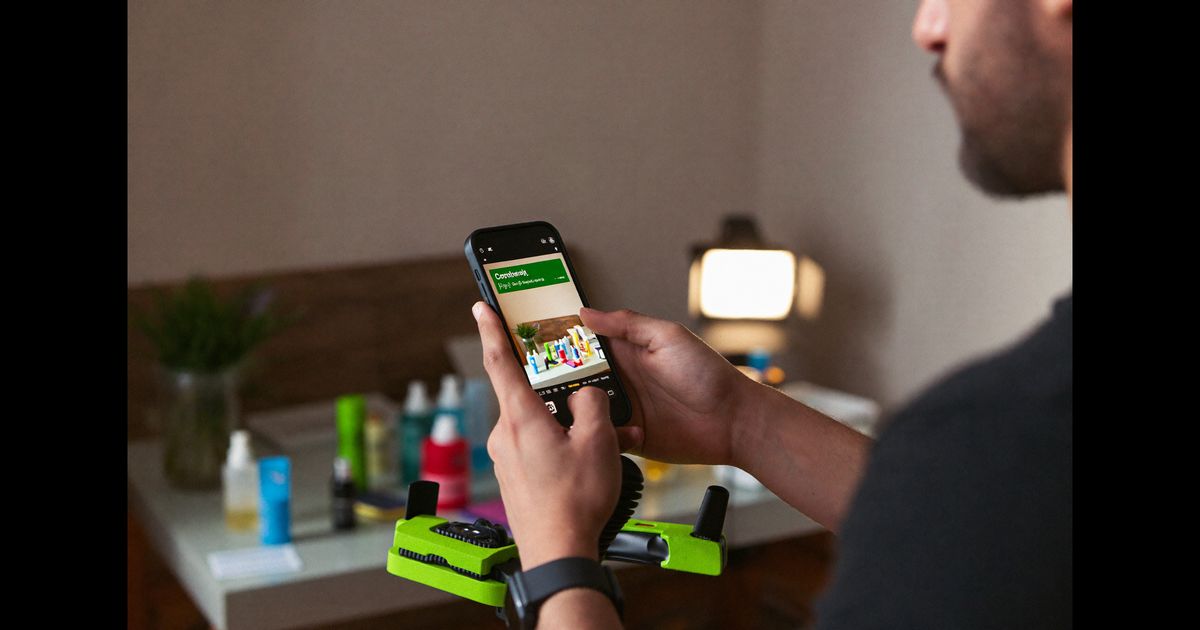
You do not need professional gear. A mid-range Android phone, anything from a Redmi Note 13 upward, shoots more than adequate footage for LinkedIn. What matters is environment and intent:
- Background: Film at a desk or workspace, not a blank wall or bed. LinkedIn audiences respond to contextual authenticity. A product arriving at an actual office or home office immediately signals professional relevance.
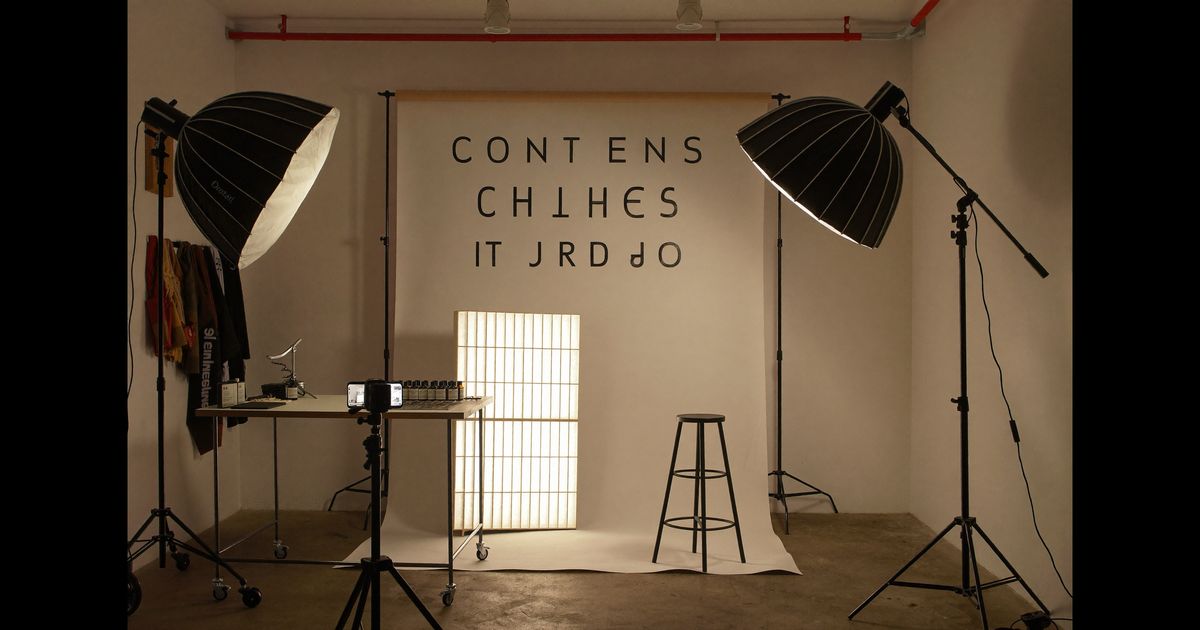
- Lighting: Natural window light, or a Rs.800–1,200 ring light available on Amazon India, is sufficient. Avoid the harsh fluorescent overhead lighting common in Indian offices, it flattens the packaging colours.
- Sound: This is the one area where investment matters. The microphone on earphone-style headsets (even basic wired ones) records clearer voice than the phone's built-in mic in a reverberant room. If the creator is narrating while unboxing, clarity of voice is non-negotiable.
- No jump cuts: The abrupt jump-cut style that works on Reels feels jarring on LinkedIn. Let moments breathe. A three-second pause while lifting tissue paper out of a box is fine, it feels real.
- Caption with context: LinkedIn posts with the first line as a direct hook perform significantly better. Something like: "This corporate gifting box just arrived at my desk in Mumbai. Here is what Rs.2,500 buys you in 2025." That one line sets the product, price, and location, three things that immediately qualify the audience.
Localisation That Actually Makes a Difference
India's LinkedIn audience is not homogeneous. A SaaS hardware product creator based in Hyderabad may naturally switch between Telugu and English in their commentary, that code-switching feels authentic and often outperforms scripted English-only content with their specific audience. Similarly, a Kolkata-based creator discussing a premium tea brand in Bengali-inflected English signals regional expertise that a pan-India English post cannot replicate.
Brief creators to speak as they naturally would to a professional peer, not to perform for a hypothetical global audience. Authentic regional voice is a feature, not a bug.
If you are shipping product kits to multiple cities for a LinkedIn campaign, consider briefing creators in different metros with a loose city-specific hook: a Delhi creator might open with something about courier reliability improving, while a Chennai creator might comment on how well the product handles humid packaging conditions. These tiny contextual details make an enormous difference to how the post reads to a local audience.
Measuring Success (Without Chasing Vanity Metrics)
LinkedIn analytics for creator posts are more limited than Instagram's, but the signals that matter are:
- Comments with professional context: A comment that says "We are looking for exactly this for our team of 40" is worth fifty likes. Brief your creators to respond to every comment within the first two hours, this is when LinkedIn's algorithm decides how far to distribute the post.
- Profile visits and connection requests to the creator: A spike here means the post reached people outside the creator's existing network, the algorithm is amplifying it.
- Direct messages to the creator: On LinkedIn, DMs from viewers asking about the product are a strong purchase-intent signal. Agree in advance with the creator on how these leads should be handled, ideally they should be directed to your website or a WhatsApp business number, not left unanswered.
- Reshares by other professionals: A fellow founder resharing your creator's unboxing post to their own network is organic amplification that no paid boosting can replicate.
LinkedIn unboxings will not replace Instagram Reels or YouTube reviews in your content mix. But for brands selling to professional buyers, or D2C brands wanting to reach the salaried professional demographic that makes up a large share of India's discretionary spenders, it is a genuinely underused channel. The production bar is lower than most brands assume, the audience intent is higher than most social platforms, and the professional credibility that comes with the format is difficult to manufacture through any other means.
If you are a brand looking to brief the right creators for a LinkedIn unboxing campaign, or you want a structured production framework across platforms, reach out to us for a consultation, we have worked with D2C and B2B brands across India and can help you identify the creator profiles and brief structures that fit your product category.