Most brands running unboxing UGC on Facebook treat it like a single deliverable, one creator, one video, done. The brands scaling results treat each unboxing as a content system: a structured sequence of assets, briefs, and paid amplification levers that compound over weeks. This article is for teams already producing UGC who want to extract significantly more from every unboxing shoot.
Facebook remains the highest-reach social platform in India for 25–45 year olds, the demographic that controls household and discretionary purchase decisions in Tier-1 and Tier-cities across India alike. Unboxing videos, when properly structured and boosted, consistently outperform polished studio creative for lower-funnel objectives. The gap between average and exceptional unboxing UGC comes down to a handful of production and distribution choices that most brands still get wrong.
Rethink the Brief: From "Open the Box" to a Structured Reveal Arc
An unstructured unboxing, creator opens box, shows product, says nice things, performs far below what a scripted reveal arc produces. We brief creators to follow a three-beat structure that mirrors how a purchase decision actually unfolds in a viewer's mind:
- Beat 1, Anticipation (0–5 seconds): The creator does NOT immediately open the box. They state what they ordered and why, in their own regional voice. A creator from Pune talking about ordering skincare from a Bengaluru-based D2C brand builds relatability that a generic voiceover cannot replicate. This beat should name a real pain point, not a feature.
- Beat 2, Reveal and Sensory Commentary (5–45 seconds): The physical unboxing, packaging texture, inserts, product weight, smell if relevant. Creators who narrate sensory details ("the glass feels really substantial, not like those cheap serums") generate comments asking about the product far more than creators who just list specs.
- Beat 3, Immediate Use Impression (45–90 seconds): The creator applies, opens, or operates the product on camera. A first-use reaction on Facebook Watch-style videos often generates 3–4x the comment volume compared to videos that end at reveal. This is what turns passive viewers into people who tag friends.
The brief should also specify language. A Hindi-English mix with UP/Bihar-inflected delivery hits very differently from a Tamil-English mix for South Indian audiences. Facebook's delivery algorithm already does demographic targeting; your content should do linguistic targeting at the same time.
Packaging and Prop Setup: The 90-Second Shot List
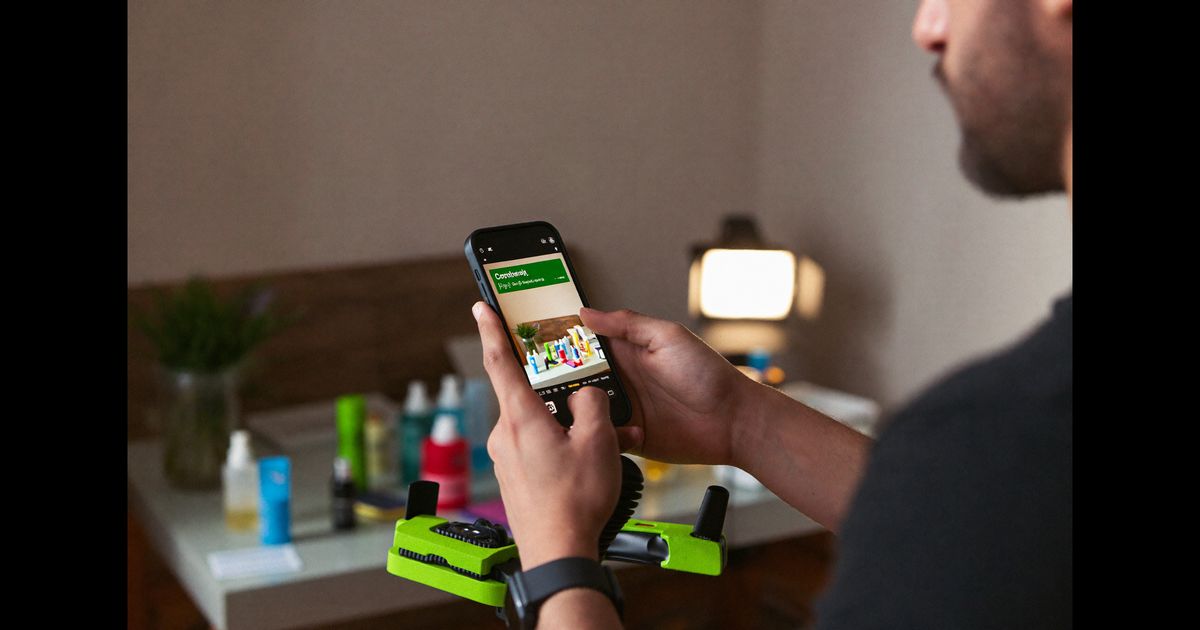
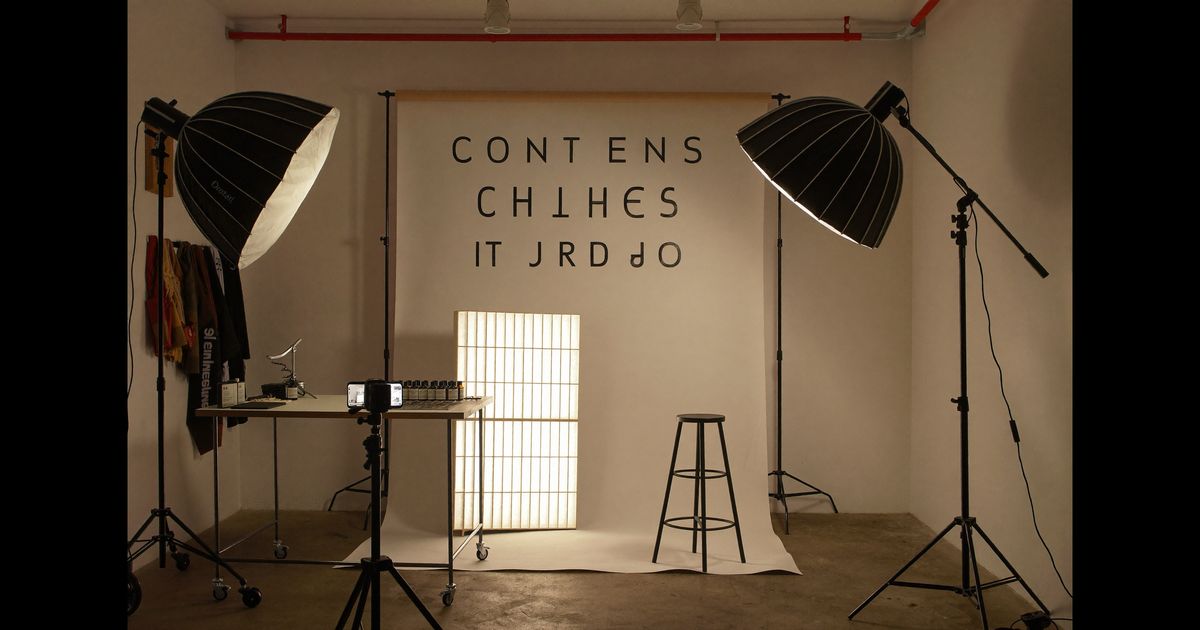
Professional UGC unboxings are not improvised. We provide creators with a shot list for the tabletop sequence, even on mobile-only productions. A consistent shot list ensures the post-production editor can cut a clean 30-second version for Facebook Reels and a 90-second version for feed video from the same footage, two placements, one shoot day.
- Hero wide shot: Full box on a clean, neutral surface (no cluttered kitchen counters). A simple ₹800–1,200 photography backdrop roll or a plain bedsheet in a light colour is sufficient. The brand's packaging should be readable at thumbnail scale.
- Close-up insert: Any branded card, product note, or custom tissue paper. D2C brands that invest in packaging inserts, personalised notes, QR codes to onboarding content, sustainability messaging, should explicitly brief creators to linger on these. An insert that says "Handcrafted in Jaipur" shown for 3 seconds becomes social proof without a single claim.
- Product-in-hand close-up: Shot in portrait but with enough headroom to reframe for a 16:9 crop. This matters because boosted Facebook feed video performs best at 4:5 aspect ratio, not 9:16.
- Reaction shot: Creator's face on first sensory contact with the product. The reaction shot is what Facebook's algorithm registers as a "meaningful moment" for watch-time completion. It should be genuine, not over-performed, Indian audiences in 2025 are acutely sensitive to scripted enthusiasm.
ASCI Compliance for Boosted Unboxings
This is the area most brands overlook until they have a compliance incident. Under the ASCI Guidelines for Influencer Advertising in India (updated 2023), any unboxing video that is paid for, including gifted products with contractual deliverables, must carry a clear and prominent disclosure: "Paid Partnership," "Ad," or "Sponsored." The disclosure must appear in the first frame, not buried in hashtags or the caption's "see more" fold.
When you boost a creator's organic post as a Facebook Branded Content Ad (using the Partnership Ads format), the "Paid Partnership" label is surfaced automatically in the ad unit. This is the recommended amplification path, it satisfies ASCI requirements and Facebook's own branded content policy simultaneously, and it gives the brand access to the creator's audience data for targeting without requiring the creator to hand over account access.
One practical note: if you are running an unboxing as a dark post (an ad that never appears on the creator's own profile), you still need a written disclosure in the ad copy itself. "This creator was gifted this product" in the post text is the minimum. Brief your legal or compliance team on this before scaling spend above ₹50,000 per month on UGC ad spend.
Cutting Multiple Ad Units From One Unboxing Shoot
A single well-briefed unboxing session, roughly 15–20 minutes of raw footage, should yield at minimum four distinct ad units for Facebook:
- 60–90 second feed video (4:5): Full reveal arc, all three beats. Primary asset for cold audiences at top of funnel.
- 15-second Reel cut: The reveal moment plus first-use reaction, reframed to 9:16. Used for retargeting audiences who watched at least 50% of the longer video. Facebook's delivery algorithm will serve this to warm audiences at significantly lower CPM than cold traffic.
- Static thumbnail card: A single frame of the product-in-hand close-up with a text overlay. Used as a companion carousel card or standalone image ad for the bottom of funnel, people who visited the product page but did not purchase.
- 6-second bumper cut (optional): The single strongest reaction moment, captioned. Useful for frequency-capping campaigns where you want brand recall without burning out an audience that has already seen the full video three times.
Brief your editor to pull these cuts before the footage leaves your production workflow. Retrospective editing, going back to a creator's raw footage three weeks after the shoot, costs time and often requires re-briefs because the footage was shot without the shot list in mind.
Seeding and Comment Amplification Strategy
Facebook's organic reach for brand pages has contracted considerably, but UGC unboxings posted to creator profiles, then amplified via Partnership Ads, still benefit substantially from organic comment momentum in the first 24 hours. Here is how advanced UGC programs structure this:
- Time the post for peak engagement windows: For most Indian audiences, 7:30–9:00 PM IST (post-dinner, pre-sleep scroll window) and 12:30–1:30 PM IST (lunch break) are consistently higher engagement slots for Facebook feed video. Post the organic creator content during these windows before switching on paid promotion.
- Seed the comment section early: The brand's community manager should post a question, not a generic "Love this!" but a specific query like "Are you using this on dry or oily skin?", within the first 30 minutes. This creates a comment thread structure that signals engagement to the algorithm and gives subsequent viewers something to respond to.
- Use the first comment for the purchase link: Placing the product URL in the first pinned comment rather than the caption body keeps the video's native feel intact while still capturing click-through intent. Facebook's algorithm historically deprioritises posts with external links in the caption.
- Brief creators to respond to at least 5–10 comments in the first 6 hours: Creator-to-viewer replies in the comment section extend the video's algorithmic life by 12–18 hours based on what we observe across campaigns. Include this as a paid deliverable in the creator contract, it is a distinct task, not an implied courtesy.
Measuring What Actually Matters: Beyond Views and Reach
Brands at the scaling stage of UGC production sometimes optimise for the wrong signals. Facebook view counts are cheap to inflate via broad targeting; they tell you almost nothing about purchase intent. Here are the metrics that predict downstream conversion performance for unboxing UGC:
- Video completion rate at 75% and 95% thresholds: Facebook Ads Manager lets you build custom audiences from these segments. A viewer who watches 95% of a 90-second unboxing is a qualified prospect. Retarget them with a direct offer, a discount code, a limited-stock alert, or a testimonial carousel, within 48–72 hours of the view event.
- Comment sentiment ratio: Manually tag the first 50 comments on any unboxing video you boost. The ratio of product-question comments to generic-reaction comments is a leading indicator of purchase intent. A video with 40 comments asking "where to buy" or "what is the price" will convert better at ₹500–800 CPL than a video with 200 "wow so pretty" reactions and no questions.
- Cost per landing page view (not link click): Facebook reports link clicks and landing page views separately. Landing page views, where the destination page actually loaded, are the correct denominator for any cost-per-acquisition calculation. In the Indian market, mobile page load latency on 4G connections means that 15–25% of link clicks do not result in a landing page view. If your product page loads in over 3 seconds on a mid-range Android device, that is a conversion leak your unboxing UGC cannot compensate for.
- Add-to-cart and purchase events via Facebook Pixel: If the Pixel is correctly configured and your domain is verified, you can directly attribute unboxing video views to downstream purchase events using Facebook's 7-day click / 1-day view attribution window. This is the number your finance team actually cares about.
If your UGC program is ready to move from ad-hoc unboxings to a structured production and distribution system, our team at The UGC Agency builds end-to-end creator briefs, shot lists, and paid amplification playbooks for D2C and FMCG brands across India. See how we structure campaigns at our work page or book a consultation to map out a framework specific to your product category.