Tutorial content is one of the highest-converting formats in short-form video, a 45-second skincare routine filmed on a phone routinely outperforms a polished 30-second ad in cost-per-purchase. But if you are an Indian creator or brand exploring "TikTok-style" tutorial videos, there is an important ground truth to establish first: TikTok has been banned in India since June 2020 and remains unavailable on Indian app stores. This article will not pretend otherwise. What it will give you is a complete, practical guide to creating tutorial-format UGC in India today, using the platforms that have directly inherited TikTok's short-form tutorial audience: Instagram Reels, YouTube Shorts, and Moj/Josh for regional-language reach.
The tutorial format itself, step-by-step, creator-led, filmed in one take or light edits, translates perfectly to every one of these platforms. The production principles, scripting logic, and audience psychology are almost identical to what made tutorial content explode on TikTok globally. So read on: everything here is actionable for Indian creators and brands right now.
Why Tutorial UGC Works So Well in Short-Form Video
Tutorial videos solve a specific viewer problem in real time. That utility is what earns watch-time and shares. When a creator in Mumbai shows exactly how to layer a serum under sunscreen in 40 seconds, viewers do not just watch, they save, rewatch, and tag friends who have the same question. This is fundamentally different from a lifestyle video or a brand testimonial.
- High save rates: Tutorials get bookmarked for later use. On Instagram Reels, saves are a strong signal that pushes the video into the Explore feed, meaning tutorial UGC earns organic reach beyond your existing followers.
- Natural product integration: The product is demonstrated, not advertised. A tutorial showing "how I remove stubborn kurta stains before a puja" with a specific detergent brand is more persuasive than a claim-heavy ad.
- Trust from specificity: Viewers trust a creator who shows the actual process, including the messy parts, far more than a brand voice that only shows the perfect outcome.
Structuring Your Tutorial Script: The 3-Part Framework
Even a 30-second tutorial needs a clear structure. Without it, viewers drop off at the 5-second mark. We brief creators to use a simple three-part format regardless of category:
- Hook (0–3 seconds): State the outcome, not the process. "I got rid of my open pores in two weeks using this" is a stronger hook than "Today I'll show you my skincare routine." Viewers need a reason to stay.
- Steps (3–25 seconds): Show, don't narrate. Each step should be a visual action, picking up the product, applying it, showing a before/after clip. Keep spoken lines short: one sentence per step maximum.
- Payoff (last 5–8 seconds): Show the result or the transformation. For a recipe tutorial, it is the plated dish. For a skincare tutorial, it is the bare-face close-up. For a SaaS product walkthrough, it is the dashboard showing the completed task. This is also where you place any call-to-action overlay, "Link in bio" or a swipe-up sticker.
Keep total length between 30 and 60 seconds for Instagram Reels tutorials. YouTube Shorts can go up to 60 seconds but the same rule applies: if you can say it in 40 seconds, do not pad it to 60.
Equipment and Setup for Creators Starting From Zero
You do not need professional gear. The tutorial format is built for authenticity. Here is a realistic starter setup for an Indian creator in 2024:
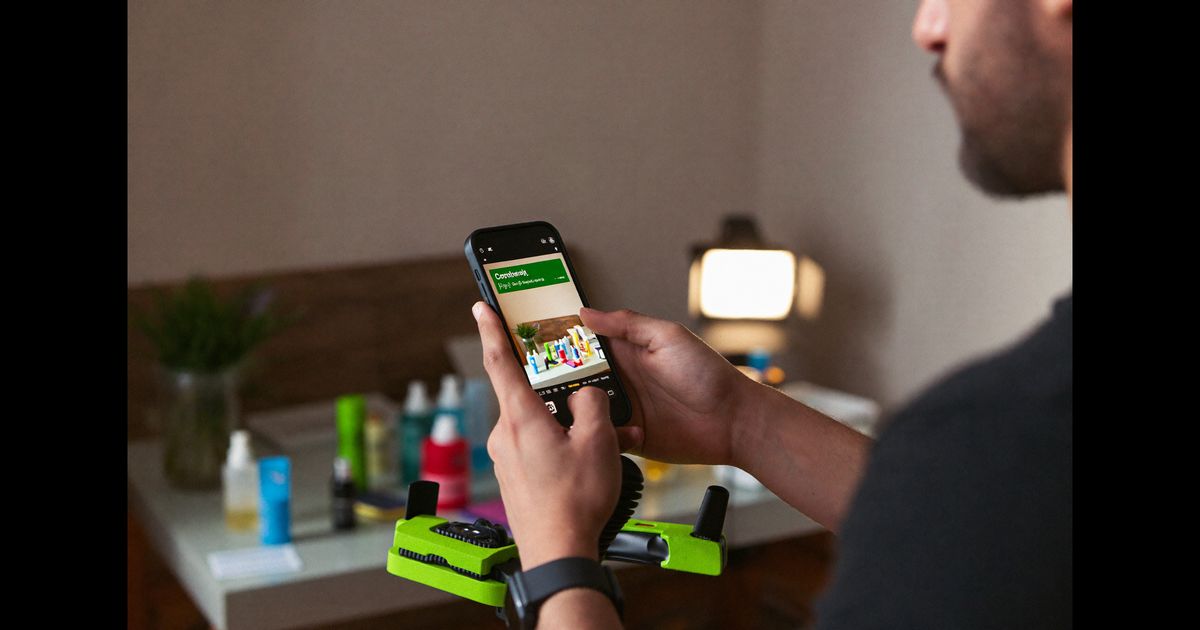
- Phone: Any phone released in the last three years with a decent rear camera, a Redmi Note 12 Pro or a Samsung Galaxy M-series will work fine. Film in the highest resolution your phone supports (usually 1080p; 4K is unnecessary and eats storage).
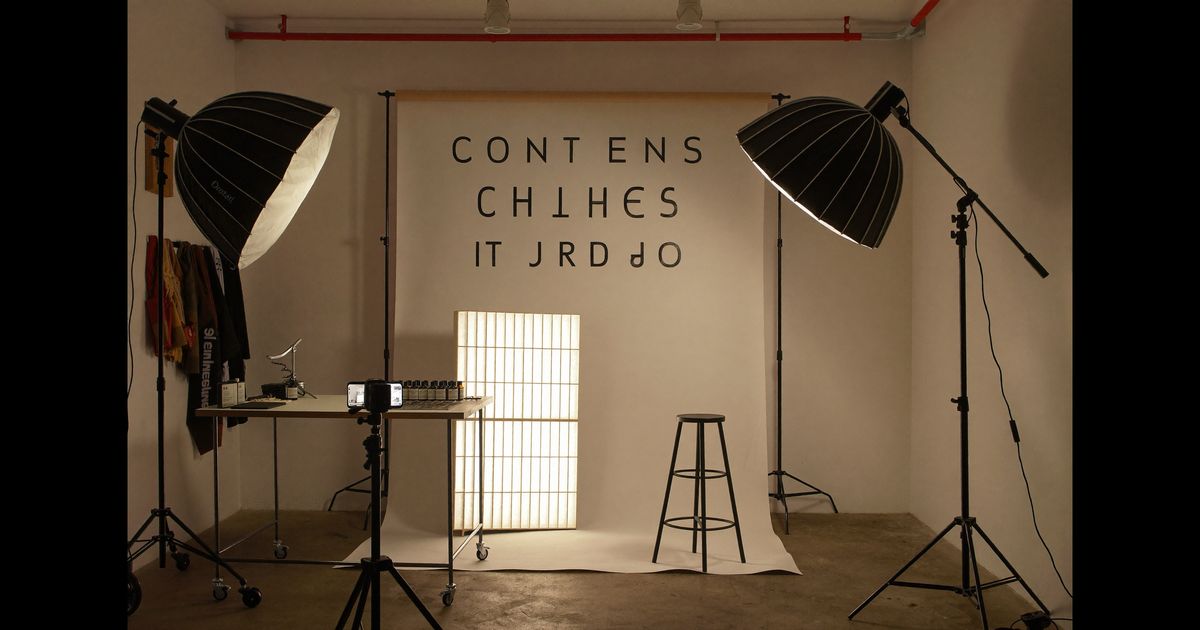
- Lighting: A Rs. 800–1,200 ring light from Amazon India makes a significant difference for beauty, food, or close-up product tutorials. If you are on a zero budget, face a window during daylight hours, natural north-facing light is free and soft.
- Audio: For voiceover-style tutorials, a Rs. 500–900 clip-on Boya lapel mic eliminates room echo. For tutorials with background music and on-screen text, your phone's built-in mic is sufficient.
- Tripod or grip: A small flexible tripod (Rs. 300–600) or a phone grip lets you do overhead shots, essential for food, craft, or product unboxing tutorials.
- Editing app: CapCut (free, available in India) handles everything a tutorial creator needs, speed ramps, text overlays, captions, transitions, and trending audio. InShot is a good alternative for beginners.
Language and Localisation: India's Biggest Competitive Advantage
This is the most underused lever in Indian tutorial UGC. The creators who consistently outperform benchmarks are not the ones with the best lighting, they are the ones speaking directly to their audience in the language their audience thinks in.
- A Hindi-language cooking tutorial for a ghee brand will outperform an English-language version by a wide margin in Tier-cities across India like Jaipur, Lucknow, or Indore, where most of the FMCG growth is happening.
- A Tamil-language skincare tutorial for a Chennai-based D2C brand taps an audience that large Hindi-first creators completely miss.
- Regional platforms like Moj and Josh are specifically built for this. Their tutorial content in Odia, Bhojpuri, Marathi, and Bengali reaches creator-hungry audiences that Instagram has not fully penetrated. If your brand serves a regional market, a Josh creator making tutorials in Marathi for Rs. 4,000–8,000 per video can deliver reach that a national Instagram creator at Rs. 40,000 cannot replicate.
On the scripting side, code-switching works extremely well in urban markets. A tutorial that starts in English and drops naturally into Hindi or Tamil mid-way ("okay so ab isko 10 minutes ke liye chhod do") feels more real to the viewer than a stiffly bilingual script.
ASCI Compliance for Branded Tutorial Content
If a brand is paying you to feature their product in your tutorial, even in a subtle, organic way, ASCI (Advertising Standards Council of India) guidelines require you to disclose the commercial relationship. This is non-negotiable and enforceable.
- Use the hashtag #Ad or #Sponsored in the caption. This must be prominently placed, not buried after twenty other hashtags.
- On Instagram Reels, use the native "Paid Partnership" label in the post settings. This is the cleanest disclosure method and also builds trust with your audience rather than undermining it.
- Avoid making health or efficacy claims that cannot be substantiated. A tutorial that says "this face wash cured my acne" is a claim under ASCI rules and can attract a complaint. "My skin felt cleaner after the first wash" is an experience, that is permissible.
- For food and supplement tutorials specifically, avoid before/after weight-loss imagery unless the brand has regulatory clearance for those claims. This is a common mistake that brands and creators both make.
ASCI's influencer guidelines have been updated and are actively monitored. A disclosure failure can result in your content being flagged and the brand being publicly asked to take it down, damaging both your reputation and the campaign's performance metrics.
What Makes a Tutorial Actually Perform: Five Practical Checks
Before you hit publish, run your tutorial video through these five checks. Each one corresponds to a specific failure mode we see in submitted creator content:
- Is the hook visual within 2 seconds? If the first frame is a blank background or a talking head with no product visible, you will lose 60–70% of potential viewers before they process a single word.
- Is the product shown in use, not just held? A tutorial where the creator holds up the bottle and talks about it is a review, not a tutorial. Show the product being applied, cooked with, or operated.
- Are captions on? Around 60–70% of Reels are watched with sound off, especially in public spaces. If your tutorial only works with audio, it is losing a large portion of its potential reach. CapCut's auto-caption feature takes 30 seconds to apply.
- Is the result clear? If a viewer cannot tell what problem your tutorial solved by the final frame, the video has no payoff. This is the most common weakness in first-time creator content.
- Is the aspect ratio correct? Instagram Reels and YouTube Shorts both require 9:16 vertical video. Horizontal or square content is cropped and looks amateurish. Film vertically from the start.
Realistic Budgets and Rates for Tutorial UGC in India
If you are a brand commissioning tutorial UGC rather than creating it yourself, here is what to expect in the current Indian market:
- Nano-creator (10K–50K followers): Rs. 3,000–8,000 per tutorial Reel, usage rights included. Good for niche categories, Ayurveda, regional food, vernacular markets.
- Micro-creator (50K–200K followers): Rs. 10,000–25,000 per tutorial Reel. The sweet spot for most D2C and FMCG brands. Strong engagement, reasonable cost.
- Mid-tier creator (200K–1M followers): Rs. 30,000–80,000 per Reel. Justified when you need credibility in a competitive category or want the content to run as paid media.
- Raw UGC (no posting, just the video file for brand ads): Rs. 4,000–15,000 per video depending on production quality and usage duration. This is what performance marketers use to test tutorial creatives before committing to a full influencer campaign.
Tutorial content, when briefed and structured well, is one of the most durable formats in a brand's creative library. A good tutorial Reel made in Bengaluru today can run profitably as a Meta ad for six to twelve months with minimal editing. If you want to build a UGC tutorial pipeline, from creator briefing to platform-ready delivery, book a free consultation with The UGC Agency to see how we handle this for brands across categories.