Pinterest is the only major social platform where people actively arrive with purchase intent. A user searching "skincare routine for oily skin India" or "office outfit ideas Bengaluru summer" is not passively scrolling, they are planning. That distinction matters enormously for tutorial content, because a well-made UGC tutorial Pin can earn clicks, saves, and conversions for months after it is first posted. If you are a creator being briefed by a brand, or a brand figuring out what to commission, this guide walks you through the essentials from scratch.
Pinterest in India has grown steadily among urban women aged 18–35, particularly in metros and Tier-cities across India, and the platform's visual search makes it uniquely powerful for categories like beauty, fashion, home décor, food, and DIY. Tutorial-format content, step-by-step how-tos, performs especially well here because the platform's layout rewards saves, which signal long-term discovery. Here is how to make that work for you.
Understand How Pinterest Surfaces Tutorial Content
Before you shoot a single frame, you need to understand Pinterest's content logic. The platform rewards three things above all: vertical video or image, keyword-rich descriptions, and high save rates. Unlike Instagram or YouTube, Pinterest's algorithm is closer to a search engine than a social feed. A tutorial Pin titled "How to Apply Kajal Without Smudging, 3 Easy Steps" will surface when someone searches those exact words, sometimes two years after you posted it.
- Aspect ratio: Always shoot tutorials in 9:16 vertical format for video Pins, or create 2:3 static image Pins (1000×1500 px). Landscape content is buried on Pinterest's grid.
- Video length: Tutorial Pins perform best between 30 and 90 seconds. Longer content belongs on YouTube; Pinterest users want a fast, scannable walkthrough.
- Titles and descriptions matter here: Unlike Instagram where hashtags do the work, Pinterest indexes your Pin title and description text. Write them like a mini-SEO brief, include the product category, the problem it solves, and a location or language cue if relevant (e.g., "Hindi skincare tutorial" or "affordable party makeup under Rs.500").
Plan Your Tutorial Structure Before You Press Record
The most common mistake first-time UGC creators make on Pinterest is treating a tutorial the same way they would an Instagram Reel. Pinterest users save content to return to later, which means your tutorial must work as a reference, not just as entertainment. Every step has to be legible when someone watches it on their phone while standing in the kitchen or at a shop.
A simple structure that works reliably:
- Hook (0–3 seconds): Show the finished result first, the completed look, the assembled dish, the decorated wall. People need to see where they are going before they commit to following along.
- Ingredients or tools (3–8 seconds): A quick flat-lay or on-camera display of everything needed. For a beauty tutorial, list the products with the brand name visible. For a food recipe, show the raw ingredients together. This one frame often gets saved by itself as a shopping reference.
- Step-by-step (bulk of the video): Keep each step to 5–8 seconds. Number them with on-screen text overlays ("Step 1", "Step 2") so a viewer who replays can jump to the right moment. Voiceover or text-only both work; Hindi voiceover with English text overlays performs well with Indian audiences who consume content in mixed-language mode.
- Result reveal (last 5 seconds): Return to the finished outcome. Add a brief spoken or text CTA: "Save this for later", saves are Pinterest's most powerful ranking signal.
Shooting UGC Tutorials on a Budget: The Indian Creator Setup
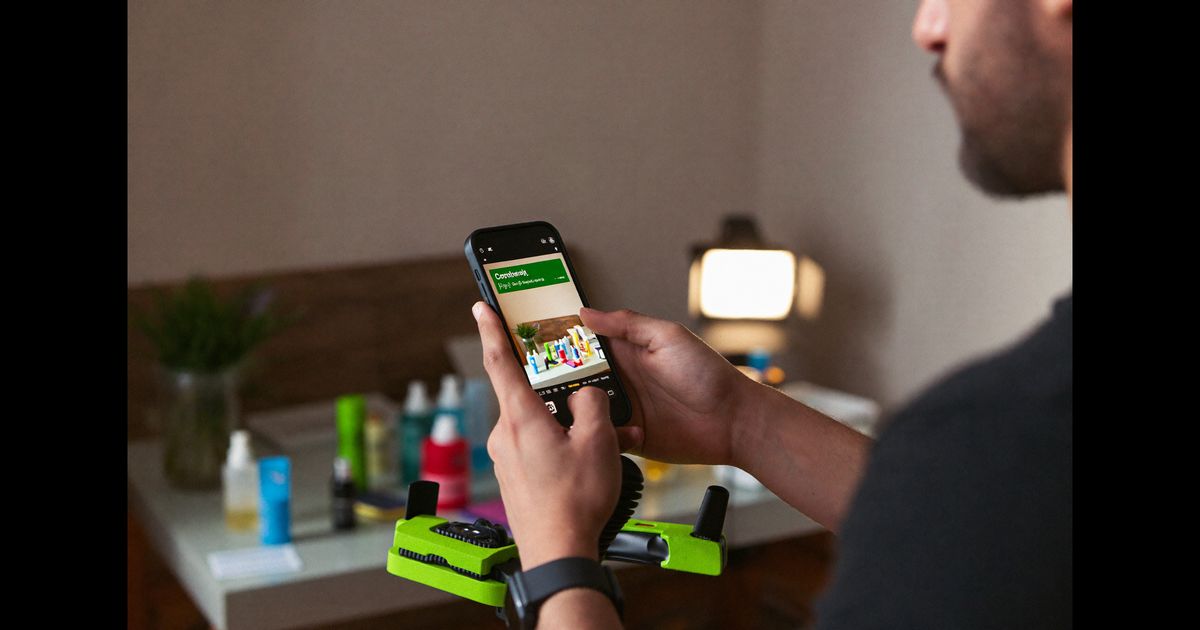
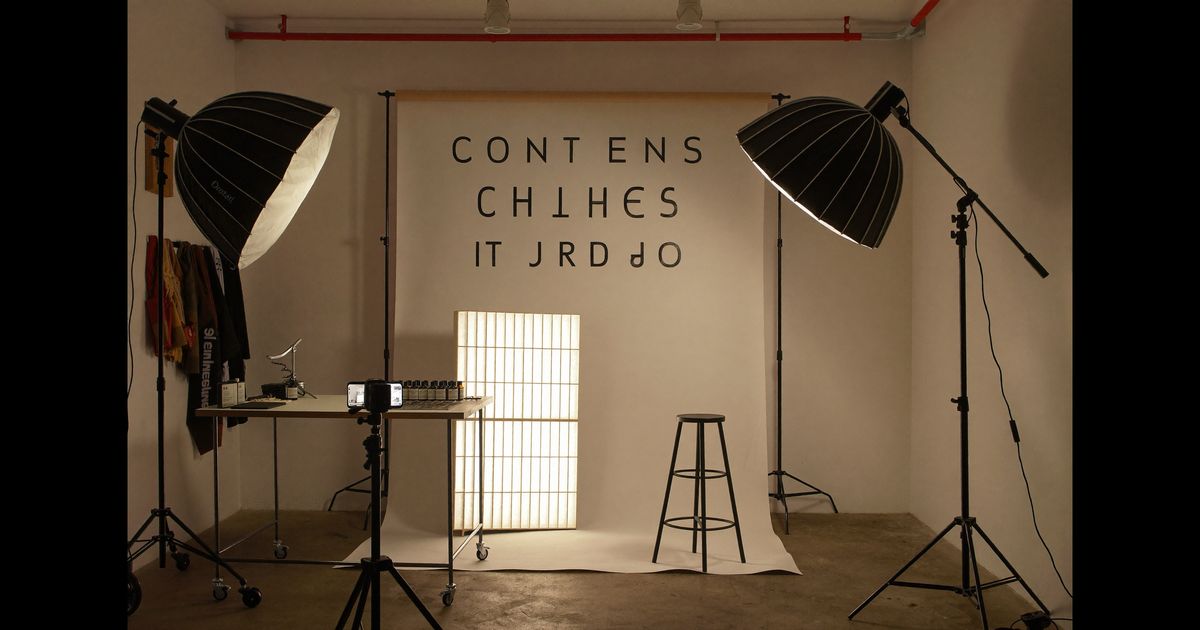
You do not need a studio. Most of the tutorial content we brief creators on is shot at home on a smartphone, and the best-performing Pins are often the most unpolished in terms of production, because they look like genuine use, not an ad. That said, a few small investments make a measurable difference.
- Lighting: A basic ring light from Flipkart or Amazon India (Rs.800–1,500) eliminates the harsh shadows that kill tutorial credibility. Natural window light at noon also works well for beauty and food content, just face the window rather than sitting with it behind you.
- Tripod or a stack of books: Tutorials require a stable, hands-free frame, especially for step-by-step demonstrations. A mini tripod (Rs.300–600) or a phone holder clipped to a shelf works fine. The camera should not move between steps, consistency helps viewers follow the process.
- Clean backgrounds: A white wall, a plain bedsheet, or a wooden kitchen counter is enough. Pinterest's grid is visually dense; cluttered backgrounds make your Pin disappear in search results. A single contrasting colour behind the subject increases click-through rates significantly.
- Captions and text overlays: CapCut (free) and InShot (free tier sufficient) both allow you to add numbered step overlays, product call-outs, and subtitles. These are not optional, a large share of Pinterest users browse without sound.
Writing Pin Descriptions That Actually Get Found
This step is where most creators leave performance on the table. A Pinterest description is not a caption, it is closer to a product listing. Write 150–300 characters that include the core search terms your audience would use, and do it naturally, not as a keyword dump.
For example, if you are creating a tutorial for a hair oil brand targeting women in Chennai and Mumbai:
"3-step hot oil treatment for dry, frizzy hair using coconut and bhringraj oil. Perfect for Indian hair types, works even in humid weather. Save for your next wash day. #HairCare #IndianHairTips #NaturalHairRoutine"
Notice what this does: it names the hair concern, names the ingredients (which are also search terms), calls out the Indian climate relevance, and includes a save prompt. Hashtags on Pinterest carry less weight than on Instagram, but 3–5 relevant ones still help with category indexing. Keep them specific rather than broad, #IndianHairTips over just #Hair.
ASCI and Disclosure Rules for Branded Tutorial Pins
If a brand is paying you to create the tutorial or gifting you the product, Indian Advertising Standards Council (ASCI) guidelines require disclosure. This applies to Pinterest content just as it does to Instagram or YouTube. The rules are straightforward:
- Add #Ad or #Sponsored at the beginning of your Pin description, not buried at the end after several lines of text.
- If the brand gifted you the product without a formal payment, use #gifted or #collab.
- On-screen text disclosures in the video itself are additionally good practice, especially for tutorial formats where the product is featured prominently.
- ASCI guidelines updated in 2021 brought digital creators under the same disclosure obligations as traditional media. Non-compliance can result in the brand receiving a notice, which affects future campaign approvals.
We brief all creators we work with to include the disclosure in the first line of the description, not as an afterthought. It protects the creator, the brand, and the trust of the audience who saves the Pin and returns to it later.
Building a Tutorial Series That Compounds Over Time
A single tutorial Pin is a one-time asset. A themed series is a discovery engine. Pinterest's board structure makes it easy for brands to commission 8–12 related Pins that link together into a curated board, a content cluster that ranks better than individual Pins and gives the audience a reason to follow the brand's profile.
Some series formats that work well in the Indian market:
- Problem-to-solution progressions: "Week 1: identifying your skin type → Week 2: building a basic routine → Week 3: adding serums", each Pin stands alone but gains context from the series.
- Regional or seasonal variations: A recipe brand could commission separate Pins for the same base product adapted to Bengali, Marathi, and South Indian palates, each optimised with regional language keywords.
- Budget tiers: "Under Rs.500", "Under Rs.1,000", "Premium" versions of the same tutorial type perform well as a three-Pin cluster because they capture different search intents.
- Repurpose the same shoot: A single 3-minute product demo shoot can be cut into a 60-second full tutorial Pin, three 10-second step-close-up Pins, and a static flat-lay Pin from a pause frame. Brief your creator accordingly to capture those angles during one shoot session.
Tutorial content on Pinterest rewards patience and system-thinking more than any other platform. A Pin posted today may start earning saves three months from now when the right seasonal search volume arrives. If you are a brand looking to build this kind of compounding content library with creators who understand the format, take a look at what we have produced for similar clients at /work, or book a free consultation to talk through how a Pinterest-focused UGC brief might fit your next quarter.