A 30-second testimonial video shot in a Mumbai apartment once outperformed a Rs.4 lakh studio ad for a skincare brand we worked with, not because it was slick, but because a real person said something specific that rang true. That kind of specificity is the entire craft of a good testimonial, and it transfers completely to short-form vertical video, whether that's Instagram Reels, YouTube Shorts, or homegrown platforms like Moj and Josh.
A quick note before diving in: TikTok has been banned in India since June 2020 and currently has no legal path for Indian creators or brands to publish content. Everything in this guide applies directly to Instagram Reels, YouTube Shorts, and regional short-video platforms, they share the same vertical format, the same 15–60 second sweet spot, and the same algorithmic preference for authentic, face-forward content. If you are creating testimonials for an international market where TikTok is live, the structural principles below apply there too; just substitute the platform name.
What Makes a Testimonial Video Actually Convert
Most testimonial briefs go wrong at the source. Brands hand creators a list of bullet points and ask them to "sound natural." Viewers can detect the recitation from the first sentence. A testimonial that converts has three things a scripted talking-head rarely does:
- A before-state that stings a little. "My skin was breaking out every time I used anything with fragrance" is a real problem. "I wanted clearer skin" is not.
- A specific result, not a feeling. "I stopped using concealer to work by week three" beats "my confidence improved."
- An involuntary detail. The creator mentions something the brand didn't ask for, a side benefit, a texture observation, a moment of surprise. That detail is what makes the claim believable.
We brief creators to record a 5-minute unstructured voice note about their actual experience before they touch the camera. The involuntary details surface there, and those become the anchor lines for the final video.
The Step-by-Step Production Process
Walk through this sequence for every testimonial shoot, regardless of product category:
- Step 1, Experience period. Give creators a minimum 7-day usage window before any filming. For supplements or skincare, 21 days is standard. A creator who has only used the product once cannot give an honest testimonial, which also puts you on the wrong side of ASCI guidelines (Clause 4 requires that testimonials reflect genuine experience).
- Step 2, Discovery call, not a script. Have a 15-minute call with the creator after the experience period. Ask: what surprised you, what would you tell a friend, what almost put you off before you tried it. Record the call. Pull the two or three lines that sound most natural, these become the skeleton of the video.
- Step 3, Shot list with a clear hook line. The first 2–3 seconds must contain the hook. On Reels or Shorts, the algorithm decides to distribute (or not) within those opening frames. The hook should be the most specific, curiosity-triggering line from step 2, not a greeting, not a brand mention. Examples: "I've been dyeing my hair for 11 years and this is the only oil that didn't make the colour fade faster" or "Maine yeh order sirf isliye kiya kyunki return policy thi, aur phir maine woh return nahi kiya."
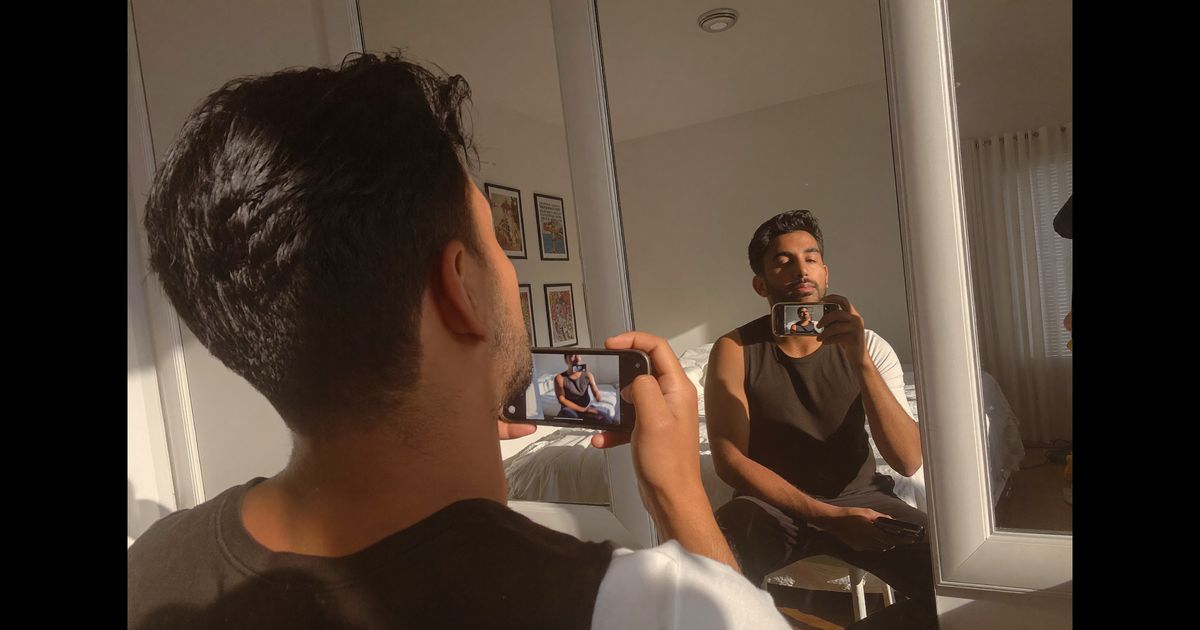
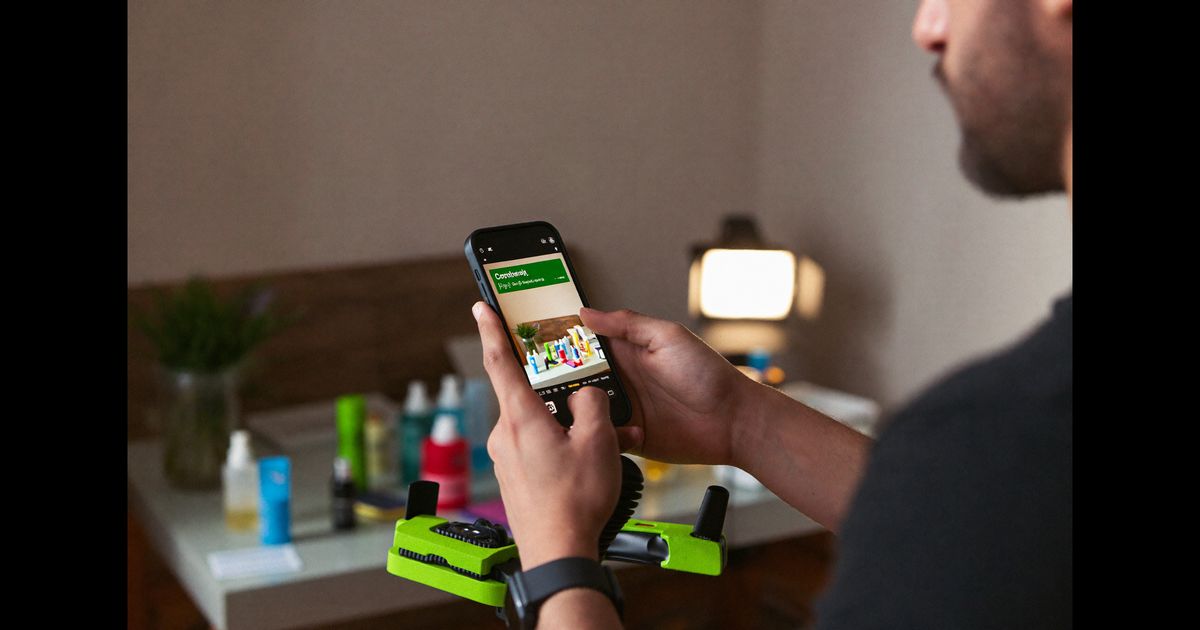
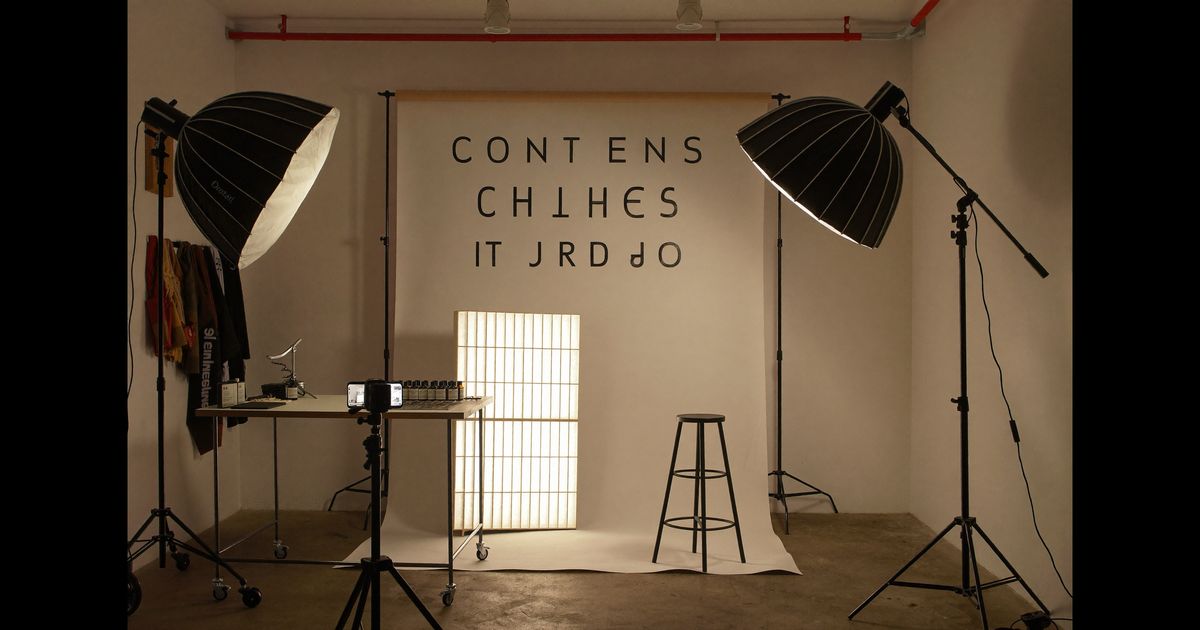
- Step 4, Shoot in natural light, native aspect ratio. 9:16, shot on a phone held at eye level or slightly above. No ring light halos, no clean studio walls. A lived-in bedroom shelf or a kitchen counter signals authenticity. Creators shooting in Delhi, Chennai, Bangalore, the visual texture of their actual spaces is a feature, not a flaw.
- Step 5, B-roll integration. Shoot 6–8 seconds of the product being used: applying, unboxing, the before/after in natural light. This cuts in during the middle third of the video to break the talking-head pattern and give the editor proof points to land on.
- Step 6, Edit for re-watch, not just watch. Testimonials that loop well get a distribution advantage on short-form platforms. End on a line that creates mild unresolved curiosity, something that pulls a first-time viewer back to the beginning. Avoid hard fade-outs.
ASCI Compliance in Testimonial Videos
Indian advertisers must comply with the Advertising Standards Council of India (ASCI) guidelines, and testimonial content, even creator-led UGC, falls squarely under these rules. The key obligations for short-form video testimonials:
- Disclosure is mandatory. If a creator was paid, gifted the product, or has any commercial relationship with the brand, the video must carry a visible disclosure. On Reels and Shorts this means a text overlay or verbal mention within the first 3 seconds, not buried in a caption. ASCI's 2021 influencer guidelines are explicit: "#ad" or "Paid partnership" must be prominent.
- Claims must be substantiated. If a creator says a supplement improved their sleep in 5 days, that claim must be something the brand can back with data. Vague claims ("I felt amazing") carry less risk; specific clinical-sounding claims ("my iron levels improved") require evidence.
- No fake testimonials. Using actors to pose as real customers and present scripted experiences as genuine testimonials is prohibited. This applies even if the performance is convincing, the authenticity must be real, not performed.
The practical implication: brief your creators on what they can and cannot claim before filming. A 5-minute pre-brief here saves a re-shoot and a potential ASCI complaint.
Language and Regional Authenticity
One of the most underused levers in Indian short-form testimonials is language choice. A Hindi testimonial shot in Lucknow with local idiom performs differently with a UP audience than the same content dubbed into neutral "broadcast Hindi." For regional D2C brands, a Tamil snack brand, a Kannada herbal brand, a Bengali fashion label, a testimonial in the creator's native language, with natural code-switching, routinely outperforms the English equivalent in CTR among regional audiences.
- For national campaigns, prioritise three language cuts: Hindi, English, and one regional language relevant to your highest-potential market.
- Avoid dubbing a creator's testimonial into a language they don't speak, the lip-sync mismatch destroys the authenticity signal.
- Code-switching (Hinglish, Tanglish, Benglish) is not a production shortcut, it is how people actually speak. Let creators use the register that comes naturally to them.
Formats That Work on Reels and Shorts Right Now
The short-form testimonial is not one format, it is a family. Different formats serve different stages of a purchase journey:
- The 15-second punch: One problem, one result, one proof detail. No B-roll, no intro. Best for retargeting audiences who already know the brand.
- The 30-second story arc: Before → turning point → after. B-roll in the middle. Best for cold audiences in discovery campaigns.
- The "honest review" format: Creator mentions one thing they don't love alongside two things they do. Counterintuitively, the flaw makes the praise land harder. Works well for high-consideration categories: supplements, electronics, premium skincare (Rs.1,500+).
- The comparison testimonial: "I tried three protein powders in six months, here's why I stayed with this one." High watch-time, high save rate. Useful for YouTube Shorts where longer retention matters more than on Reels.
- The duet/stitch response: On platforms that support it, a creator responds to a brand's existing video with their personal experience. Signals social proof organically and costs almost nothing to produce.
Common Errors That Kill Testimonial Performance
- Opening with the brand name. "So I've been using [Brand] for two weeks…" is a skip trigger. Open with the experience, not the endorsement.
- Telling creators what to feel. A brief that says "express how happy you are" produces visibly performed emotion. Brief on what happened, not how to feel about it.
- Ignoring aspect ratio in casting. Creators who have only ever shot landscape content often frame poorly in 9:16, subject too small, too much headroom. Review a creator's recent Reels before briefing, not just their follower count.
- No subtitles. A large share of short-form video in India is watched with the sound off, especially in public transport or office environments. Auto-captions are not enough, they misread brand names and Hindi words consistently. Manual subtitle QC adds 20 minutes per video and meaningfully protects comprehension.
- One cut, one use. A 30-second testimonial contains at least three usable clips: the hook alone, the result moment, the full video. Brief for this from the start so the creator shoots clean selects of each segment separately.
If you want to build a repeatable testimonial pipeline, with proper creator briefing, ASCI-compliant disclosures, and format variants ready for paid and organic, take a look at how we structure this for brands at The UGC Agency's work, or book a consultation to scope out what a testimonial series would cost and look like for your category.