Pinterest is not the first platform that comes to mind when an Indian brand thinks about testimonial videos. Most brands default to Instagram Reels or YouTube Shorts. But Pinterest is quietly growing as a discovery engine in India, particularly among women aged 18–35 in metros and Tier cities across India who use it to plan purchases in beauty, home décor, fashion, and wellness. If you are a creator or a brand just starting out with UGC testimonials, Pinterest actually offers some structural advantages that most beginners overlook.
This guide covers everything you need to know about creating testimonial content specifically for Pinterest, what the format looks like, how to record it well, what to say, and what the platform's rules require. No prior experience needed.
Understanding What Pinterest Actually Is (and How Testimonials Fit In)
Pinterest is a visual search and discovery platform. Unlike Instagram, where content is pushed through an algorithmic feed, Pinterest works more like a search engine. Users type queries like "best serum for oily skin India" or "affordable home décor ideas" and Pinterest surfaces relevant pins, including video pins. This matters enormously for testimonials because your content can keep getting discovered for months or even years after you post it, rather than dying within 48 hours the way a Reel often does.
Testimonial videos on Pinterest are typically video pins, short clips (under 2 minutes, ideally 30–90 seconds) where a real person shares their genuine experience with a product or service. Unlike an unboxing or a tutorial, a testimonial is about the outcome. Did it work? How did it change your routine? Would you actually buy it again?
- Pin format: Vertical video at 2:3 or 9:16 aspect ratio. Pinterest's own data shows that taller pins take up more feed space and get more saves.
- Video length: 15–90 seconds is the sweet spot for testimonials. Keep the hook in the first 5 seconds because autoplay starts muted.
- Text overlay: Essential. Most users browse muted, so your key claim should be readable without sound.
- Cover image: Pinterest lets you set a custom thumbnail. Use a clean, well-lit still of your face or the product, not a blurry mid-frame grab.
Setting Up Your Recording: Equipment and Environment
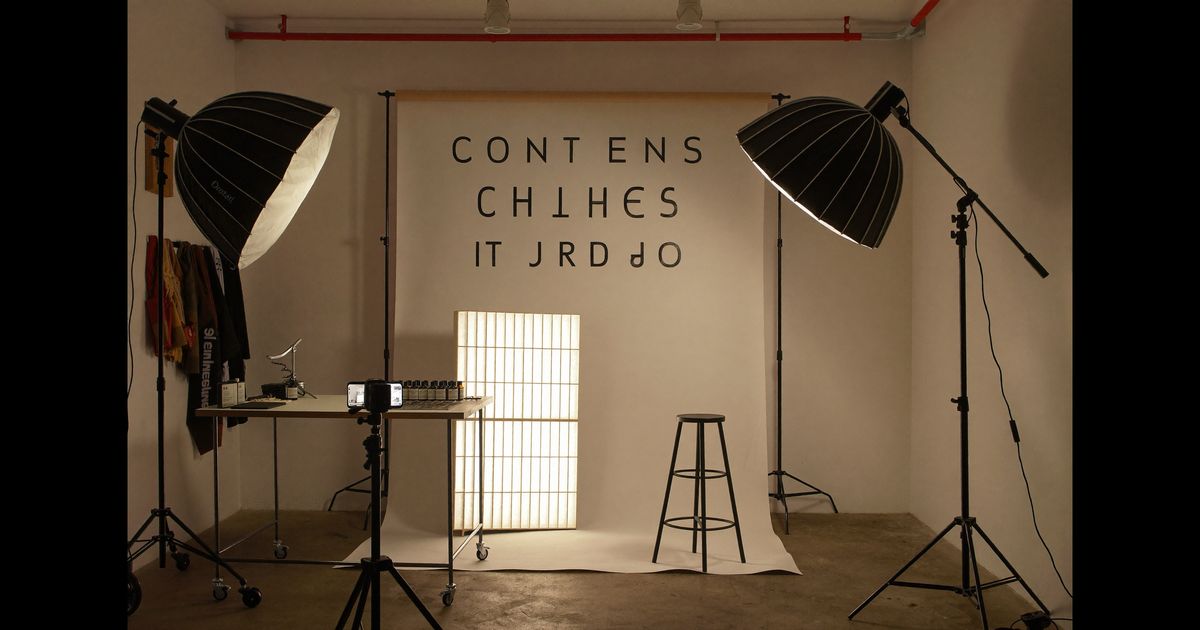
You do not need professional gear to create a credible Pinterest testimonial. A mid-range Android phone (Redmi Note series, Samsung M-series) or any recent iPhone shot in good natural light will produce results that convert. What matters more than equipment is environment and framing.
- Light source: Sit facing a window during daylight hours. If you are shooting in the evening, a Rs. 800–1,500 ring light from Amazon India makes a visible difference. Avoid ceiling tube lights as the sole source, they cast unflattering shadows and make skin tones look unnatural on camera.
- Background: Minimalist backgrounds work well on Pinterest because they look aesthetically consistent with the platform's overall visual tone. A plain wall, a bookshelf, or a tidy kitchen counter reads as aspirational without being distracting. Avoid busy patterns.
- Framing: Position your phone so your face sits in the upper two-thirds of the frame. Leave some room at the bottom for text overlays. Use a tripod or prop the phone against a stack of books, shaky handheld footage signals low effort to viewers.
- Audio: Pinterest videos autoplay muted, but users who tap for sound expect decent audio. Record in a quiet room, or use the lapel mic that came bundled with your phone's earphones. That alone reduces echo significantly.
Writing Your Testimonial Script: What to Say and How to Say It
First-time creators often make one of two mistakes: they either recite a list of product features (which sounds like a press release) or they go completely unscripted and ramble (which loses viewers within 10 seconds). A tight testimonial structure solves both problems.
Here is a simple three-part framework we brief creators on:
- The Before: Name the specific problem you had. "My skin was breaking out every monsoon, especially on my forehead and chin. I had tried three different face washes from pharmacies and nothing was working." This is relatable. It earns trust before you mention any product.
- The Experience: Describe what using the product was actually like. Not "it's amazing", that means nothing. "I used it every night for three weeks. The texture was lighter than I expected. My skin didn't feel tight after washing, which was a new experience for me." Sensory and specific details make testimonials believable.
- The After: State the concrete result. "By week four, the breakouts around my chin had reduced significantly. I still get the occasional pimple before my period, but my baseline skin is clearer." Honest, specific outcomes are more persuasive than exaggerated claims.
Keep the whole script to about 150–180 words for a 60-second video. Practice it twice before recording, but do not memorise it word for word, slight natural pauses and self-corrections read as authentic rather than scripted.
Disclosure and ASCI Rules: What Paid Creators Must Know
If you are being paid or receiving free products in exchange for a testimonial, the Advertising Standards Council of India (ASCI) guidelines require you to disclose this clearly. This applies to content published anywhere in India, including Pinterest. Non-disclosure is not just an ethical issue, ASCI has been actively pursuing influencer cases since 2021, and brands can face reputational and regulatory fallout.
- Use the label #Ad or #Sponsored prominently in the pin description. "Collab with [Brand]" is acceptable. Burying it in a long list of hashtags is not compliant.
- On-screen text overlay saying "Paid Partnership" or "Gifted" also helps, Pinterest does not yet have a native paid partnership tag the way Instagram does, so the disclosure must come from you directly.
- Testimonials must reflect genuine experience. ASCI prohibits endorsements where the creator has not actually used the product. If you are receiving a product for review, use it for a reasonable period before recording.
- Do not make health, medical, or financial claims you cannot substantiate. For beauty and wellness products especially, words like "cures", "eliminates", or "guarantees" invite scrutiny.
Optimising Your Pin for Discovery: Titles, Descriptions, and Boards
Pinterest SEO is genuinely underused by Indian creators. Because Pinterest functions like a search engine, the words in your pin title and description directly determine who finds your content. Think about what your ideal viewer would type into Pinterest search.
- Pin title: Be specific and keyword-forward. "Honest Review: This Ayurvedic Face Oil Fixed My Dry Skin in Mumbai's Winter" will outperform "My Skincare Journey". Include relevant product names, skin concerns, or use cases.
- Pin description: Write 2–3 sentences that expand on the title, include secondary keywords naturally, and tell the viewer what they will learn or see. Pinterest's algorithm reads this text to categorise your content.
- Board placement: Save your testimonial pin to a relevant board with a clear title, "Skincare That Actually Works India" or "Budget Beauty Finds Under Rs. 500". Board context reinforces the pin's category signal.
- Hashtags: Use 3–5 specific hashtags rather than twenty generic ones. #IndianSkincare, #OilySkinCare, and #AyurvedicBeauty will serve a skincare testimonial better than #beauty #skin #love #india.
- Repinning strategy: Unlike Instagram, you can save your own pin to multiple boards without penalty. A testimonial about a home décor product could live on a "Living Room Refresh" board and a "Budget Home Décor India" board simultaneously.
Common Mistakes Beginners Make (and How to Avoid Them)
After briefing dozens of UGC creators across product categories, a few patterns emerge in early-stage work that are easy to fix once you know what to look for.
- Opening with "Hi guys, so today I'm going to talk about...": This is a YouTube habit that does not translate to Pinterest's short-form format. Your first 3 seconds should be the most compelling thing you say. Lead with the result or the problem, not an introduction.
- No text overlay: On a muted feed, a plain talking-head video communicates almost nothing. Add the product name, your key claim, or a compelling question as an on-screen caption using CapCut or InShot, both are free and straightforward to use.
- Forgetting the pin description entirely: Many creators upload a great video and leave the description blank. This is equivalent to publishing a blog post with no metadata, invisible to search.
- Using horizontal video: Shooting in landscape mode and uploading to Pinterest wastes 60% of the screen. Always shoot vertical (hold your phone upright) for any short-form platform.
- Overpromising outcomes: Saying "this product changed my life" in week one is both implausible and risky under ASCI guidelines. Specific, time-bound results ("after 30 days of use, my skin texture was visibly smoother") are more credible and more compliant.
Language and Localisation: Speaking to Indian Pinterest Users
Pinterest in India skews toward English content in urban markets, but Hinglish (a mix of Hindi and English) performs strongly across metro and Tier 2 audiences in fashion, food, and beauty verticals. If you are a creator based in Bengaluru, Chennai, or Kolkata, mixing in Tamil, Kannada, or Bengali phrases in your audio while keeping the text overlay and description in English can increase resonance with local audiences without limiting your overall reach.
A beauty creator in Hyderabad, for example, might record her testimonial in Hinglish, "Maine yeh serum teen hafte use kiya aur honestly, mere dark spots pe farak dikh raha hai", while writing her pin description and title entirely in English to capture search traffic from across India. This combination is practical and natural, and it makes the testimonial feel more personally genuine than scripted English alone.
For brands targeting specific regional markets, say, a hair oil brand with strong demand in Tamil Nadu or a pickle brand running campaigns in Odisha, localised creator testimonials in the regional language, paired with English metadata, can reach niche audiences that broader campaigns miss entirely.
If your brand is ready to build a Pinterest testimonial strategy with creators who understand both the platform and the Indian market, take a look at our production packages, we work with creators across categories and cities to produce content that actually gets saved, not just scrolled past.