A testimonial that converts on Instagram doesn't sound like a testimonial at all. It sounds like someone telling a friend something genuinely useful, and that gap between what most brands shoot and what actually performs is where we spend most of our production time.
Over the last several months of briefing and reviewing creator shoots for D2C and FMCG clients across Mumbai, Bengaluru, and Kolkata, we've identified specific craft decisions, at the scripting stage, on the day of shoot, and in the edit, that separate a scroll-stopping testimonial Reel from the kind that gets skipped in under two seconds. Here's how we actually do this.
Why Instagram Testimonials Need a Different Playbook Than YouTube or Meta Feed
Instagram Reels and Stories have distinct viewer psychology. On YouTube, a viewer clicking a product review has already expressed intent. On Instagram, your testimonial is interrupting someone mid-scroll through memes, friends' Stories, and pet videos. The first 1.5 seconds must work without sound, a significant number of Instagram users watch Reels on mute in public spaces, and the hook must be emotional or curiosity-driven, not informational.
- No "Hi, my name is" openers. We brief every creator to begin mid-thought. "Three weeks ago my skin was breaking out every second day" lands better than "Hi, I'm Priya and today I'm going to review..."
- Captions are not optional. We export auto-captions (burned-in, not as a separate SRT) for every testimonial clip. This alone lifts completion rates measurably, viewers who start on mute often turn sound on once text hooks them.
- Stories format vs. Reels format are different briefs. A Stories testimonial can be rawer, lower production value, more conversational. A Reels testimonial needs a tight narrative arc in 30–45 seconds. We write separate scripts for each.
The Brief We Give Creators Before They Shoot a Single Frame
The quality of a testimonial video is 70% determined before the creator hits record. Our standard creator brief for Instagram testimonials has five fixed elements:
- The one true claim. We ask creators to anchor the whole video to a single, specific, verifiable result, not five vague ones. "My scalp stopped itching within ten days of switching shampoos" is infinitely more persuasive than "it made my hair healthy and shiny and smooth."
- The before-state narration. Creators must articulate what life was like before the product, ideally in one vivid sentence. This does the emotional heavy lifting.
- Visual proof requirement. For skincare, food, or fitness brands, we require at least one "evidence moment", a close-up of the product in use, a before photo held up to camera, or a results shot. This is also important for ASCI compliance: if the video implies a result, that result must be substantiated.
- Brand mention placement. We place the brand name at second 5–8, never second 1–2. Leading with the brand kills the organic feel that makes testimonials work.
- Disclosure language. Per ASCI's Influencer Guidelines (updated 2023), paid testimonials must disclose the commercial relationship. We build this into the caption template ("Ad" or "Paid partnership with [Brand]") rather than leaving it to the creator to remember. Brands that skip this face real compliance risk, ASCI has started actively monitoring Instagram.
Casting for Testimonials: Why "Best-Looking" Creator Is the Wrong Filter
We've seen brands shortlist creators purely on aesthetics, and it consistently underperforms. For testimonial content specifically, relatability and specificity of experience matter far more than follower count or appearance.
When we're casting for a skincare brand targeting women 25–35 in Tier-cities across India, we look for a creator who has genuinely dealt with the problem the product solves, not just a pretty face willing to say positive things. The difference is audible. Authentic recall of a real experience creates micro-pauses, natural emphasis, and specific details that scripted reads cannot replicate.
We once tested two testimonial videos for a haircare client, one from a 50K-follower creator with a "content creator" background, one from a 6K-follower creator who had actually used the product for a month. The 6K creator's video drove four times the link clicks from the same ad spend.
For Hindi-belt or regional brands, we also factor in language fit. A testimonial for a Pune-based skincare brand performs better in Marathi-mixed Hindi spoken naturally than in polished Hinglish, because it signals community membership to the target viewer. We cast accordingly.
On-Set Direction: The Specific Notes That Change a Take
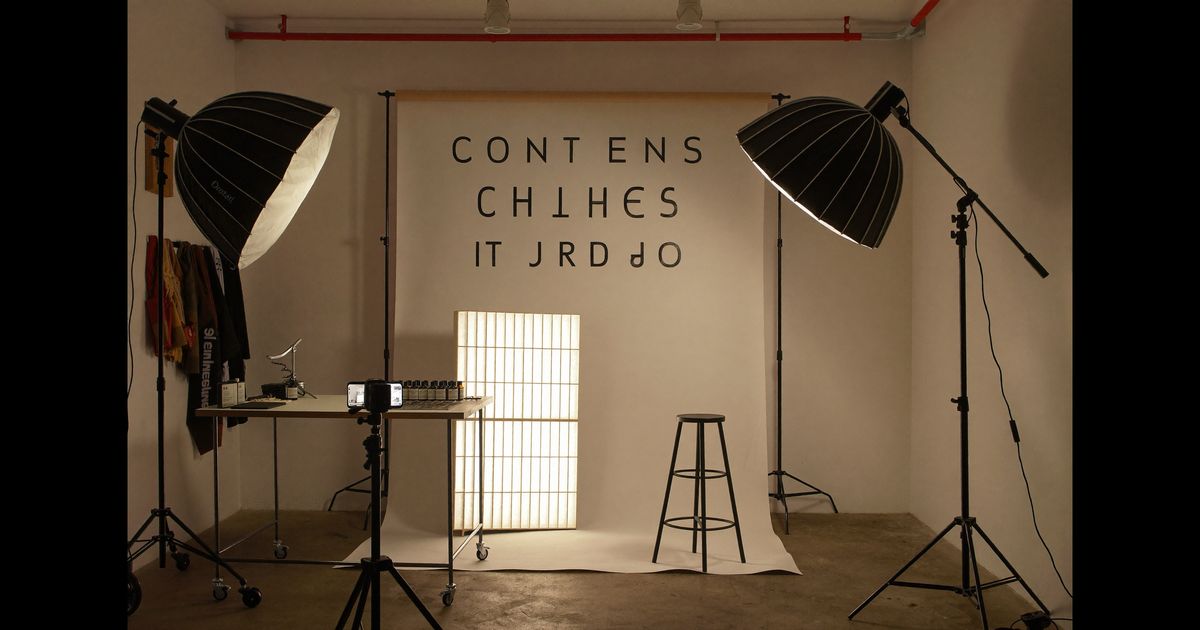
Most testimonials are shot remotely, creator's home setup, their phone, their light. We give direct instructions to close the production gap:
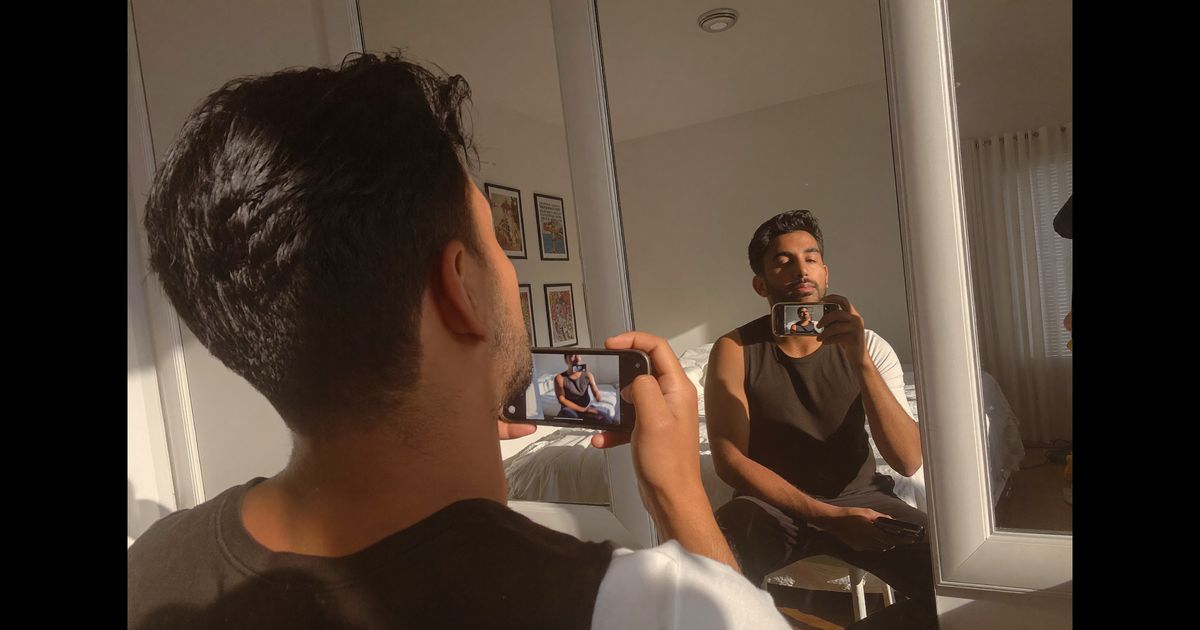
- Window light, not ring light. Ring lights create an obvious "this is an ad" visual signature. Diffused window light reads as personal and authentic. We specify morning or evening window in the brief.
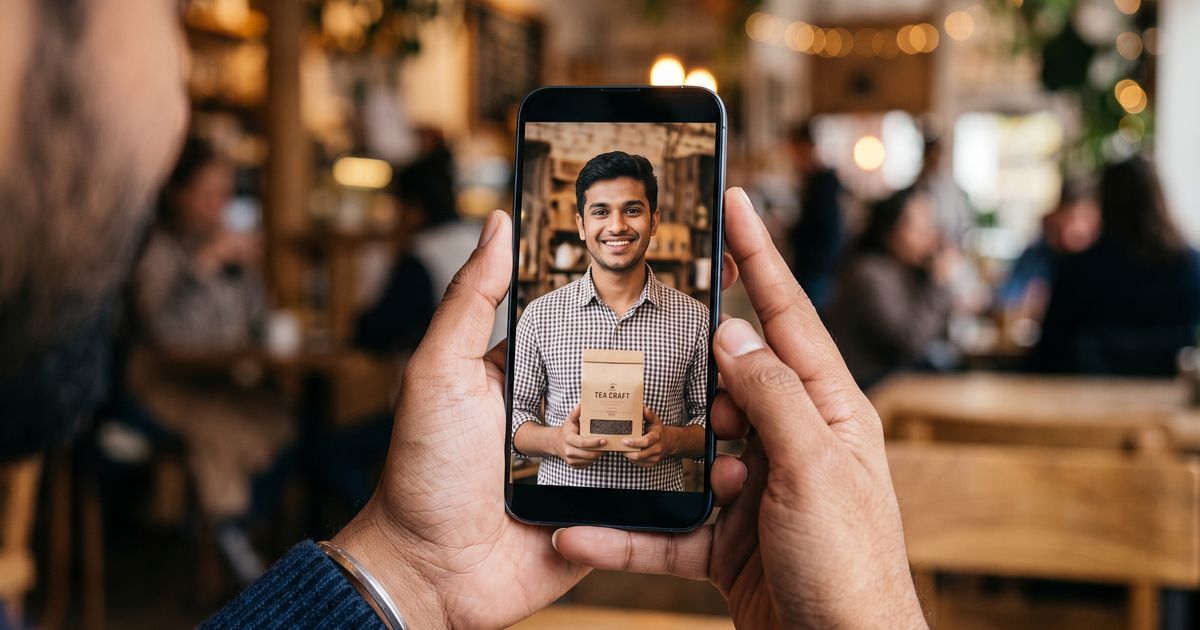
- Hold the product at chest height, not face level. Face-level product placement obscures expression. Expression carries emotion; emotion drives action.
- No smiling at the start of the hook. Counterintuitive, but a neutral or slightly concerned expression at second 0–2 creates intrigue. The smile earns its place when the creator describes the result.
- Record three takes: scripted, semi-improvised, fully off-the-cuff. We almost always cut from the third take. The first two loosen the creator up; the third is where the real voice comes through.
- Vertical 9:16, but shoot with headroom. We need to add captions at the top and a CTA bar at the bottom. Creators who frame too tightly leave us no room in the edit.
The Edit Decisions That Lift Performance on Instagram Specifically
The editing brief for an Instagram testimonial has specific constraints that don't apply elsewhere:
- Cut the first three seconds of every take. Creators almost always have a soft opening, a breath, a blink reset, a half-sentence. Cut it. Start on the first confident word.
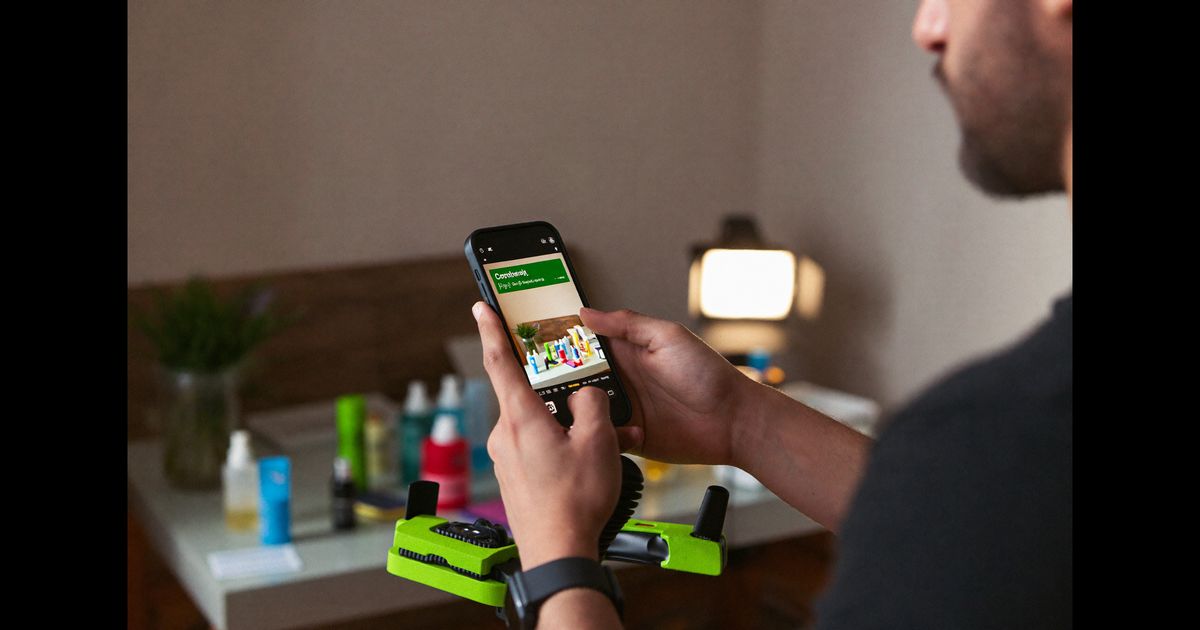
- No more than 4 seconds on a static talking-head shot. Intercut with product close-ups, hands-on-product shots, or a quick B-roll of context (the bathroom shelf, the gym bag, the kitchen counter). Instagram's algorithm rewards completion rates; varied cuts reduce drop-off.
- Captions: bold, high-contrast, word-by-word timing. We use a simple format, white text, black stroke, positioned in the lower-middle third. Word-by-word timing keeps viewers reading and watching simultaneously.
- End card with the product and a simple CTA. "Link in bio" performs worse than a specific CTA. We use "DM [Brand] for 10% off" or "Tap the link to try it" depending on whether the brand has a DM automation set up.
- Total length: 30–45 seconds for Reels, 10–15 seconds for Stories. Longer testimonials do exist and occasionally outperform, but as a baseline, tighter is safer on Instagram.
ASCI Compliance for Testimonial Reels: What Indian Brands Get Wrong
India's Advertising Standards Council of India (ASCI) has specific rules for testimonial advertising that apply to Instagram content when a brand has paid for or gifted the product in exchange for a review:
- The endorser must have genuine experience of the product at the time of endorsement. A creator who was gifted a product and shot the testimonial the same day without using it is technically in violation.
- Claims must be substantiated. If a creator says "I lost 3 kg in two weeks using this," the brand must hold evidence that this is a plausible, typical outcome, not just that one creator's anecdote.
- Virtual influencers (AI-generated creators) must explicitly disclose they are not human. This is a newer provision but increasingly relevant as some brands experiment with synthetic creators.
- The disclosure label ("Ad", "Paid Partnership", "Sponsored") must appear at the beginning of the caption, not buried after the hashtags. Instagram's native "Paid partnership" tag counts toward compliance.
We review ASCI guidelines at the brief stage, not the review stage. Building compliance into the creation process, rather than auditing after the fact, saves brands from having to reshoot or pull content.
What the Final Testimonial Package Looks Like
When we deliver a testimonial campaign for a brand, the standard package includes: one 30–45 second Reels cut with captions, one 10–15 second Stories cut (reframed from the same shoot), one static image frame extracted from the most expressive moment of the video (useful for Feed carousels), and a caption template with disclosure language pre-inserted. For brands running paid amplification, we also provide a no-music cut, because licensed music that works for organic Reels can cause audio-claim issues when the video goes into Meta Ads Manager.
This structure keeps the production cost per testimonial manageable, typically Rs. 8,000–15,000 per creator including shoot, edit, and deliverables, while giving brand teams multiple assets from a single shoot day.
If you're planning a testimonial campaign for Instagram and want to see how we structure briefs, casting, and deliverables for your specific product category, book a free consultation, we'll walk you through the process with examples from comparable brands.