WhatsApp does not have a "Shorts" tab. What it does have, Status, Channels, and the increasingly common practice of brands sharing 30–90 second video clips directly into chat groups and broadcast lists, is quietly becoming one of the most underrated short-form video surfaces in Indian D2C marketing. We have been briefing creators specifically for WhatsApp video formats since late 2023, and the creative discipline it demands is unlike anything on Instagram or YouTube.
This article breaks down what actually works: the production choices, the creator briefing logic, the formats, and the platform constraints that most brands learn the hard way after three wasted campaigns.
Understanding WhatsApp's Actual Video Surfaces
Before briefing any creator, we make sure the brand team understands what they are actually working with. WhatsApp's video-capable surfaces in India right now are:
- Status: 30-second clips that disappear in 24 hours, visible to contacts. Used heavily by direct sellers, resellers, and D2C brands with customer-facing WhatsApp numbers.
- Channels: Broadcast-style one-way content, launched in India in mid-2023. Brands can post videos here; subscribers watch without it feeling like an ad interruption.
- Chat and Broadcast Lists: Short video clips sent directly, essentially the most personal distribution method available on any platform. Works well for existing customers, not cold acquisition.
- WhatsApp Business Catalog Videos: Product demo clips attached to catalog items, seen during the purchase decision moment.
Each surface demands a different creative approach. A Status video is ambient and personal, it appears between a friend's food photo and a family update. A Channel video is closer to a newsletter. We brief creators differently for each, and conflating them is the most common mistake we see brands make.
The 30-Second Rule (and Why It Is Harder Than It Looks)
WhatsApp Status caps video at 30 seconds per clip. That constraint is brutal for creators trained on Instagram Reels or YouTube Shorts, where 45–60 seconds is the sweet spot. In our production work, we have found that creators need an explicit reframe: every second on WhatsApp Status costs more attention than on any other platform, because the viewer is in a personal space and their thumb is already primed to skip.
Our internal brief for Status-format videos requires:
- Hook in 2 seconds, not 3: The first frame must show the product in use or the creator's face reacting, not a slow pan or logo reveal. We send creators reference cuts and mark the exact second their hook lands.
- No intro lines: Banned phrases in our briefs include "Hey guys, today I'm going to…" and "So I recently tried…", these consume 5–7 seconds that do not exist in a 30-second window.
- Subtitles are mandatory: WhatsApp is frequently watched on mute, especially during office hours or while traveling by metro. We specify white text with a black stroke, 28pt minimum, placed in the lower third so it does not clash with the Status progress bar at the top.
- One claim per video: ASCI guidelines prohibit unsubstantiated superlatives ("best in India", "clinically proven" without disclosure). For Status videos in particular, there is no space to substantiate multiple claims, we choose one, make it concrete ("fades post-acne marks in 4 weeks, here's my skin at week 1 and week 4"), and keep it compliant.
How We Brief Creators for WhatsApp-First UGC
Creators who perform well on Instagram Reels do not automatically translate to WhatsApp formats. The energy is different. Reels reward personality and trend-riding. WhatsApp rewards intimacy and specificity.
When we onboard a creator for a WhatsApp-first campaign, typically for brands running D2C operations in Tier cities across India like Surat, Indore, Coimbatore, or Nagpur, where WhatsApp is often the primary digital touchpoint, we adjust the brief on three axes:
- Tone: Conversational, not performative. We ask creators to shoot as if they are sending the video to a friend who asked them about the product, not to an audience of 50,000.
- Setting: Home or real-use environment over studio lighting. A skincare creator applying serum at her bathroom mirror in Bhopal registers as more trustworthy on WhatsApp than the same creator in a ring-lit studio setup.
- Language: We actively push for regional language or Hindi-English mixing over pure English. A haircare clip in Hinglish ("yaar, ye oil ne mera hair fall 50% kam kar diya in 3 weeks") performs significantly better on WhatsApp broadcast lists targeting Hindi-belt customers than the same script in neutral English. For South India campaigns, we build separate creator pools for Tamil, Kannada, and Telugu delivery.
The brief we send for a WhatsApp Status video is about 40% shorter than our standard Reels brief, not because less thought went in, but because over-direction kills the conversational quality that makes these videos work.
Channel Videos: A Different Format Logic
WhatsApp Channels allow longer videos and a subscriber relationship, meaning the viewer has opted in. This changes the creative calculus significantly. For Channel content, we move away from the hard 30-second cap and instead brief creators on what we call "commitment videos": 60–90 seconds that reward the viewer for watching all the way through.
For a skincare brand with a WhatsApp Channel, a well-structured commitment video might look like:
- 0–5s: Outcome hook ("My skin texture after 60 days of this routine, here's the before")
- 5–35s: The actual routine, shown fast, with specific product names and INR prices mentioned naturally ("the niacinamide serum is around Rs. 450, the SPF is 280")
- 35–60s: Outcome reveal plus one honest caveat ("took 3 weeks before I saw anything, so don't give up early")
- 60–75s: Clear CTA, link in Channel bio, not a verbal "DM me" which violates the broadcast format
The pricing transparency is intentional. Indian WhatsApp audiences, particularly in the Rs. 20,000–60,000 household income bracket that D2C brands increasingly target, respond well to creators who name prices without being prompted. It signals honesty and saves a follow-up question.
Production Specs That Actually Matter
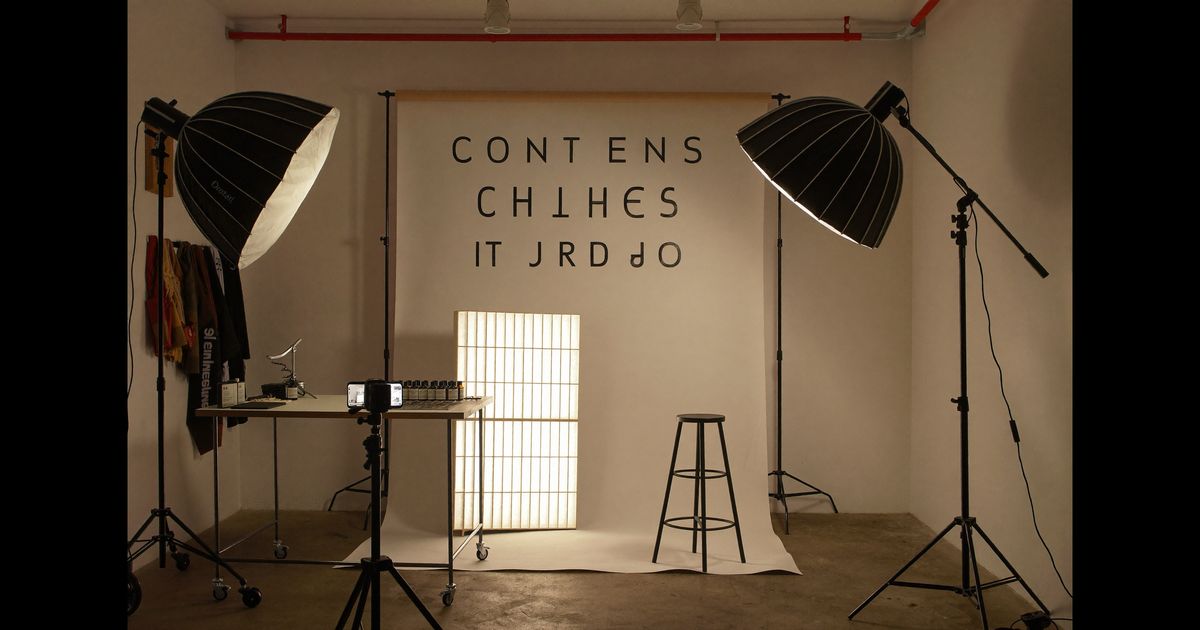
WhatsApp compresses video aggressively. A file that looks crisp at source can emerge as a pixelated mess on the recipient's screen if shot or exported carelessly. Our production checklist for WhatsApp-distributed UGC:
- Shoot in 1080p at minimum, vertical (9:16): WhatsApp crops horizontal video badly on mobile. Vertical-native shooting avoids this entirely.
- Export at 30fps, not 60fps: WhatsApp's compression handles 30fps better. 60fps footage often shows visible artifacts after platform recompression.
- Keep file size under 16MB for Status, under 64MB for Channels: WhatsApp's upload limits are hard caps, not suggestions. A creator who delivers a 90MB file cannot upload it to Status at all.
- Avoid heavy colour grading: Highly saturated or darkened footage loses detail rapidly through WhatsApp's compression. Natural-light, lightly graded footage survives better.
- Audio: record close, cut background noise: WhatsApp audio playback on cheap Android handsets (Redmi, Realme, the dominant devices in Tier 2 India) is unforgiving. A creator recording on a Rs. 1,500 clip-on mic will outperform one recording on a Rs. 80,000 camera's onboard mic in a room with a ceiling fan running.
Compliance and Trust: What ASCI Expects
WhatsApp UGC shared via branded Channels or sponsored broadcast lists is subject to ASCI's influencer guidelines, which require material connection disclosure when content is paid. The mechanism for Status videos is a brief text overlay or caption, "Paid partnership with [Brand]", which takes up minimal space and is now standard practice among compliant creators.
For Channels, the disclosure can appear in the Channel description or as a pinned note. The ASCI self-regulation guidelines updated in 2021 and reinforced in 2023 apply regardless of platform, "it's just WhatsApp" is not a compliance defence.
In our production workflow, we build disclosure into the creator brief template so it is never an afterthought. Creators who are new to paid content appreciate the clear instruction; it protects them as much as it protects the brand.
Measuring What Works (Without Platform Analytics)
WhatsApp's analytics are thin compared to Instagram or YouTube. Status shows view counts; Channels offer basic reach data. For Broadcast List campaigns, you are largely flying blind unless you build measurement in deliberately. We use three proxy metrics with our clients:
- Reply rate on Broadcast Lists: If 3–5% of recipients reply (even just an emoji), the video landed. Under 1% is a signal to revise the creative.
- Link click-throughs: For Channel content with a trackable UTM link, click rate is the cleanest signal. A well-performing WhatsApp Channel video for a D2C beauty brand will typically drive 4–8% click-through on a warm subscriber list.
- DM volume spike: After a Status posting, a spike in inbound DMs to the business number within 2–4 hours is a reliable indicator the video created genuine interest, not just passive views.
If your brand is building a WhatsApp video content strategy and wants creator-briefed, compliance-ready UGC produced for Indian audiences, from Status clips to Channel series, our team works with brands from Rs. 60,000 upward. See how we approach it at our work or book a consultation to talk through your specific use case.