TikTok was banned in India in June 2020. If you are a brand briefing creators to make "TikTok Shorts," you are already starting from the wrong place, and that is the first mistake this article is going to fix. The vertical short-form format that TikTok popularised did not disappear from Indian screens; it migrated, almost wholesale, to Instagram Reels and YouTube Shorts, which together now dominate the short-form attention economy in cities from Surat to Siliguri. Understanding that migration, and what got lost in translation, is the real creative briefing challenge for UGC in 2025.
The structural mistakes that tanked TikTok-era UGC are being repeated daily on Reels and Shorts. Below is a plain-language breakdown of what brands get wrong when they brief creators for short-form vertical content, and how to fix each one before a single camera rolls.
Mistake 1: Treating Reels and YouTube Shorts as the Same Platform
They both play at 9:16. That is where the similarity ends. Instagram Reels skews toward discovery-first audiences, the algorithm surfaces content to people who do not follow you, making the first 1.5 seconds the only hook that matters. YouTube Shorts, by contrast, has a stronger subscription pull: viewers often encounter Shorts from creators they already follow, so a softer open can work if the creator's face has equity with that audience.
- Reels UGC brief: Lead with the problem, the product, or the punchline, never a slow pan or a logo card. An unboxing for a Bengaluru skincare brand that opens with "I have oily skin and this serum genuinely changed my morning routine" will outperform one that opens with the brand jingle every time.
- Shorts UGC brief: Creator-voice authenticity matters more. A creator in Pune talking to a regular subscriber can afford a slightly warmer, slower open because the viewer has prior trust. Use this for more considered formats, tutorials, before/after comparisons, ingredient breakdowns.
- The common error: Brands hand creators one brief and say "post it on both." The result is content that is slightly wrong everywhere and optimal nowhere.
Mistake 2: Writing a Script That Sounds Like a Script
Short-form UGC earns its credibility precisely because it does not sound like an ad. The moment a creator says "Hi, I am [name] and today I am partnering with [Brand X] to tell you about their amazing new product," you have lost the viewer, and almost certainly violated the spirit, if not the letter, of ASCI's influencer disclosure guidelines in the least graceful way possible.
ASCI requires paid partnerships to be disclosed clearly (with labels like "Paid Partnership," "Ad," or "Sponsored") within the first frame of a video. That is mandatory. But the mistake brands make is confusing disclosure with scripted pitch delivery. You can disclose cleanly and still let the creator speak in their own voice. We brief creators to add the ASCI-compliant label in the platform's native paid partnership tag, then open the video as they normally would, no branded intro, no rehearsed line about "exciting products."
- Give creators a fact sheet, not a word-for-word script. List the two or three product claims you need communicated (and which ones are ASCI-restricted, e.g., no absolute health claims without substantiation).
- Ask the creator to record a 90-second rough cut in their own words first. Review that for accuracy before asking for a polished take.
- If a creator's natural cadence is Hindi-English code-switching, which is the actual register of urban Indian social media, do not ask them to speak in formal English to sound "premium." Authenticity IS the premium.
Mistake 3: Ignoring Safe Zone Mathematics
A surprising number of brand-briefed Reels arrive with the most important visual element, a before/after shot, a price callout, an ingredient close-up, sitting dead center in the bottom 25% of the frame. On both Instagram Reels and YouTube Shorts, that zone is occupied by the caption, like button, share icon, and (on Shorts) the subscription button. The product disappears under the UI.
The safe zone for key visuals in a 1080×1920 frame is roughly pixels 250 to 1550 vertically (leaving 250px clear at top and ~370px clear at bottom). Text overlays, price stamps (e.g., "Rs. 599 only"), and product labels must live in this corridor. Brands that send creators a flat brief without a safe-zone reference image routinely waste an entire shoot day reshooting because the CTA was buried.
- Share a simple reference frame (a rectangle with the safe zone shaded) in every creator brief. This costs nothing and prevents reshoots.
- If the creator is using a trending audio track, confirm the on-screen text does not overlap with the song credit that Instagram displays in the lower left.
- For product demo content where pack shots matter, common in D2C beauty, food, and supplement brands, brief the creator to film the product against a light background within the safe zone, not on a table that is only visible in the lower 30% of frame.
Mistake 4: Chasing Trends That Expired Three Weeks Ago
Short-form trend cycles on Indian Reels move faster than most brand approval processes. By the time a brief goes through compliance, the legal team, and the influencer coordination chain, the audio that was everywhere is now a cultural punchline for being overused. We have seen brands in the Rs. 80,000–1,20,000 monthly UGC retainer range burn an entire month's content budget on a trend format that was already tired when the creator received the brief.
The fix is not to avoid trends, it is to build a faster lane for trend-reactive content alongside your planned content calendar.
- Planned content (70%): Product demos, testimonials, tutorials, these have longer shelf lives and can go through standard approval workflows.
- Trend-reactive content (30%): Pre-approve a creator and a short brief format so they can move within 48 hours of a trend emerging. Give them two or three product talking points that remain constant; let the trend audio or format change around them.
- Establish a standing WhatsApp group with your top two or three creators where you drop trend observations. Creators will often spot the right moment to integrate a trend better than an account manager checking a content calendar.
Mistake 5: Misunderstanding What "Raw" Means
Since TikTok's original Indian audience rewarded lo-fi, phone-shot content, many brands have overcorrected. The brief now says "keep it raw and authentic", and the creator hands back a shaky, badly lit video with indistinct audio that communicates nothing about the product. "Raw" was never about low production quality. It was about emotional register: unpolished delivery, genuine reactions, no soap-opera lighting or corporate voiceover.
The goal is a video that looks like it was made by someone who actually uses the product, not by someone who was paid to pretend they do, but it should still be watchable.
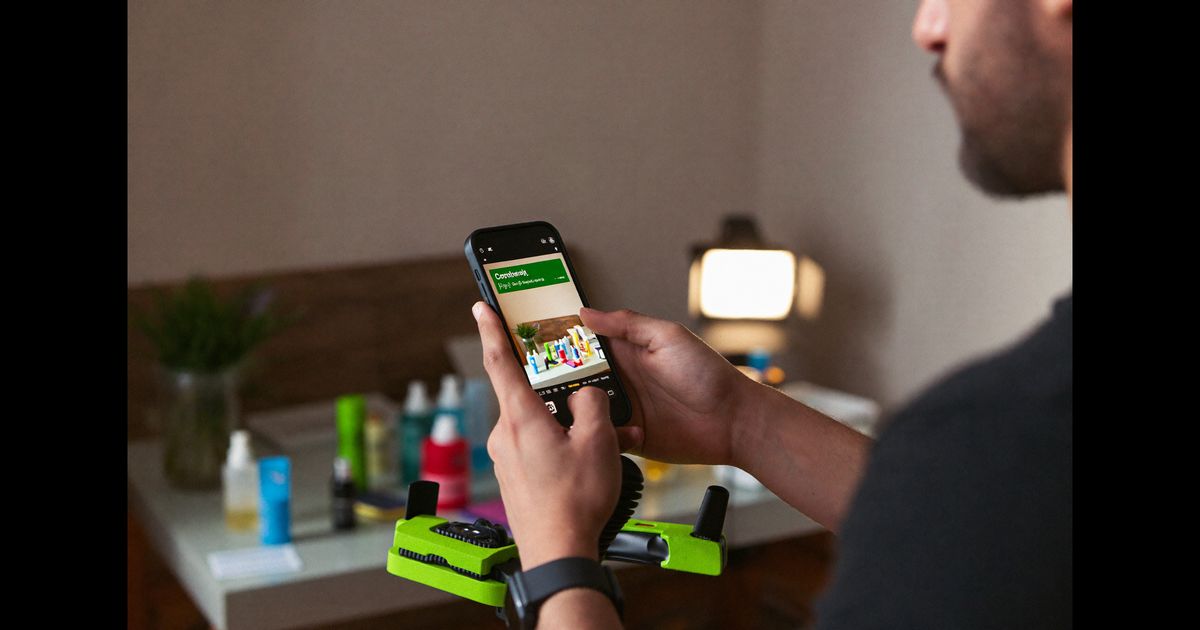
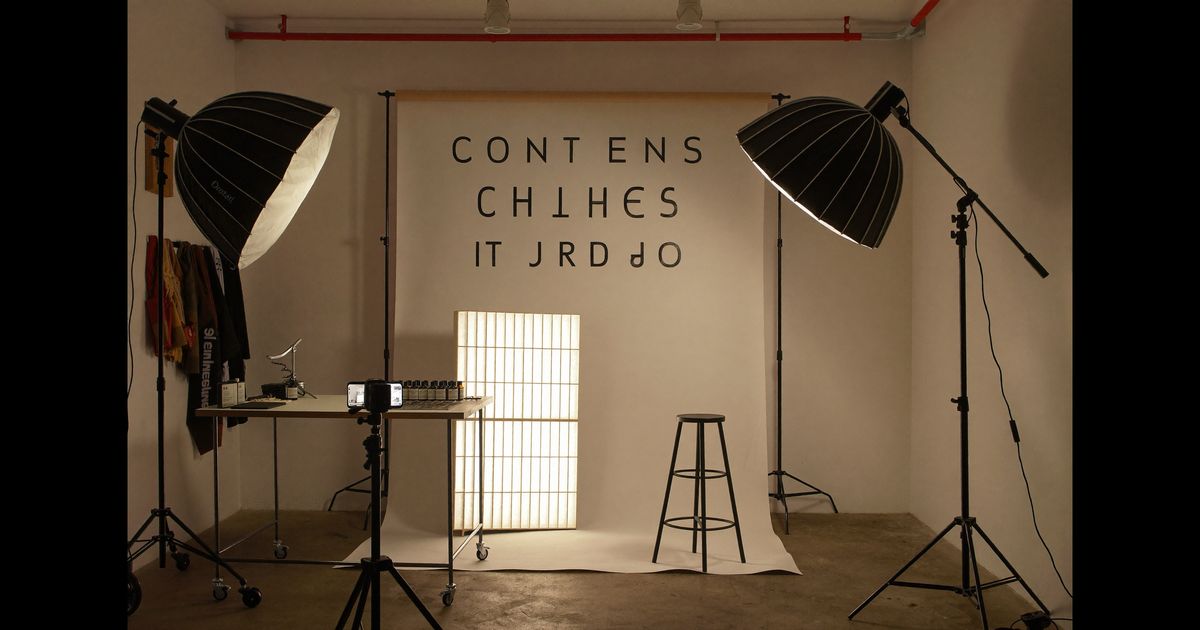
- Minimum technical floor for UGC in 2025: stable shot (phone on a tripod or Joby GorillaPod, Rs. 1,200–2,500), clean audio (a clip-on lapel mic, Rs. 800–1,500), and adequate daylight or a single softbox. These are tools a creator can own for under Rs. 5,000 total.
- Do not ask creators to shoot in moving vehicles, crowded markets, or loud environments unless ambient sound is deliberately part of the concept (e.g., a street food brand leaning into the chaos of a Mumbai market).
- The "raw" brief should specify emotional tone, not technical instructions like "don't edit too much." Tell the creator: "We want this to feel like a recommendation you'd give a friend, not a product demo. Use natural light, speak as you normally would, and don't worry about jump cuts."
Mistake 6: Skipping the Regional Language Opportunity
The Indian short-form audience is not a monolith. YouTube Shorts' fastest-growing viewership segments are in Tamil Nadu, Andhra Pradesh, Maharashtra, and West Bengal, markets where a Hindi-only brief is leaving reach on the table. Brands that commission even a single regional-language variant of a core UGC video consistently see higher comment engagement (in our production work, Tamil and Telugu Reels routinely generate 3–5x more comment volume than Hindi equivalents for the same product, because regional-language content feels genuinely rare and specific to those viewers).
- For a D2C brand targeting South India, brief a Tamil-speaking creator in Chennai alongside your Hindi creator. The product brief is identical; only the delivery language changes.
- Do not dub a Hindi video into Tamil with AI and call it regional UGC. The audience can tell. If budget does not allow a separate creator, a bilingual creator who naturally code-switches between Hindi and their regional language is a legitimate middle ground.
- Subtitles in the local script (not just transliterated Roman) dramatically improve watch time for regional Shorts. This is a five-minute edit for any creator who speaks the language; brief it explicitly.
Getting short-form UGC right in India is less about creativity and more about briefing discipline, knowing which platform you are actually targeting, giving creators the structural constraints they need (safe zones, disclosure requirements, audio timing), and building a workflow fast enough to be relevant. If your brand is ready to fix these gaps with structured creator briefs and platform-specific production standards, book a consultation with our team to see how we scope and manage UGC campaigns across Reels, Shorts, and beyond.