LinkedIn does not have a "Shorts" feature, and if a brief lands on your desk calling for one, that is the first thing you need to push back on. What LinkedIn does have, and what is growing faster than most brand marketers realise, is its native short-form video feed: vertical videos up to 15 minutes long, surfaced in a TikTok-style scroll that LinkedIn began rolling out in India in late 2024. For B2B SaaS, D2C brands targeting working professionals, and HR-tech companies, this feed is genuinely underused. This article is about how to produce UGC content specifically for it, based on what we brief, shoot, and reject every week.
The short version: short-form video on LinkedIn demands different creative logic than Reels or YouTube Shorts. The audience is commuting on a Mumbai local, half-reading between meetings, or screening a vendor on a laptop at 2x speed. Your UGC creator has about two seconds to signal "this is worth a professional's time", not with a dance hook or a trending audio, but with a credible, specific opening line.
Why Short-Form Video on LinkedIn Hits Different for Indian Brands
LinkedIn's India user base skews heavily toward Tier-1 professionals: software engineers in Bengaluru, finance teams in Mumbai, HR heads in Gurgaon, and increasingly entrepreneurs from Tier-cities across India like Coimbatore and Indore who use the platform to build credibility. This is not a casual scroll audience. They tolerate, even reward, denser information in a 60-90 second video than Instagram's algorithm-trained viewers would.
- Purchase intent is different. A SaaS brand getting a founder-style UGC video on LinkedIn is speaking to decision-makers, not just awareness audiences. A 75-second video where a real user walks through an onboarding win can directly influence a procurement conversation.
- The language mix is narrower. Unlike Reels where Hindi-English code-switching plus regional languages all perform, LinkedIn short videos in India skew strongly toward English or Hinglish. Regional-language UGC does appear but tends to work better for vernacular B2B niches (a Tamil-speaking CA firm, a Marathi-medium EdTech).
- Captions are essential, not optional. Professional viewers often watch muted. We brief creators to keep captions on by default and to ensure the opening line is also visible as the first 100 characters of the post copy, because the copy preview loads before the video auto-plays.
How We Brief Creators for the LinkedIn Feed
Our production briefs for LinkedIn short-form video are noticeably different from our Reels briefs. Three elements change almost every time.
The opening hook must be declarative, not dramatic. "I tried this productivity tool for 30 days and here is what happened" works on Reels. On LinkedIn it reads as clickbait. What lands better: "Our ops team cut vendor invoice time by 40% using [tool], here is the one workflow change that did it." The creator is making a professional claim, not teasing a reveal. This matters because LinkedIn's audience is trained to skip anything that feels like it belongs on a different platform.
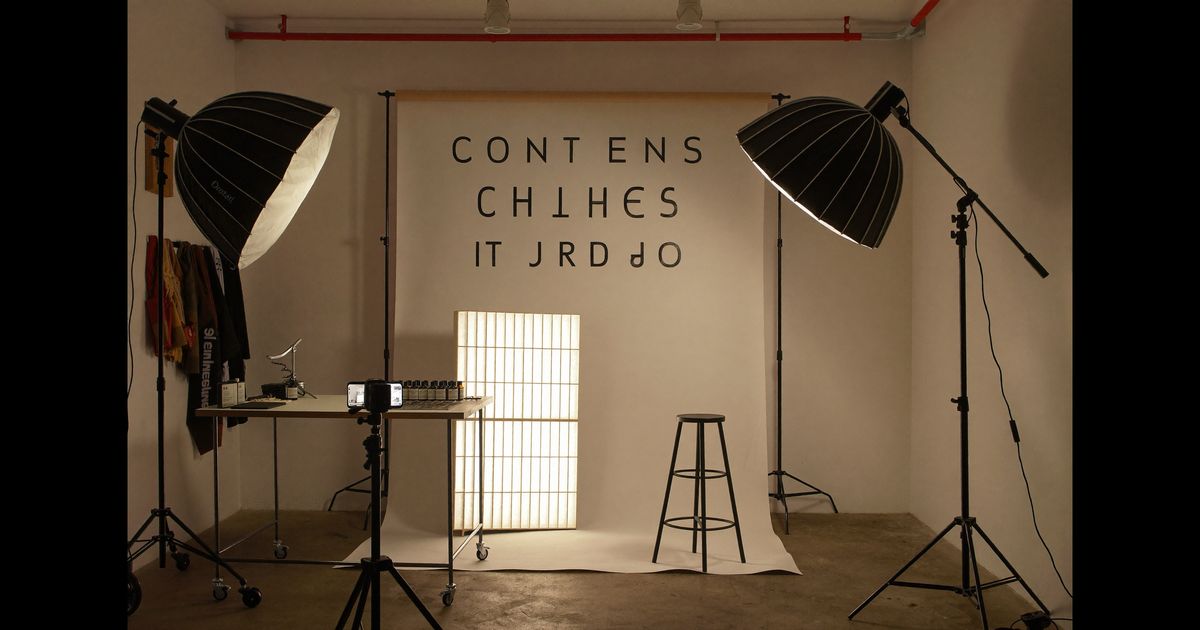
Face-on, single-location shoots. No B-roll-heavy edits. LinkedIn viewers trust talking-head formats far more than heavily produced cuts with text overlays and transitions borrowed from Instagram. We shoot these on good smartphones, an iPhone 15 or a Samsung S24, in clean, uncluttered home office setups. Bengaluru creators often shoot near a window with city light; Mumbai-based creators we sometimes brief to use co-working backgrounds because it signals the urban professional context the audience identifies with.
Length discipline: 60-90 seconds, structured in thirds. The first third (up to 25 seconds) states the problem or outcome. The middle third demonstrates or explains. The final third is a low-pressure call to action, "link in comments" or "DM me if you want the template." We do not use "swipe up" or Instagram-style CTAs; they signal a creator who hasn't thought about platform context.
Content Formats That Actually Work
Not every UGC format translates to LinkedIn's professional feed. Based on our production work, these are the formats that consistently get engagement beyond vanity likes:
- Workflow testimonials. A real user walking through one specific before/after in their day job. "Before I used [tool], approvals took 3 days. Now they take 4 hours." This is the LinkedIn equivalent of an unboxing, but the "box" is a business process.
- Founder-adjacent UGC. Creators who have a small but credible LinkedIn presence (2,000–10,000 followers, consistent professional content) performing as near-peer reviewers. These are not influencers in the Instagram sense; they are practitioners. We source these creators separately from our Reels roster, the profiles and tone are quite different.
- Team reaction or onboarding clips. Short clips where the creator is framing a tool as something they introduced to their team, with a quick reaction or result. These feel native to LinkedIn's "professional growth" feed context.
- Problem-statement openers for SaaS clients. We brief creators to spend the first 15 seconds naming a very specific pain point, not "I was struggling with productivity" but "I was manually copying data between two tools every morning and it was taking 45 minutes." Specificity is what stops the scroll on LinkedIn.
ASCI Compliance on LinkedIn: What Changes
ASCI guidelines apply to paid and gifted UGC on LinkedIn just as they do on Instagram or YouTube. The practical implications for LinkedIn content are slightly different, though.
On Instagram, creators routinely disclose with a #ad tag in a wall of hashtags that most viewers skip. LinkedIn's post format encourages longer copy, which means disclosure is more visible, and LinkedIn's professional audience is more likely to notice and react negatively to undisclosed paid content than a casual Reels viewer would. We brief creators to lead their post copy with a clear disclosure: "Paid partnership with [Brand]" or "Working with [Brand] to share this", not buried in hashtags at the end.
ASCI's 2023 influencer guidelines require that all material connections, payment, free product, or affiliate arrangements, be disclosed clearly and prominently. For video content, "clearly and prominently" means visible without interaction, which on LinkedIn means in the first two lines of post copy or as an on-screen text overlay in the video itself.
For brands in the SaaS, fintech, or NBFC space, there is an additional layer: if the creator makes any claim about financial outcomes ("I saved X lakhs", "ROI in 3 months"), those need to be accurate, substantiated, and not presented as guaranteed results. We flag these in briefs and have the brand's legal or compliance team review before shoot confirmation.
What We Reject at the Review Stage
Understanding what fails at review is as instructive as knowing what works. Here is what we routinely send back to creators during our LinkedIn-specific production rounds:
- Hooks borrowed from Reels. "POV: you just discovered the best tool ever" is an immediate reject for LinkedIn. It signals platform confusion and undermines the professional credibility the format depends on.
- Overly produced edits. Jump cuts every 2 seconds, trending music beds, heavy text animation, these tell the LinkedIn algorithm and the viewer that the content was made for a different platform. LinkedIn's own data suggests that minimally edited, face-forward videos retain better in the professional feed.
- Vague outcome claims. "This tool changed everything for me" without a specific, verifiable metric gets rejected both for ASCI compliance and because LinkedIn audiences respond poorly to unsubstantiated enthusiasm.
- Vertical format shot at 9:16 without safe zone awareness. LinkedIn's video player renders slightly differently from Instagram's. We brief creators to keep all critical on-screen text and their face within the central 80% of the frame, the top and bottom 10% are frequently cut or overlaid by LinkedIn's UI on mobile.
Production Notes on Budget and Turnaround
For Indian brands running LinkedIn UGC campaigns, the economics look different from a typical Reels package. Creator rates for LinkedIn-native professional creators run higher than equivalent Instagram micro-influencers, a credible professional creator with a LinkedIn audience in the 5,000–20,000 follower range typically charges between Rs. 8,000 and Rs. 20,000 per deliverable, compared to Rs. 3,000–8,000 for an Instagram creator at similar reach. The production quality bar is also higher: a poorly lit, audio-glitched video that might pass on a casual Reels campaign will underperform significantly in a professional feed.
Turnaround for LinkedIn UGC in our production workflow runs 10–14 days from brief to approved asset, slightly longer than our Reels turnaround, because we add a professional credibility review pass: we check that the creator's own LinkedIn profile is consistent with the persona they are projecting in the video. A creator claiming to be a "growth marketer in Mumbai" who has a LinkedIn profile with 80 connections and no work history reads as inauthentic, and LinkedIn's own audience is far more likely to fact-check than a Reels viewer would.
Brands that come to us with LinkedIn UGC needs typically see the clearest ROI when the video is used as a paid dark post, distributed to a targeted professional audience through LinkedIn Campaign Manager, rather than relying on organic reach from the creator's profile alone. For a brand spending Rs. 1.5–3 lakh on LinkedIn campaign spend per month, the UGC video asset is usually the highest-performing creative against static image or carousel ads.
If your brand is planning a LinkedIn video campaign and wants to understand whether UGC is the right creative approach, and how to brief it so it actually performs, talk to us for a free consultation. We work across SaaS, D2C, and professional services brands, and we can tell you quickly whether the format fits your objective.