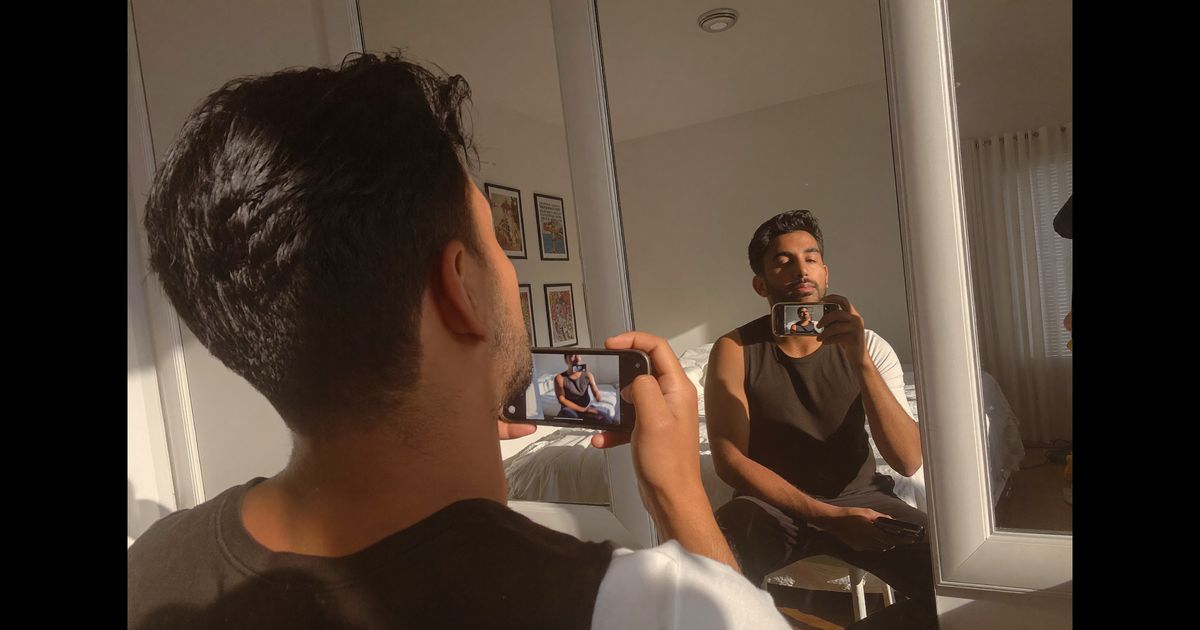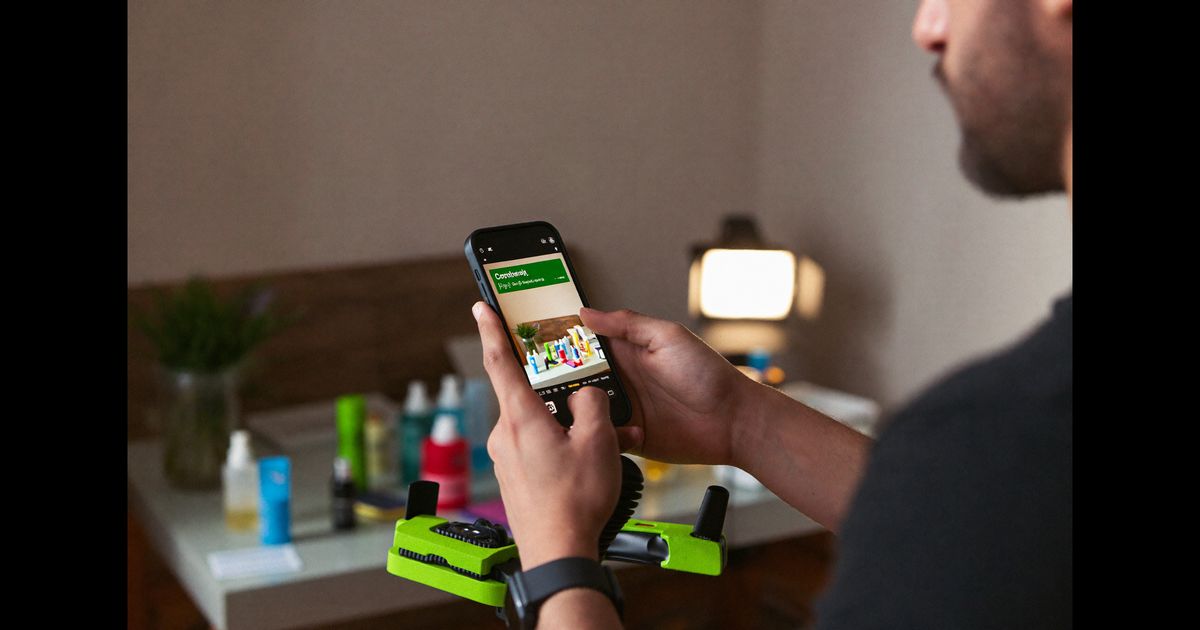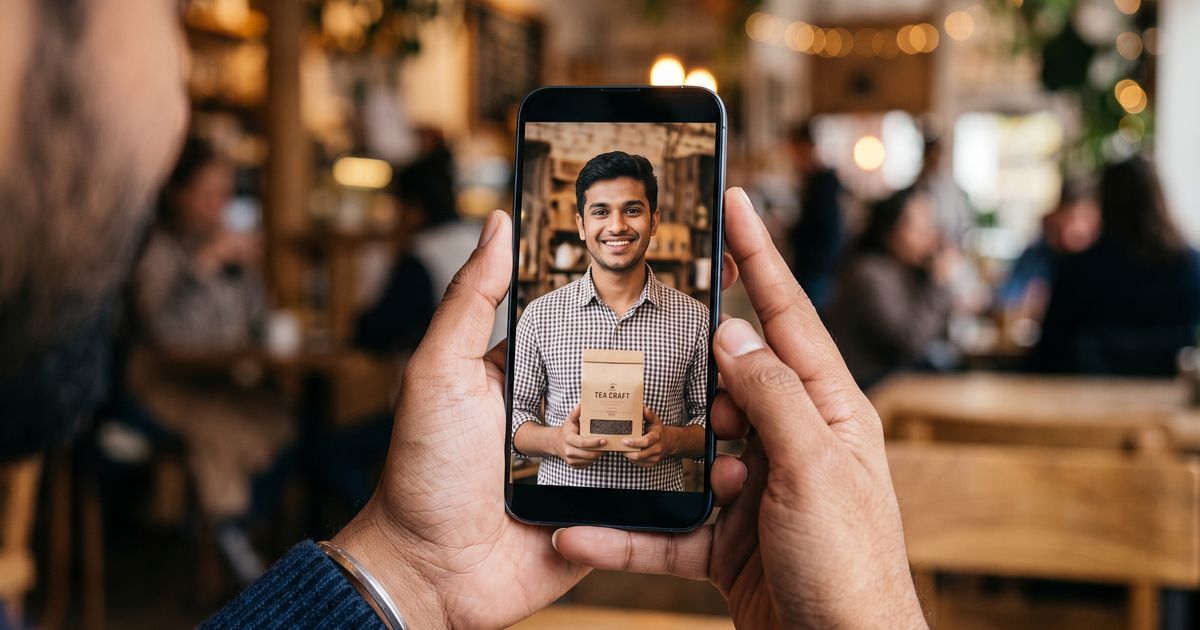
Picture this: a first-time buyer in Pune searches "best moisturiser under 500 rupees review" on YouTube before ordering anything. They skip the brand's polished ad and click on an eight-minute video by an ordinary person holding the product in their bedroom. That video, shot on a mid-range phone, with natural light and honest commentary, is user-generated content (UGC) at work. If you are a creator who has never made a review video before, this guide walks you through everything you need to know to produce one that brands actually want to use.
YouTube reviews sit at the intersection of search intent and social proof. They live longer than Reels or Shorts, rank on Google, and attract viewers who are already close to a purchase decision. For brands selling in India, skincare, supplements, gadgets, home décor, food products, a credible YouTube review from a real user can be more persuasive than a celebrity endorsement. Here is how to create one properly, even if you have never been in front of a camera before.
Understand What Makes a Review "UGC-Ready"
Not every review video qualifies as usable UGC for a brand. Brands looking for creator content on YouTube want videos that feel authentic but are still structured enough to repurpose in ads or on their own channels. The difference comes down to a few things:
- First-person experience: You must have actually used the product. A review based purely on the brand's claims or other reviews is obvious and unconvincing. Use the product for at least a few days before filming.
- Honest framing: ASCI (Advertising Standards Council of India) guidelines require that any material connection between a creator and a brand, free products, payment, commission links, be disclosed clearly at the start of the video. Say "this product was sent to me by [brand]" or "sponsored" within the first 30 seconds. Failing to disclose can result in action against both creator and brand.
- Visual clarity: Brands need footage they can clip. That means stable shots, the product clearly visible, and a background that does not look chaotic. You do not need a studio, a clean wall or a tidy desk in Chennai or Mumbai works just as well.
- No unverified superlatives: Saying "this is the best product I have ever used" without evidence violates ASCI norms. Stick to your own experience: "my skin felt less oily after three days" rather than "clinically the best moisturiser."
Set Up Your Shoot Without Expensive Equipment
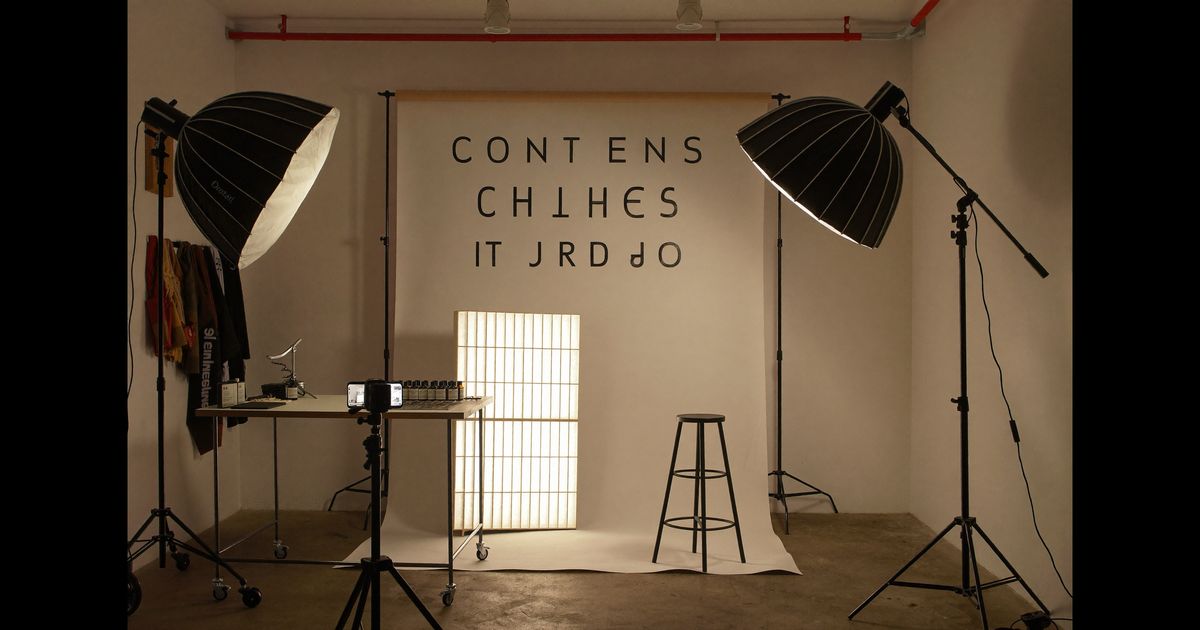
Most brands briefing UGC creators in India expect smartphone footage, they are not looking for DSLR quality. What they do care about is lighting, framing, and audio.
- Lighting: Film near a window during daylight hours. Position yourself so the light falls on your face, not behind you. If you shoot indoors in the evening, a Rs.800–1,200 ring light from Amazon or Flipkart makes a significant difference. Avoid overhead tube lights alone, they cast unflattering shadows and give footage a greenish tint common in older Indian homes.
- Framing: Prop your phone at eye level using a stack of books or a budget tripod (available for Rs.300–600 on Meesho or local markets). A mid-shot, showing your face and hands, works well for review content because viewers need to see both your expressions and the product.
- Audio: This is where most beginners lose brands. Built-in phone mics pick up fan noise, traffic from the street, and echo. A lavalier mic that clips to your collar, available for Rs.500–1,500, removes most of this. Film in a small room (wardrobes absorb echo well) rather than an open hall.
- Background: A plain wall, a bookshelf, or a tidy kitchen counter all work. Avoid backgrounds with unrelated branding (other brand logos, posters) since brands cannot use that footage in paid promotion without issues.
Structure Your Review So It Holds Attention
A YouTube review that rambles for ten minutes without direction loses viewers at the two-minute mark. Structure keeps people watching and gives brands clean, clippable segments. A beginner-friendly format that works well across categories:
- Hook (0–30 seconds): State what the product is, what problem you were trying to solve, and one thing that surprised you, good or bad. "I bought this Mamaearth onion hair oil because my hairfall was bad after moving to Bengaluru. I was sceptical. Here is what actually happened after four weeks." This works because it answers the viewer's underlying question immediately.
- Product walkthrough (30 seconds–2 minutes): Show the packaging, mention the price (in rupees, viewers searching in India want local context), and cover the key claims printed on the product. Hold the product clearly in the frame. Read the ingredient list if it matters to the category, skincare and food buyers especially appreciate this.
- Usage demonstration (2–4 minutes): Show how you use it. For skincare, film the actual application. For a kitchen gadget, use it on camera. For an app or SaaS product, screen-record the interface. Real usage footage is the most trusted part of a review.
- Results and honest verdict (4–6 minutes): What changed? What did not? Be specific about your skin type, hair type, use case, or location where relevant, "I am in Kolkata where humidity is high, so oily-skin products behave differently here." Mention what the product is good for and who might not benefit. This specificity is what separates credible UGC from puff pieces.
- Call to action (final 30 seconds): Direct viewers to the product link, mention any discount code if you have one, and ask them to comment with their own experience. Do not overdo the sales pitch, one clear mention is enough.
How to Speak on Camera When You Are Not Used to It
The biggest barrier for first-time creators is not equipment, it is comfort on camera. A few techniques that help:
- Use a loose script, not a word-for-word one: Write down five to seven bullet points of what you want to cover. Read them before filming but do not read from them on camera. This keeps your delivery natural while ensuring you do not forget anything important.
- Film in short segments: You do not have to record the whole review in one take. Record the hook, stop. Record the walkthrough, stop. Edit them together later using free apps like CapCut or InShot, both work well on Android and iOS and are widely used by Indian creators. This removes the pressure of a single flawless run.
- Talk to one person: Imagine explaining the product to your younger sibling or a friend in your colony who is thinking of buying it. Your language will become warmer and more direct. Hindi-English mixing (Hinglish) is completely acceptable, in fact, many brands specifically request it for North Indian markets. Tamil or Bengali script may be requested for regional campaigns.
- Do multiple takes without judgment: Watch your footage back once, note what felt stiff, and reshoot those segments. After three or four videos, most creators say they no longer notice the camera at all.
Edit for Watchability, Not Perfection
You do not need to produce a broadcast-quality edit. Brands using UGC actually prefer a degree of rawness, it is what signals authenticity to viewers. But a few editing moves make a meaningful difference:
- Cut out long silences, filler sounds ("um", "uh"), and any moments where you are looking away to check notes. These are the clips that cause drop-off.
- Add on-screen text for key information: product name, price, your verdict. CapCut's auto-caption feature generates subtitles in seconds, useful because many YouTube viewers in India watch without audio (especially on public transport).
- Use B-roll cutaways: close-up shots of the product texture, the label, or the before-and-after of your usage. These break up the talking-head format and make the video more engaging. You can film these extra shots after your main recording.
- Keep the total length between six and twelve minutes for a standard review. Shorter formats (two to three minutes) work better for YouTube Shorts or Reels repurposing, but for a full search-optimised YouTube review, depth matters.
Getting Your First Brand Partnership
If you have one or two review videos live on YouTube, you can start approaching brands or joining a creator network. A few realistic starting points for Indian creators:
- Direct outreach: Many D2C brands, especially skincare, food, and wellness labels selling on Nykaa, Amazon India, or their own Shopify stores, have a creator or influencer contact listed on their website or in their Instagram bio. A brief email with your channel link, your niche, and a sample video works well. Do not overcomplicate the pitch.
- Creator platforms: Platforms like Plixxo, OPA, and Winkl connect Indian creators with brand campaigns. Most accept creators with a few hundred subscribers if the content quality is strong. Compensation at the entry level often starts as product-only (typically valued at Rs.500–2,000), moving to paid partnerships (Rs.2,000–8,000 per video) as your channel grows.
- UGC agencies: Agencies like The UGC Agency brief creators specifically to produce footage for brand use rather than channel growth. This means you do not need a large subscriber count, the footage is used in brand ads, not posted to your channel for views. This is often where beginners earn their first paid UGC work.
When we brief YouTube review creators, the single most common feedback is: "say less about what the product claims, say more about what you actually noticed." Brands already have marketing copy. What they need from creators is real experience, in your own words, with enough visual detail to be usable in an ad.
A Note on YouTube Shorts Versus Long-Form Reviews
YouTube Shorts (vertical video under 60 seconds) have grown significantly in India, but they serve a different purpose from long-form reviews. A Short is discovery content, it puts you in front of new viewers. A long-form review is decision-making content, it convinces someone who is already considering a purchase. Both are valuable, but if you are creating specifically for brand UGC, long-form footage is more versatile. Brands can cut a 90-second ad from an eight-minute review video; they cannot expand a 45-second Short into something more detailed.
That said, filming a short highlight clip (your top three observations in under 60 seconds) alongside your main review is a smart workflow, you get two deliverables from one shoot, which is useful when negotiating with brands.
Ready to turn your first YouTube review into a paid brief? Explore how brands work with UGC creators at The UGC Agency, from beauty to SaaS, we match creators with campaigns that fit their content style and audience.