LinkedIn recommendations sit in plain sight on every professional's profile, yet most brands never think to treat them as a content format. That is a missed opportunity, especially for B2B SaaS companies, edtech platforms, and service businesses that sell to procurement teams, HR managers, or startup founders, audiences who live on LinkedIn and trust peer testimony far more than a polished brand ad.
This guide walks you through exactly how to create, request, and repurpose LinkedIn review content as UGC, from scratch, with no prior experience in video production or influencer marketing.
Why LinkedIn Reviews Are Different From Other UGC Formats
Instagram Reels and YouTube Shorts work on emotional impulse and mass reach. LinkedIn reviews work on professional credibility. When a finance manager in Bengaluru or a logistics head in Pune sees a peer's written or video testimonial on LinkedIn, the context signals: this person has skin in the game. They put their name and title on the line. That is a fundamentally different trust signal than an anonymous Instagram comment.
For Indian B2B and professional-service brands, this matters because purchase decisions often involve multiple stakeholders and long evaluation cycles. A LinkedIn recommendation from a verified CFO at a mid-size NBFC carries weight that a five-star Google review from an unnamed user simply cannot.
- Written recommendations appear natively on a person's LinkedIn profile under the "Recommendations" section, they are permanently visible to the reviewer's network.
- Video testimonials posted as LinkedIn posts or articles get algorithmic reach and can be boosted as Sponsored Content.
- Creator-led review posts, where a satisfied customer or brand ambassador writes a detailed experience post, can tag your company page and become evergreen social proof.
Step 1: Identify the Right Moment to Ask
The biggest mistake brands make is asking for a LinkedIn review too early or too generically. Timing is everything. The best moments to request a recommendation or testimonial post are:
- Immediately after a measurable outcome, a campaign that delivered a tracked result, a product that solved a specific pain point, or a service engagement that closed on a high note.
- After a renewal or repeat purchase, someone who came back is already a strong advocate.
- Post-event or post-workshop, if your brand ran a training, demo day, or industry event, attendees are at peak positive sentiment.
For an edtech platform selling to corporate L&D teams, for example, the right moment is 30 days after a batch completes, when the L&D manager can point to actual completion rates and feedback scores. Asking on day two of onboarding produces vague, unpersuasive copy.
Step 2: Brief the Creator or Customer Properly
Most people who are willing to write or record a LinkedIn review do not know what to say. They default to "Great company, highly recommend", which helps no one. A good brief changes this entirely.
When we work with brands on LinkedIn review campaigns, we ask creators to structure their content around three anchors:
- The before state, what specific problem or challenge existed before using the product or service.
- The turning point, one concrete thing the product/service did that made the difference.
- The after state, a measurable or observable outcome, ideally with a number, a timeline, or a named deliverable.
For a Pune-based HR SaaS platform, a well-briefed recommendation might read: "We were running payroll for 340 employees across three states on spreadsheets. After switching to [Product], our monthly payroll processing time dropped from three days to four hours, and compliance errors went to zero in two quarters." That is a recommendation that converts. "Great tool, very user-friendly" is noise.
Brief your reviewers like you are briefing a journalist, not asking a favour. Give them the structure; let them supply the authentic detail.
Step 3: Video Testimonials on LinkedIn, The Format That Works
LinkedIn's native video player auto-plays in the feed, and the algorithm gives organic reach to video posts. A 60–90 second talking-head video from a real customer, posted from their own LinkedIn account and tagging your company page, is one of the highest-trust UGC formats available on the platform today.
Here is what actually works for Indian professional audiences:
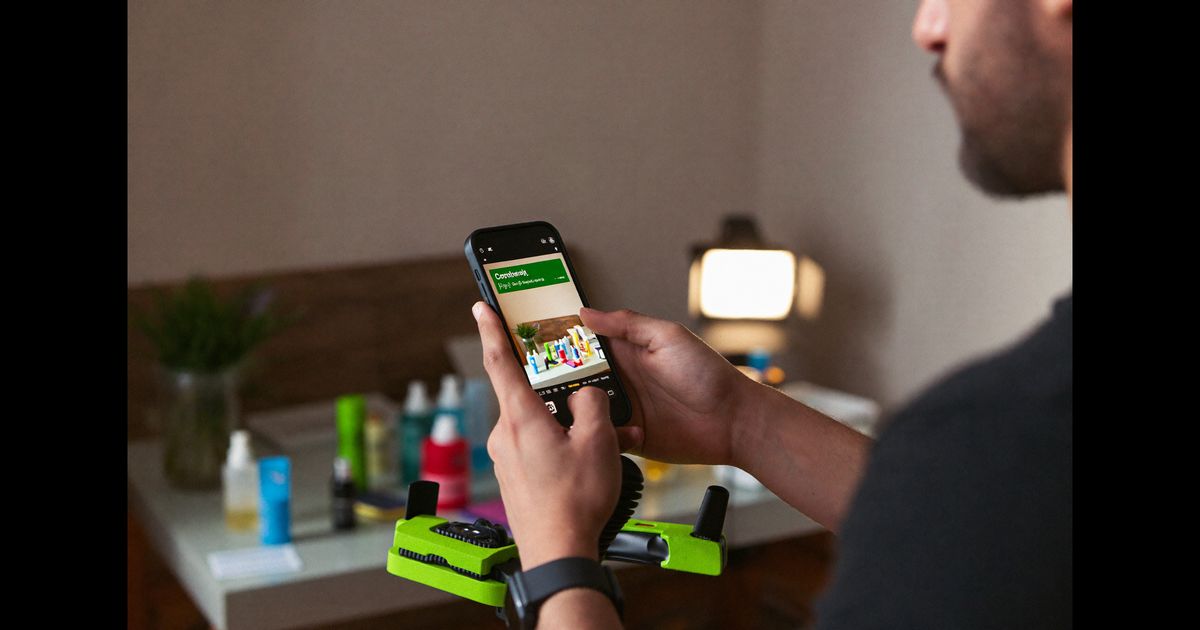
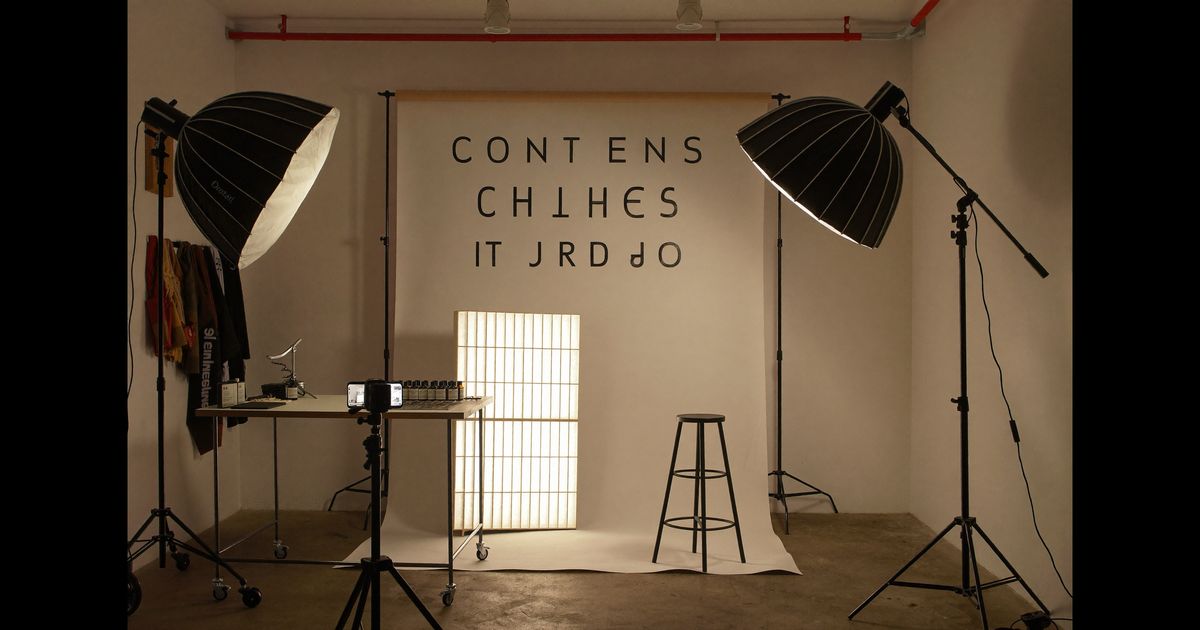
- Shoot on a smartphone, but clean it up. Shaky, badly lit footage undermines credibility on LinkedIn even more than on Instagram. A ring light (available on Amazon India for Rs. 800–1,500), a tripod, and a quiet room are the only requirements.
- Keep the setting professional but not sterile. A home office with books or a co-working space background reads well. A kitchen or a noisy street does not.
- Open with the job title and company name. "I'm the Head of Marketing at a D2C skincare brand based in Mumbai" establishes credibility in the first five seconds, LinkedIn audiences respond to professional context.
- Stick to the before-turning point-after structure outlined above, spoken conversationally. No script-reading. Creators can use bullet points as a mental guide.
- Add captions. LinkedIn is heavily watched on mute in office environments. Auto-caption tools like Kapwing or CapCut (both free, both available in India) take less than five minutes.
On the ASCI front: if this video testimonial is sponsored or part of a paid ambassador arrangement, the creator must disclose the commercial relationship clearly, "In association with [Brand]" or "#Ad" at the start of the caption. ASCI's influencer guidelines apply to LinkedIn just as they do to Instagram, and LinkedIn's own professional context makes undisclosed paid content particularly risky from a brand-reputation standpoint.
Step 4: Repurpose the Review Across Channels
A single well-made LinkedIn video testimonial or written recommendation should not live only on that one platform. Here is how to extract maximum value:
- Quote cards for Instagram and Twitter/X: Pull one strong sentence from the recommendation, place it over a clean background with the reviewer's name and title, and post it as a static creative. Works well in Stories and feed both.
- Website testimonials section: Embed or screenshot (with permission) and link back to the LinkedIn post, the original URL adds authenticity.
- Sales deck slides: B2B sales teams can drop a screenshot of the LinkedIn recommendation directly into pitch decks. The fact that it is public and verifiable makes it far more persuasive than a typed quote on a slide.
- Google Ads social proof copy: For brands running Search campaigns targeting procurement keywords ("best HR software India", "payroll software for SMEs"), a real review phrase used in ad copy, "Used by L&D heads at 50+ Indian companies", performs better than manufactured claims.
- WhatsApp broadcast to prospects: A short-form version of the video, resized to vertical, sent via WhatsApp Business broadcast to warm leads bridges the gap between LinkedIn's professional register and India's default messaging platform.
Step 5: Build a Repeatable Review Collection System
Ad-hoc testimonial collection produces inconsistent results. Brands that consistently generate strong LinkedIn review UGC treat it as a process, not a favour.
A simple system looks like this:
- Trigger: Set a CRM reminder or a post-delivery survey at the right moment (see Step 1). Tools like Zoho CRM, Freshsales, or even a Google Form workflow can automate the nudge.
- Template outreach message: A two-line LinkedIn DM or email with a specific ask, "Would you be open to recording a 60-second video about your experience? I can send you three bullet points to structure it", gets far more takers than a generic "Could you leave us a review?"
- Content brief: Send the before-turning point-after framework as a simple one-pager with your brand's logo. Makes the creator feel supported, not pressured.
- Rights clearance: Include a one-line written confirmation (WhatsApp message is sufficient under Indian contract law for informal agreements) that the brand may repurpose the content for paid and organic use.
- Incentive structure: For professional creators or brand ambassadors, a referral fee (Rs. 500–2,000 per qualified lead who mentions their name), an upgrade on their subscription, or a gift voucher from a brand like Flipkart or Amazon is a legitimate and common arrangement, just ensure ASCI disclosure is in place.
Common Mistakes to Avoid
- Asking for a recommendation immediately after a bad experience or unresolved issue. This seems obvious but happens when outreach is fully automated. Screen your CRM for recent support tickets before triggering the ask.
- Posting the video from the brand page instead of the creator's personal account. Personal accounts get significantly more organic reach on LinkedIn. The creator posting from their own profile, tagging the brand, is structurally more powerful than the brand reposting.
- Ignoring regional language audiences. A Hindi or Tamil or Bengali caption added below an English video dramatically increases reach in Tier cities across India. LinkedIn's Indian user base extends well beyond metro English-first professionals.
- Treating LinkedIn recommendations and UGC video as separate strategies. They reinforce each other. A written recommendation that exists on someone's profile gives the video testimonial context when a prospect clicks through to verify.
If your brand sells to Indian professionals, whether you are in SaaS, edtech, financial services, or a professional-services agency, LinkedIn review UGC is one of the most underleveraged content channels available to you right now. It is free to collect, cheap to produce, and earns trust with exactly the audiences that are hardest to reach with paid social. To explore how to build a structured review content programme for your brand, take a look at our free consultation, we can help you design the brief, the collection system, and the repurposing workflow from scratch.