LinkedIn added native video Reels-style content to its feed in 2023, short vertical videos that autoplay, show up in the dedicated video tab, and reach audiences organically in a way that polished carousel posts rarely do anymore. B2B SaaS founders in Bengaluru are using it. D2C founders are using it. HR tech brands from Gurugram are using it. And yet, most UGC briefs written for LinkedIn short-form video are copy-pasted from Instagram Reels briefs, and that mismatch is costing brands real reach and real leads.
LinkedIn's video audience skews toward decision-makers, mid-senior professionals, and career-driven millennials, not impulse-buying consumers scrolling at midnight. The platform rewards credibility, usefulness, and specificity. When brands treat it like a second Instagram, the content either tanks in reach or attracts zero qualified engagement, views without inquiries, likes from job-seekers rather than procurement managers. Below are the specific mistakes we see most often, and what to do instead.
Mistake 1: Briefs That Script the Creator Like an Actor
On Instagram, a word-for-word script can still work because the audience is passive and entertained. On LinkedIn, professionals can smell a scripted pitch from three sentences in, and they scroll past it. Yet we regularly see brands send creators 200-word verbatim scripts with phrases like "Hi, I'm [Name] and I want to tell you about an amazing solution that transformed my business." That language belongs in a 2012 infomercial.
What works instead is a talking-points brief: give the creator the core claim, one or two supporting data points (ideally from their own experience with the product), and the intended audience. Let them build the delivery in their own professional voice. A fintech founder in Pune talking about invoice financing should sound like a founder in Pune, not like a marketing funnel reading itself aloud.
- Replace scripts with 3-5 bullet talking points + one specific outcome to mention
- Ask the creator to record a rough take first; review tone before final delivery
- Avoid superlatives ("game-changer", "revolutionary"), LinkedIn audiences penalise hyperbole
Mistake 2: Consumer-Facing Hooks on a B2B Platform
A hook like "You won't believe what this serum did to my skin in 7 days" might earn a 40% swipe-stop rate on Instagram Reels. On LinkedIn, the same style of hook, emotionally charged, vague, sensationalised, causes professionals to disengage immediately. The implicit contract on LinkedIn is that your content will be relevant to work, career, or business. Break that contract in the first two seconds and you lose the viewer permanently.
LinkedIn-native hooks that actually work tend to be problem-specific and profession-aware:
- "We were losing 3 hours a week on client reporting before this." (SaaS tool)
- "Every D2C brand I've spoken to in the last six months has the same CAC problem." (marketing agency)
- "Our onboarding drop-off was 62%. Here's the single change that brought it to 28%." (EdTech)
Notice that each hook names a specific, professional problem. It tells the viewer exactly why this video exists in their feed. That specificity is what earns the watch-through rate that LinkedIn's algorithm rewards with wider distribution.
Mistake 3: Ignoring LinkedIn's Vertical Video Format Requirements
LinkedIn's native short video tab displays content in 9:16 vertical format with large UI overlays: the creator's name, follower count, and caption text all eat into screen real estate. Brands that repurpose their Instagram Reels without recropping often end up with critical on-screen text buried under the profile bar, or with product close-ups that are simply cropped out.
Specific technical points to address in your production brief:
- Shoot 9:16 natively; keep key visuals and the creator's face in the centre 70% of the frame vertically
- Avoid placing critical text in the bottom 20% of frame, LinkedIn's caption overlay sits there
- Captions/subtitles are essential: LinkedIn data shows over 70% of professional video is watched on mute during work hours, a figure consistent with what we see in watch-through analytics for our B2B clients
- First frame matters enormously because LinkedIn autoplays on scroll; a dark or blurry opening frame kills impressions before they begin
Mistake 4: Using Consumer UGC Creators for B2B Content
This is perhaps the most expensive mistake brands make. A creator with 80,000 Instagram followers and strong skincare content may be entirely wrong for a LinkedIn video promoting an HR software platform, not because they lack talent, but because their LinkedIn presence, professional framing, and audience credibility simply don't exist there. LinkedIn's algorithm does give distribution weight to the creator's own network engagement.
For LinkedIn UGC, the creator's profile is part of the product. A SaaS tool for restaurant chains should ideally be talked about by someone whose LinkedIn shows they've worked in F&B operations or food-tech. An accounts-payable automation tool needs a creator with a finance or operations background visible in their profile. This is why some of our B2B UGC briefs are placed with micro-creators who have 2,000 LinkedIn followers but sit in exactly the right professional vertical, a CFO at a mid-size manufacturing firm in Coimbatore is more convincing than a lifestyle creator with 200,000 Instagram followers.
The creator's LinkedIn profile headline and work history are part of the credibility signal. Brief for the profile, not just the face.
Mistake 5: ASCI Compliance Blind Spots Specific to LinkedIn
The Advertising Standards Council of India's guidelines apply to all paid promotional content regardless of platform, including LinkedIn. Where brands frequently slip up on LinkedIn specifically:
- No disclosure tag on promoted posts: If a brand is sponsoring a creator's LinkedIn video (paying them or providing free product/service for a review), the video and its caption must carry a clear disclosure like #Ad or #Sponsored. "Collaboration" buried in hashtag soup at the end does not satisfy ASCI's visibility requirement, the disclosure must be prominent.
- Performance claims without substantiation: "Increased our revenue by 3x" or "reduced churn by 40%" are specific quantitative claims. ASCI requires these to be substantiated. If a creator says this on video, the brand is responsible for having the data. Screenshot testimonials from WhatsApp conversations do not count as substantiation.
- Professional endorsements: If the creator is presented as a "consultant", "expert", or "former CTO", those credentials need to be real and verifiable, LinkedIn's own platform makes this easier to check than Instagram, meaning the scrutiny is higher, not lower.
For campaigns running at Rs.60,000–Rs.2,00,000+ budgets where the LinkedIn video is one creative asset among several, an ASCI complaint that leads to takedown burns not just the asset but the associated spend. Build compliance into the brief, not as an afterthought.
Mistake 6: Treating LinkedIn Video as a Traffic Driver Rather Than a Trust Builder
The biggest strategic mistake is optimising LinkedIn UGC for click-through to a landing page the same way you would a Google Ads creative or a Meta Remarketing video. LinkedIn's professional audience is at an earlier stage of the trust journey when they encounter brand content in feed. Asking for the click too early, "Book a demo now", "Sign up today", full screen CTA at 20 seconds, typically underperforms because it skips the credibility-building that the platform's audience expects before they take a commercial action.
LinkedIn short-form UGC works best as top-of-funnel trust content: a founder sharing a real operational insight, a customer explaining a specific workflow problem that the product solved, a team member demonstrating one feature that non-obvious users miss. The goal of the video is to earn a profile visit, a follow, or a saved post, not an immediate conversion. Retargeting that LinkedIn audience with a direct-response ad or an InMail sequence is where the conversion happens.
Practically, this means briefs for LinkedIn UGC should end with a soft prompt: "Follow for more" or "Drop a comment if you've faced this too", not a hard sell CTA. Keep the hard sell for the next touchpoint in the funnel.
What Good LinkedIn UGC Actually Looks Like
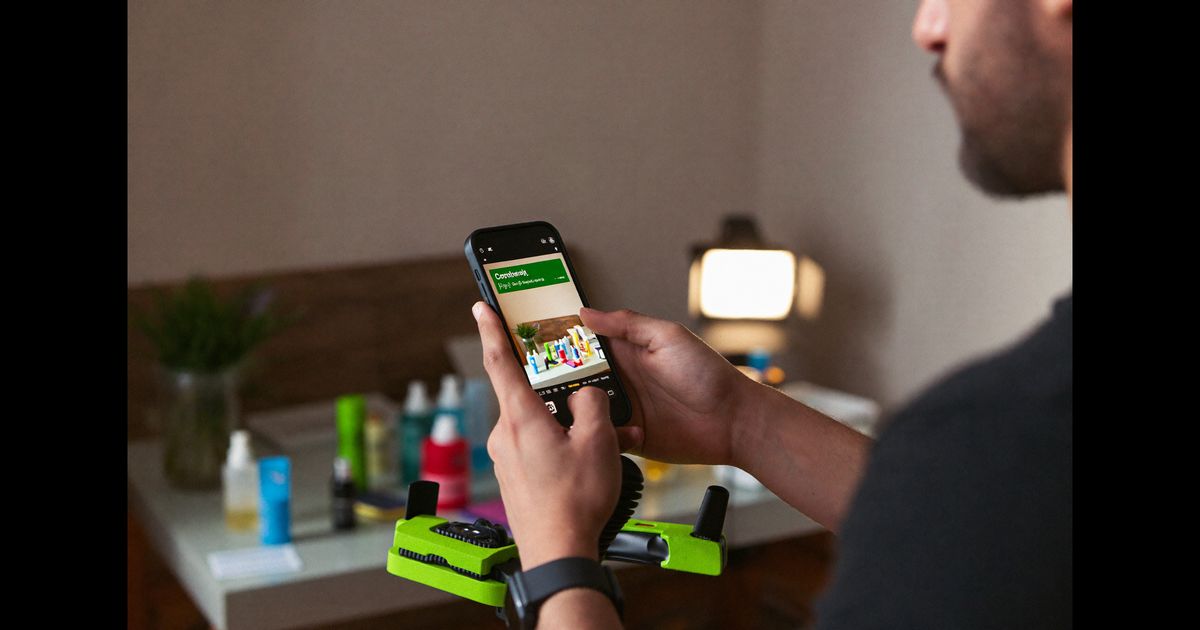
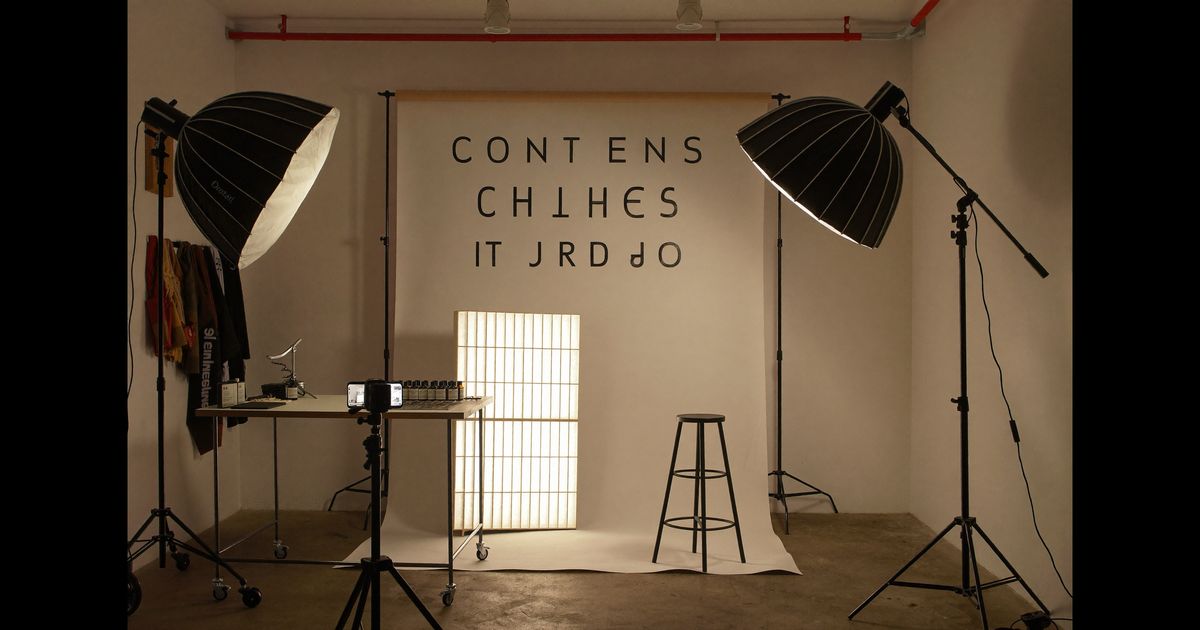
To make this concrete: a well-produced LinkedIn UGC Reel for a B2B SaaS product might look like this, a 45-to-60-second vertical video, shot on an iPhone in good natural light (office window, no ring-light glare), creator in professional but not stiff clothing, opening with a direct problem statement in their own words, one specific claim ("cut our proposal time from 4 hours to 45 minutes"), a brief product screen-share or physical demo mid-video, and closing with a genuine personal take rather than a scripted endorsement. Subtitles burned in. No stock music. No transition effects. No branded end-card template imported from the Instagram brief.
The production cost in India for this kind of video, with a creator who genuinely fits the vertical, a proper brief, and one round of revision, typically sits between Rs.8,000 and Rs.20,000 per video depending on the creator's background and whether the shoot requires travel. Factoring this into a campaign budget of Rs.60,000 upward means you can realistically produce 3–5 distinct creator perspectives on the same product, which is far more effective on LinkedIn than running one highly polished video repeatedly.
If you want help developing LinkedIn UGC briefs that actually match how professionals consume content, from creator selection to compliance to format, our team at The UGC Agency works through exactly these questions on every engagement. Take a look at how we approach production or book a consultation to discuss your next campaign.