Most YouTube live streams from Indian brands die in the first eight minutes, not because of bad internet, but because the creator standing in front of the camera has received exactly zero guidance on what to actually say or do. A brand pays for a one-hour live shopping or demo event, a creator goes live, and the result is forty-five minutes of awkward pauses and misread product claims. The live format on YouTube is genuinely powerful for discovery and conversion, but only when the UGC creator running it understands the specific mistakes that make these streams forgettable or, worse, ASCI-non-compliant.
This article covers the most common errors we see brands and creators make on YouTube Live, and how to fix each one before the stream begins. Whether you are prepping a skincare haul, a SaaS walkthrough, or a regional-language unboxing for an audience in Pune or Coimbatore, the problems tend to cluster around the same preventable failures.
Mistake 1: Treating the Live Script Like a Polished Ad Script
The single biggest creative error is over-scripting. Brands hand creators a seven-page brief written for a 30-second edited reel and expect them to perform it live, verbatim, for an hour. Viewers on YouTube Live can immediately sense when a creator is reading from something, the eye movement gives it away on camera, the cadence becomes robotic, and the chat engagement drops sharply.
What actually works is a structured outline with anchor points, not a script:
- Hook (first 60 seconds): One sharp reason why this product matters right now, not a tagline, but a real-life problem. For a hair-oil brand streaming to a Bengaluru audience in July, "monsoon humidity + frizz" is a better hook than "nourish your locks."
- Demo windows: Specific moments in the timeline where the creator demonstrates the product on-camera, with the exact claim they are allowed to make (more on ASCI below).
- Chat response prompts: Pre-written questions the creator can throw to viewers to keep the comment section alive, "type OILY if your hair gets greasy in two days."
- CTA placement: The pinned comment with the purchase link should go live at minute five, not minute forty.
When we brief creators for live projects, the document we send is a one-page outline with timestamps, not a script. The creator's natural voice is the asset. Over-scripting kills it.
Mistake 2: Ignoring ASCI Guidelines for Live Commercial Content
YouTube Live is not a casual chat, the moment a creator is being paid to stream a product, ASCI's rules on advertising standards apply, and live streams are not exempt. The Advertising Standards Council of India has explicitly addressed influencer disclosures in digital content, and "I'm live so it's informal" is not a valid defence.
The recurring ASCI mistakes on sponsored YouTube Live streams:
- No disclosure: The creator never says or displays "#Ad" or "#Sponsored." On YouTube Live, the disclosure must appear in the stream title or as an on-screen overlay within the first few minutes, mentioning it verbally once is not sufficient on its own.
- Superlative claims without substantiation: "Best under-eye cream in India" or "removes 100% of dark spots" are absolute claims. Without published clinical data the brand owns and can present, a creator saying this live puts both the creator and the brand in violation.
- Comparison attacks: Creators comparing the product unfavourably to a named competitor during a live stream, often done impromptu during chat Q&A, are making comparative claims the brand has not vetted.
The fix is pre-stream compliance review: the brand's marketing team approves a "claims sheet" listing what can and cannot be said, and the creator gets this at least 48 hours before the stream, not on the morning of.
Mistake 3: Under-Preparing the Technical Environment
India's mobile internet infrastructure is dramatically better than it was four years ago, but live streaming remains unforgiving of unstable connections. A common mistake is the creator streaming from their apartment in Mumbai on a shared home Wi-Fi network with three other devices active. At 720p, a YouTube Live stream needs a consistent upload of at least 2.5 Mbps, and "consistent" is the operative word.
Technical failures brands underestimate:
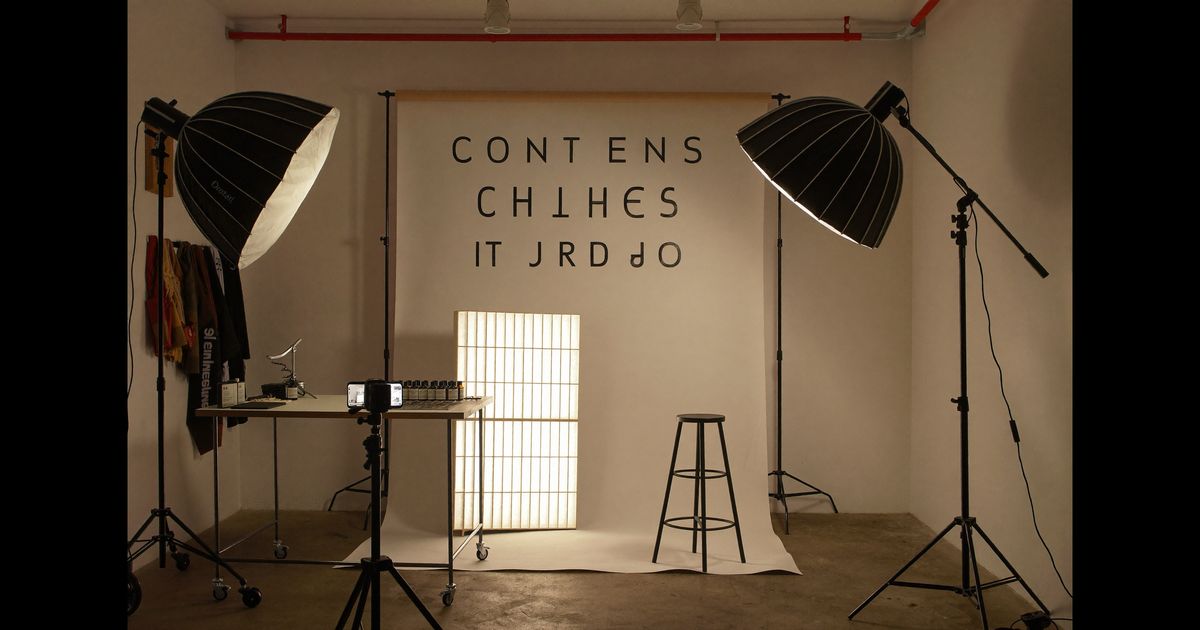
- Background noise on audio: An auto-rickshaw outside, a ceiling fan at full speed, or a cooler humming in a Delhi summer will destroy the perceived quality of the stream even if the video is crisp. A Rs.800 lav mic from Boat or a basic condenser mic makes a real difference on a stream viewed by hundreds of people.
- Poor lighting in the afternoon: Natural light shifts dramatically between 2 PM and 5 PM. A creator who looks great at 11 AM looks washed-out or silhouetted if the stream runs into the afternoon without a key light. A ring light under Rs.1,500 from any electronics market in Kolkata or Chennai solves this entirely.
- No test stream: Brand partners rarely ask for a test stream. Creators rarely do one unprompted. A 10-minute private test stream 24 hours before the event catches audio sync issues, OBS settings errors, and encoding problems before they happen on a live audience.
Mistake 4: Designing for Replay Instead of for Live Viewers
There is a persistent misconception that a YouTube Live stream's primary value is its replay, that you are essentially recording a long-form video that happens to be live. This thinking produces streams that are dull in real time. The creator talks at the camera as if filming a YouTube tutorial, ignoring the live chat entirely, never acknowledging that people are watching right now.
Live UGC earns its value in the moment. Specific tactics that work:
- Name-dropping commenters: "Priya from Hyderabad just asked about the SPF level, great question, let me show you the label." This is free social proof that the stream is real and the creator is present.
- Live-only offers: A discount code that expires at the end of the stream, "LIVE200" for Rs.200 off, valid for the next forty minutes, creates real-time urgency that a replay cannot replicate.
- Polls and super thanks: YouTube's built-in polling and the super thanks feature are underused by Indian creators in the sub-100K subscriber range. A poll asking "which variant should I try next: rose or jasmine?" takes 30 seconds to set up and drives three times the comment activity.
The chat is not a distraction from the content. On a well-run YouTube Live, the chat is the content. Brands that brief creators to focus on the product and ignore the chat are paying for a monologue when they could have a conversation.
Mistake 5: Wrong Time Slots for the Target Audience
Indian D2C brands frequently schedule YouTube Lives at times that work for the brand team's calendar rather than the viewer's habits. A 3 PM weekday stream for a skincare brand targeting working women in Tier-cities across India is almost guaranteed to underperform, the target audience is at work. A stream for a student-facing SaaS product going live on a Monday morning is similarly misaligned.
What the data and our production experience point to:
- Consumer products (FMCG, fashion, beauty): 8 PM–10 PM weekdays; 11 AM–1 PM on Sunday. These windows align with phone-use peaks for the 22–35 age group across metros and Tier-cities across India.
- Regional-language streams: If the creator is streaming in Tamil, Kannada, or Bengali, the audience tends to skew local, and local weekend morning slots (9 AM–11 AM Saturday) often outperform prime-time weekday slots.
- SaaS / B2B demos: Tuesday to Thursday, 12 PM–2 PM. Decision-makers are at their desks, the working week's inertia is not yet Thursday fatigue.
Time slot selection should be in the brief, not left to the creator's default.
Mistake 6: No Post-Stream Asset Strategy
A 60-minute YouTube Live generates significant reusable content, highlights, quote clips, chat screenshots showing genuine buyer questions. Most brands capture none of it. The creator ends the stream, the VOD sits unlisted, and the production budget yields exactly one live event rather than four weeks of short-form content.
A minimal post-stream workflow that most creators can handle alone:
- Download the YouTube VOD within 24 hours (YouTube's automatic trimming algorithm occasionally cuts live streams; downloading protects the raw asset).
- Clip three to five moments where the creator demonstrated the product hands-on or answered a genuine viewer question. These become YouTube Shorts or Instagram Reels with virtually no extra production cost.
- Screenshot the live chat at peak moments, particularly organic questions about price, availability, or ingredients. These are authentic buyer intent signals and make excellent ad creative or FAQ content for the product page.
- If the stream crossed a meaningful viewer count (500+ concurrent is meaningful for a brand's first live), that number belongs in the brand's marketing collateral: "500 people watched us live."
The brands that get the best ROI from YouTube Live UGC are the ones treating the live event as the beginning of a content production cycle, not the end of one.
If you want creator briefs, compliance review, and a post-stream clip strategy built into a single production workflow, book a free consultation with our team, we handle the end-to-end process so the stream actually delivers beyond the day it airs.