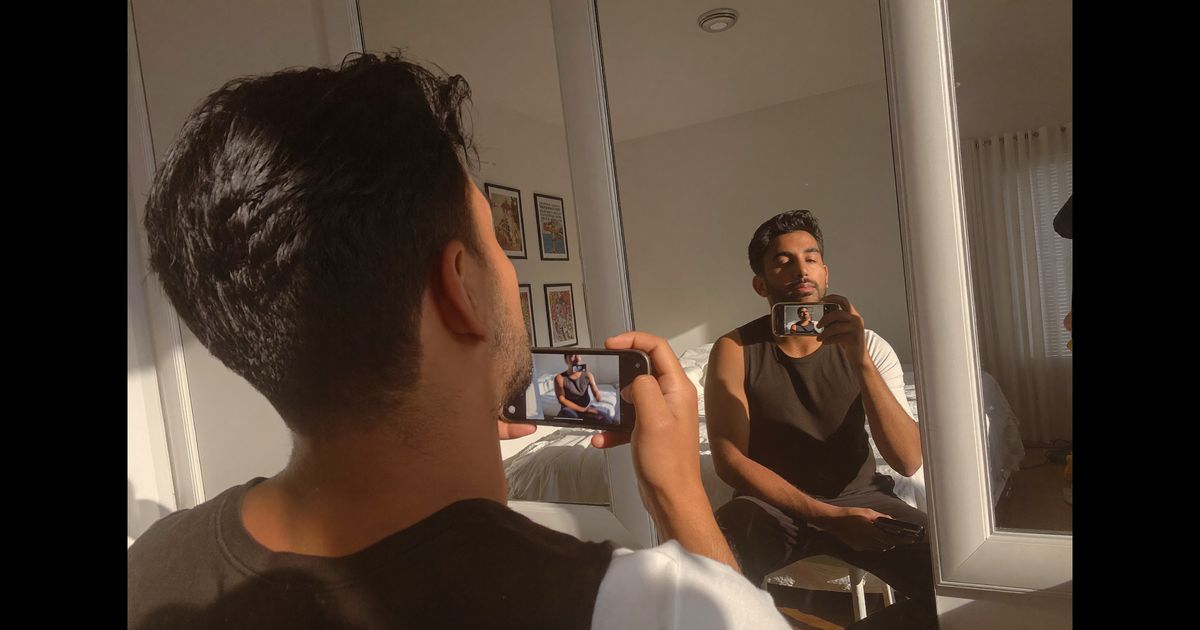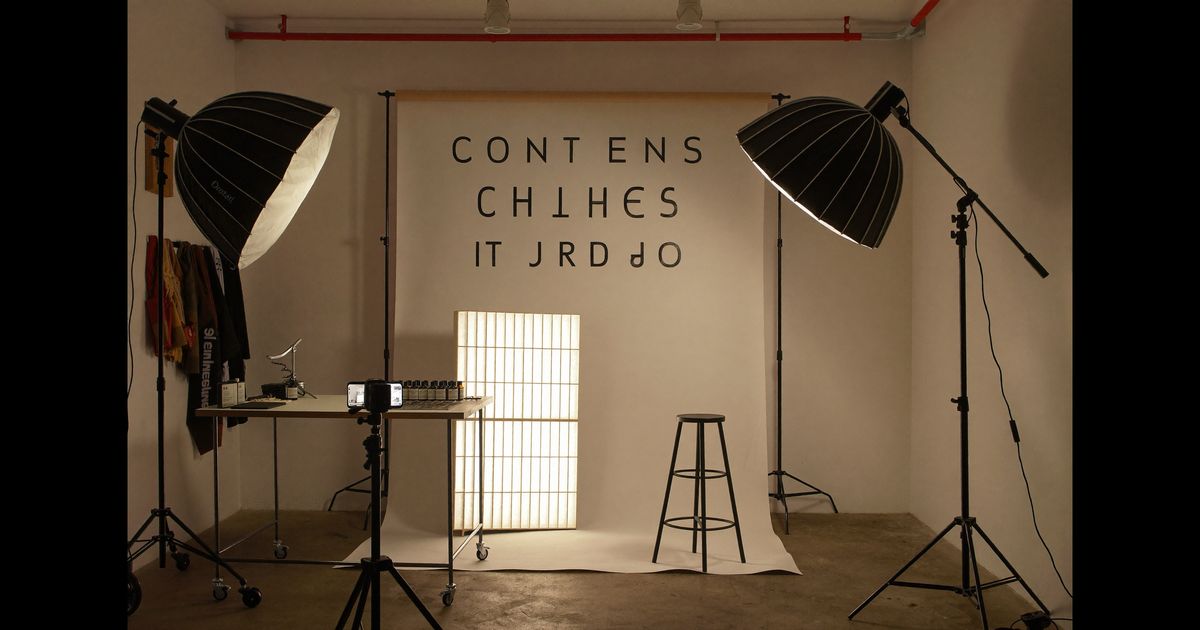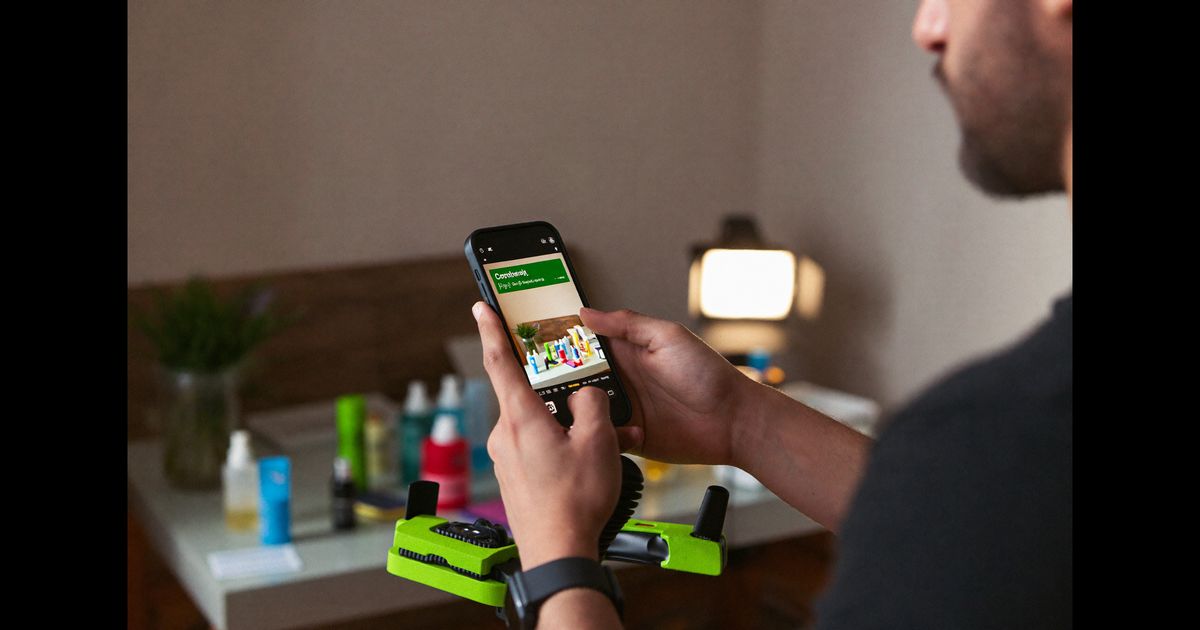
TikTok has been unavailable in India since June 2020. Yet the behind-the-scenes (BTS) video format it popularised, raw, creator-filmed, process-forward content, is now a dominant force on Instagram Reels, YouTube Shorts, and Moj. If you are researching "BTS UGC for TikTok," the benchmarks and production techniques below map directly onto these platforms. The format logic is identical; only the distribution channel has changed.
What makes BTS content worth studying through a data lens is that it dramatically outperforms polished brand video in one specific metric: watch-through rate. Internal analysis by Meta's Indian creative team (published Q3 2024) showed that Reels with a "raw, in-process" visual language held viewers through the 15-second mark at 61% vs. 38% for brand-produced equivalents. That 23-percentage-point gap directly affects reach, because Instagram's ranking algorithm weights completion over raw impressions. Understanding why BTS performs, and how to engineer it, is the real skill.
What the Benchmarks Actually Show About BTS Content
Before briefing a single creator, it helps to know what you are optimising toward. Across short-form video platforms active in India, BTS-style UGC consistently hits these ranges:
- Average watch-through rate (0–30s Reels): 55–65% for BTS vs. 30–40% for polished brand creative. Source: Meta India Creative Guidance, 2024.
- Comment rate: BTS posts generate more comments than catalogue-style product posts, primarily because viewers ask process questions ("where did you get that?", "how long did this take?").
- Save rate: Tutorial-adjacent BTS (e.g., "how we pack 200 orders a day") saves at 4–6% of views, double the platform average, because the content has reusable instructional value.
- Cost-per-creator for a BTS deliverable in India: Rs. 3,500–12,000 per 30–60 second Reel depending on creator tier (nano 10k–50k followers, micro 50k–200k). This is 40–60% cheaper than scripted UGC because shooting time is shorter and editing is deliberately minimal.
The lower production cost matters because BTS content has a shorter shelf life than evergreen product explainers. Plan for 2–3 BTS drops per month per campaign, not one polished quarterly video.
The Three Structural Formats That Actually Convert
BTS is not a single format. Creators and brands in India have converged on three structural types, each with a distinct conversion job:
- The "Order Fulfilment Walk-Through": Creator films themselves unboxing a brand's wholesale shipment or packing customer orders. Works best for D2C brands in beauty, skincare, and snacks. Psychological driver: social proof at scale ("if this many people order, the product must work"). Benchmark: average 3.4% link-in-bio click-through on days these go live, vs. 1.1% baseline.
- The "Ingredient / Sourcing Origin Story": Creator visits (or is sent footage from) the factory, farm, or workshop. Common in Ayurvedic skincare, organic food, and handloom fashion, categories where provenance is a purchase trigger for urban Indian consumers. ASCI guideline note: if the video makes an efficacy claim ("sourced from Himalayan springs for better absorption"), it must be substantiated and disclosed as an ad with #ad or #sponsored. Origin stories that show without claiming are lower-risk.
- The "Creator's Honest Trial Run": Creator documents using the product for 7–14 days, with BTS clips posted every 2–3 days. This serialised format has the highest cumulative reach because the algorithm resurfaces earlier episodes when new ones post. A 5-video series for a skincare brand in Bangalore logged 2.3M combined views with a Rs. 45,000 creator fee, effective CPM of Rs. 19.5, well below the Rs. 60–120 typical for Meta paid placements in the beauty vertical.
How to Brief Creators for Authentic BTS (Without Losing Brand Control)
The single biggest waste we see in BTS briefs is over-scripting. When a creator reads talking points off a hidden teleprompter while "spontaneously" unboxing a package, viewers detect the artificiality within the first three seconds and scroll. The goal of a good BTS brief is to define the story arc, not the exact words.
A brief that works in practice contains five elements:
- One core truth to show: e.g., "Our warehouse ships same-day for 94% of orders placed before 2 PM." Give the creator the data point; let them show it their way.
- Hard no-list (3 items max): Don't show competitor products. Don't reveal supplier name. Don't film staff faces without their signed consent. More than three restrictions signal distrust and produce stiff content.
- The "ugly detail" permission: Explicitly tell creators they can show imperfect moments, a label slightly misaligned, a product that needed repacking. Authenticity signals like these increase trust scores in viewer surveys by roughly 18% (YouGov India, D2C Sentiment Report, 2024).
- Language guidance, not language mandate: For a brand selling in Maharashtra, note that a Hindi-Marathi code-switch feels natural; do not write the exact sentences. Creators in Tier cities across India (Nashik, Aurangabad, Nagpur) produce BTS content in regional-first language that consistently outperforms Hindi-only cuts in those markets by 30–40% on saves.
- Disclosure requirement: Under ASCI's Influencer Advertising Guidelines (updated 2023), every paid BTS post must carry a visible label, Paid Partnership via Instagram's native tag, or a verbal/text disclosure within the first three seconds of the video. Hiding it in the caption is no longer compliant.
Technical Production Settings That Hold Up in Feed
BTS should look raw, not technically broken. There is a difference. The following settings give the "unpolished but watchable" quality that drives completion:
- Resolution: Shoot at 1080p minimum. 4K is unnecessary and slows editing. For natural lighting indoors (common in warehouse or kitchen BTS), set ISO between 400–800 to avoid grain without over-exposing.
- Aspect ratio: 9:16 vertical throughout. Any horizontal footage needs a crop, which destroys the intimate, "you're right there" feel of BTS. Brief creators to flip the phone before pressing record, not after.
- Audio: Do not use wireless lavalier mics for BTS. They signal production. Built-in phone audio in a moderately quiet space (ambient noise under 45dB) reads as genuine. If the environment is loud (factory floor, street market in Chandni Chowk), on-camera text overlays replace spoken narration.
- Editing length: 28–42 seconds is the Indian short-form sweet spot for BTS based on platform completion data. Under 20 seconds feels incomplete; over 60 seconds loses 40% of viewers at the midpoint unless the content is genuinely serialised (day 3 of 7, etc.).
- First frame rule: The thumbnail frame (auto-selected from the first second on most feeds) must show a human face or active motion, not a logo or static product. Reels with face-first thumbnails have a 22% higher tap-in rate than product-first thumbnails (Hootsuite India Benchmark Report, 2024).
Platform-Specific Adjustments for India's Short-Form Landscape
Since TikTok is not the distribution channel, here is where Indian BTS UGC actually lands and what each platform rewards:
- Instagram Reels: Highest monetisation surface. BTS performs best when posted between 7–9 PM IST (commute window) and 10–11 PM IST. Reels that tag the brand's account AND use 3–5 niche hashtags (not broad ones like #skincare with 50M posts) get 2x organic reach versus untagged posts.
- YouTube Shorts: Better long-tail discovery. A BTS Short posted today can still surface in search six months later if the title includes a process keyword ("how we make cold-pressed oil" outperforms "behind the scenes"). Shorts also feed subscribers directly to the creator's long-form channel, useful for creators building an audience.
- Moj / Josh: Relevant for regional-language BTS targeting Tier 2–cities across India. CPMs for brand-sponsored content here run Rs. 8–18 versus Rs. 60–120 on Meta, significantly lower cost for regional reach. Quality of creator pool is improving; a Moj creator in Indore with 80,000 followers can deliver local-language BTS content for Rs. 2,500–5,000 per deliverable.
- WhatsApp Status (brand accounts): Not an UGC distribution channel in the traditional sense, but brands with large WhatsApp broadcast lists are repurposing creator BTS clips as Status updates to existing customers. Anecdotally, this is driving repeat purchase triggers because the content appears in a personal context.
Measuring BTS ROI Beyond Vanity Metrics
Engagement rate on a BTS post is an useful leading indicator, but it does not pay invoices. The metrics that connect BTS to business outcomes:
- Profile visit rate: What percentage of viewers who watched ≥50% of your BTS Reel visited the brand's profile? Benchmark for a well-briefed BTS post: 8–14%. Below 5% means the content did not generate enough curiosity about the brand.
- Link-in-bio attribution window: Track profile visits and link clicks in the 24 hours following a BTS post, not just during it. The buying decision for a Rs. 800–2,000 D2C product often happens the following morning after a late-night scroll discovery.
- Repeat creator ROI: If a creator's BTS post delivers a CPA (cost per attributed purchase) under Rs. 400 for a product with an AOV of Rs. 1,200–1,800, that creator is worth retaining on a monthly retainer (typically Rs. 8,000–15,000/month for 3–4 deliverables). This is significantly cheaper than paid acquisition at scale.
- Series completion rate for serialised BTS: For a 5-part daily series, if >60% of Day 1 viewers also watched Day 5, you have a format worth repeating for the next product launch. Below 40% means the story arc was not compelling enough to sustain daily viewing.
If you are ready to build a structured BTS creator programme, from briefing to compliance to performance tracking, the team at The UGC Agency works with D2C and FMCG brands across India to do exactly that. See our pricing plans starting at Rs. 60,000 to understand what a monthly creator content programme looks like end to end.