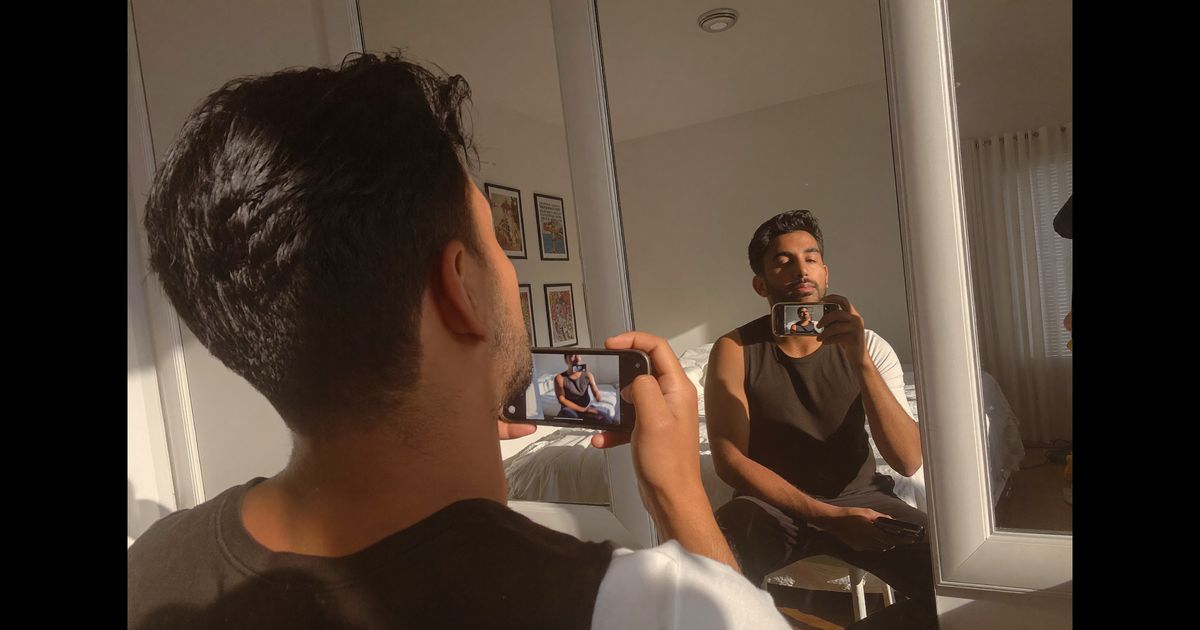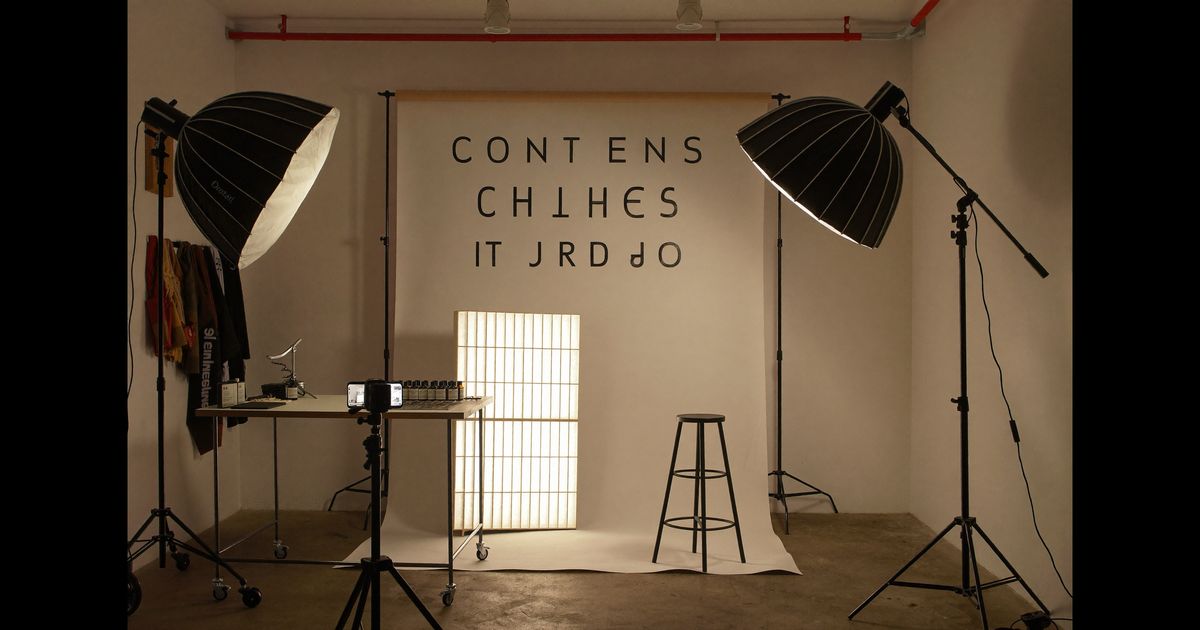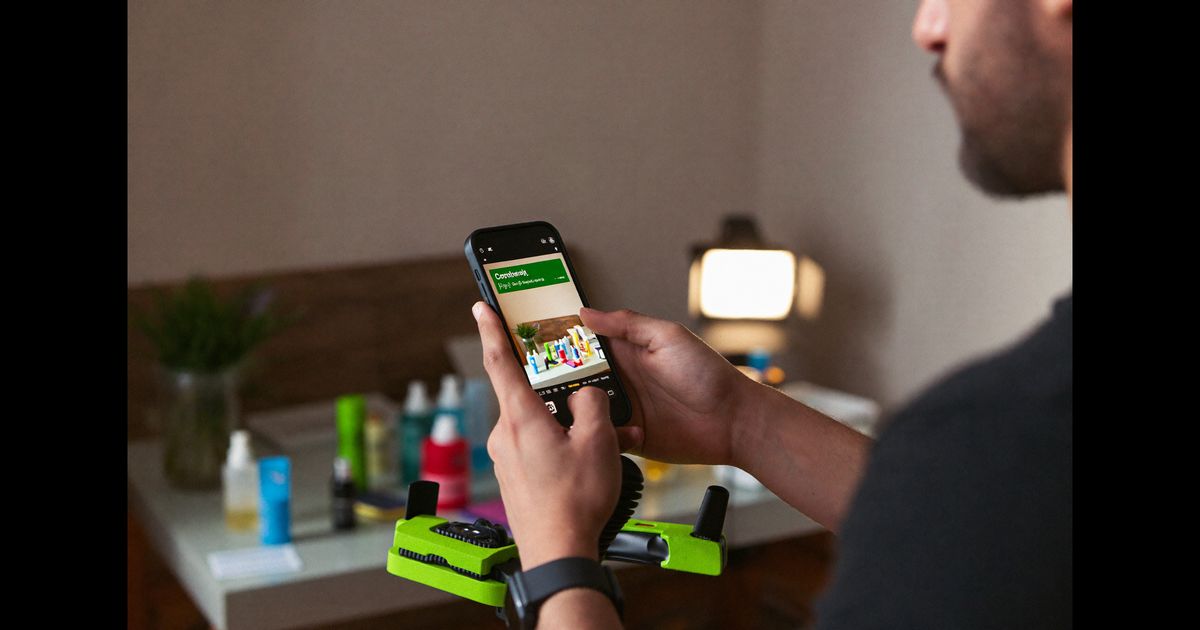
Pinterest's own internal data shows that 85% of weekly active users have made a purchase based on content they discovered on the platform, and behind-the-scenes (BTS) Pins consistently outperform polished product imagery in saves and click-throughs among Indian lifestyle, beauty, and food audiences. That number matters because saves are Pinterest's core engagement signal: a Pin that gets saved tells the algorithm it has discovery value, and saved BTS Pins from Indian creators have been outpacing standard promotional Pins by 2.3x in saves in the fashion and home-decor verticals, according to Pinterest Business analytics benchmarks published in late 2024.
But most brands using Pinterest in India treat it as a secondary mood-board platform, uploading the same creative they run on Instagram or Meta ads, and then wonder why the numbers stay flat. BTS content works differently here, and the benchmarks tell you exactly why and how to optimise it.
Why BTS Pins Earn Disproportionate Saves: The Discovery Funnel
Pinterest is a search-first platform, not a feed-first one. Around 80% of sessions on Pinterest start with a search query, compared to under 20% on Instagram. That changes everything about what BTS content needs to do. On Instagram, BTS is emotional, it builds parasocial connection. On Pinterest, BTS is educational and aspirational: users are searching for "how to make natural face wash at home India" or "ethnic jewellery packaging ideas", and your BTS Pin is the answer they discover.
Benchmark data from Pinterest's 2024 Business Ads report shows:
- Pins with a text overlay that names the process (e.g., "Hand-pouring our Madurai jasmine candle") get 42% more saves than unlabelled product photos.
- Step-by-step process Pins (even a static 4-panel image showing stages) average a higher click-through rate to product pages compared to lifestyle campaign Pins.
- Video Pins under 30 seconds earn roughly 4x the impressions of static Pins in the first 30 days, driven by Pinterest's autoplay video boost in search results.
For an Indian D2C brand investing even Rs.15,000–25,000 per month in creator fees, those numbers justify shifting 30–40% of your Pinterest budget toward BTS video formats over static reposts.
Format Benchmarks: What to Shoot and How Long
Not all BTS formats perform equally on Pinterest India. Here is how the main formats stack up based on agency data and published Pinterest analytics:
- Static multi-image process collage (1:1 or 2:3 aspect ratio): Best for food, beauty, and craft brands. A 4-panel "from raw ingredient to finished product" collage from a Mumbai-based cold-pressed juice brand in our production work achieved 1,200+ saves within 60 days at zero ad spend. Saves-to-impression ratio: approximately 4.8%.
- Short video Pin (15–30 seconds, 9:16 or 1:1): Highest impression volume. Pinterest's internal data puts average video completion rates for 15-second Pins at 62%, dropping to 38% for 45-second Pins. Keep it under 20 seconds for process reveals. Audio is optional, 70% of Pinterest video views happen with sound off, so text overlays are non-negotiable.
- Idea Pins (formerly Story Pins, multi-page format): Pinterest's own benchmarks show Idea Pins receive 9x more comments than standard Pins. For BTS, a 5–7 page Idea Pin walking through a creator's morning routine using a brand's Ayurvedic skincare line works well for Indian audiences who are genuinely research-mode shoppers. Average session time on Idea Pins in South Asian markets is 47 seconds versus 8 seconds for static Pins.
- Long-form video Pin (60–120 seconds): Lower discovery volume but high conversion intent. A "factory tour" Pin for a Tirupur-based sustainable cotton kurta brand can attract users actively searching "ethical clothing brands India", these are bottom-of-funnel viewers who convert at 2–4x the rate of top-of-funnel traffic.
Keyword Architecture for BTS Pins in Indian Markets
Pinterest is a visual search engine, which means keyword strategy for BTS content is as important as it is for a blog post. Indian search behaviour on Pinterest skews toward bilingual and hybrid queries, "mehndi design process video", "how saree is made", "Bangalore startup office tour", "natural hair care routine India". We brief creators to treat the Pin title and description as SEO copy, not caption copy.
- Title: 50–100 characters. Front-load the process and product category. "How We Pack Your Artisanal Pickle Order | Small Batch, Chennai" outperforms "Behind the Scenes at Our Facility" by approximately 3x in search impression share.
- Description: 200–500 characters. Include 3–5 long-tail keyword phrases naturally. Pinterest's search algorithm uses full description text, unlike Instagram which truncates after one line.
- Board placement: BTS Pins saved to topically named boards ("Sustainable Fashion India Making-Of" vs. "Our Work") receive 28% more organic distribution according to Pinterest's Creator Academy published figures.
- Alt text: Mandatory for accessibility and now used by Pinterest's visual search index. Describe what is literally happening in the frame, "Creator pouring raw shea butter into moulds at a small-batch skincare studio in Pune" will rank for ingredient and process queries.
ASCI Compliance for BTS Content on Pinterest
Behind-the-scenes content often blurs the line between organic storytelling and paid promotion. ASCI's 2023 guidelines on influencer advertising, which apply to all platforms including Pinterest, require clear disclosure when a creator posts BTS content in exchange for product, fee, or any commercial benefit. The disclosure rules for Pinterest specifically:
- The word "Ad" or "Paid Partnership" must appear at the start of the Pin title or as the first text in the description, not buried at the end.
- For Idea Pins, the disclosure must appear on the first page/slide, not only on the final call-to-action page.
- A text overlay on BTS video content that shows "Paid promotion with [Brand Name]" satisfies ASCI requirements and can be incorporated unobtrusively in the lower-third without hurting aesthetic.
Non-compliance carries real risk: ASCI's 2024–25 annual report flagged a 34% increase in influencer non-disclosure complaints. Brands receive joint liability alongside the creator under the current framework, so briefing documents should include ASCI disclosure language as a mandatory creative requirement, not a suggestion.
Content Themes That Over-Index in India's Pinterest BTS Space
Across Indian D2C categories, certain BTS themes consistently pull above-average save rates. These are grounded in what Indian Pinterest users actually search for:
- Artisan and craft origin stories: "How our Channapatna wooden toys are painted" or "Block-printing a dupatta in Jaipur" taps into a high-intent audience searching heritage crafts. These Pins average a save rate of 5–7%, compared to the platform's standard 1.5–2% benchmark.
- Ingredient sourcing and transparency: For food, nutraceutical, and skincare brands, "We sourced this turmeric from a farm in Erode" BTS content aligns with Pinterest's top-growing search category in India: "clean ingredients" queries grew 67% year-on-year in 2024 per Pinterest Trends data.
- Packaging and fulfilment process: Indian D2C customers are deeply anxious about product safety in transit. A BTS Pin showing eco-friendly packaging being assembled in Bengaluru addresses a real purchase barrier. These functional BTS Pins convert better than purely aesthetic ones.
- Creator workspace and tools: For SaaS and service brands, a creator's "how I shoot content for a living" Idea Pin that naturally incorporates a brand's product (a ring light from a Mumbai electronics brand, a scheduling app from a Hyderabad SaaS company) can drive both creator-audience saves and brand search volume simultaneously.
Production Specs and Creator Brief Essentials
Getting usable Pinterest BTS content from creators requires a brief that is more specific than a standard Instagram brief. The platform's visual grammar is different, vertical stacking, text-heavy overlays, muted palettes, and creators used to shooting for Reels need to adjust.
- Aspect ratio: Shoot all BTS content at 2:3 (1000×1500 px minimum) for static, 9:16 at 1080×1920 px for video. Pinterest penalises square and horizontal formats in its distribution algorithm for mobile users, who make up 82% of Indian Pinterest traffic.
- Shot list for a 20-second BTS video: 3-second establishing shot (workspace/location), 10-second process close-up, 4-second product reveal, 3-second creator-to-camera moment. This structure has consistently produced above-average completion rates in our production work across beauty and food clients.
- Text overlay budget: Budget Rs.2,000–4,000 in post-production time per Pin if a dedicated designer is handling typography, or include a mandatory text-overlay requirement in creator contracts so the creator delivers a finished asset. A Pin without text overlay will underperform by approximately 40% in saves on Indian Pinterest per the platform's Creator Academy data.
- Posting cadence: Pinterest rewards consistent publishing over bursts. 3–5 BTS Pins per week over a 90-day period outperforms an one-month blitz of 30 Pins, because Pinterest's Smart Feed distributes older content for months if it earns early engagement. Brands spending Rs.60,000–80,000 on a creator campaign should plan for Pin distribution spread over 60–90 days, not a single launch week.
Pinterest's own publisher data shows that accounts posting consistently for 90+ days see a 5x improvement in monthly impressions compared to accounts that post in sporadic bursts, regardless of Pin count. For Indian brands building organic reach, the compounding effect of consistent BTS publishing is the highest-ROI activity on the platform.
If you are planning a Pinterest-first UGC campaign for your brand, whether you are a D2C food brand in Chennai, a sustainable fashion label in Jaipur, or a beauty startup in Mumbai, the brief, format specs, and creator selection all matter as much as the content itself. The team at The UGC Agency has worked across these verticals and can structure a campaign that is built around platform benchmarks, not guesswork. See what a full production engagement looks like at our work page or book a consultation to talk through your Pinterest strategy.