TikTok's short-form video grammar, hook-in-two-seconds, raw authenticity, sound-on storytelling, did not disappear when India banned the app in June 2020. It migrated wholesale into Instagram Reels, YouTube Shorts, and domestic platforms like Moj and Josh. If your brand is running UGC campaigns on any of these, you are effectively running a TikTok-era playbook whether you label it that way or not. This guide treats the format seriously: advanced techniques drawn from what made TikTok's creator economy work, translated for the platforms where Indian audiences actually live in 2026.
This is not an introduction to UGC. It assumes you have already run creator campaigns, you understand what a brief looks like, and you want the next layer, the structural, directorial, and optimisation decisions that separate flat creator content from content that genuinely converts.
The TikTok Format Blueprint (and How Indian Platforms Inherited It)
TikTok's content architecture was precise: a hook within the first 1.5 seconds, a problem-agitation-resolution loop compressed into 30–60 seconds, and a native-feeling CTA that did not feel like an ad. Reels and Shorts now operate under the same attention economy. The difference is the audience context.
- Reels (Instagram): Discovery-first. Audiences skew 18–34, urban tier-1 and tier-2. The swipe threshold is around 1.8 seconds on average, your hook must land before the viewer's thumb moves.
- YouTube Shorts: Intent-adjacent. Viewers often arrive from long-form content, so slightly higher patience. Ideal for tutorials, before/after, and "why I switched" UGC formats.
- Moj / Josh: Regional-language audiences, strong in Bhojpuri, Tamil, Telugu, and Marathi belts. Tier-2 and tier-cities across India. If your brand sells FMCG, personal care, or affordable fashion outside metros, creator content in the local language on these platforms dramatically outperforms Hindi-dubbed Reels.
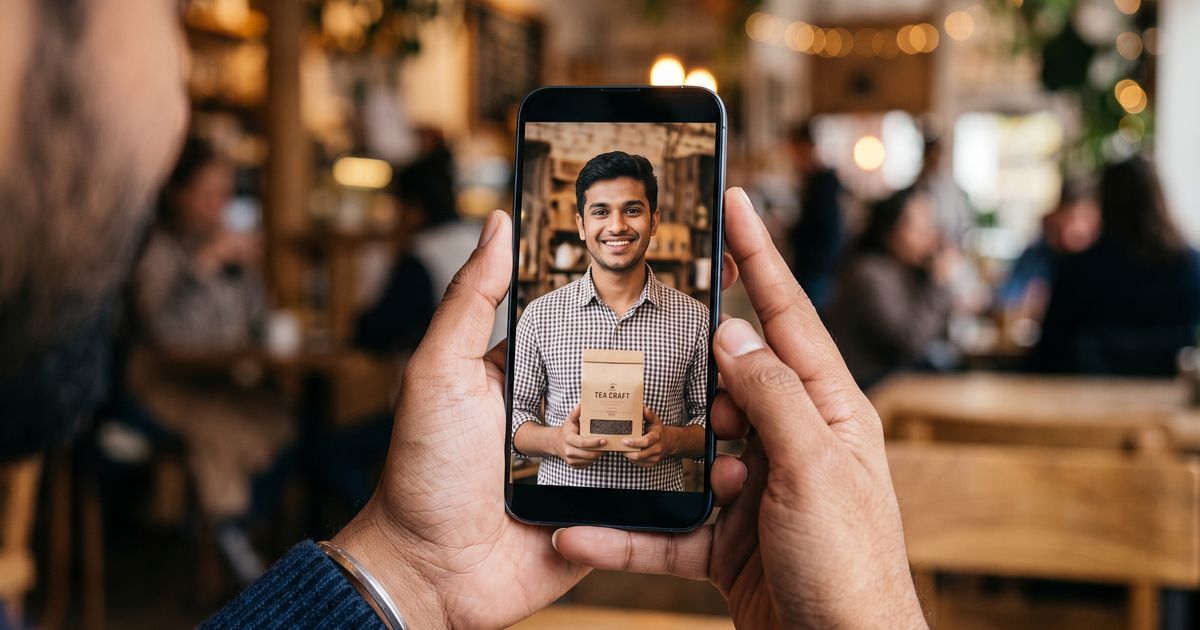
When we brief creators for Reels campaigns targeting Pune or Surat, we ask them to shoot in the language they naturally think in, not the language that sounds most "polished." A Marathi-speaking creator from Nashik selling a skincare product in Marathi to a Nashik audience will always outperform a generic Hindi script voiced by the same creator.
Advanced Briefing: Moving Beyond the Basic Creative Brief
Most brands hand creators a bullet-point product sheet and call it a brief. At this level of UGC production, your brief needs to function like a director's treatment, not a script, but a structural framework the creator can inhabit.
- Define the hook format, not the hook words. Instead of writing "Open by saying you have a skincare secret," specify the hook mechanic: contrast hook ("I stopped using X and started using Y, here's what happened"), curiosity hook ("Dermatologists in Bengaluru apparently recommend this, but nobody talks about it"), or social-proof hook ("Every second person in my DMs asked about this"). The creator writes the actual words. You control the structure.
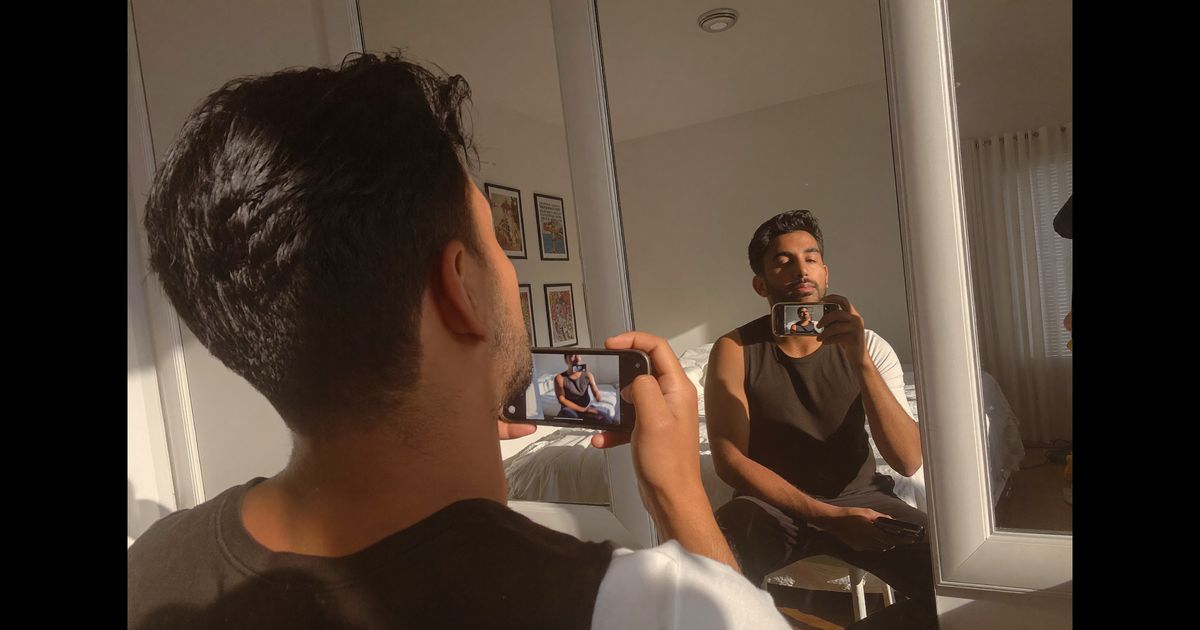
- Specify the "texture" of authenticity you need. Is this a talking-head in a bathroom mirror? A get-ready-with-me format? A product unboxing cut with reaction shots? Different product categories in India call for different textures, a D2C supplement brand needs the bathroom-mirror intimacy; a fashion rental service needs the outfit-reveal format with a friend reaction.
- Include a "do not do" list. For ASCI compliance, any material connection between a brand and a creator must be disclosed. Brief your creators explicitly: disclosure must appear within the first three seconds of the video, as audio or on-screen text, not buried at the end or in the caption. The phrase "paid partnership" or "ad" is sufficient. ASCI's 2021 influencer guidelines are enforceable, non-disclosure can result in the content being flagged and removed, which wastes both your spend and the creator's effort.
- Set a performance feedback loop. Give creators 72-hour performance data after each post, view-through rate, save rate, profile visits. Creators who see their own data improve faster. We structure contracts to include one free revision or a "volume 2" shot if the first version underperforms a 15% save-rate benchmark on Reels.
The Scroll-Stop Mechanics That Actually Work in 2026
Several formats that dominated TikTok globally have been proven on Indian Reels and Shorts. Here is the advanced version of each:
- The Asymmetric Before/After: Standard before/after is overused. The asymmetric version opens on the "after" state, creator is already using the product, looks great, is happy, then cuts back to the "before" struggle in the second half, then returns to "after." This structure holds watch time better because the viewer has already seen the payoff and wants to understand the journey.
- The Reluctant Convert: Creator opens with explicit scepticism ("I was sure this was overpriced and overhyped") and documents their change of mind. This format is particularly effective for premium-priced Indian D2C brands (Rs.800+ moisturisers, Rs.1,200+ supplements) where price resistance is the primary conversion barrier. The creator's scepticism mirrors the viewer's scepticism.
- The Micro-Tutorial with Product Integration: A 45-second how-to video where the product is a natural tool in the process, not the subject of the video. A Mumbai-based food creator making a "fastest lunch for WFH" video where a nutrition supplement appears as step 3 of 7. The product earns its place in the content. Watch-through rates on tutorial formats run 20–30% higher than direct-product-showcase formats in our production data.
- The Regional Comparison: "I tested [product] in Hyderabad summers vs. Delhi winters" or "How this product works differently on different skin types across India." This localisation signals that the brand understands regional diversity rather than treating India as a monolith, and it generates region-specific content you can deploy in geo-targeted paid amplification.
Sound Design: The Most Underused Lever in Indian UGC
TikTok built its entire discovery engine around sound. Indian UGC producers have been slow to apply the same rigour. Most creator videos are shot with default ambient audio and no music strategy.
- Trending audio arbitrage: Reels surfaces content using trending audio tracks to new audiences as part of its distribution algorithm. Brief creators to check the "trending" audio section in Reels creation mode within 48 hours of filming, a trending instrumental with 500K+ uses can add meaningful organic reach without any paid spend. The key is matching the audio's emotional register to the product category.
- Voiceover for dual-language audiences: For brands targeting tier-cities across India, shoot the visual in Hindi but add a regional-language voiceover track in the edit. This is achievable even with creator-shot content, the creator re-records the VO on their phone, and the editor cuts it in. A single piece of visual content can serve two distinct audience segments in paid campaigns by swapping the audio.
- The "sound-off" first rule: Always ensure the first five seconds are comprehensible without audio. A significant portion of Reels plays in sound-off contexts (office, public transport). Use on-screen text for the hook, even if the creator is speaking the same line aloud.
Paid Amplification: Turning Creator Content into Performance Assets
Publishing a Reel organically and calling the campaign done is a missed opportunity. The advanced playbook treats every creator video as a raw asset for paid distribution.
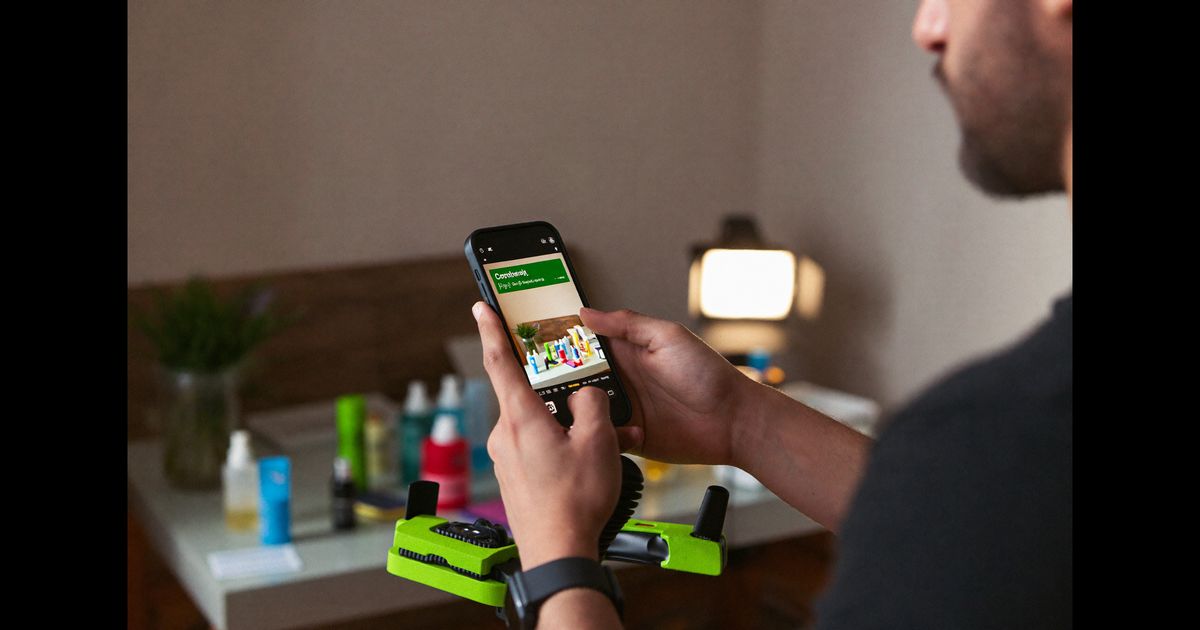
- Whitelisting (Creator Licensing): Run paid ads directly from the creator's account handle rather than the brand page. Ads that appear to come from a real person consistently outperform ads from brand pages on CPM, CTR, and cost-per-result. In India, whitelisted creator ads for D2C brands routinely see 30–45% lower CPMs compared to brand-page equivalents. Build whitelisting permissions into your creator contracts from the start, retroactively requesting access after the shoot is a friction point that delays campaigns by days.
- Versioning for A/B testing: When briefing creators, request two hook variations, same body, different opening five seconds. This costs a marginal extra 10 minutes of shoot time but gives you meaningful split-test data. In Meta Ads Manager, run both versions at equal budget for 72 hours, then consolidate spend on the winner. Over a 90-day campaign, this iterative process compounds into significantly better creative performance.
- Budget benchmarks for Indian campaigns: A realistic paid amplification budget for a UGC-first D2C campaign in India is Rs.80,000–1,50,000 per month for awareness-to-consideration, with 60–70% allocated to Reels/Stories placements and the remainder to YouTube Shorts pre-roll. At this scale, you need a minimum of 4–6 distinct creator assets per month to avoid ad fatigue. Rotating creative every 10–12 days at a frequency cap of 3–4 per week per user maintains performance without burning out an audience.
Quality Control and Compliance at Scale
As campaign volume grows, more creators, more platforms, more SKUs, quality degradation is the most common failure mode. The brands that scale UGC successfully build systematic review into the production pipeline, not ad hoc checks.
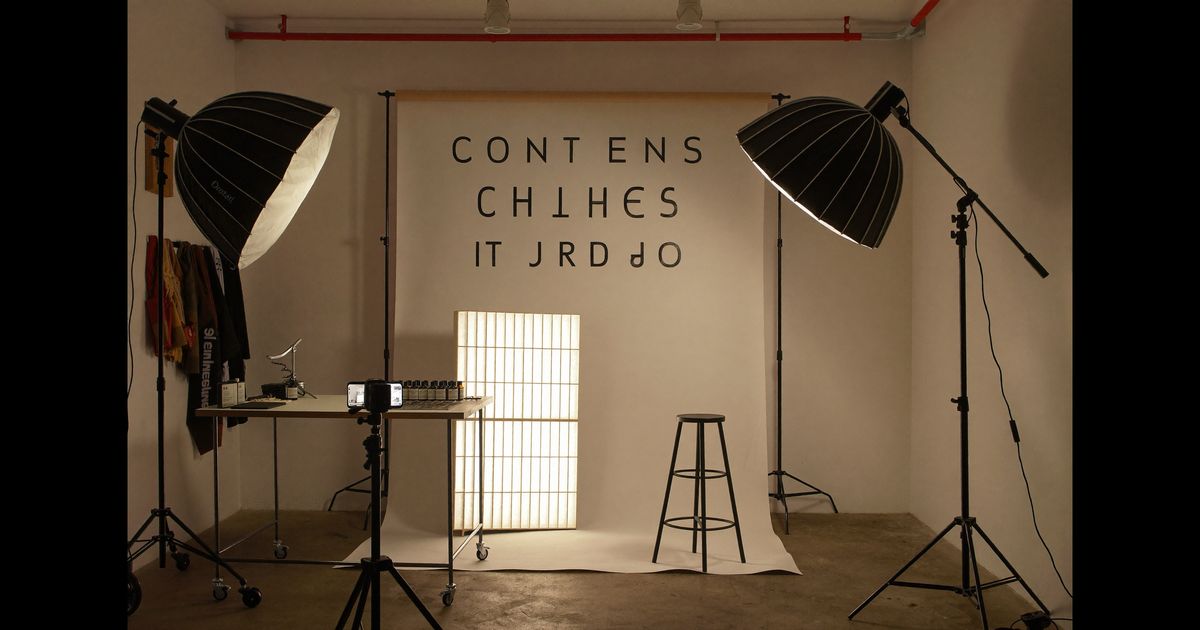
- Two-gate review: Gate 1 is a rough-cut review within 24 hours of receiving the creator's footage, check for ASCI disclosure, brand safety, product visibility, and hook strength. Gate 2 is a final export check for audio levels, aspect ratios (9:16 for Reels/Shorts, 4:5 for feed), and caption accuracy. Most production breakdowns happen between gate 1 and gate 2.
- Creator performance tiers: After three campaigns, categorise creators into tiers based on their content's actual performance data, not follower count. An 18,000-follower creator in Jaipur who consistently achieves 8% save rates on skincare content is more valuable than a 150,000-follower general lifestyle creator with 0.4% save rates. Build a tiered rate card: top-tier creators get first access to new product launches and higher per-video fees; developing-tier creators get structured feedback and volume opportunities. This creates a pipeline where talent grows with the brand.
- Platform-native specs checklist: Reels best practice in 2026 recommends keeping critical information and faces within the centre 80% of the frame (UI elements cover the edges). YouTube Shorts performs best at exactly 60 seconds for algorithm distribution. Moj favours 30–45 second content with subtitles. Build these specs into the brief template so creators shoot correctly the first time.
If you are ready to move your UGC production from ad-hoc creator posts to a structured performance asset system, the details above are the building blocks. The UGC Agency runs end-to-end creator campaigns for D2C and FMCG brands across India, from briefing and casting to paid amplification and performance analysis. See our client work or book a consultation to discuss what a scaled UGC programme looks like for your brand and category.