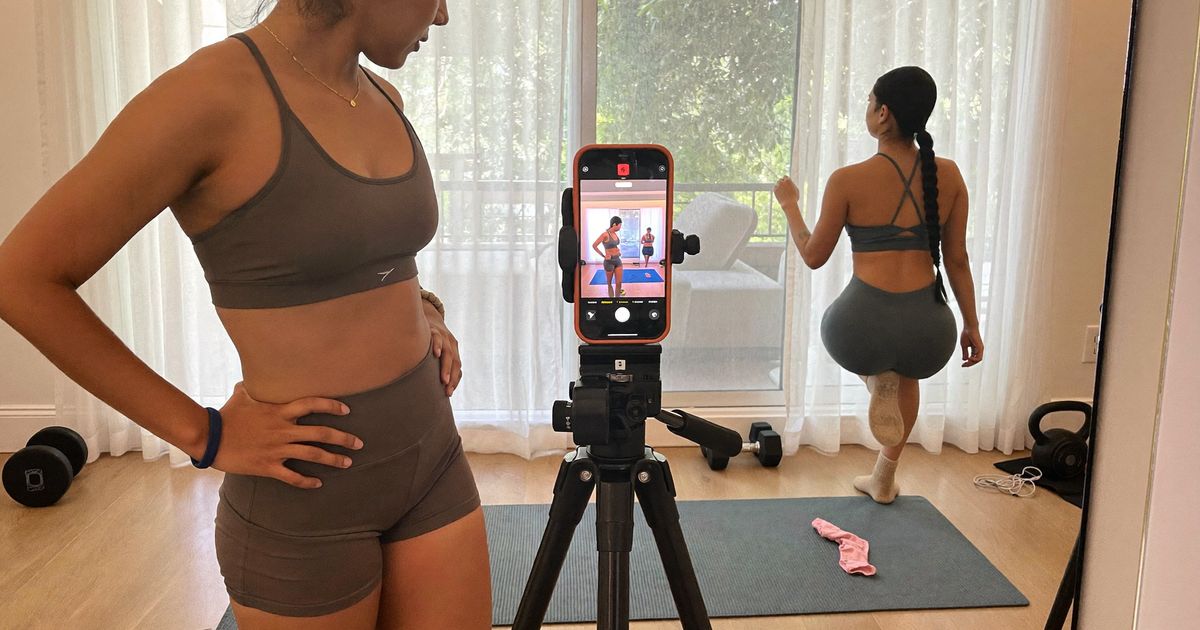
Health and wellness brands occupy a specific position in the UGC landscape. The content needs to be authentic enough to earn trust from a sceptical audience, honest enough to stay on the right side of ASCI guidelines, and technically accurate enough not to misrepresent product benefits. That combination of creative and compliance requirements makes the choice between professional UGC and DIY approaches more consequential for health brands than for most other categories.
What Professional UGC Brings to the Health Category
A professional UGC agency working with health brands brings several specific capabilities that are difficult to replicate in a DIY context:
- Creator vetting for genuine product fit: The creator's age, gender, health profile, and lifestyle need to authentically match the product's intended user. An agency with a segmented roster can match creators to product profiles at a level of specificity that ad hoc creator sourcing rarely achieves.
- Brief quality that balances honesty with persuasion: Health UGC briefs must avoid absolute claims, manage expectation timelines, and structure narratives around genuine outcomes rather than exaggerated results. Agencies experienced in health UGC know where the lines are.
- Compliance awareness: ASCI guidelines for health and wellness advertising apply to creator content as well as brand advertising. Professional agencies maintain awareness of what is and is not permissible and brief creators accordingly, reducing the brand's regulatory exposure.
- Performance feedback loops: Tracking which creator profiles, health concern angles, and storytelling structures convert best for a specific health product requires the kind of cross-campaign data perspective that a specialist agency accumulates over multiple client engagements.
What DIY Health UGC Looks Like in Practice
DIY health UGC tends to start with gifting or commissioning creators found through Instagram or creator platforms. The brand writes its own brief — often focused on product features and benefits rather than the conversion-oriented structure that agency briefs typically follow — and reviews content against aesthetic rather than performance criteria. Quality varies significantly because there is no systematic creator vetting process, and compliance review is often informal or absent.
For brands with small budgets and genuinely passionate existing users — people who already talk about the product online — DIY content aggregation can be a low-cost source of authentic creative. The challenge is that this kind of organic UGC is rarely structured to perform in paid channels without additional briefing and post-production work.
The Risk Table Is Different for Health
In most product categories, the downside of a poorly briefed creator is a video that does not convert well. In health categories, poorly briefed creators can make claims that expose the brand to regulatory action, consumer complaints, or reputational damage if the claims are later contested. A creator who says a supplement cures a condition, or describes results in a timeframe that the product cannot reliably deliver, creates liability that a well-briefed creator would not. Professional agencies brief against these risks as a matter of course; DIY operations often discover them after the fact.
When DIY Makes Sense for Health Brands
DIY health UGC is most appropriate for brands that are early-stage, budget-constrained, and working with a small group of trusted brand advocates who genuinely love the product. In that context, the authenticity of the content and the low cost of production can outweigh the lack of professional brief structure — particularly for organic social rather than paid distribution. As the brand scales and paid media becomes a significant investment, the ROI case for professional UGC strengthens considerably.
Takeaway
For health brands, the choice between professional and DIY UGC is not just about creative quality — it is about risk management, compliance awareness, and the ability to produce content that converts in paid channels at scale. Professional UGC delivers structured, compliant, performance-oriented content that DIY operations consistently struggle to replicate at volume. The investment is higher, but in a category where trust and credibility are the primary conversion variables, it is almost always justified.
If you want to discuss the right UGC approach for your health brand, book a strategy call and we will give you an honest recommendation based on your current stage and budget.