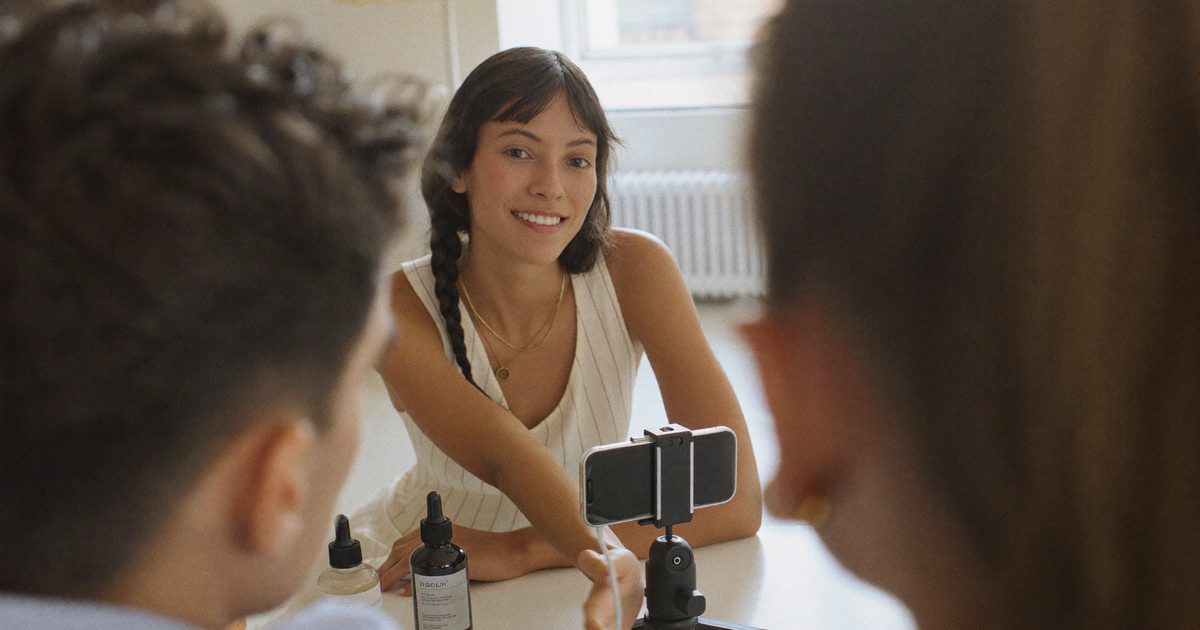
A skincare brand posts a creator video on Instagram Reels. The creator uses the "Main Character" audio that's been trending for three weeks. The video gets 4,000 views. Two weeks later, the same brand posts a creator using the same audio. It gets 700 views. The meme has already died, and the brand paid for both. This is the core challenge of meme-driven UGC: timing and cultural literacy matter more than production quality.
This guide is for brands and marketers who are curious about weaving memes and cultural moments into their UGC strategy but aren't sure where to start, what the risks are, or how to do it without looking out of touch. We'll break it down from scratch, using examples that are grounded in how Indian audiences actually consume content.
What "Cultural Moments" Actually Means for Indian Brands
A cultural moment is any event, trend, meme format, audio clip, or shared reference that a large group of people is paying attention to right now. In India, these can come from wildly different places:
- Cricket: India vs. Pakistan match reactions, a player's dismissal celebration that becomes a gesture everyone copies
- Bollywood and OTT releases: A dialogue from Mirzapur, Panchayat, or a Shah Rukh Khan film that suddenly appears in every Reel
- Viral news moments: The "chaiwala" politician comment, the Kanhaiya Kumar debate clip, or a regional news anchor's dramatic delivery
- Festival cycles: Diwali, Holi, Eid, Pongal, Navratri, each carries its own wave of meme formats and trending audio
- Internet-native formats: The "POV:" format, the "expectation vs. reality" split, the "tell me you're X without telling me you're X", these travel across Hindi, Tamil, Telugu, Bengali, and Hinglish feeds simultaneously
What makes India different from Western markets is this linguistic and regional layering. A meme that lands in Mumbai's English-Hinglish Instagram bubble may not land at all in Chennai's Tamil-heavy TikTok-replacement ecosystem (MX TakaTak, Josh, Moj). A UGC strategy that treats "Indian audience" as one thing will miss the point entirely.
Why Memes Work So Well Inside UGC
The reason brands care about meme-adjacent UGC is straightforward: memes are a signal of belonging. When someone sees a creator use a familiar audio clip or format, their brain registers the content as part of a conversation they're already in, not as advertising. The moment that recognition happens, the audience's guard drops slightly.
This is different from a polished brand ad that uses a trending song in the background. In genuine UGC, the creator is applying the meme format to their real experience with a product. That's the combination that works. A creator who genuinely orders chai ten times a week using a quick-commerce app can take the "it be like that" audio and make it feel organic. A creator who was clearly given a script to "act like this is a meme" will look exactly like what they are.
On Instagram Reels and YouTube Shorts, the two dominant short-video platforms after TikTok's ban in India in 2020, the algorithm also actively rewards content that uses trending audio. So there's a practical reach benefit, not just a cultural one. Creators who know their platform can identify which audio clips are in their early-adoption window (roughly the first 5–10 days of a trend) versus which ones are already past peak.
The Timing Problem: Memes Have a Short Half-Life
This is the section most brand marketing guides skip over. Memes in India can move from "just emerging" to "cringe-overused" in under two weeks, sometimes less. The production-approval cycle for many brands is 10–15 days. By the time a creator brief is approved, the meme format might already be used ironically.
Here's a rough lifecycle you should know:
- Days 1–3: A new audio or format appears. Early adopter creators (typically 10k–100k followers) start using it. It feels fresh.
- Days 4–8: Mid-tier creators (100k–500k) pick it up. This is usually peak resonance, enough reach, still feels current.
- Days 9–14: Large accounts and brand accounts start using it. Audience perception shifts to "okay, I've seen this everywhere."
- Days 15+: Only memes with extraordinary cultural staying power survive this phase. Most die here. Brands that post in this window risk looking behind the curve.
The practical fix is to create a "fast-track" brief template for meme-driven content: a shorter script (100 words max), fewer revision rounds, and a pre-approved creator relationship where the creator has discretion on audio selection. We brief creators to flag trending audio to us when they see it, not wait for us to assign it. That shift alone cuts response time significantly.
ASCI Rules and Disclosure: What You Must Not Ignore
Before going further, a critical compliance note. The Advertising Standards Council of India (ASCI) has clear guidelines, updated and enforced since 2021, that require any creator who is paid, gifted products, or given a sponsored stay to disclose the commercial relationship. This applies even if the content looks like a casual meme or an off-the-cuff Reel.
The disclosure must be:
- Upfront (not buried in 40 hashtags at the end)
- In language the audience understands, so if the creator's audience is primarily Hindi-speaking, "#Paid" or "#Collab" is fine, but a tiny English-only tag in a Hinglish caption isn't good enough
- Visible without clicking "more"
The risk here is real. ASCI has been actively pursuing non-compliant influencer posts, and the reputational cost to a brand caught running undisclosed paid UGC is higher than any meme trend is worth. When we brief creators on meme-style content, the disclosure brief is never optional, it goes into every single content agreement regardless of whether the format looks "casual."
How to Brief Creators for Meme-Adjacent UGC
A common mistake is treating meme content briefs the same way you treat standard testimonial UGC briefs. They need to be different. Here's what an effective meme-UGC brief looks like for an Indian D2C brand:
- Brand truth to anchor: One specific, true thing about the product the creator can genuinely react to (e.g., "Our hair oil doesn't leave a greasy residue, you can apply it and step out in 10 minutes"). This is the substance the meme format will carry.
- Format flexibility: Give the creator 2–3 approved meme formats they can choose from, or give them discretion to choose a trending format from the current week that fits the brand truth. Don't prescribe a specific audio that may be dead by shoot day.
- Language and tone permission: Explicitly tell the creator if they can use their local language, Hinglish, slang, or regional references. A creator in Bengaluru briefed on a skincare product should be able to say "literally no glow-down" in Kannada-inflected Hinglish if that's how their audience speaks.
- One mandatory product moment: Specify the single frame or action that must appear (e.g., showing the product name, demonstrating the texture, reading the ingredient). Everything else is the creator's creative judgment.
- Disclosure placement: State exactly where and how the disclosure appears. Don't leave it to interpretation.
The best meme UGC doesn't look like a brand used a meme. It looks like a creator who genuinely loves a product happened to be making memes that day.
Budget Reality: What Meme-Driven UGC Costs in India
If you're new to this, here's a realistic picture of what to expect at different budget levels:
- Rs. 5,000–15,000 per creator: Nano and micro creators (5k–50k followers) on Instagram or YouTube Shorts. Good for testing a format. Less algorithmic reach individually, but high authenticity. Useful for brands that want 8–10 pieces of content to test different meme angles before scaling.
- Rs. 20,000–60,000 per creator: Mid-tier creators (50k–300k followers) who already have a reputation for meme-style content. These creators often have established cadence with their audience, which means their sponsored content gets watched, not skipped.
- Rs. 80,000–2,00,per creator: Macro creators and known meme pages. Higher reach, but the further you go up, the more the audience expects polished content, which sometimes works against the casual-authenticity of meme UGC.
For most D2C brands starting out, the sweet spot for meme-driven UGC is 6–10 micro creators producing content simultaneously during a single cultural moment (a festival, a major sporting event, or a major OTT release that aligns with the brand's category). The combined budget of Rs. 60,000–1,20,000 covers content creation, and the variety of angles across creators gives the brand data on which format actually resonates.
What to Do After the Moment Passes
One thing beginners often overlook: meme content has a short organic life, but it can have a longer paid life. A creator Reel that used a trending audio during peak moment will start to decline in organic reach after 2–3 weeks. But the same video, run as a paid Meta ad (with the creator's permission and proper usage rights in the contract), can be tested against different audience segments for months. The meme hook draws attention; the product story closes.
This is why usage rights clauses matter in creator contracts. Make sure your agreement specifies that the brand has the right to use the content in paid media for a defined period (typically 6–12 months). Without this, you're paying for content you can only use once.
If you want to build a UGC strategy that can actually move fast enough to capture cultural moments, with the right creator relationships, brief frameworks, and compliance guardrails already in place, talk to our team at The UGC Agency. We work with D2C and FMCG brands to build repeatable UGC systems, not one-off viral gambles.