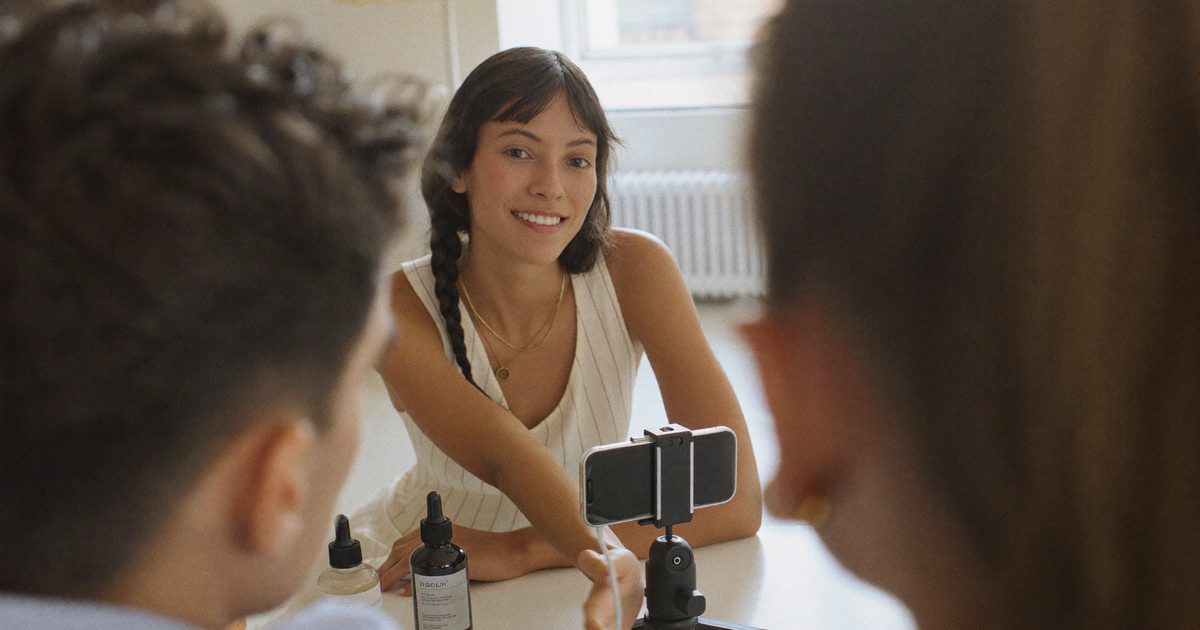
A Nykaa LIVE session on Instagram featuring a skincare creator in Mumbai can do more in 45 minutes than a well-crafted product page does in a month, not because the creator is particularly famous, but because the format compresses the entire purchase journey into a single scroll-free experience. Live commerce in India has matured past the novelty phase. Brands that are already running UGC programmes now have a real opportunity to fold those assets and those creators into live selling architectures that are genuinely difficult for competitors to replicate.
This playbook assumes you have an existing roster of UGC creators, a working content approval workflow, and at least a few months of short-form performance data. The question is not whether to experiment with live commerce, it is how to wire your existing UGC infrastructure into it without starting from scratch.
Where Live Commerce Actually Lives in India Right Now
Before briefing anyone, it helps to be honest about the landscape. TikTok's ban in India eliminated what was the most mature live-selling infrastructure globally. What remains is a patchwork of platforms, each with different audiences and mechanics:
- Instagram Live + Shops: The dominant live commerce surface for D2C brands. Creator-led sessions with product tags work well for fashion, beauty, and health categories. Engagement skews urban and Tier-1 but is expanding fast into Tier-cities across India like Jaipur, Surat, and Coimbatore.
- YouTube Live: Longer sessions work here, 60-to-90-minute live hauls and tutorials with product links in the description. Better for considered purchases (skincare routines, kitchen appliances) where the audience wants depth before committing.
- Meesho and Flipkart Live: Meesho's live seller feature and Flipkart's video commerce layer are underused by brand marketers but are increasingly relevant for vernacular audiences in Hindi, Telugu, Tamil, and Bangla-speaking markets. Realistic average session sizes are smaller, but conversion intent is high because the audience is already in a shopping mindset.
- Amazon Live India: Still limited in creator access compared to the US, but available through Amazon's brand-direct programme. Useful for electronics and personal care brands already running on the marketplace.
WhatsApp Status and Broadcast channels are not live selling platforms in any meaningful technical sense, there is no checkout integration or real-time comment layer. Brands using WhatsApp for commerce are doing order-management and post-purchase nurture, not live-stream selling. Keep that distinction clean in your strategy.
Graduating Your UGC Creators into Live Hosts
The most common mistake is assuming that a creator who makes great 30-second Reels will automatically translate into a competent live host. The skill sets overlap but they are not identical. Short-form UGC is edited, retakeable, and structurally compressed. Live commerce requires a creator who can hold attention across 30–60 minutes, handle dead air, respond to comments in real-time, and execute soft closes without sounding like a televised shopping channel.
In our production work, we use a three-tier model when graduating creators into live roles:
- Tier 1, Short Live Pilots (10–15 min): Creators go live solo for a product unboxing or first-use demo. No sales pressure, just familiarisation with the format. We watch for comment response time, filler frequency ("umm", "basically"), and whether they naturally reference the product link without being prompted.
- Tier 2, Co-hosted Sessions: Pair the creator with a brand representative or another experienced live host. This reduces cognitive load and creates a natural Q&A dynamic that keeps sessions moving.
- Tier 3, Solo Commerce Sessions: Creator handles product walkthrough, comment moderation, flash offer announcements, and the link-to-checkout CTA independently. At this stage, we brief creators to set a session structure before going live, typically: hook (2 min), product deep-dive (15 min), demo (10 min), Q&A and close (10 min).
Pay creators for the live session separately from their UGC retainer. A 45-minute live session is skilled labour with audience risk attached. Flat rates in the Rs. 3,000–12,000 range are typical for micro-creators (10K–100K followers) depending on category and platform; macro-creators command Rs. 25,000–75,000 per session before any performance bonus structure.
Content Architecture: What UGC Feeds Into Live Commerce
Your existing UGC library is not passive content waiting to be repurposed, it is active pre-sell material that can structurally improve live session performance when used deliberately.
- Social proof clips as pre-roll: Run 15–30 second customer review clips as a waiting-room loop before the session starts. Audiences who arrive early see real users validating the product before the creator has said a word. This materially changes the baseline trust level when the session opens.
- Comparison and demo UGC as mid-session inserts: Instagram and YouTube both support screen sharing during lives. We brief creators to queue up 2–3 short UGC clips they can play mid-session, particularly "before and after" or "this vs. that" formats, when they want to shift gears without losing momentum.
- Comment-triggered responses: Build a bank of UGC clips indexed by common objections ("Is it safe for sensitive skin?", "Does it work on dark skin tones?", "Is delivery fast to Chennai?"). When those questions appear in comments, the creator can play the relevant clip rather than improvising a verbal answer. This is faster, more credible, and removes the risk of off-script claims that could create ASCI compliance problems.
ASCI Compliance During Live Sessions
Live commerce sits in a regulatory grey zone that is getting clearer. The ASCI's 2021 Influencer Guidelines and their subsequent 2023 updates apply to live-stream product promotions. The key obligations for brands running paid creator live sessions:
- The creator must disclose the commercial relationship at the start of the session and again when making product claims. A verbal "this is a paid collaboration with [Brand]" at the top of the stream satisfies the disclosure requirement; a text overlay that disappears after 5 seconds does not on its own.
- Product claims made during a live session are treated as advertising claims. If a creator says "this serum reduced my pigmentation by 80% in two weeks", that claim needs substantiation. We build a claim-approved script card for every live brief so creators know exactly which efficacy statements are backed and which are out of bounds.
- Virtual goods, affiliate codes, and flash discounts announced during lives should be pre-approved by the brand's legal team if they involve price representations. A creator announcing "use my code for 40% off" when the actual discount is 20% creates liability for both parties.
- For food, health, and personal care products, the FSSAI and AYUSH licensing constraints apply online as offline. Creators cannot make therapeutic claims for products that are not licensed as drugs, a fairly common error in live sessions for Ayurvedic wellness brands.
Real-Time Data Loops: Reading the Session While It Runs
Brands that treat live commerce as broadcast, set it live, watch it run, leave money on the table. The advantage of live format is that you can read audience signals and adjust in real-time. Set up a two-person back-channel during any session: one person monitoring platform comments and analytics, feeding the creator timestamped notes via a secondary device.
A useful heuristic we apply: if concurrent viewers drop more than 20% within a 3-minute window, something structurally broke, the creator shifted into a talking-head monologue, a technical glitch paused the product demo, or the pacing slowed. The back-channel operator's job is to catch this within 60 seconds and prompt a course correction.
Metrics worth tracking live (not just post-session):
- Peak concurrent viewers vs. average concurrent viewers: A large gap indicates a hook that pulled people in but content that didn't hold them. This is useful data for the next session brief.
- Comment sentiment and question velocity: A surge in purchase-intent questions ("What's the price?", "Is COD available?", "Link?") is a signal to move toward the close earlier than planned.
- Click-through on product tags: Instagram provides this in Live Insights post-session. Track which product got the most taps and at which timestamp, this tells you what the creator said or did in the 60 seconds before that spike.
Post-Live UGC Harvest: Turning Sessions into Evergreen Content
A 45-minute live session is also a 45-minute raw footage asset. Brands running optimised programmes extract significant secondary value from the recording:
- Clip the 3–5 highest-engagement moments (peak comment surges, demo payoffs, genuine creator reactions) into short-form Reels and Shorts. These typically outperform scripted UGC on authenticity signals because the creator's unguarded live reactions read as real.
- Pull customer questions from the comment archive and answer them in follow-up UGC briefs. If 40 people asked "does this work on oily skin?" during the live, that is a validated brief for a dedicated 60-second UGC piece targeting that specific concern.
- Use session replay data to identify which product claims generated the most engagement, then build those claims into your next round of scripted UGC. The live session becomes your fastest qualitative research method for UGC brief writing.
- For brands running regional campaigns in Tamil Nadu, West Bengal, or Maharashtra, live sessions in the local language, Tamil, Bangla, Marathi, generate comment data in those languages that can directly inform vernacular UGC briefs. Do not leave that corpus unread.
Live commerce is not a replacement for your existing UGC programme, it is the highest-intensity node in a content ecosystem that should be feeding itself. If your brand has the creator relationships, the content approval infrastructure, and the performance data to run a mature UGC programme, you already have most of what a live commerce strategy requires. The gap is usually operational: session prep workflows, creator training, real-time monitoring, and a systematic post-session harvest process. Talk to our team about how we build and run these systems for D2C and FMCG brands in India, the first conversation is free and specific to your category.