A healthcare brand ships a box of protein sachets to a creator in Pune. The creator tears it open on camera, reads the ingredients label aloud, and says, "Okay, let's see if this is actually worth it." That ten-second moment, unscripted, slightly skeptical, genuinely curious, routinely outperforms a polished studio review on Instagram Reels. We see it repeatedly in our production work with nutraceutical and wellness clients. But getting to that ten seconds reliably, without crossing ASCI's healthcare advertising rules, takes a specific production system.
Unboxing-style UGC is not just a packaging reveal. For healthcare brands, supplements, Ayurvedic formulations, skincare-with-actives, hygiene devices, diagnostics kits, it is a trust-building format where the viewer is deciding whether a product deserves to be in their home. The stakes are higher than fast fashion or snacks, and so is the scrutiny from both the audience and regulators. Here is how we actually plan and execute these shoots.
Why the Unboxing Format Works Differently for Healthcare
With apparel or gadgets, an unboxing is about aesthetics and first impressions. With healthcare products, think a Himalaya wellness kit, an Apollo Pharmacy immunity pack, or a subscription box from a brand like OZiva or Wellbeing Nutrition, the viewer is performing a mental due-diligence check. They want to know: what is actually inside, does it look legit, how do I use it, and is this person like me?
That mental checklist makes the unboxing format especially powerful here because it mirrors how a careful buyer would evaluate the product at a pharmacy counter. The camera acts as a proxy for the viewer's own hands. Our briefs for healthcare unboxings are built around that idea: give the viewer control, not a pitch.
- Packaging credibility signals matter. Creators should show ISI marks, FSSAI license numbers on food-health products, or Ayush-approved seals, not because the brand instructs them to, but because a real buyer would check. We brief creators to notice these details naturally, not recite them.
- Ingredient narration beats benefit claims. Saying "this has 60mg of Ashwagandha extract per sachet" is factual and compelling. Saying "this will cure your anxiety" violates ASCI guidelines on health claims and can trigger scrutiny. The former builds trust; the latter creates risk.
- Product smell, texture, and consistency are highly watchable. Nutritional powders, herbal oils, face serums, viewers want to see the product out of its packaging. Creators pouring a scoop, observing the colour, commenting on the smell are performing the exact evaluation viewers would do themselves.
The Brief: What We Tell Creators Before They Film
Healthcare unboxing briefs are longer than our standard UGC briefs, and deliberately so. We send a two-part document: a compliance boundary sheet and a story structure guide.
The compliance boundary sheet outlines what the creator must not say, no disease cure claims, no comparative claims about competing brands (which ASCI Rule 6 governs), no before-after imagery that implies guaranteed results. For Ayurvedic products, we additionally flag that any claim connecting the product to Ayurvedic tradition must be accurate to the product's licensed formulation, not improvised. This is not us being overly cautious; we have seen brands receive ASCI grievance notices on UGC content that was technically creator-generated but hosted on the brand's own channels.
The story structure guide is far more useful creatively. We ask creators to film three segments:
- The arrival moment, the box or courier pouch arriving, being picked up, the sealing tape being cut. Shot in natural light, no artificial staging. For creators in metros like Mumbai or Bengaluru, this is often a flat doorstep or kitchen counter. For creators in smaller cities filming for vernacular audiences, it might be a home entryway or balcony. Both work.
- The inspection sequence, every item laid out, labels read, counts verified. This is where trust is built. A creator who counts "okay so there are 30 sachets here, that's a month's supply at one per day" is doing the work the viewer would do. We tell creators to film this as if they are video-calling a friend who also wants to try the product.
- The first-use moment, if the product allows it at shoot time. Opening a protein powder, mixing the first scoop, tasting it and giving an honest reaction. For topical skincare, applying a small amount on the wrist and commenting on absorption. This closes the loop: viewer went from "what is this" to "I now have enough information to decide."
Camera and Lighting Setup for Healthcare Unboxings
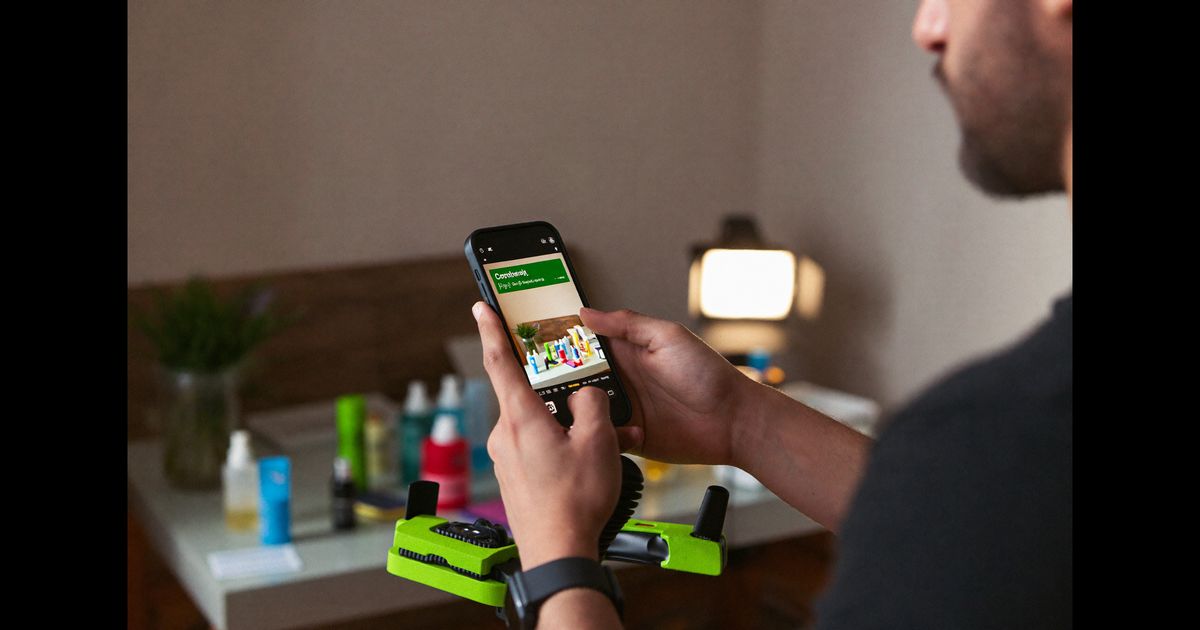
Most of our healthcare unboxings are shot on a smartphone, currently a mix of iPhone 14-series and Samsung S23 devices among our creator pool, because the aesthetic needs to feel domestic and real, not clinical. The one non-negotiable is top-down or near-top-down framing for the inspection sequence, which lets the viewer see all the items clearly without the creator having to hold things up awkwardly.
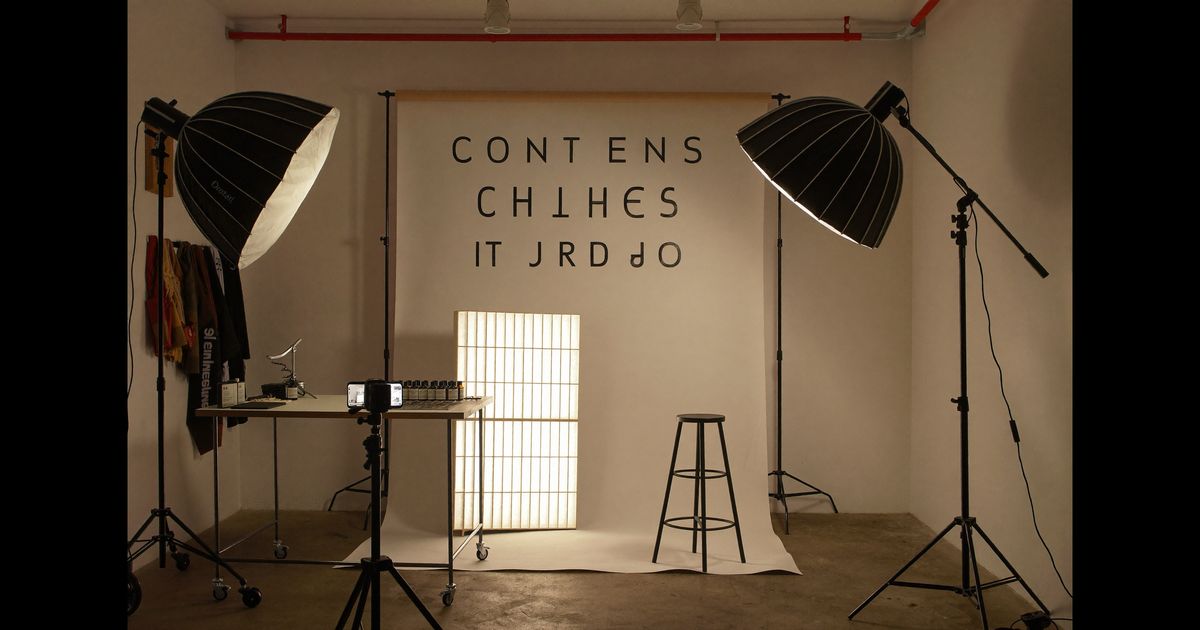
For lighting, we ask creators to work near a north-facing window during daylight hours. Harsh direct sunlight creates shadows on packaging text, which matters for healthcare where the viewer wants to read labels. If natural light is insufficient, a ₹800–1,200 ring light from Amazon India works; we specify warm white (4500K) over cool white because it avoids the sterile, pharmacy-inspection look that healthcare brand shots often suffer from.
Table surface matters more than most people think. A clean cotton bedsheet or a plain wooden surface photographs neutrally and does not compete with the product. We discourage marble or glass surfaces because reflections interfere with label legibility.
We had a creator filming an Ayurvedic joint support oil for a South Indian brand. She set up her shoot on a brass-tray with a wooden base, something she already had at home. The visual language felt completely authentic to the product's heritage positioning without any set-dressing cost. That video drove the highest CTR of the campaign.
Platform Considerations: Reels, YouTube Shorts, and ShareChat
In our production pipeline, healthcare unboxings get edited into three aspect ratios: 9:16 for Instagram Reels and YouTube Shorts, and a 4:5 crop for Instagram feed posts. The 4:5 feed post version is often the most underrated, it sits high in the feed, is often saved (a strong signal for healthcare purchase intent), and runs well as a Meta traffic or conversion ad without looking like an ad.
For Hindi-speaking audiences in Tier 2 and Tier cities across India, which is increasingly where nutraceutical and OTC wellness brands are focusing, ShareChat and Moj are worth the extra edit. We ask creators filming in Hindi, Tamil, or Kannada to deliver the inspection narration in their native language. A creator in Coimbatore explaining a vitamin D supplement in Tamil to their 40,000 ShareChat followers will outperform a Hindi-dubbed version of the same video for that audience.
YouTube Shorts has become particularly interesting for healthcare unboxings because the format is searchable. A Shorts titled "OZiva protein unboxing honest review" surfaces in search results months after upload. For brands running longer purchase consideration cycles, which most healthcare brands do, this SEO-adjacent value is real and worth the extra optimisation step at the brief stage (ask creators to say the product name and category clearly in the first five seconds).
What to Do About ASCI Rules Without Killing Authenticity
The ASCI Code applies to advertisements, and UGC published by a creator with a brand arrangement qualifies as an advertisement under current guidelines. The key obligations are disclosure ("#Ad" or "#Sponsored" clearly placed) and no misleading health claims.
The practical tension is that healthcare UGC is most effective when it feels like a personal recommendation, not a legal document. Here is how we resolve this in production:
- Disclosure goes in the caption and verbally at the beginning, "the brand sent this to me for an honest review", not buried. Done early, it actually increases credibility rather than reducing it for health-conscious audiences.
- We steer creators away from outcome language entirely, not because we are being overly defensive, but because authentic uncertainty is more persuasive. "I've been using this for two weeks, here's what I've noticed so far" beats "this product will boost your immunity", and it is also compliant.
- For products with Ayush or FSSAI claims on the packaging, we tell creators it is fine to read the official claim as printed ("helps support digestive health, as per the manufacturer") because they are narrating a label, not making an independent medical claim.
Briefing for Diversity: Getting the Right Creator Profile
Healthcare purchase decisions in India are rarely made by one type of person. A protein supplement brand selling through PharmEasy needs content that resonates with a 22-year-old gym-goer in Hyderabad, a 45-year-old vegetarian father in Ahmedabad whose doctor advised more protein, and a working mother in Delhi who is managing her own nutrition alongside her family's. Identical unboxing videos will not do the job.
In our briefing process for healthcare campaigns, we segment the creator roster by life-stage and language rather than just follower count. We are more interested in a Kannada-speaking health blogger with 18,000 followers and a highly engaged audience than a 300,000-follower lifestyle creator who occasionally posts about health. For unboxing content specifically, that engagement density matters: viewers who comment "where can I order this" or "does this work if you're vegetarian" are the audience healthcare brands want, and they cluster around niche, trusted voices, not broad lifestyle accounts.
Practical Cost Benchmarks for Healthcare Unboxing Campaigns
For a healthcare brand running a first UGC unboxing campaign, a realistic production budget in the Indian market looks like this:
- Creator fees: ₹3,000–₹8,000 per creator for nano-to-micro creators (10K–100K followers), including usage rights for 6 months across owned channels.
- Product seeding cost: ₹400–₹1,500 per kit depending on the product category; courier charges ₹80–₹150 per shipment to metro addresses.
- Brief and compliance review: This is where agencies add value, a compliance-reviewed brief written for healthcare content costs time but prevents considerably more expensive content pulls later.
- Repurposing for paid: Budget separately for Meta or Google ad spend if you plan to run the UGC as paid content; organic seeding and paid amplification are separate line items.
A first campaign with eight creators across three languages, seeding one unboxing kit each and delivering 9:16 + 4:5 cuts per creator, typically runs ₹80,000–₹1,20,000 all-in for production, before paid media.
If you are planning a healthcare unboxing campaign and want to work through the brief structure, ASCI considerations, or creator selection for your specific product category, our team can walk you through the details, book a consultation here.