Most FMCG unboxings we receive from well-meaning creators follow the same tired script: peel back the tape, hold up the product, say "Oh wow, this smells amazing!" into the camera. That footage is nearly unusable for paid ads. After briefing and reviewing hundreds of unboxing videos for FMCG clients, personal care, packaged foods, wellness supplements, we have found that the difference between a scroll-stopper and a dead reel comes down to a handful of very specific production decisions made before the creator even touches the box.
This is a walkthrough of how we actually brief and produce unboxing-style UGC for FMCG brands at The UGC Agency. It is less about camera gear and more about the deliberate thinking that shapes each shoot, the pre-production choices, the shot architecture, and the compliance guardrails that keep the content off ASCI's radar.
Why Unboxings Work Differently for FMCG Than for Electronics
Electronics unboxings rely on suspense: the audience wants to see what a Rs.80,000 phone looks like out of the box. FMCG products, a Rs.299 face serum, a Rs.149 protein cookie, a Rs.450 hair oil, cannot borrow that same drama. Nobody is holding their breath to see a pump bottle emerge from bubble wrap.
For FMCG, the unboxing format has to do a different job. It needs to:
- Compress the brand's value proposition into the first five seconds, while the box is still sealed
- Use the tactile experience, texture, scent, consistency, as the primary hook, since that is what the viewer cannot evaluate on a product page
- Land the "first-use moment" authentically, not theatrically
- Avoid any before-and-after health claims that would put the content in violation of ASCI's Guideline 2 on misleading testimonials or the Drugs and Magic Remedies Act (particularly relevant for nutraceuticals and skincare)
The brief we write for an FMCG unboxing explicitly tells creators what the video is not: it is not a review, it is not a transformation story, and it is not a product demo. It is a first-impression film built around the unboxing ritual itself.
The Three-Layer Shot Architecture We Use
We structure every FMCG unboxing brief around three layers of footage. Creators shoot all three in a single session, typically on a 9:16 vertical frame for Instagram Reels and YouTube Shorts, with a loose 4:5 crop option for Meta feed placements.
Layer 1, The Box/Courier Arrival Shot (0–3 seconds): This is the cold open. The creator films the sealed packet or box on a flat surface, a kitchen counter, a jute mat, a wooden table. No talking yet. The camera is overhead or at a 45-degree angle. We specify a natural-light window to the creator's left or right, not a ring light, because the shadow texture of a cardboard mailer reads as more authentic than the flat glow of artificial lighting. For brands that ship in premium D2C packaging, think Mamaearth, Plum, or WOW Skin Science-style boxes, the brand logo on the packaging is the hook; we brief the creator to hold that shot for at least two seconds before cutting.
Layer 2, The Reveal and Texture Moment (3–18 seconds): This is the heart of the video. We ask creators to film three specific sub-shots: opening the outer packaging, removing the inner product, and the sensory reaction, smelling, squeezing, rubbing between fingers. The sensory reaction shot must be genuine. We tell creators to actually use the product during filming, not pantomime. For packaged food clients, this is the bite moment; for personal care, it is the application texture on the back of the hand. We brief creators to narrate what they are experiencing, not what the brand told them to say. Phrases like "it actually smells like real jasmine, not synthetic" or "the serum doesn't leave that white cast I was expecting", these are the lines that perform in ads.
Layer 3, The Contextual Close (18–30 seconds): The creator places the product in their real environment, on a bathroom shelf next to their other skincare, in a gym bag, on a desk. This is not a styled flat-lay. It is the product living in someone's actual life. We have found that this layer is the most skipped by creators who are new to FMCG briefs, and it is also the layer that drives the highest add-to-cart click rates when these videos run as Meta conversion ads.
The Equipment Briefing: What We Tell Creators to Use (and Not Use)
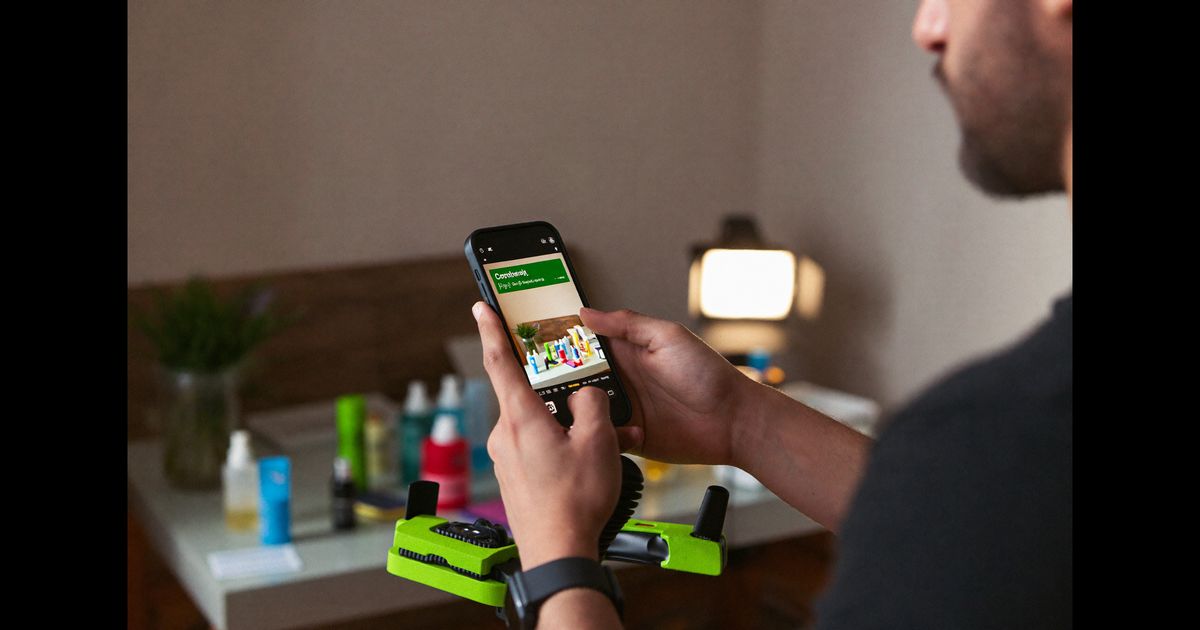
We do not require professional cameras. Almost every FMCG unboxing we have produced for Meta or YouTube Shorts has been shot on a smartphone, typically a mid-range to flagship Android (Samsung Galaxy A or S series, OnePlus, Pixel) or an iPhone 13 or above. The key constraints we brief:
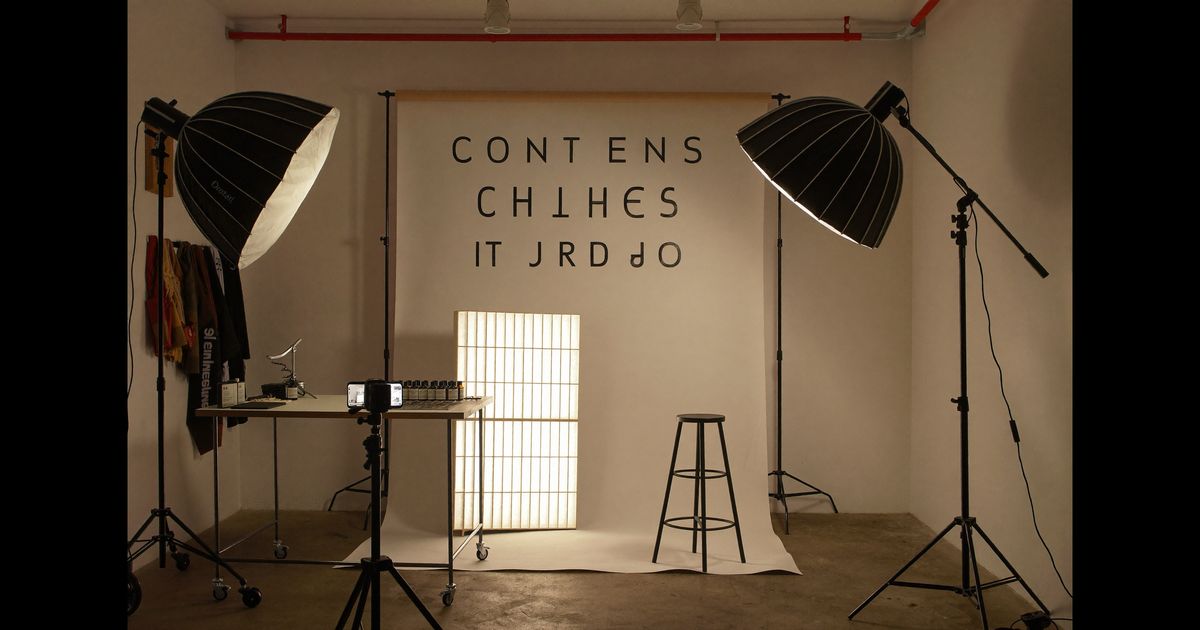
- No ring lights for the reveal shot. Ring lights flatten the texture of the product and make creams, powders, and liquids look cheaper than they are. A single window with a white foam board reflector on the opposite side costs nothing and produces better results.
- Shoot in 4K at 30fps, not 60fps. Sixty frames per second makes footage look like a home video; 30fps reads as intentional and cinematic on mobile screens.
- Use a small tripod or stack books for overhead shots. Shaky overhead footage is the single most common technical problem in the unboxing videos we receive. A Rs.500 mini tripod from Amazon India solves it.
- Clean the lens. This sounds obvious. It is the most common reason we reject footage, a smudged lens from fingerprints makes product shots look hazy and unprofessional.
- Record audio separately if in a noisy environment. For creators in Mumbai, Delhi, or Bangalore who live near traffic, we brief them to use the Voice Memos app on their phone as a secondary audio recorder and sync in post. Ambient traffic noise under a voiceover reads as inauthentic in quiet Reels environments.
ASCI Compliance: The Lines Creators Must Not Cross in Unboxings
FMCG unboxings sit in a grey zone under ASCI's Influencer Guidelines (updated 2023). The moment a creator says "this serum reduced my pigmentation in two weeks" or "I lost 3 kg using this protein powder," the content becomes a testimonial subject to ASCI Rule 14, it must be substantiated, and any material connection (gifted product, payment, affiliate code) must be disclosed with #Ad or #Sponsored in the first three lines of the caption.
We brief FMCG creators on three specific rules:
- No before-and-after health or cosmetic claims. "My skin looks brighter" is a personal observation. "This product will brighten your skin" is a claim that requires substantiation. Creators must speak only about their own, in-the-moment experience during the unboxing, not project outcomes onto the viewer.
- Always disclose paid partnerships. For all paid UGC, we include the disclosure language in the brief itself. For organic gifting campaigns, creators add #gifted. For paid placements, they use #Ad. This is non-negotiable in our contracts.
- Avoid category-specific banned phrases. For food products, phrases like "helps digestion" or "boosts immunity" are regulated claims under FSSAI. For skincare, "dermatologist tested" or "clinically proven" can only be used if the brand has the documentation. We provide a category-specific phrase list to every creator before they shoot.
We have turned down clients who asked us to brief creators to make unsubstantiated health claims. The short-term reach is not worth the ASCI notice or the brand damage when the complaint is made public.
Platform-Specific Cuts: Instagram Reels vs YouTube Shorts vs Meta Ads
The same unboxing footage needs to be cut differently depending on where it runs. This is something many FMCG brands do not account for when they commission UGC, they assume one cut works everywhere.
- Instagram Reels (organic): 15–30 seconds. Hook in the first 1.5 seconds before the swipe-away window. Text overlay on the sensory moment ("it actually absorbs in 30 seconds") performs well. Use trending audio where the brand brief allows, but not for regulated categories like baby care or pharma-adjacent products.
- YouTube Shorts: 30–45 seconds works well. The audience on Shorts is more tolerant of longer reveals, and the contextual close (Layer 3) can breathe a little more. Subtitles are critical, Shorts are increasingly consumed in Hindi and regional languages; we brief bilingual creators in Tamil Nadu, Maharashtra, and West Bengal to deliver at least a partial voiceover in their regional language for campaigns targeting those states.
- Meta Conversion Ads: 6–15 seconds. We cut a dedicated "first five seconds only" version from the Layer 1 and Layer 2 footage for top-of-funnel Meta ads. The full 30-second cut runs as a retargeting ad. The brand's product name and key benefit are on screen within the first three seconds because Meta's autoplay is muted by default, the visual must do the work before the viewer unmutes.
What a Completed FMCG Unboxing Brief Actually Contains
We do not hand creators a paragraph of instructions. A working brief for an FMCG unboxing is a structured document, typically a two-page Google Doc, that covers:
- The single core message (not three messages, one)
- Required shots in order, with timing guidance for each layer
- Mandatory product close-up requirements (label must be readable, no obscured branding)
- Phrases to avoid (brand-specific and ASCI-category-specific)
- Preferred phrases and authentic reactions from actual product testing the creator should have done before shoot day
- Technical specs: resolution, aspect ratio, lighting setup, audio requirements
- Deliverables: three raw clips plus one edited cut, delivered via Google Drive or WeTransfer within five days of receiving the product
- Usage rights: typically two years for paid digital placement across Meta, YouTube, and OTT pre-rolls
When a creator receives a brief this specific, the footage we get back is consistently usable. When we run a loose brief, "just film yourself opening the box and talking about it", the rejection rate on first review climbs above 60%.
If you are working on an FMCG campaign and need unboxing-style UGC that can run straight into paid ads without a second round of reshoots, take a look at our work to see what properly produced FMCG unboxings look like in practice, or book a consultation to walk through your next brief with us.